

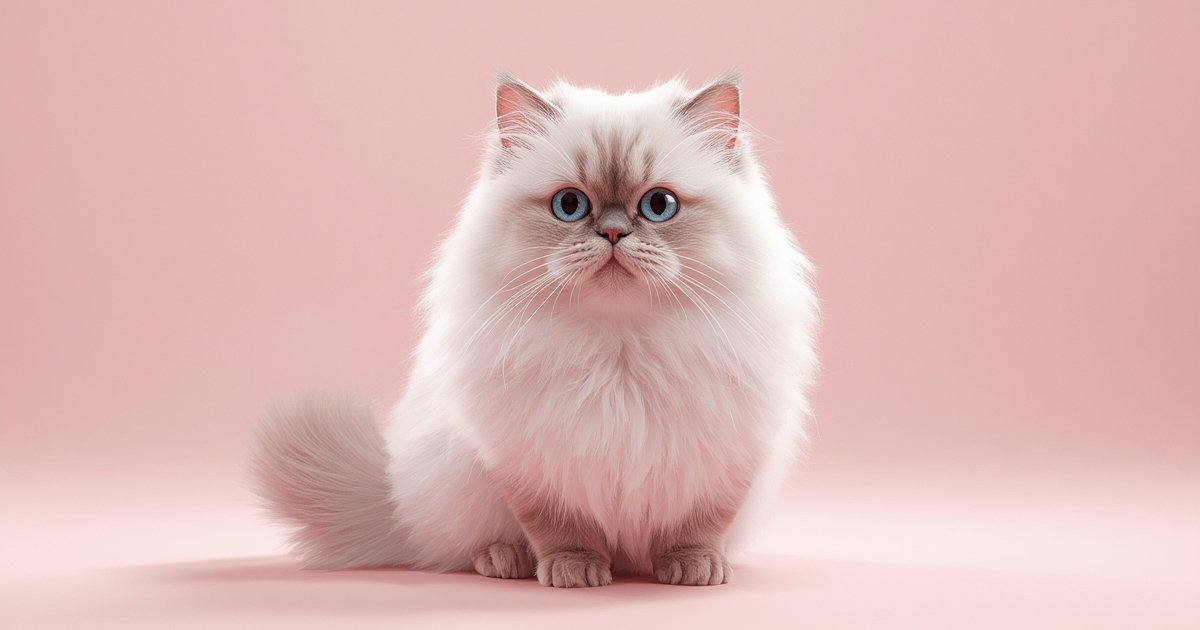
Meta Description: Unlock the secrets to pristine Persian grooming! This ultimate guide covers daily care, bathing, brushing, and essential tools to keep your Persian cat’s coat silky and healthy.
Understanding the Persian Coat: A Foundation for Grooming
The majestic Persian cat, with its distinctive flat face and luxurious long coat, is a vision of feline elegance. This breathtaking beauty, however, comes with a commitment to dedicated care. Their signature double coat, composed of a dense undercoat and long, silky guard hairs, is prone to matting and tangling if not meticulously maintained. Consistent Persian grooming is not just about aesthetics; it’s vital for your cat’s health, comfort, and overall well-being.
Ignoring regular grooming can lead to a host of problems, from painful skin irritations and infections beneath matted fur to digestive issues from excessive hairball ingestion. A well-groomed Persian is a happy Persian, free from discomfort and ready to bask in your affection. Establishing a routine early in your cat’s life will make the process smoother and more enjoyable for both of you, transforming it into a cherished bonding experience.
The Daily Ritual: Essential Brushing Techniques
Daily brushing is the cornerstone of effective Persian grooming. This regular attention helps prevent mats, removes loose hair, distributes natural oils, and provides a wonderful opportunity for you to check your cat’s skin for any abnormalities. Starting with short, gentle sessions when your Persian is a kitten can help them associate grooming with positive experiences.
Choosing the Right Brushes for Persian Grooming
Selecting the correct tools is paramount for efficient and comfortable Persian grooming. Using the wrong brush can pull hair, irritate skin, and make your cat averse to future sessions. Invest in high-quality grooming tools designed for long-haired breeds.
Essential Brushes and Combs:
– Slicker Brush: Features fine, wire bristles that are slightly angled. Excellent for removing loose fur and detangling superficial mats without pulling too hard.
– Metal Comb (Wide-toothed and Fine-toothed): Indispensable for working through deeper tangles and ensuring the coat is thoroughly free of knots. The wide-toothed end tackles larger mats, while the fine-toothed end smooths and finishes.
– Pin Brush: Similar to a human hairbrush, with widely spaced pins. Good for general coat maintenance and distributing oils, especially on the top layer.
Step-by-Step Daily Brushing Routine
Approaching brushing systematically will ensure thorough coverage and minimize stress for your cat. Find a quiet time when your Persian is relaxed, perhaps after a nap or during a petting session.
1. Prepare Your Cat and Tools: Gather your slicker brush, metal comb, and any detangling spray. Ensure your cat is calm and comfortable. A treat can help create a positive association.
2. Start Gently: Begin with the slicker brush, working in small sections. Always brush in the direction of hair growth. Start from the extremities (paws, tail) and move towards the body, gently lifting layers of fur to reach the undercoat.
3. Address Mats and Tangles: If you encounter a mat, do not pull. Use a detangling spray or a small amount of cornstarch directly on the mat. Gently try to tease it apart with your fingers or the wide-toothed end of your metal comb. For stubborn mats, a mat splitter or blunt-nosed scissors may be necessary, but use extreme caution or consult a professional groomer.
4. Comb Through: Once the coat feels free of tangles from the slicker brush, follow up with the metal comb. Work through the entire coat, ensuring the comb can glide smoothly from root to tip. This confirms that no hidden tangles remain.
5. Pay Attention to Sensitive Areas: The armpits, behind the ears, the ‘britches’ (hind legs), and the tail are common areas for mats to form. Be extra gentle and thorough in these spots. The ruff around their neck also needs special attention.
6. Finish with a Pin Brush (Optional): A final pass with a pin brush can smooth the coat and enhance its natural shine.
Consistency is key for effective Persian grooming. Even five to ten minutes of daily brushing can make a significant difference in preventing major matting issues and keeping your cat’s coat in prime condition.
Bathing Your Persian: A Comprehensive Guide
Given their long, dense coats, Persians typically require more frequent bathing than short-haired cats. A bath every 4-6 weeks is often recommended, or more frequently if their coat becomes excessively oily or dirty. Proper bathing removes buildup, prevents skin issues, and maintains the coat’s luxurious texture.
Preparation Steps for a Stress-Free Bath
A successful bath begins long before the water runs. Preparation can significantly reduce stress for both you and your cat.
1. Pre-Bath Brushing: Thoroughly brush your Persian before bathing to remove as many tangles and loose hairs as possible. Mats will tighten when wet, becoming much harder to remove.
2. Gather Supplies: Have everything you need within arm’s reach: cat-specific shampoo and conditioner, towels, a pitcher or spray nozzle, and cotton balls (for ears).
3. Set the Environment: Choose a warm, quiet bathroom. Place a non-slip mat in the sink or tub to give your cat traction. Close doors to prevent escape attempts.
4. Protect Ears and Eyes: Gently place cotton balls in your cat’s ears to prevent water from entering. Apply a drop of ophthalmic ointment to their eyes if recommended by your vet, or simply be extra careful around their face.
Choosing the Right Shampoos and Conditioners
Always use shampoos and conditioners specifically formulated for cats. Human products can be too harsh, stripping natural oils and irritating their sensitive skin. Look for:
– Hypoallergenic Formulas: Good for cats with sensitive skin.
– De-greasing Shampoos: Useful for oily coats, especially around the tail.
– Conditioning Shampoos: To help keep the coat soft and prevent tangles.
– Whitening Shampoos: If your Persian has a white coat and you want to brighten it.
The Bathing Process: Gentle and Thorough
Maintain a calm demeanor throughout the bath. Your cat will pick up on your stress.
1. Wet the Coat: Gently wet your cat’s coat with lukewarm water. Use a pitcher or a low-pressure spray nozzle. Start from the neck and work your way down, avoiding the face.
2. Apply Shampoo: Apply a small amount of cat shampoo, working it into a lather. Massage gently, ensuring you reach the skin. Pay special attention to areas prone to oiliness or dirt, like the belly and paws.
3. Rinse Thoroughly: This is crucial. Rinse the shampoo completely from your cat’s coat. Any residue can irritate the skin and attract dirt. Rinse until the water runs clear and the fur feels squeaky clean.
4. Apply Conditioner: If using, apply cat conditioner, focusing on the ends of the hair. Leave it on for the recommended time (usually a few minutes) to help detangle and soften the coat.
5. Final Rinse: Rinse the conditioner off just as thoroughly as the shampoo.
6. Wash Face Gently: Using a damp cloth or a very small amount of tearless cat shampoo on your fingers, gently clean your cat’s face, being careful around the eyes, nose, and mouth. Rinse with a separate clean, damp cloth.
Drying Techniques
Proper drying is essential to prevent chilling and matting.
1. Towel Dry: Immediately after rinsing, wrap your cat in a clean, absorbent towel. Gently blot and squeeze excess water from the fur. Do not rub vigorously, as this can cause tangles.
2. Blow Dry (Optional but Recommended): For Persians, blow-drying is often necessary to fully dry their dense coat and prevent mats. Use a pet-specific dryer or a human dryer on the lowest heat and speed setting. Hold the dryer at least 12 inches away from your cat and keep it moving. Brush the fur gently as you dry to separate the hairs and ensure the undercoat dries completely. Start with areas that mat easily, like the armpits and britches.
3. Final Comb-Through: Once completely dry, give your Persian a final comb-through to ensure there are no tangles and the coat is fluffy and smooth.
Beyond the Brush: Nail Trimming, Eye Care, and Ear Cleaning
While brushing and bathing are primary, other aspects of Persian grooming contribute significantly to their overall health and cleanliness. These routine tasks can prevent common health issues.
Nail Care Tips
Regular nail trimming prevents ingrown nails, helps your cat walk comfortably, and protects your furniture.
– Frequency: Trim nails every 2-4 weeks.
– Tools: Use sharp, cat-specific nail clippers. Scissor-style clippers are often preferred for their precision.
– Technique: Hold your cat firmly but gently. Press on the paw pad to extend the claw. Identify the “quick” – the pink part containing blood vessels and nerves. Cut only the clear tip of the nail, avoiding the quick. If you accidentally cut the quick, use styptic powder to stop the bleeding.
– Positive Reinforcement: Reward your cat with treats and praise after each session to build a positive association.
Addressing Tear Stains
Persian cats are known for their brachycephalic (flat) faces, which can lead to excessive tearing and tear staining. These reddish-brown stains are caused by porphyrins, pigments in tears, and can also be exacerbated by yeast and bacteria.
– Daily Wiping: Gently wipe your Persian’s eyes daily with a soft, damp cloth or a cotton ball soaked in warm water. Always use a fresh cloth/cotton ball for each eye to prevent cross-contamination.
– Specialized Eye Wipes/Cleaners: There are many over-the-counter products designed specifically for tear stains. Look for ones free of harsh chemicals or antibiotics unless prescribed by a vet. Ensure they are safe for use around the eyes.
– Trimming Hair Around Eyes: Carefully trim the hair around the eyes with blunt-nosed scissors to prevent it from wicking tears and causing irritation. Be extremely cautious.
– Vet Consultation: If tear staining is severe, persistent, or accompanied by redness, swelling, or discharge, consult your veterinarian. There might be an underlying medical issue, such as blocked tear ducts or an allergy.
Gentle Ear Cleaning
Check your Persian’s ears weekly for dirt, wax buildup, or signs of infection (redness, odor, excessive scratching).
– Tools: Use a veterinarian-approved ear cleaner and cotton balls or soft gauze. Never use cotton swabs, as they can push debris further into the ear canal.
– Technique: Apply a few drops of ear cleaner into the ear canal as directed by the product or your vet. Gently massage the base of the ear for 20-30 seconds to help break up wax and debris. Allow your cat to shake their head.
– Wipe Clean: Use a cotton ball or gauze to gently wipe away any visible dirt or wax from the outer ear and the folds of the ear flap. Do not probe deep into the ear canal.
– When to See a Vet: If you notice a foul odor, excessive discharge, redness, swelling, or if your cat is in pain, consult your veterinarian immediately. These are signs of an ear infection.
Essential Persian Grooming Tools: What You Need
Having the right arsenal of tools makes Persian grooming much more efficient and effective. Investing in quality products specifically designed for long-haired cats will pay off in the long run, ensuring your feline friend looks and feels their best.
Comparison of Essential Persian Grooming Tools
Below is a comparison of some popular and highly recommended tools for effective Persian grooming, detailing their uses, price points, and benefits.
| Product | Price | Pros | Cons | Best For |
|---|---|---|---|---|
| Hertzko Self-Cleaning Slicker Brush | $15 – $25 | Retractable bristles for easy cleaning; effective for removing loose fur and detangling; gentle on skin. | Can be less effective on very dense, matted fur; bristles might bend over time. | Daily brushing, removing shedding hair, light detangling. |
| Safari Long-Haired Cat Comb | $8 – $15 | Dual-sided with wide and fine teeth; excellent for deep detangling and finishing; durable metal construction. | Requires patience for matted areas; can pull if not used carefully. | Working through mats, checking for tangles after brushing, smoothing coat. |
| Andis ProClip Excel 5-Speed Clipper | $150 – $250 | Powerful rotary motor; variable speeds for different coat types; compatible with many blade types; professional-grade. | High initial cost; can be noisy for sensitive cats; requires blade maintenance. | Full body clips, sanitary trims, removing severe mats (professional use or experienced owners). |
| Furminator deShedding Tool (Long Hair) | $30 – $50 | Significantly reduces shedding; reaches deep into the undercoat; ergonomic handle. | Can strip too much guard hair if used incorrectly or too frequently; not ideal for detangling mats. | Reducing shedding during peak seasons; maintaining a lighter undercoat. |
| TropiClean Pure Plum Shampoo & Conditioner | $12 – $20 | Natural ingredients; leaves coat soft and shiny; pleasant scent; pH balanced for pets. | Scent might be too strong for some sensitive cats; not specifically a de-greaser. | Regular bathing, maintaining coat health and softness, mild detangling. |
Other Essential Grooming Supplies:
– Cat Nail Clippers: Scissor-style clippers are often preferred for precision.
– Styptic Powder: An absolute must-have in case you accidentally cut the quick of a nail.
– Pet Hair Dryer: Low-heat, quiet models designed for pets are ideal for thorough drying without causing fear or skin burns.
– Tear Stain Remover: Gentle, cat-safe solutions for daily eye maintenance.
– Ear Cleaner: Vet-approved solution for routine ear hygiene.
– Blunt-Nosed Scissors: For carefully trimming hair around eyes or in sanitary areas, always with extreme caution.
– Detangling Spray or Cornstarch: Helps in loosening small mats before brushing.
Troubleshooting Common Grooming Challenges
Even with the best intentions and tools, Persian grooming can present its share of challenges. Knowing how to address common issues can save you frustration and ensure your cat remains comfortable and well-cared for.
Dealing with Shedding
Persians are heavy shedding cats, especially during seasonal changes. While daily brushing is your primary defense, there are other strategies.
– Increase Brushing Frequency: During peak shedding seasons (spring and fall), you might need to brush twice daily.
– De-shedding Tools: A de-shedding tool, used carefully and according to instructions, can remove a significant amount of loose undercoat. Avoid over-using it, as it can damage the top coat.
– Diet and Supplements: A high-quality diet rich in Omega-3 and Omega-6 fatty acids can promote a healthier coat and reduce excessive shedding. Consult your vet about supplements.
– Professional Grooming: Regular professional grooming sessions (every 6-8 weeks) can help manage shedding and keep the coat in optimal condition.
Preventing Hairballs
Because of their long coats, Persian cats ingest a lot of fur when self-grooming, leading to hairballs.
– Consistent Brushing: This is the most effective preventative measure. The more hair you brush out, the less your cat swallows.
– Hairball Control Diet: Many pet food brands offer “hairball control” formulas with added fiber to help hair pass through the digestive system.
– Hairball Laxatives/Supplements: These come in gels or treats and help lubricate the digestive tract, facilitating the passage of ingested hair. Use as directed by your vet.
– Ensure Hydration: Adequate water intake helps the digestive system function smoothly.
Handling a Reluctant Cat
Some Persians are naturally more tolerant of grooming than others. If your cat resists, patience and positive reinforcement are key.
– Start Young: Introduce grooming activities from kittenhood to help your cat acclimatize.
– Keep Sessions Short: Especially at first, keep grooming sessions brief (5-10 minutes) and gradually increase the duration as your cat becomes more comfortable.
– Positive Reinforcement: Use treats, praise, and gentle petting during and after grooming. Make it a rewarding experience.
– Choose the Right Time: Groom when your cat is relaxed and sleepy, not when they are playful or agitated.
– Be Gentle: Always use a light touch. Any pulling or discomfort will create a negative association.
– Professional Help: If your cat is extremely resistant or aggressive, consider consulting a professional groomer or your veterinarian for advice. They can offer techniques or even mild sedatives for very stressful grooming sessions if absolutely necessary.
– Desensitization: Gradually introduce the grooming tools. Let your cat sniff them, then touch them lightly with the brush without actually grooming. Build up slowly.
By understanding these common challenges and employing these strategies, you can ensure that your Persian grooming routine remains a positive and beneficial experience for your cherished companion.
Regular Persian grooming is more than just maintaining a beautiful coat; it’s a vital component of your cat’s overall health and well-being. From daily brushing to strategic bathing and diligent care of their eyes, ears, and nails, each step plays a crucial role in preventing discomfort and potential health issues. By dedicating time to these routines, you’re not only ensuring a pristine appearance but also strengthening the bond you share with your feline companion. Approach each session with patience, kindness, and the right tools, and you’ll transform what could be a chore into a loving ritual. Your Persian’s silken coat and contented purrs will be your reward.
For more in-depth insights into specialized pet care or to explore other grooming techniques, consider consulting a professional groomer or your veterinarian. Ensuring your cat’s health and happiness is always a team effort. Do you have specific grooming questions or need personalized advice? Reach out to your local veterinary clinic or a certified professional groomer today.
Frequently Asked Questions (FAQ)
How often should I groom my Persian cat?
Persian cats require daily brushing to prevent mats and tangles, given their long, dense coats. Baths are typically recommended every 4-6 weeks, or as needed, to keep their fur clean and healthy. Nail trimming should occur every 2-4 weeks, and eye/ear care should be performed daily or weekly.
What are the best tools for Persian grooming?
Essential Persian grooming tools include a slicker brush, a dual-sided metal comb (with wide and fine teeth), cat-specific nail clippers, a de-shedding tool (used sparingly), and a pet-safe shampoo and conditioner. A low-heat pet hair dryer is also highly recommended for thorough drying.
How do I prevent matting in my Persian’s fur?
The most effective way to prevent matting is daily brushing with a slicker brush and a metal comb, working through the layers of the coat. Regular bathing with a good conditioner also helps. Pay extra attention to high-friction areas like armpits, behind the ears, and the ‘britches’.
Can I use human shampoo on my Persian cat?
No, you should never use human shampoo on your Persian cat. Human shampoos are formulated with a different pH level than what is appropriate for feline skin and can strip natural oils, leading to dry, irritated skin or allergic reactions. Always use shampoos specifically designed for cats.
My Persian cat hates grooming. What can I do?
Start with short, positive grooming sessions, using treats and praise. Gently introduce tools and work on one small area at a time. If your cat is highly resistant, try desensitization techniques over time. For severe cases, consulting a professional groomer or your veterinarian for advice on calming techniques or professional grooming services is recommended.
Leave a Reply