

Meta Description: Master your Persian cat’s diet in 2026 to prevent hairballs. Discover expert tips, top foods, and essential strategies for a healthy, happy feline.
Understanding the Persian Cat’s Unique Digestive Needs
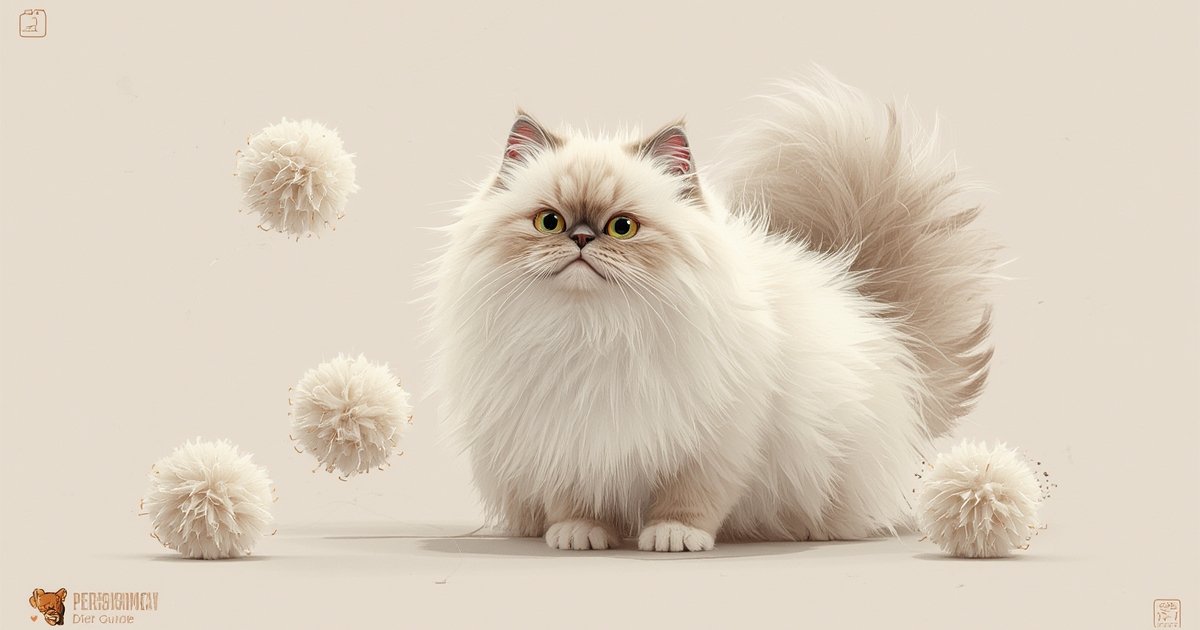
Persian cats are renowned for their luxurious long coats, elegant demeanor, and captivating eyes. However, this magnificent fur comes with a common challenge: Persian hairballs. These dense furballs can cause discomfort, vomiting, and in severe cases, dangerous intestinal blockages. A well-tailored diet is the cornerstone of managing and preventing these issues, ensuring your beloved feline lives a long, healthy, and comfortable life free from digestive distress.
Their distinctive brachycephalic (flat) facial structure also influences how they eat, often leading to them ingesting more air or having difficulty picking up certain kibble shapes. This, combined with their extensive grooming habits, makes them particularly prone to accumulating hair in their digestive tract. Therefore, understanding their specific needs and adapting their nutrition is not just beneficial, but crucial. This guide will equip you with the knowledge to craft the ultimate Persian cat diet, making hairball havoc a thing of the past.
The Science Behind Persian Hairballs and Diet
Persian hairballs form when loose fur, ingested during grooming, accumulates in the stomach instead of passing through the digestive system. While all cats experience some degree of hair ingestion, the sheer volume of a Persian’s coat significantly increases their susceptibility. The natural process of hair passing through the gut relies on a healthy, well-lubricated digestive tract and sufficient fiber. When these elements are lacking, hair can clump together, forming problematic hairballs.
The right diet can dramatically alter this process, aiding in the smooth passage of hair. Key dietary components work synergistically to minimize hairball formation. These include specific fiber types, omega fatty acids, and moisture content, all of which play a vital role in gut health and hair excretion. Ignoring these dietary factors can lead to chronic issues, stress for your cat, and costly vet visits.
The Role of Fiber in Hairball Prevention
Fiber is not just for humans; it’s a critical component in a Persian cat’s diet, especially for managing Persian hairballs. Dietary fiber, both soluble and insoluble, acts like a broom, sweeping ingested hair through the digestive tract. Insoluble fibers add bulk to the stool, promoting regular bowel movements, while soluble fibers form a gel-like substance that can help lubricate the intestines.
Look for cat foods that list ingredients like beet pulp, psyllium husk, or powdered cellulose. These are common sources of beneficial fiber. However, balance is key; too much fiber can lead to nutrient malabsorption or excessive stool production, so moderation and careful selection are important. Consulting with your veterinarian can help you determine the appropriate fiber levels for your cat’s specific needs and digestive sensitivity.
Essential Fatty Acids for Coat and Gut Health
Omega-3 and omega-6 fatty acids are crucial for maintaining a healthy skin and coat, which in turn reduces shedding and therefore the amount of hair ingested. A healthy coat means less loose fur available to become a hairball. Furthermore, these fatty acids contribute to overall digestive health, reducing inflammation and supporting the mucous membranes lining the gut.
Sources like fish oil (salmon, sardine, anchovy), flaxseed oil, and certain plant-based oils provide these beneficial fats. Many premium cat foods now include optimized ratios of these fatty acids. Ensuring your Persian cat receives adequate amounts can significantly contribute to both their external radiance and internal well-being, directly impacting the likelihood of severe Persian hairballs.
Moisture Content: An Overlooked Factor
Hydration is paramount for digestive health, and a higher moisture content in food can greatly assist in preventing Persian hairballs. Wet food, or canned food, provides significantly more moisture than dry kibble, helping to keep the digestive tract well-hydrated and allowing hair to pass more easily. Cats are not naturally big drinkers, so getting moisture through their food is often essential.
Even if your Persian cat primarily eats dry food, ensure they have constant access to fresh, clean water. Consider using a feline-friendly water fountain, as many cats prefer running water and may be encouraged to drink more. Combining wet and dry food can be an excellent strategy to boost hydration while still offering the dental benefits or convenience of kibble.
Choosing the Best Hairball Control Cat Food
Selecting the right commercial cat food is perhaps the most impactful step in preventing Persian hairballs. Many brands offer specialized “hairball control” formulas designed with increased fiber and specific ingredients to aid in hair passage. However, not all hairball formulas are created equal, and understanding what to look for is crucial.
Beyond generic hairball control, consider your cat’s age, activity level, and any specific health conditions. A senior Persian cat might require different nutritional support than a young, active one. Always prioritize high-quality protein sources and limited fillers to ensure your cat receives optimal nutrition while addressing hairball concerns.
Key Ingredients to Look For
When scrutinizing cat food labels for hairball prevention, certain ingredients stand out. High-quality animal protein should be the first ingredient, indicating a meat-rich diet suitable for obligate carnivores. Following this, look for beneficial fiber sources.
Ingredients that specifically target Persian hairballs include:
– Beet Pulp: A moderate source of fermentable and non-fermentable fiber.
– Powdered Cellulose: A concentrated source of insoluble fiber that adds bulk.
– Psyllium Husk: A soluble fiber that forms a gel, aiding lubrication.
– Chicory Root: A prebiotic fiber that supports a healthy gut microbiome.
– Omega-3 and Omega-6 Fatty Acids: Often listed as fish oil, flaxseed, or specific fatty acid supplements.
Avoid foods with excessive fillers, artificial colors, or by-products as primary ingredients. These offer little nutritional value and can sometimes upset sensitive digestive systems, potentially exacerbating hairball problems.
Comparing Top Hairball Control Cat Foods and Supplements
When it comes to tackling Persian hairballs, a variety of specialized foods and supplements are available. Making the right choice involves understanding the unique benefits and drawbacks of each. This comparison table highlights popular options, helping you navigate the market to find the best fit for your feline friend.
Comparison of Top Hairball Control Products for Persian Cats
| Product | Price | Pros | Cons | Best For |
|---|---|---|---|---|
| Royal Canin Persian Adult Dry Cat Food | $$$ | Specifically formulated for Persians, unique almond-shaped kibble for brachycephalic jaws, includes omega fatty acids and specific fibers for hairball control. | Can be expensive, some cats may not prefer the kibble shape or taste, higher carbohydrate content than some premium brands. | Persian cats with moderate hairball issues and specific breed dietary needs. |
| Hill’s Science Diet Adult Hairball Control Dry Cat Food | $$ | High-quality ingredients, includes natural fiber to reduce hairballs, widely available, good balance of nutrients. | Not breed-specific, may not be as effective for severe Persian hairballs, can be less palatable for picky eaters. | General adult cats with mild to moderate hairball concerns, good all-around nutrition. |
| Purina Pro Plan LiveClear Hairball Control Dry Cat Food | $$$ | Reduces allergens in cat hair and dander, includes natural fiber for hairball control, highly palatable. | Primarily focused on allergen reduction, so hairball control is secondary, can be pricey. | Cats with hairball issues where human allergies to cat dander are also a concern. |
| Vet’s Best Hairball Relief Gel | $ | Natural ingredients (psyllium, papaya extract), easy to administer as a treat, fast-acting for existing hairballs. | Not a preventative diet, requires consistent daily application, some cats dislike the taste/texture. | Occasional hairball issues, or as a supplement to a hairball control diet, for immediate relief. |
| Feline Greenies Smartbites Hairball Control Treats | $ | Tasty and convenient treat form, contains plant-based fiber, helps with dental health too. | Only a supplementary measure, not a complete diet solution, can add extra calories if overfed. | Cats who need extra fiber support in a treat form, as part of a comprehensive strategy. |
Beyond the Bowl: Grooming and Environmental Factors
While diet is paramount, it’s not the sole factor in managing Persian hairballs. A holistic approach that includes diligent grooming and attention to environmental factors can significantly reduce the amount of ingested hair. Remember, every strand of hair removed from your cat’s coat is one less strand that can form a hairball.
Combining dietary strategies with effective grooming practices creates a robust defense against hairball formation. This integrated approach addresses the problem from multiple angles, maximizing your Persian cat’s comfort and health. It also strengthens the bond between you and your feline companion through regular interaction.
Regular Grooming: Your First Line of Defense
Daily grooming is non-negotiable for Persian cats. Their long, dense coats are prone to matting and shedding, which directly contributes to the ingestion of fur. Aim for at least 15-20 minutes of brushing every day, ideally using a combination of tools. A slicker brush can remove loose undercoat, while a metal comb can detangle deeper knots.
Regular professional grooming sessions can also be beneficial, especially for addressing stubborn mats or for a thorough de-shedding treatment. Pay particular attention to areas where mats commonly form, such as under the legs, around the neck, and on the belly. Consistent grooming significantly reduces the likelihood of severe Persian hairballs.
Managing Shedding Through Environment
Environmental factors, such as humidity and temperature, can influence your cat’s shedding patterns. While you can’t control everything, maintaining a stable, comfortable indoor environment can help. Consider using a humidifier in dry climates, as it can help keep your cat’s skin and coat healthier, potentially reducing excessive shedding.
Ensure your cat has access to comfortable, clean resting spots, as stress can sometimes exacerbate shedding. Regular cleaning of your home, including vacuuming and dusting, will also help remove loose cat hair from the environment, preventing it from being re-ingested. A clean environment contributes to a healthier coat and less hair for your cat to swallow.
Hydration and Activity: Lifestyle Factors for Digestive Health
An optimal diet is a fantastic start, but a Persian cat’s overall lifestyle also plays a significant role in digestive health and hairball prevention. Hydration is critical, as is regular physical activity. These elements work in tandem with diet to keep the digestive system functioning smoothly and efficiently, preventing the accumulation of problematic Persian hairballs.
Think of it as a complete wellness package. Just like humans, cats thrive when their physical needs are met holistically. By fostering good hydration and encouraging activity, you’re not just preventing hairballs; you’re promoting a happier, more vibrant cat.
Encouraging Water Intake
As mentioned, cats often don’t drink enough water, especially when on a dry food diet. Beyond wet food, there are several strategies to encourage your Persian cat to drink more. Provide multiple water bowls in different locations around the house, ensuring they are always clean and filled with fresh water. Ceramic or stainless steel bowls are often preferred over plastic, which can harbor bacteria.
Consider a pet drinking fountain, as many cats are attracted to the sound and movement of running water. You can also add a small amount of low-sodium chicken or beef broth (without onions or garlic) to their water to make it more appealing. Increased hydration is essential for ensuring hair passes through the digestive tract smoothly, reducing the risk of Persian hairballs.
The Benefits of Play and Exercise
While Persian cats are not typically as active as some other breeds, regular, gentle exercise is still important for their digestive health. Physical activity helps stimulate gut motility, aiding in the passage of ingested hair and preventing sluggish digestion. Engaging your cat in play sessions with wand toys, laser pointers (with a physical reward at the end), or interactive feeders can provide the necessary stimulation.
Even short bursts of play throughout the day can make a difference. This also helps manage their weight, which indirectly supports overall health and reduces strain on all bodily systems. A healthy, active cat is less likely to suffer from chronic digestive issues, including problematic Persian hairballs.
Troubleshooting and When to See the Vet
Despite all preventative measures, some Persian cats may still experience occasional hairball issues. It’s important to know when a hairball is just a nuisance and when it signals a more serious underlying problem. Persistent vomiting, lethargy, loss of appetite, constipation, or diarrhea could indicate a blockage or another health issue that requires immediate veterinary attention.
Never hesitate to contact your veterinarian if you are concerned about your cat’s health. They can provide a definitive diagnosis and recommend the most appropriate course of action, which may include dietary changes, medication, or even surgical intervention in severe cases of blockages. Early intervention can prevent minor issues from becoming life-threatening.
While occasional hairball vomiting is normal for long-haired cats, frequent or distressing episodes are not. Keep a log of your cat’s symptoms, including frequency and severity, to share with your vet. This information can be invaluable in pinpointing the cause and finding an effective solution for stubborn Persian hairballs.
The journey to managing Persian hairballs is a continuous one, requiring vigilance, patience, and a deep understanding of your feline friend’s unique needs. By implementing a comprehensive diet strategy focused on fiber, essential fatty acids, and moisture, coupled with diligent grooming and a supportive lifestyle, you can dramatically reduce the incidence of hairball havoc. Remember that every Persian cat is an individual, so what works perfectly for one may need slight adjustments for another. Don’t be afraid to experiment under veterinary guidance to find the optimal combination for your cherished companion. Their comfort, health, and purring happiness are well worth the effort.
Ready to transform your Persian cat’s well-being and say goodbye to hairball woes? Start implementing these strategies today and observe the positive changes in their health and vitality. For further personalized advice or to address specific concerns, don’t hesitate to reach out to your trusted veterinarian.
Frequently Asked Questions (FAQ)
How often should I brush my Persian cat to prevent hairballs?
For optimal prevention of Persian hairballs, it is recommended to brush your Persian cat daily for at least 15-20 minutes. This helps remove loose fur before your cat can ingest it during grooming.
Can wet food alone prevent hairballs in Persian cats?
Wet food significantly increases moisture intake, which aids in digestion and helps hair pass through the digestive tract more easily. While it’s a powerful tool, it’s best used as part of a holistic strategy that also includes specific hairball control diets, regular grooming, and adequate hydration.
What are the signs of a serious hairball blockage?
Signs of a serious hairball blockage include persistent vomiting (especially after eating), lethargy, loss of appetite, abdominal pain or tenderness, unproductive straining to defecate, or an absence of stool. If you observe these symptoms, seek immediate veterinary attention.
Are hairball remedies safe for long-term use?
Many over-the-counter hairball remedies, often in paste form, contain lubricants like petroleum jelly. While safe for occasional use, long-term daily use without veterinary guidance is not always recommended as it could potentially interfere with nutrient absorption. Always consult your vet for long-term strategies.
Can a change in diet cause more hairballs initially?
Sometimes, a sudden change in diet can temporarily disrupt a cat’s digestive system, potentially leading to more hairball issues or other digestive upset. It’s crucial to transition new foods gradually over 7-10 days, slowly mixing the new food with the old, to allow your cat’s system to adjust.
Leave a Reply