

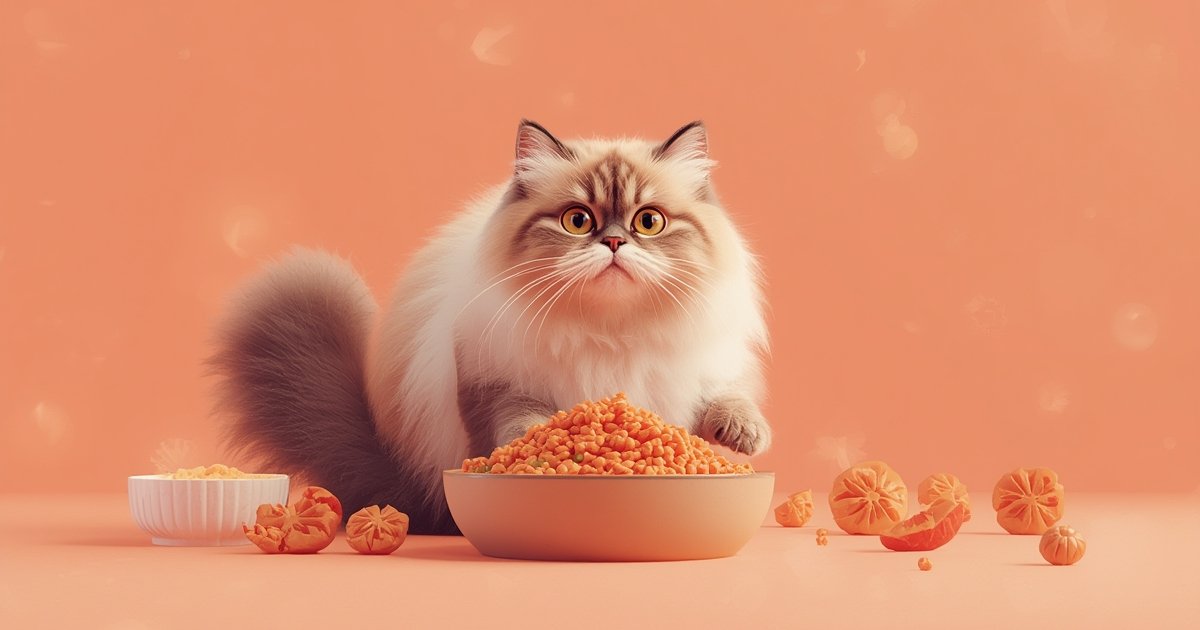
Meta Description: Long-haired Persian cats need a specific diet to thrive. Discover expert tips for the perfect Persian Cat Diet in 2026, focusing on hairball prevention and optimal nutrition.
Understanding Your Persian Cat’s Unique Dietary Needs
Is your majestic Persian battling hairball woes or struggling to maintain their glorious coat? You’re not alone. Many Persian cat parents seek the ultimate feeding strategy to keep their furry companions healthy and happy. Crafting the perfect Persian Cat Diet is crucial, not just for their immediate well-being but for their long-term vitality, especially when addressing common breed-specific challenges like hairballs and skin health. By 2026, advancements in feline nutrition offer even more tailored solutions, ensuring your long-haired friend gets exactly what they need.
Persian cats are renowned for their luxurious long coats, distinctive flat faces, and generally calm demeanor. While these traits make them beloved companions, they also present unique dietary considerations. Their long fur means a higher incidence of hairballs, and their brachycephalic (flat-faced) structure can sometimes make eating difficult. A specialized Persian Cat Diet is essential to address these factors.
Beyond their iconic appearance, Persians can be prone to certain health issues that can be mitigated or managed through proper nutrition. These include polycystic kidney disease (PKD), hypertrophic cardiomyopathy (HCM), and dental problems. A diet rich in high-quality ingredients, formulated specifically for their needs, can play a significant role in supporting their overall health and longevity. It’s not just about sustenance; it’s about preventive care and enhancing their quality of life.
Key Nutritional Components for a Healthy Persian Cat Diet
A balanced Persian Cat Diet hinges on several crucial nutritional components that cater to their specific physiology and lifestyle. Understanding these building blocks is the first step toward optimizing your feline friend’s health. Prioritizing quality over quantity in their food choices ensures they receive the maximum benefit from every meal.
High-Quality Protein Sources
Cats are obligate carnivores, meaning their bodies are designed to derive nutrients primarily from animal sources. For a Persian cat, high-quality animal protein is non-negotiable. Look for real meat, poultry, or fish as the first ingredients on the food label. Protein supports muscle mass, energy levels, and overall cellular function.
– Lean meats like chicken, turkey, and fish provide essential amino acids.
– Avoid foods with excessive plant-based proteins as the primary source, as these are less digestible for felines.
– Protein also contributes to a strong immune system and healthy coat.
Essential Fatty Acids for Coat Health
The hallmark of a Persian is their stunning coat, which requires specific nutrients to stay healthy and minimize shedding. Omega-3 and Omega-6 fatty acids are vital for skin and coat health, reducing dryness, flakiness, and promoting a lustrous shine. These fatty acids also have anti-inflammatory properties.
– Fish oil (salmon, sardine) is an excellent source of Omega-3s (EPA and DHA).
– Linoleic acid, an Omega-6 fatty acid, is found in various vegetable oils and poultry fat.
– A balanced ratio of these fatty acids is critical; too much of one can counteract the benefits of the other.
Fiber Content for Digestion and Hairball Control
Fiber plays a dual role in a Persian Cat Diet. Firstly, it aids in healthy digestion, promoting regular bowel movements and preventing constipation. Secondly, and perhaps most critically for Persians, it helps move ingested hair through the digestive tract, reducing the formation and expulsion of hairballs.
– Soluble and insoluble fibers contribute to gut health.
– Sources include beet pulp, psyllium husk, and certain vegetables.
– The right amount of fiber can significantly reduce the frequency and severity of hairball episodes.
Vitamins and Minerals for Overall Vitality
A comprehensive blend of vitamins and minerals is necessary for every bodily function, from bone strength to vision and immune defense. A high-quality commercial cat food designed for Persians should already contain an appropriate balance.
– Vitamin A is crucial for vision and immune function.
– B vitamins support energy metabolism.
– Minerals like calcium and phosphorus are vital for strong bones and teeth.
Tackling Hairballs: Diet as Your First Line of Defense
Hairballs are a common, albeit unpleasant, reality for Persian cat owners. Their extensive grooming combined with long, dense fur means they ingest a significant amount of loose hair. While occasional hairballs are normal, frequent or severe episodes can indicate a problem and even lead to blockages. Thankfully, your Persian Cat Diet can be a powerful tool in managing this issue.
The Role of Specialized Hairball Formulas
Many commercial cat food brands offer “hairball control” formulas specifically designed to help cats pass ingested hair more easily. These foods typically contain higher levels of fiber, often a blend of soluble and insoluble fibers, which act as a natural laxative and bulk up the stool. This helps to entrap the hair and move it through the digestive system before it can form a compact ball.
– Psyllium husk and beet pulp are common fiber sources in these diets.
– Some formulas also include ingredients that promote healthy skin and coat, reducing excessive shedding in the first place.
– Consult your veterinarian before making drastic changes to ensure the diet meets all your cat’s needs.
Increasing Moisture Content
Hydration is a silent hero in hairball prevention. A well-hydrated digestive tract allows for smoother passage of hair. Many Persian cats do not drink enough water on their own, especially if primarily fed dry kibble. Incorporating wet food into their Persian Cat Diet can significantly increase their moisture intake.
– Canned food is an excellent source of hydration.
– Adding a tablespoon of water or broth (unsalted, cat-safe) to dry kibble can also help.
– Consider a pet water fountain to encourage more drinking, as many cats prefer moving water.
Regular Grooming and Brushing
While not strictly a dietary component, regular grooming works hand-in-hand with diet to combat hairballs. The more loose hair you remove through brushing, the less your cat will ingest. This reduces the burden on their digestive system.
– Daily brushing with a slicker brush and a metal comb is ideal for Persians.
– Focus on areas where hair tends to mat, such as under the legs and around the tail.
– Professional grooming appointments can also help manage their coat, especially during shedding seasons.
Choosing the Best Commercial Foods for Your Persian
Navigating the vast array of cat food options can be overwhelming, but selecting the right commercial food is paramount for a healthy Persian Cat Diet. Look for reputable brands that prioritize quality ingredients, transparent labeling, and formulas tailored to specific needs like hairball control or breed-specific requirements.
Dry Kibble vs. Wet Food: A Balanced Approach
Both dry kibble and wet food have their pros and cons. Dry kibble is convenient, can help clean teeth (to a very small extent), and often more budget-friendly. However, it’s low in moisture. Wet food provides excellent hydration and is often more palatable, but can be more expensive and might not offer the same dental benefits.
– A mixed feeding approach often works best for Persians: wet food for hydration and palatability, and dry kibble for convenience and potential dental support.
– Ensure any dry kibble has appropriately sized kibbles for their brachycephalic jaws, making it easier for them to pick up and chew.
– Always check ingredient lists for real meat as the first few ingredients and avoid excessive fillers.
Understanding Breed-Specific Formulas
Some brands offer breed-specific diets, such as those formulated for Persian cats. These diets often consider the unique needs of the breed, including kibble shape for easy eating, higher fiber content for hairball control, and specific nutrients for coat health.
– Royal Canin Persian Adult is a well-known example, designed with an almond-shaped kibble for easier grasping.
– These formulas also tend to have a precise balance of Omega-3s and Omega-6s to support their distinctive long coat.
– While beneficial, they are not the only option; other high-quality hairball control or sensitive stomach formulas can also be suitable.
Comparison of Top Persian Cat Diet Foods (2026)
To help you make an informed decision, here’s a comparison of popular commercial cat food brands often recommended for Persians, particularly those focusing on hairball management and overall health. Remember, individual cats may have different preferences and needs.
| Product | Price | Pros | Cons | Best For |
|---|---|---|---|---|
| Royal Canin Persian Adult Dry Cat Food | $40-$55 (3.5lb bag) | Formulated specifically for Persians, unique kibble shape, excellent hairball reduction. | Can be expensive, some cats prefer a different flavor profile. | Persian cats requiring breed-specific nutrition and hairball support. |
| Blue Buffalo Indoor Hairball Control Chicken & Brown Rice Recipe | $35-$50 (5lb bag) | High in natural fiber, deboned chicken is first ingredient, no corn/wheat/soy. | Fiber content might be too high for very sensitive stomachs initially. | Indoor Persian cats needing strong hairball prevention and natural ingredients. |
| Hill’s Science Diet Adult Hairball Control Dry Cat Food | $38-$52 (3.5lb bag) | Scientifically formulated, contains natural fiber, widely available, good for sensitive digestion. | Contains some grain fillers, which some owners prefer to avoid. | Persian cats with recurrent hairball issues and those prone to sensitive digestion. |
| Purina ONE Indoor Advantage Hairball Control | $25-$35 (7lb bag) | Affordable, high protein, good fiber for hairball control, omega fatty acids for coat. | Contains corn gluten meal and brewers rice, which some prefer to avoid. | Budget-conscious Persian owners looking for effective hairball management. |
Supplementation and Hydration: Completing the Persian Cat Diet Puzzle
Even with the best commercial foods, sometimes a Persian Cat Diet can benefit from targeted supplementation and a strong focus on hydration. These additional elements ensure all nutritional gaps are filled and contribute significantly to overall health and specific issues like hairball management.
The Importance of Adequate Hydration
As mentioned earlier, hydration is critical for Persians. Their low thirst drive means owners must actively encourage water intake. Dehydration can lead to urinary tract issues, constipation, and exacerbation of hairball problems.
– Provide multiple water bowls in different locations.
– Use ceramic or stainless steel bowls, as some cats dislike plastic.
– Consider filtered water if your tap water has a strong chemical taste.
– Regularly clean water bowls to prevent bacterial growth.
Beneficial Supplements for Persians
While a complete commercial diet should provide most nutrients, certain supplements can offer additional support for a Persian Cat Diet, particularly for coat health and digestion. Always consult your veterinarian before adding supplements, as imbalances can occur.
– **Omega Fatty Acid Supplements:** If your cat’s food doesn’t provide enough, a high-quality fish oil supplement can further enhance skin and coat health, reducing shedding and dry skin. Liquid or capsule forms are available.
– **Hairball Laxatives/Pastes:** For severe hairball issues, a veterinarian might recommend a specialized hairball paste. These usually contain lubricants like petrolatum that help ingested hair pass through the digestive tract. These are typically for short-term use or during intense shedding periods.
– **Probiotics:** For Persians with sensitive stomachs or digestive upset, a probiotic supplement can help rebalance gut flora, leading to better nutrient absorption and overall digestive health. Look for feline-specific formulations.
– **Digestive Enzymes:** Some cats, especially as they age, may benefit from digestive enzymes to help break down food and absorb nutrients more efficiently. This can be particularly useful for cats with chronic loose stools.
Homemade or Raw Diets: Proceed with Caution
While some owners opt for homemade or raw food diets, these require extensive research and often professional veterinary nutritionist guidance. It’s incredibly challenging to formulate a nutritionally complete and balanced Persian Cat Diet at home, and deficiencies or excesses can lead to serious health problems.
– Raw diets, while championed by some, carry risks of bacterial contamination (e.g., Salmonella) for both the cat and human family members.
– If considering a homemade diet, work closely with a board-certified veterinary nutritionist to ensure it meets all AAFCO guidelines.
– Improperly balanced diets can lead to nutrient deficiencies that are not immediately apparent but cause long-term damage.
Transitioning Your Persian to a New Diet and Monitoring Health
Changing your Persian cat’s diet requires patience and a strategic approach. Cats are creatures of habit, and abrupt changes can lead to digestive upset or outright refusal to eat. Once transitioned, ongoing monitoring is essential to ensure the new Persian Cat Diet is truly beneficial.
Gradual Diet Transition Steps
A slow transition over 7-10 days is generally recommended when introducing new food. This allows your cat’s digestive system to adjust and minimizes stress.
1. **Day 1-2:** Mix 25% new food with 75% old food.
2. **Day 3-4:** Mix 50% new food with 50% old food.
3. **Day 5-6:** Mix 75% new food with 25% old food.
4. **Day 7-10:** Feed 100% new food.
– If your cat shows signs of digestive upset (vomiting, diarrhea, lethargy) at any stage, slow down the transition or revert to the previous step.
– Some particularly finicky Persians may require an even longer transition period.
– Offer the new food in small amounts initially to gauge their interest.
Monitoring Your Cat’s Response
Once your Persian has fully transitioned to their new diet, close monitoring is crucial. Pay attention to changes in their physical appearance, behavior, and digestive habits. This will help you determine if the new Persian Cat Diet is truly working.
– **Coat Condition:** Is their fur shinier, softer, and less prone to matting? Reduced shedding can be a sign of better nutrient absorption.
– **Energy Levels:** Do they seem more playful and active, or are they lethargic?
– **Stool Quality:** Look for well-formed, consistent stools. Diarrhea or constipation indicates the diet might not be suitable.
– **Hairball Frequency:** Is there a noticeable reduction in the number or size of hairballs? This is a key indicator for Persian owners.
– **Weight Management:** Ensure they maintain a healthy weight – neither gaining nor losing too much.
– **Appetite:** Are they eating enthusiastically, or is there a decrease in appetite?
Regular Veterinary Check-ups
Even with a meticulously planned Persian Cat Diet, regular veterinary check-ups remain indispensable. Your vet can provide personalized advice, conduct necessary health screenings, and catch potential issues early.
– Annual check-ups are vital for all cats, even seemingly healthy ones.
– Discuss any dietary concerns, changes in appetite, or health observations with your vet.
– They can recommend specific tests or dietary adjustments based on your cat’s age, health status, and lifestyle.
Crafting the ideal Persian Cat Diet is an ongoing journey that evolves with your cat’s life stage and health needs. By focusing on high-quality ingredients, addressing breed-specific challenges like hairballs, ensuring ample hydration, and monitoring their response, you can provide your majestic companion with the best possible nutrition. This proactive approach not only prevents common issues but significantly enhances their overall well-being, allowing them to live a long, vibrant life with that magnificent coat.
Ready to transform your Persian’s diet? Explore our full range of expert-recommended cat food brands on Dax AI’s Nutrition Hub, or consult with one of our feline diet specialists today!
Frequently Asked Questions (FAQ)
How often should I feed my Persian cat?
Most adult Persian cats do well with two meals a day, ideally at consistent times. Kittens and senior cats might require more frequent, smaller meals. Always refer to the feeding guidelines on your chosen cat food packaging and adjust based on your cat’s activity level and weight.
Can I give my Persian cat human food?
While some human foods are safe in moderation (e.g., plain cooked chicken or salmon), it’s generally best to stick to a balanced commercial cat food. Many human foods are toxic to cats (onions, garlic, chocolate, grapes), and even safe ones can cause digestive upset or lead to nutritional imbalances if given too frequently.
What are the signs of a poor diet in a Persian cat?
Signs of a poor diet can include a dull or greasy coat, excessive shedding, frequent hairballs, lethargy, poor appetite, weight loss or gain, vomiting, diarrhea, constipation, and bad breath. If you observe any of these symptoms, consult your veterinarian.
Is it okay for my Persian cat to be a picky eater?
Persian cats can be notoriously picky eaters, which can be frustrating. Ensure you’re offering high-quality, palatable food and trying different textures (pâté, shredded). Avoid free-feeding if they’re leaving food out for too long. If pickiness leads to significant weight loss or lack of interest in food, a vet visit is warranted to rule out underlying health issues.
How do I know if my Persian is getting enough water?
Good hydration is indicated by a healthy appetite, normal energy levels, moist gums, and regular urination. If you pinch the skin on their neck and it snaps back quickly, they are likely well-hydrated. Slow skin turgor, dry gums, infrequent urination, or lethargy are signs of dehydration and require veterinary attention.
Leave a Reply