

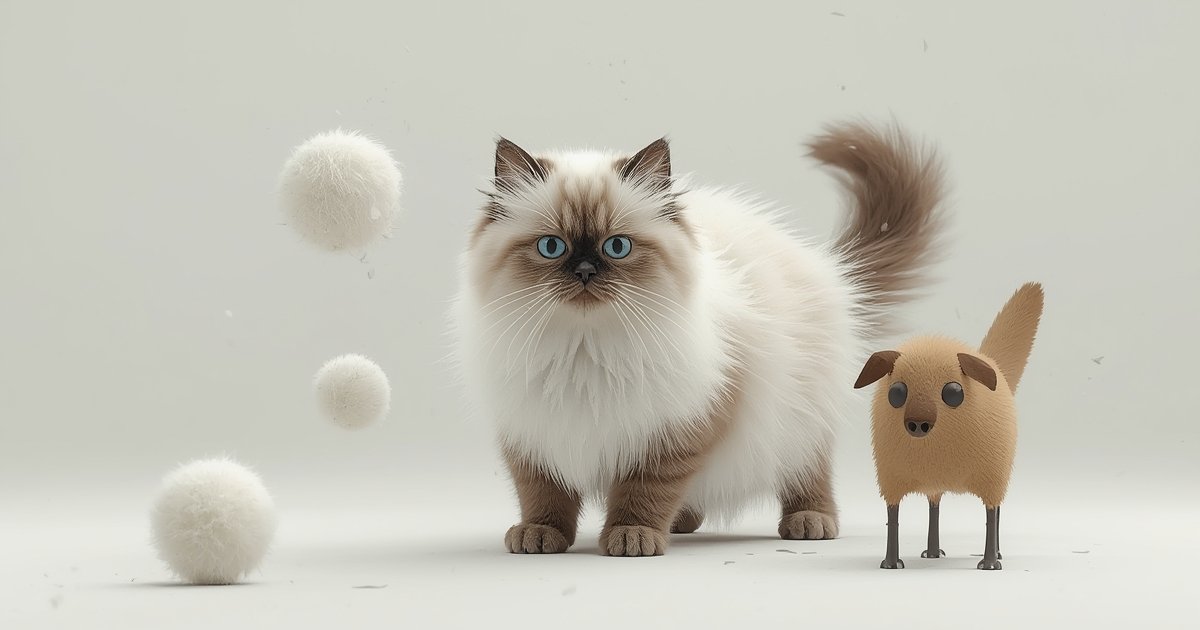
Meta Description: Banish Persian hairball horror! Discover expert tips, diet strategies, and grooming routines to keep your beloved Persian cat healthy and happy in 2026.
The Unique Challenge of Persian Hairballs
Persian cats, with their luxurious long coats, are undeniably beautiful companions. However, this magnificent fur comes with a specific, often unpleasant, challenge: Persian hairballs. These dense, matted clumps of ingested fur can cause discomfort, digestive issues, and in severe cases, dangerous blockages. Understanding the root causes of Persian hairballs and implementing proactive strategies is crucial for ensuring your feline friend remains healthy and happy, thriving well beyond 2026. This article will provide actionable insights into preventing and managing this common problem.
Understanding Persian Hairballs: Why They Happen
The formation of hairballs is a natural process for cats, but it becomes particularly pronounced in long-haired breeds like Persians. Their extensive self-grooming habits, while essential for coat health, lead to a significant ingestion of loose fur. This fur, when not properly passed through the digestive tract, accumulates into what we commonly call a hairball.
The Grooming Process and Ingestion
Persian cats spend a considerable portion of their day meticulously grooming themselves. Their barbed tongues act like tiny brushes, effectively removing loose hair, dirt, and debris from their coats. While this keeps their fur clean and tangle-free, it also means a substantial amount of hair is swallowed. For short-haired cats, this ingested fur usually passes through the digestive system without incident. However, the sheer volume and length of a Persian cat’s hair make it more prone to forming larger, denser hairballs that are difficult to expel.
Factors Contributing to Hairball Formation
Several factors can exacerbate the problem of Persian hairballs. Understanding these can help you tailor your preventative measures.
– **Coat Length and Density:** This is the primary factor. The longer and denser the coat, the more hair a cat will ingest during grooming.
– **Shedding Cycles:** Persians typically have seasonal shedding, often intensified during spring and autumn. During these periods, hairball incidence can increase dramatically.
– **Diet and Hydration:** A diet lacking in proper fiber or insufficient water intake can hinder the smooth passage of ingested hair through the digestive tract. Dehydration can lead to drier stools, making it harder for hair to be eliminated.
– **Underlying Health Issues:** Sometimes, excessive grooming or an inability to pass hair is a symptom of other medical conditions, such as inflammatory bowel disease, food sensitivities, or even dental problems that make eating difficult.
– **Stress and Boredom:** Cats may overgroom when stressed or bored, leading to increased hair ingestion and a higher risk of Persian hairballs. Providing mental and physical enrichment can help mitigate this.
Dietary Strategies for Minimizing Persian Hairballs
A cornerstone of preventing Persian hairballs lies in a well-considered diet. Nutrition plays a vital role in supporting digestive health and ensuring ingested fur passes through smoothly. Focus on high-quality foods and supplementary aids.
The Role of Fiber and Specialized Diets
Fiber is your ally in the fight against hairballs. It aids in moving ingesta through the digestive tract, essentially helping to “sweep” the hair along.
– **Hairball Control Formulas:** Many premium cat food brands offer formulas specifically designed to help manage hairballs. These diets are typically rich in natural fibers, such as beet pulp or psyllium, which help bind to the ingested hair and facilitate its passage through the digestive system. Look for brands that list fiber sources high up in the ingredient list.
– **Pumpkin and Other Natural Fibers:** A small amount of plain, cooked pumpkin (not pumpkin pie filling) can be a safe and effective natural fiber boost for your Persian. Consult your vet for appropriate quantities. Other sources might include a tiny bit of wheatgrass or specific fiber supplements.
– **Omega Fatty Acids:** Diets rich in omega-3 and omega-6 fatty acids (found in fish oil, flaxseed) can promote a healthier coat and skin, potentially reducing excessive shedding. A healthier coat means less loose hair for your cat to ingest.
Hydration is Key
Water intake is just as crucial as diet for digestive health. Proper hydration keeps the digestive tract functioning optimally, allowing hair to pass more easily.
– **Fresh Water Daily:** Always provide multiple bowls of fresh, clean water in different locations around your home.
– **Water Fountains:** Many cats are attracted to moving water. A feline water fountain can encourage increased water consumption, which is particularly beneficial for managing Persian hairballs.
– **Wet Food:** Incorporating wet food into your Persian’s diet is an excellent way to boost their hydration levels. Wet foods have a much higher moisture content than dry kibble, contributing significantly to overall fluid intake.
Supplements and Remedies
Beyond daily food, there are specific supplements designed to help manage hairballs.
– **Hairball Laxatives/Pastes:** These products typically contain petroleum jelly or similar lubricants that coat the ingested hair, allowing it to slide through the digestive tract more easily. They are often flavored to make them more palatable for cats. Use these as directed by your veterinarian, as overuse can lead to nutrient malabsorption.
– **Probiotics:** A healthy gut microbiome is essential for overall digestive function. Probiotic supplements can help maintain a balanced gut, potentially improving the cat’s ability to process and eliminate ingested hair.
– **Digestive Enzymes:** Some supplements include digestive enzymes that can help break down food and hair, aiding in digestion and reducing the likelihood of hairball formation.
Comparison of Hairball Management Products
Here’s a comparison of common products that help manage Persian hairballs, ranging from dietary solutions to topical aids.
| Product | Price Range | Pros | Cons | Best For |
|---|---|---|---|---|
| Royal Canin Hairball Care Dry Food | $30-$60 (6lb bag) | Formulated with specific fibers to eliminate hair. Complete nutrition. | Can be more expensive than standard kibble. May not suit all taste preferences. | Cats needing a consistent dietary solution. |
| Tomlyn Hairball Remedy Gel (Malt Flavor) | $8-$15 (4.25oz tube) | Lubricates ingested hair for easier passage. Palatable for most cats. | Requires daily or weekly administration. Some cats resist paste. | Cats with occasional hairballs or needing immediate relief. |
| Feliway Classic Diffuser | $25-$40 (diffuser + refill) | Reduces stress-related overgrooming indirectly, leading to less hair ingestion. | Doesn’t directly address existing hairballs. Requires consistent use. | Cats prone to stress-induced grooming and related Persian hairballs. |
| Furminator Deshedding Tool | $30-$50 (various sizes) | Removes significant amounts of loose undercoat, drastically reducing ingested hair. | Can be sharp if not used correctly. Some cats dislike the sensation. | Long-haired cats with heavy shedding. |
Grooming Routines to Combat Persian Hairballs Effectively
Regular and thorough grooming is perhaps the most direct and effective way to prevent Persian hairballs. By removing loose hair before your cat can ingest it, you significantly reduce the risk of hairball formation. This isn’t just about aesthetics; it’s about crucial health maintenance.
Daily Brushing Techniques
Consistency is key when it comes to grooming a Persian. Daily brushing prevents mats, tangles, and, most importantly, hairballs.
– **Tools of the Trade:** Invest in a good quality de-shedding tool (like a Furminator for Persians), a slicker brush, and a wide-toothed comb. Each serves a different purpose in removing loose hair and preventing mats. A metal comb with rotating teeth can be particularly effective for tackling tangles gently.
– **Gentle and Thorough:** Start by gently combing through the entire coat, paying special attention to areas prone to matting, such as under the legs, behind the ears, and around the tail. Follow with a slicker brush to remove loose undercoat, then finish with a de-shedding tool during heavy shedding periods. Always brush in the direction of hair growth to avoid discomfort.
– **Make it a Positive Experience:** Introduce grooming early and keep sessions short and positive, with treats and praise. This makes it a pleasant routine rather than a struggle, reducing stress for both you and your cat.
Professional Grooming Benefits
While daily home grooming is essential, professional grooming offers additional benefits, especially for Persians with particularly dense or challenging coats.
– **Deep De-shedding:** Professional groomers have access to specialized tools and techniques for deep de-shedding that can remove a vast amount of loose undercoat more efficiently than home methods. This significantly reduces the amount of hair your cat can swallow.
– **Mat Removal:** If mats form, a professional groomer can safely and painlessly remove them. Attempting to cut out severe mats at home can be dangerous, potentially injuring your cat’s delicate skin.
– **Lion Cuts or Sanitary Clips:** For cats prone to severe matting or hairballs, a “lion cut” (shaving the body while leaving a mane, tail tip, and ‘boots’) can drastically reduce the amount of fur to manage. Sanitary clips keep fur around the hindquarters short and clean, preventing fecal matter from clinging to the fur and being ingested during grooming. These approaches can dramatically reduce the incidence of Persian hairballs.
Bathing Best Practices
Bathing a Persian cat is not always necessary daily, but periodic baths can help remove loose hair and keep the coat healthy.
– **Choose the Right Shampoo:** Use a cat-specific shampoo, preferably one formulated for long-haired breeds or de-shedding. Avoid human shampoos, which can irritate their skin.
– **Thorough Rinsing:** Ensure you rinse all shampoo out of the coat to prevent skin irritation and dullness.
– **Drying:** Gently towel dry, then use a low-heat hairdryer specifically designed for pets, if your cat tolerates it. Brush as you dry to prevent tangles from forming.
Creating a Hairball-Friendly Environment for Your Persian Cat
Beyond diet and grooming, the environment your Persian cat lives in plays a significant role in managing hairball formation. A proactive approach to their living space and overall well-being can contribute greatly to their digestive health.
Managing Shedding in the Home
A clean home isn’t just for your comfort; it reduces the amount of ambient fur your cat might ingest.
– **Regular Vacuuming:** Frequently vacuum carpets, rugs, and upholstery where your Persian cat spends time. This removes shed hair from the environment.
– **Pet Hair Removers:** Use lint rollers or specialized pet hair removal tools on furniture and bedding.
– **Air Purifiers:** High-efficiency particulate air (HEPA) filters in air purifiers can help capture airborne pet dander and loose fur, contributing to a cleaner environment for your cat.
– **Wash Bedding Regularly:** Your cat’s beds and blankets accumulate a lot of fur. Washing them frequently helps to remove shed hair.
Enrichment and Stress Reduction
A happy, stimulated cat is less likely to engage in excessive grooming driven by boredom or stress.
– **Interactive Play:** Provide plenty of interactive toys and dedicate time each day for play. This not only keeps them physically active but also mentally stimulated.
– **Vertical Spaces:** Cats love to climb. Cat trees, shelves, or window perches offer vertical territory, reducing stress and boredom.
– **Quiet Retreats:** Ensure your Persian has a quiet, safe space where they can retreat and relax, especially in multi-pet households or busy environments. Reducing stress can indirectly lower instances of excessive grooming leading to Persian hairballs.
– **Consider Feline Pheromone Diffusers:** Products like Feliway can help create a calming environment for anxious cats, potentially reducing stress-related overgrooming.
Monitoring Digestive Health
Keep a close eye on your cat’s habits and digestive output.
– **Litter Box Checks:** Observe your cat’s litter box habits. Are they pooping regularly? Are the stools normal? Any changes could indicate digestive issues.
– **Appetite and Energy Levels:** A sudden decrease in appetite, lethargy, or repeated vomiting (especially without passing a hairball) warrants veterinary attention.
– **Hairball Frequency:** Note how often your cat is producing hairballs. While occasional hairballs are normal, frequent or unusually large Persian hairballs might signal a need for dietary or grooming adjustments, or a vet visit.
When to Consult the Vet: Recognizing Serious Persian Hairball Issues
While some hairballs are a normal part of feline life, there are times when they indicate a more serious underlying problem. Knowing when to seek professional veterinary advice is crucial for your Persian’s health and well-being. Ignoring persistent symptoms can lead to severe health complications.
Signs of Obstruction and Discomfort
A hairball obstruction is a medical emergency. If your cat exhibits any of the following symptoms, contact your veterinarian immediately:
– **Frequent, Unproductive Vomiting:** Repeated retching or vomiting without producing a hairball, or vomiting undigested food.
– **Lack of Appetite or Weight Loss:** Refusal to eat for more than 24 hours, or noticeable weight loss over a short period.
– **Lethargy and Weakness:** Unusual tiredness, lack of interest in play, or general weakness.
– **Constipation or Diarrhea:** Straining to defecate, producing very hard or dry stools, or experiencing sudden bouts of diarrhea.
– **Abdominal Pain or Swelling:** Your cat may cry out when touched around the abdomen, or their belly may appear distended.
– **Difficulty Breathing:** In rare cases, severe blockages can put pressure on internal organs, affecting breathing.
These symptoms suggest that a hairball may be stuck in the digestive tract, potentially causing a life-threatening blockage. Early intervention is vital.
Preventative Vet Care
Regular veterinary check-ups are not just for emergencies; they are a key part of preventative care that can also help manage Persian hairballs.
– **Annual Exams:** During annual visits, your vet can assess your cat’s overall health, discuss their diet and grooming routine, and identify any early signs of issues.
– **Dental Health:** Poor dental health can make eating painful, leading to a cat ingesting more hair to compensate or altering their grooming habits. Regular dental check-ups are important.
– **Discuss Hairball History:** Be open with your vet about the frequency and nature of your cat’s hairballs. This information helps them understand your cat’s specific challenges and recommend appropriate preventative strategies, whether dietary changes, supplements, or specific grooming advice.
– **Addressing Underlying Conditions:** If your vet suspects an underlying medical condition (like IBD or allergies) that contributes to excessive grooming or hairball issues, they can conduct further diagnostics and develop a treatment plan.
Diagnostic and Treatment Options
If a serious hairball problem is suspected, your vet has several tools at their disposal.
– **Physical Examination:** The vet will palpate your cat’s abdomen to feel for any abnormalities or pain.
– **X-rays or Ultrasound:** Imaging techniques can help visualize the digestive tract and identify blockages. While hairballs themselves can be difficult to see on X-ray, their presence can be inferred by gas patterns or other abnormalities.
– **Endoscopy:** In some cases, a small camera can be inserted into the digestive tract to directly visualize and potentially remove the hairball.
– **Surgery:** For severe, intractable obstructions, surgery may be the only option to remove the hairball and restore digestive function. This is a last resort, emphasizing the importance of prevention and early detection.
Maintaining a Hairball-Free Lifestyle for Your Persian
Effectively managing Persian hairballs is an ongoing commitment, but one that is deeply rewarding for both you and your beloved feline. By understanding the unique challenges presented by their magnificent coats, you can implement a holistic approach that includes diligent grooming, a supportive diet, and a healthy home environment. Remember, consistent effort in these areas will significantly reduce the occurrence of hairball-related issues, helping your Persian cat lead a comfortable, vibrant, and happy life.
For further insights into feline health and care, explore more of our articles or connect with a Dax AI expert today.
Frequently Asked Questions (FAQ)
What exactly is a hairball?
A hairball is an accumulation of ingested hair that forms a dense, cylindrical mass in a cat’s stomach or digestive tract. Cats typically ingest hair during self-grooming, and while most passes through, some can clump together.
Are Persian hairballs dangerous?
Most Persian hairballs are harmless and are either vomited up or passed in stool. However, large or frequent hairballs can cause digestive upset, blockages, or other serious health issues requiring veterinary attention.
How often should I brush my Persian cat to prevent hairballs?
For most Persian cats, daily brushing is recommended to remove loose hair and prevent mats. During heavy shedding seasons, you might need to brush twice daily or use a de-shedding tool more frequently.
What foods help with Persian hairballs?
Look for cat foods specifically formulated for “hairball control,” which often contain increased fiber to aid digestion. Wet food can also boost hydration. Natural fibers like a small amount of plain pumpkin can also be beneficial, but consult your vet.
Can supplements help reduce hairballs?
Yes, products like hairball remedy gels (which act as lubricants) and supplements containing omega fatty acids (for coat health) or probiotics (for gut health) can help. Always discuss any new supplements with your veterinarian.
When should I worry about my cat’s hairballs?
You should worry if your cat is frequently vomiting without producing a hairball, has a loss of appetite, lethargy, constipation, diarrhea, or shows signs of abdominal pain. These could indicate a serious blockage and warrant immediate veterinary care.
Leave a Reply