

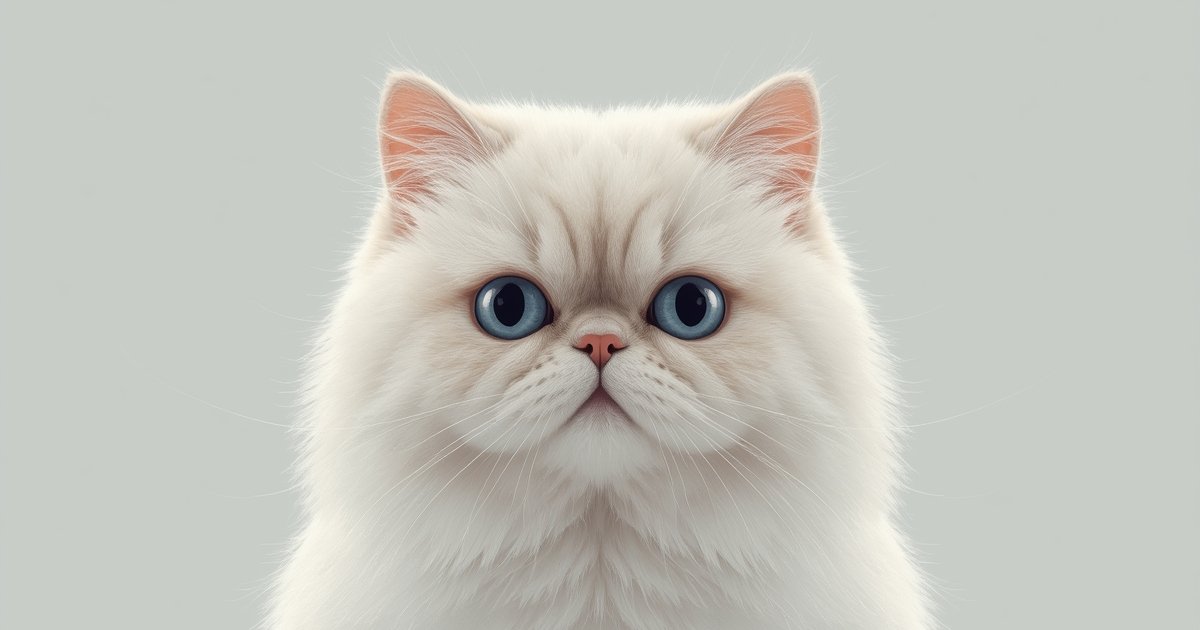
Unmasking the Persian Cat Personality Traits You NEED to Know in 2026
The elegant Persian cat, with its luxurious coat and distinctive flat face, is often revered for its beauty. But beyond the stunning looks lies a captivating temperament. Understanding the unique Persian traits is essential for anyone considering welcoming one of these magnificent felines into their home, especially as we look to what makes a happy pet in 2026. These cats offer far more than just aesthetic appeal; their personality traits shape their interaction with their environment and their human companions.
Understanding the Royal Demeanor of Persian Cats
Persian cats are renowned for their calm and placid nature. They are often described as “furniture with fur” due to their propensity for lounging gracefully, a stark contrast to the high-energy antics of many other breeds. This serene disposition is one of the most beloved Persian traits, making them ideal companions for quieter households or individuals seeking a less demanding feline friend.
Their peaceful temperament means they are typically not prone to destructive behaviors like excessive scratching or climbing curtains. Instead, they prefer to observe the world from a comfortable vantage point, often a soft cushion or a sunlit windowsill. This low-key attitude is deeply ingrained in the breed’s genetic makeup, cultivated over centuries of selective breeding.
While calm, they are not aloof. Persians form strong, affectionate bonds with their human families. They express their love through gentle purrs, soft head rubs, and a constant, reassuring presence. They enjoy being near their people, often following them from room to room, not demanding attention but simply relishing the companionship.
The Gentle and Affectionate Persian Traits
Persian cats are incredibly affectionate, though their displays of affection are often subtle. They are not typically lap cats that will cling to you for hours, but they will happily recline next to you on the couch, purring contentedly. They appreciate gentle strokes and soft whispers, melting into your touch with a sense of quiet contentment.
Their sweet nature makes them excellent companions for children, provided the children are taught to interact gently and respectfully with them. Persians are remarkably tolerant and rarely resort to scratching or biting, even when startled. This patience is a hallmark of the breed and a testament to their gentle spirit.
These cats often develop a special bond with one or two individuals in the household, becoming particularly devoted to them. This favoritism doesn’t mean they dislike others, but rather they have a deeper connection with their chosen human. This loyalty is a truly endearing aspect of their personality.
The Intelligent and Observant Nature of Persians
Despite their calm demeanor, Persian cats are highly intelligent and observant. They might not be as overtly playful or mischievous as some breeds, but they are constantly taking in their surroundings, understanding routines, and even picking up on human moods. This acute awareness is a key part of the Persian traits that often go underestimated.
They learn quickly and can be trained to respond to their names, use a litter box perfectly, and even perform simple tricks with positive reinforcement. Their intelligence is expressed more in their understanding and adaptation to their environment than in high-energy problem-solving.
A Persian cat will often be found watching the goings-on of the household with keen interest. They absorb information, remembering where their favorite toys are kept, or which cupboard holds the treats. This observational skill makes them surprisingly aware and connected to their family’s daily life.
Adapting to Routine and Environment
Persian cats thrive on routine and prefer a stable, predictable environment. Sudden changes can cause them stress, though they are generally resilient. Maintaining a consistent feeding schedule, playtime, and grooming routine will contribute significantly to their overall happiness and well-being.
Their adaptability to indoor living is exceptional, largely due to their calm and low-energy requirements. They are perfectly content living in apartments or homes without vast outdoor spaces, as long as they have comfortable spots to rest and plenty of quiet interaction.
When introducing a Persian to a new home or making significant changes, it’s best to do so gradually. Provide a safe, quiet space for them to retreat to, and slowly introduce them to new sights and sounds. Their ability to adapt smoothly is one of the more practical Persian traits for busy modern households.
The Playful Side: More Than Just Lounging
While often associated with luxurious lounging, Persian cats do have a playful side. Their play is typically less boisterous than other breeds, involving more gentle batting and chasing than acrobatic leaps. Short, interactive play sessions are highly appreciated and an important part of their daily stimulation.
They enjoy toys that stimulate their predatory instincts, such as feather wands, soft balls, or even a simple laser pointer. Puzzle toys that dispense treats can also be a hit, engaging their intelligence in a fun, rewarding way. These playtimes are crucial for their mental and physical health, even if they aren’t as intense as a Bengal’s.
It’s important for owners to initiate play, as Persians may not always instigate it themselves. A few minutes of active engagement each day can go a long way in strengthening your bond and keeping them happy and stimulated. Remember, even a regal cat needs to unleash its inner kitten sometimes.
Socializing Persians with Other Pets
One of the remarkable Persian traits is their generally tolerant attitude towards other pets. With proper introductions, they can coexist peacefully with other cats, and even well-behaved dogs. Their calm nature means they are less likely to initiate conflict and more likely to adapt to the presence of other animals.
Slow and supervised introductions are key. Allowing them to acclimate at their own pace, providing separate resources (food bowls, litter boxes, resting spots), and ensuring each pet feels secure will help foster harmonious relationships. They appreciate peace and quiet, and a household of harmonious pets fits their ideal environment.
When pairing a Persian with a more energetic dog or cat, ensure the other pet respects the Persian’s need for personal space and calm. A gentle dog who understands boundaries will be a far better companion than an overly boisterous one. Their mild temperament makes them agreeable, but they also deserve a peaceful coexistence.
Grooming and Its Impact on Persian Traits and Well-being
The stunning, long coat of a Persian cat is undeniably beautiful, but it requires significant maintenance. Daily grooming is not just about aesthetics; it’s a vital part of their health and well-being, and surprisingly, it plays a role in reinforcing positive Persian traits.
Regular brushing prevents mats and tangles, which can be painful and lead to skin infections. It also reduces shedding and helps prevent hairballs. More than that, the grooming routine itself can become a bonding experience, strengthening the trust between cat and owner.
Persians generally tolerate and even enjoy grooming sessions, especially if introduced early in life. These sessions provide consistent, gentle interaction, which these affectionate cats truly appreciate. It becomes a ritual of care that reinforces their sense of security and connection.
Dental and Eye Care Considerations
Due to their brachycephalic (flat-faced) structure, Persians often have specific health considerations, particularly concerning their eyes and teeth. Daily cleaning of their eyes is necessary to prevent tear staining and irritation from overflow. This routine adds to the daily interaction and care, further cementing the bond.
Their unique jaw structure can also predispose them to dental issues, so regular veterinary check-ups and possibly dental cleanings are important. Being proactive about these health needs ensures a comfortable and happy life for your Persian. Understanding these specific care requirements is part of truly appreciating the breed’s needs.
These specialized care routines are not burdens but opportunities to engage with your cat, showing them love and attention in ways they understand. It’s an investment in their health that reflects positively on their temperament and overall happiness, allowing their gentle Persian traits to shine through.
When considering adopting or purchasing a Persian, potential owners often look at breeders, rescue organizations, or online pet marketplaces. Each option presents different opportunities and considerations. It’s crucial to ensure the source prioritizes the health and ethical treatment of the animals, offering transparent information about the cat’s lineage, health records, and temperament.
Choosing the Right Persian Companion
Selecting a Persian cat involves more than just admiring their looks; it’s about finding a companion whose personality fits your lifestyle. When interacting with kittens or adult cats, observe their behavior. Are they curious, calm, affectionate? Does their demeanor align with the typical Persian traits you’re looking for?
A reputable breeder or rescue organization will be able to provide insights into each cat’s individual temperament, as even within a breed, there can be variations. They will also ensure the cat has received appropriate vaccinations and health screenings, providing peace of mind to new owners.
Consider the cat’s age, too. Kittens are adorable but require more training and socialization. Adult Persians often come with established personalities and can be a wonderful choice for those who prefer a cat with a known temperament, ready to settle into a loving home without the intense early developmental phase.
The Future of Persian Traits: Health and Breeding in 2026
In 2026, the focus on ethical breeding practices for Persian cats continues to evolve, with an increasing emphasis on health and genetic diversity. Responsible breeders are working to mitigate health issues associated with the breed’s unique features, aiming for robust health alongside traditional beauty. This means prioritizing well-being, which directly impacts the expression of desirable Persian traits.
Advancements in veterinary medicine and genetic testing offer new tools for breeders to screen for hereditary conditions, ensuring healthier bloodlines. Potential owners in 2026 should expect breeders to provide comprehensive health guarantees and transparent information about the genetic history of their cats.
There’s also a growing appreciation for Persians with slightly less extreme facial features, which can alleviate some breathing and eye issues. This trend highlights a shift towards prioritizing the cat’s comfort and long-term health, ensuring that the beloved calm and affectionate Persian traits can truly flourish without discomfort.
Adopting a Persian in 2026 means supporting practices that promote the breed’s health and happiness. It’s about choosing a companion whose beauty is matched by their vitality and charming personality, ensuring a long and joyful life together.
Understanding the core Persian traits is key to a harmonious relationship. These cats offer quiet companionship, gentle affection, and a graceful presence that enriches any home. Their distinctive personality, combined with their striking appearance, makes them truly unique and beloved pets.
Ready to welcome a Persian into your home or want to learn more about ensuring your feline friend thrives? Explore our comprehensive guides on cat care, nutrition, and behavior to provide the best possible environment for your beloved pet. Do you have a burning question or need personalized advice? Don’t hesitate to reach out to our team of experts via our contact page, or join our community forum for lively discussions and shared experiences.
Frequently Asked Questions (FAQ)
Are Persian cats good for first-time cat owners?
Yes, Persian cats can be excellent for first-time cat owners due to their calm, gentle, and affectionate nature. Their low energy levels and general tolerance make them relatively easy to manage. However, prospective owners must be prepared for their significant daily grooming needs.
Do Persian cats shed a lot?
Yes, Persian cats are known for their long, dense coats and do shed considerably, especially during seasonal changes. Daily grooming is essential to manage shedding, prevent mats, and reduce hairballs. Consistent brushing helps to keep their coat healthy and minimizes loose fur around the house.
Are Persian cats very vocal?
Generally, Persian cats are not very vocal. They tend to be quiet and reserved, communicating with soft meows or purrs when they want attention or food. They are not known for loud or incessant meowing, making them ideal companions for those who prefer a quieter household.
Do Persian cats get along with children and other pets?
Persian cats typically get along well with respectful children and other pets, including dogs, due to their patient and gentle temperament. Proper, gradual introductions are crucial. It’s important to teach children how to interact gently, and ensure other pets are calm and not overly boisterous around them.
What are the common health issues for Persian cats?
Due to their brachycephalic (flat-faced) structure, Persians can be prone to specific health issues. These include breathing difficulties, eye problems (excessive tearing, entropion), polycystic kidney disease (PKD), and dental malocclusions. Regular veterinary check-ups and proactive care are essential to manage these conditions.
Leave a Reply