

Meta Description: Discover the ultimate Persian grooming routine for 2026! Learn expert tips, essential tools, and step-by-step guides to keep your Persian cat’s coat silky, healthy, and mat-free.
Owning a Persian cat is a joy, but maintaining their iconic long, luxurious coat requires dedication and the right approach. These majestic felines are renowned for their stunning appearance, yet without consistent Persian grooming, their beauty can quickly diminish under mats and tangles. A proper Persian grooming routine isn’t just about aesthetics; it’s crucial for their health and comfort, preventing skin issues, hairballs, and discomfort. As we look towards 2026, understanding the most effective techniques and tools is paramount to ensure your beloved companion remains a picture of feline elegance and vitality.
Understanding the Unique Needs of Persian Grooming
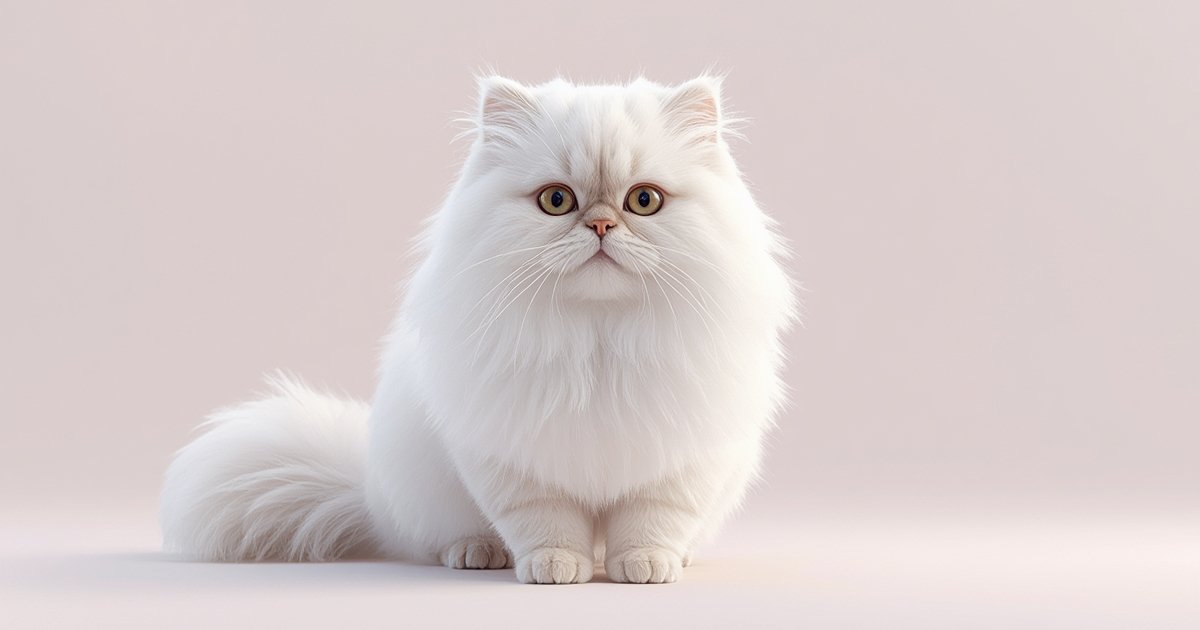
Persian cats possess a distinctive double coat that sets them apart from other breeds. This coat consists of a dense undercoat and a long, flowing topcoat, often reaching several inches in length. While breathtaking, this luxuriant fur is highly prone to matting and tangling, especially if neglected for even a few days.
Their brachycephalic (flat) facial structure also presents unique grooming challenges. The folds of skin around their eyes and nose can trap moisture and debris, leading to tear stains and potential infections. Therefore, a comprehensive grooming strategy must address both their magnificent coat and their sensitive facial features. Regular and gentle attention is key to their well-being.
The Importance of a Consistent Grooming Schedule
For Persian cats, grooming isn’t an occasional task; it’s a daily necessity. A consistent schedule helps prevent severe matting, which can be painful and may even require professional shaving. Daily brushing stimulates blood circulation, distributes natural oils, and removes loose fur, significantly reducing the occurrence of hairballs.
Beyond physical benefits, a routine grooming session can be a wonderful bonding experience for you and your cat. Starting grooming early in their life helps them become accustomed to the process, making future sessions smoother and less stressful for both of you. It also allows you to regularly check for any skin irritations, parasites, or unusual lumps that might require veterinary attention.
Essential Tools for Effective Persian Grooming
Having the right arsenal of tools is fundamental to successful Persian grooming. Investing in high-quality implements will not only make the process easier but also more comfortable and effective for your cat. Don’t skimp on these essentials; they are critical for maintaining your Persian’s exquisite coat and overall hygiene.
Brushes and Combs for Every Coat Layer
The cornerstone of any Persian grooming kit is a selection of appropriate brushes and combs. Each serves a specific purpose in detangling, dematting, and smoothing the coat.
- – **Stainless Steel Comb:** This is your primary tool for detangling and removing mats. Look for one with both wide and fine teeth. The wide-toothed side is perfect for initial detangling, while the fine-toothed side helps to smooth and check for any missed tangles.
- – **Slicker Brush:** Ideal for removing loose hair from the undercoat and distributing natural oils. Use it gently, focusing on small sections, as the wire bristles can be sharp if applied too much pressure.
- – **Pin Brush:** Best for daily brushing of the topcoat, adding shine, and gently working through minor tangles. Choose one with rounded pins to avoid scratching your cat’s skin.
- – **Dematting Rake or Comb:** For more stubborn mats, a specialized dematting tool can be a lifesaver. These have sharp, curved blades designed to cut through mats without pulling excessively on the surrounding fur. Use with extreme caution.
Shampoos, Conditioners, and Detangling Sprays
Bathing is an integral part of Persian grooming, albeit less frequent than brushing. The right products make a significant difference in maintaining coat health and preventing mats.
- – **Hypoallergenic Cat Shampoo:** Choose a shampoo specifically formulated for cats, preferably one that is tearless and hypoallergenic to prevent skin irritation. Many brands offer shampoos designed for long-haired breeds.
- – **Moisturizing Conditioner:** A good conditioner helps to nourish the coat, making it softer, shinier, and less prone to tangling. Apply after shampooing and rinse thoroughly.
- – **Detangling Spray:** These sprays can be used before brushing or during a bath to help loosen knots and make combing easier. Look for leave-in formulas that add moisture and reduce static.
Eye, Ear, and Nail Care Supplies
Beyond the coat, other aspects of your Persian’s hygiene require regular attention. Their unique facial structure means eye and ear care are particularly important.
- – **Soft Cotton Pads or Wipes:** Essential for gently cleaning around the eyes and removing tear stains. Use separate pads for each eye to prevent cross-contamination.
- – **Ear Cleaner:** A vet-approved ear cleaning solution can help prevent wax buildup and infections. Never use cotton swabs inside the ear canal.
- – **Cat-Specific Nail Clippers:** Regular nail trims are vital for your cat’s comfort and to prevent snagging or ingrown nails. Choose a scissor-style or guillotine-style clipper that you find comfortable to use.
Grooming Tool Comparison for Persian Cats
| Product | Price | Pros | Cons | Best For |
|---|---|---|---|---|
| Master Grooming Tools Ergonomic Steel Comb | $12-18 | Durable, dual-width teeth, comfortable grip. Excellent for detangling and finishing. | May not tackle severe mats on its own. | Everyday detangling and general coat maintenance. |
| Hertzko Self-Cleaning Slicker Brush | $15-25 | Retractable bristles for easy hair removal, gentle yet effective for undercoat. | Can be too sharp if not used carefully, requires a light touch. | Removing loose undercoat and preventing mats. |
| Safari Cat Nail Trimmer with Safety Guard | $8-15 | Sharp stainless steel blades, ergonomic handle, safety guard to prevent over-cutting. | Safety guard can sometimes obscure view, requires practice for nervous cats. | Safe and precise nail trimming for all cat sizes. |
| Eye Envy Tear Stain Remover Starter Kit | $40-60 | Highly effective for persistent tear stains, includes liquid and powder. | Higher price point, requires consistent application for best results. | Eliminating and preventing stubborn tear stains on flat-faced breeds. |
The Step-by-Step Persian Grooming Routine for a Dazzling Coat
Establishing a consistent and thorough Persian grooming routine is the key to maintaining your cat’s health and iconic appearance. This isn’t just about cleanliness; it’s about comfort and preventing painful matting.
Daily Brushing and Detangling
Brushing should be a daily ritual. This proactive approach prevents small tangles from becoming painful mats.
- **Preparation:** Find a quiet, comfortable spot. Lay out all your tools. A non-slip mat can help keep your cat steady.
- **Gentle Start:** Begin with the wide-toothed stainless steel comb. Work in small sections, starting from the head and working towards the tail, then down the legs. Always comb *with* the fur growth, not against it.
- **Address Tangles:** When you encounter a tangle, do not pull. Gently work it out with your fingers, or use a detangling spray. If it’s a mat, carefully separate it with your fingers or a dematting tool, working from the outside in.
- **Slicker Brush for Undercoat:** Once detangled, use the slicker brush to remove loose undercoat. Use short, gentle strokes, lifting the fur as you go to ensure you reach down to the skin. Pay special attention to “problem areas” like the armpits, hind legs, and behind the ears.
- **Pin Brush for Finish:** Finish with the pin brush to smooth the topcoat and add shine. This also helps to distribute natural oils throughout the fur.
Bathing Best Practices for Persians
Bathing a Persian cat is a significant undertaking, typically required every 4-6 weeks, or more often if their coat becomes excessively dirty. Proper technique is crucial to avoid stress and ensure a thorough clean.
- **Pre-Bath Preparation:** Crucially, *fully detangle and brush your cat before bathing.* Water can tighten mats, making them impossible to remove once wet. Trim nails to prevent scratches.
- **Water Temperature and Location:** Use lukewarm water. Bathe in a sink or tub with a non-slip mat. A handheld shower sprayer is immensely helpful for thorough rinsing.
- **Shampoo Application:** Wet your cat thoroughly, avoiding direct spray to the face. Apply a cat-specific shampoo, working it gently into the fur. Pay attention to all areas, but be careful around the face.
- **Rinsing is Key:** Rinse, rinse, rinse! Any shampoo residue can irritate the skin and lead to dull fur. Rinse until the water runs clear and no suds remain.
- **Conditioning:** Apply a moisturizing cat conditioner. Allow it to sit for a few minutes as per product instructions, then rinse thoroughly.
- **Drying:** Gently squeeze excess water from the fur. Wrap your cat in a large, absorbent towel. You can use a low-heat pet dryer (never a human hairdryer, which can be too hot and noisy), keeping it at a safe distance and moving it constantly. Continue combing with a wide-toothed comb as you dry to prevent tangles from reforming. Ensure they are completely dry to prevent chilling and skin issues.
Eye and Ear Care
Due to their facial structure, Persian cats are prone to tear staining and ear wax buildup.
- – **Eye Cleaning:** Daily, gently wipe around your Persian’s eyes with a soft, damp cloth or a specialized tear stain remover pad. Use separate wipes for each eye. Regular cleaning helps prevent the accumulation of dark, crusty stains.
- – **Ear Cleaning:** Check your cat’s ears weekly. If you notice wax or dirt, use a vet-approved ear cleaner. Apply a few drops to a cotton ball and gently wipe the visible parts of the ear. Never insert anything into the ear canal. If you notice redness, odor, or excessive scratching, consult your vet.
Nail Trimming
Regular nail trims, typically every 2-4 weeks, are important for your cat’s comfort and health.
- – **Technique:** Hold your cat’s paw and gently press on the toe pad to extend the nail. Only trim the very tip, avoiding the “quick” (the pink part visible in light-colored nails), which contains blood vessels and nerves.
- – **Positive Reinforcement:** Make nail trims a positive experience with treats and praise. If your cat resists, do a few nails at a time rather than trying to do them all at once.
Tackling Common Persian Grooming Challenges
Even with the best intentions, Persian grooming can present its fair share of hurdles. Being prepared for these common issues will make you a more confident and effective caregiver.
Dealing with Mats and Tangles
Mats are the bane of any long-haired cat owner. They are uncomfortable, can pull on the skin, and potentially lead to skin infections.
- – **Prevention is Best:** Daily brushing is the most effective defense. Focus on high-friction areas like armpits, behind ears, under the chin, and between the legs.
- – **Small Tangles:** For small tangles, use a detangling spray and gently work them out with your fingers or the wide-toothed comb. Always support the skin at the base of the mat to prevent pulling.
- – **Stubborn Mats:** For larger or tighter mats, a dematting tool can be used with extreme caution. If a mat is very tight or close to the skin, it’s often safer to have it professionally shaved by a groomer or vet. Never try to cut a mat out with scissors unless you are absolutely sure of what you are doing, as it’s easy to cut the skin underneath.
Combating Persistent Tear Stains
Persian cats are notorious for tear stains, which are caused by porphyrins (pigments in tears) and yeast or bacterial growth in the perpetually damp fur around their eyes.
- – **Daily Wiping:** Consistent daily wiping with a damp cloth or specialized tear stain wipes is crucial.
- – **Tear Stain Removers:** For established stains, consider using a veterinary-approved tear stain remover system (like Eye Envy or Angels’ Eyes). These typically involve a cleaning solution followed by a powder that helps absorb moisture and deter bacterial growth.
- – **Diet and Water:** Ensure your cat has access to fresh, filtered water, as minerals in tap water can sometimes exacerbate staining. A high-quality diet can also support overall health and potentially reduce tear production.
- – **Veterinary Check-up:** If staining is excessive, sudden, or accompanied by discharge, consult your vet. There might be an underlying medical issue, such as blocked tear ducts, allergies, or an eye infection.
Minimizing Hairballs
All cats get hairballs, but long-haired Persians are particularly susceptible due to the sheer volume of fur they ingest during self-grooming.
- – **Regular Brushing:** This is your primary weapon. The more loose hair you remove with a brush, the less your cat will swallow.
- – **Hairball Control Diet:** Many reputable pet food brands offer “hairball control” formulas, which typically contain increased fiber to help ingested hair pass through the digestive system more easily.
- – **Hairball Laxatives/Supplements:** Over-the-counter hairball remedies (often flavored pastes) can help lubricate the digestive tract and aid in the passage of hair. Consult your vet before using these regularly.
- – **Digestive Health:** Ensure your cat has a balanced diet rich in essential fatty acids to promote healthy skin and coat, reducing shedding.
Grooming a Reluctant Persian
Some cats simply don’t enjoy grooming. Patience, positive reinforcement, and starting early are key.
- – **Start Young:** Introduce grooming tools and short sessions to kittens.
- – **Positive Reinforcement:** Use treats, praise, and gentle petting during and after grooming sessions.
- – **Short, Frequent Sessions:** Instead of one long, stressful session, break grooming into multiple short periods throughout the day. Even a few minutes of brushing can make a difference.
- – **Safe Environment:** Ensure the grooming area is calm and free from distractions.
- – **Professional Help:** If your cat is extremely resistant or aggressive, a professional groomer can often handle them safely. In some severe cases, sedation might be necessary for extensive mat removal by a vet.
Maintaining Health and Hygiene Beyond the Brush
A truly effective Persian grooming regimen extends beyond just brushing and bathing. It encompasses a holistic approach to your cat’s well-being, ensuring their internal health supports their external splendor.
Dietary Considerations for Optimal Coat Health
What your Persian cat eats directly impacts the quality of their fur. A poor diet can lead to a dull, dry coat, increased shedding, and more frequent matting.
- – **High-Quality Protein:** Essential for strong hair follicles and healthy skin. Look for cat foods with real meat (chicken, salmon, beef) as the first ingredient.
- – **Omega-3 and Omega-6 Fatty Acids:** These are crucial for a healthy, shiny coat and supple skin. Many premium cat foods include fish oil, flaxseed, or other sources of these beneficial fats. You can also add vet-approved supplements if recommended.
- – **Hydration:** Adequate water intake is vital for skin health and overall bodily functions. Encourage drinking by providing fresh water daily, using ceramic or stainless steel bowls, and considering a pet water fountain. Wet food also contributes to hydration.
The Role of Professional Grooming
While at-home Persian grooming is essential, professional groomers offer expertise and specialized tools that can greatly benefit your cat, especially those with particularly dense coats or challenging mats.
- – **Frequency:** Many Persian owners opt for professional grooming every 2-3 months. This can involve a full bath, blow-dry, comprehensive detangling, sanitary clips, and even lion cuts for cats prone to severe matting in warmer climates.
- – **Expertise:** Professionals are skilled in handling difficult cats and can identify potential skin issues or health concerns you might miss. They also have high-velocity dryers that ensure thorough drying, preventing skin problems.
- – **Sanitary Clips:** A professional can perform sanitary trims around the hindquarters to keep those areas clean and prevent feces from sticking to the fur.
Recognizing and Addressing Skin Issues
Regular grooming provides an excellent opportunity to inspect your cat’s skin for any abnormalities. Early detection can prevent minor issues from becoming major problems.
- – **Redness or Irritation:** Look for any patches of red skin, rashes, or inflammation, especially under mats or in skin folds.
- – **Flaking or Dryness:** Excessive dandruff or dry, flaky skin can indicate dietary deficiencies, allergies, or underlying skin conditions.
- – **Lumps or Bumps:** While grooming, feel for any unusual lumps, bumps, or sores. Report these to your veterinarian promptly.
- – **Parasites:** Check for fleas, ticks, or other parasites, especially if your cat spends any time outdoors. Signs include excessive scratching, small black specks (flea dirt), or visible parasites.
By integrating these broader health considerations into your approach, you’ll not only ensure your Persian cat looks their best but also feels their best, leading to a happier, healthier companion for years to come.
A well-groomed Persian is a happy Persian. The dedication you put into their care will be rewarded with a magnificent, healthy companion. By embracing the comprehensive Persian grooming strategies discussed, you’re not just maintaining their beauty; you’re investing in their comfort, health, and overall quality of life. Remember, consistency and patience are your greatest allies in this rewarding endeavor. Every brush stroke, every bath, and every gentle wipe contributes to their well-being, solidifying the bond you share.
For more insights into optimal feline care or to explore innovative pet care solutions, visit the Dax AI blog. We’re dedicated to bringing you the latest information and resources to help you provide the best possible life for your furry friends.
Contact us at info@daxai.com for further assistance or inquiries.
Frequently Asked Questions About Persian Grooming
Q: How often should I brush my Persian cat?
A: Ideally, Persian cats should be brushed daily to prevent mats and tangles. Their long, dense double coat is highly prone to matting, and daily attention helps keep it in top condition.
Q: How often do Persian cats need a bath?
A: Most Persian cats benefit from a bath every 4-6 weeks. However, the frequency can depend on their lifestyle, how quickly their coat gets dirty, and if they have any skin conditions. Always ensure to brush thoroughly before bathing.
Q: What should I do if my Persian cat has severe mats?
A: For severe or tight mats, it’s highly recommended to consult a professional groomer or veterinarian. Attempting to cut out tight mats yourself can easily injure your cat’s skin. Professionals have specialized tools and techniques to safely remove them.
Q: Are tear stains on Persian cats preventable?
A: While complete prevention can be challenging due to their facial structure, tear stains can be significantly minimized with daily cleaning around the eyes using specialized wipes or solutions. A high-quality diet and filtered water may also help.
Q: Can I use human shampoo on my Persian cat?
A: No, you should never use human shampoo on cats. Human shampoos have a different pH balance and can irritate a cat’s skin, strip natural oils, and lead to dryness or other dermatological issues. Always use cat-specific shampoos formulated for their delicate skin and coat.
Leave a Reply