

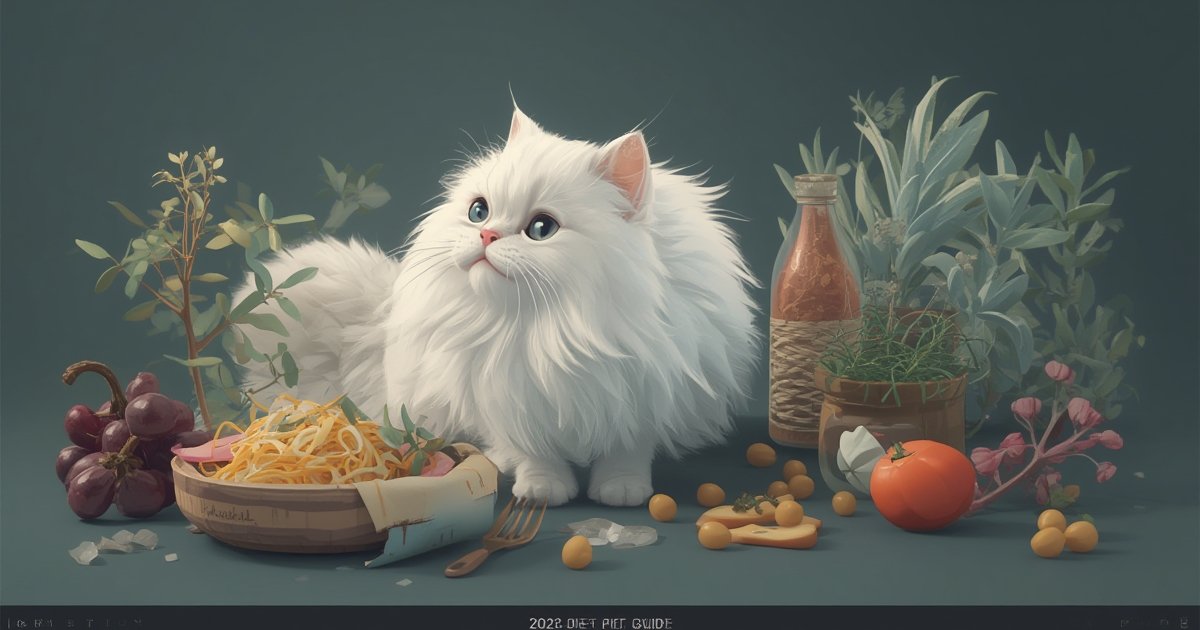
Meta Description: Discover the ultimate Persian cat diet guide for 2026. Learn about tailored nutrition, essential ingredients, portion control, and top food choices to keep your beloved Persian healthy and thriving.
Understanding the Unique Nutritional Needs of Persian Cats
The stunning beauty and gentle temperament of Persian cats have captivated hearts for centuries. However, their distinctive features, such as their long, luxurious coats and brachycephalic (flat) faces, come with specific nutritional considerations. Providing an optimal Persian diet is crucial for their overall health, longevity, and quality of life. Without proper nutrition, these magnificent felines can face various health challenges that diminish their comfort and vitality.
A tailored feeding plan goes beyond just offering any commercial cat food. It involves understanding the breed’s predispositions and ensuring their dietary intake supports their unique physiological structure. For instance, their flat faces can make eating certain kibble shapes difficult, and their dense fur demands specific nutrients for skin and coat health. Moreover, Persians can be prone to certain genetic conditions, like Polycystic Kidney Disease (PKD) and Hypertrophic Cardiomyopathy (HCM), which a carefully managed Persian diet can help mitigate or manage.
The foundation of a healthy Persian diet lies in providing high-quality, balanced nutrition. This means focusing on ingredients that are easily digestible and rich in essential nutrients. Regular consultation with your veterinarian is key to customizing this diet to your cat’s specific age, activity level, and health status.
Key Nutritional Components for a Healthy Persian Diet
A truly optimal Persian diet is built upon several fundamental nutritional pillars. Understanding these components is the first step toward crafting a diet that supports every aspect of your Persian cat’s health. Their carnivorous nature dictates a specific macronutrient profile that differs significantly from omnivores.
High-Quality Animal Protein
As obligate carnivores, Persian cats require a diet rich in animal-based protein. This is the cornerstone of their energy, muscle maintenance, and tissue repair. Look for whole meat sources like chicken, turkey, beef, or fish as the first ingredients in any commercial food.
Amino acids, derived from these proteins, are vital for various bodily functions, including enzyme production and immune system support. A diet lacking sufficient high-quality protein can lead to muscle wasting, a dull coat, and weakened immunity. Aim for cat foods with at least 30-40% crude protein, primarily from animal sources, to ensure their needs are met.
Essential Fatty Acids
Fats are not just an energy source; essential fatty acids, particularly Omega-3 and Omega-6, are critical for a Persian cat’s skin and coat health. These fats contribute to a shiny, luxurious coat and reduce dryness and flakiness of the skin. They also play a role in reducing inflammation and supporting cognitive function.
Sources like fish oil (salmon, sardine), flaxseed oil, and chicken fat are beneficial. Ensure the diet provides a balanced ratio of these fatty acids. Healthy fats also make food more palatable and aid in the absorption of fat-soluble vitamins.
Controlled Carbohydrates and Fiber
While cats don’t have a high dietary requirement for carbohydrates, a small amount can provide energy. However, excessive carbohydrates, especially from grains, can contribute to obesity and digestive issues in some cats. Opt for cat foods with lower carbohydrate content and easily digestible sources like peas, sweet potatoes, or a small amount of rice.
Fiber is important for digestive health, helping to regulate bowel movements and prevent constipation. It also aids in managing hairballs, a common issue for long-haired breeds. Good fiber sources include psyllium husk, beet pulp, and certain vegetables.
Vitamins, Minerals, and Water
A complete Persian diet must include a balanced array of vitamins and minerals to support bone health, immune function, vision, and energy metabolism. Calcium, phosphorus, taurine (an essential amino acid for feline heart and eye health), and vitamins A, D, E, and B complex are all crucial. Always ensure that any commercial food chosen is “complete and balanced” according to AAFCO (Association of American Feed Control Officials) standards.
Finally, hydration cannot be overstated. Cats naturally have a low thirst drive, and their ancestors often obtained most of their water from prey. Providing multiple fresh water sources, including fountains, and incorporating wet food into their diet is vital for kidney and urinary tract health.
Navigating Commercial Cat Foods: Wet, Dry, and Raw Options
Choosing the right type of food for your Persian can feel overwhelming with the myriad of options available. Each type of commercial cat food – dry, wet, and raw – offers distinct advantages and disadvantages, and the best Persian diet often involves a combination tailored to individual needs.
Dry Kibble
Dry kibble is convenient, cost-effective, and can help with dental hygiene by reducing plaque buildup through chewing. For Persian cats, specially designed kibble with a shape and size that accommodates their brachycephalic jaw is essential to prevent difficulty eating and choking. However, dry food contains significantly less moisture than wet food, which can be a concern for cats prone to urinary issues. It also tends to be higher in carbohydrates.
Wet Food (Canned or Pouched)
Wet food is an excellent source of hydration, typically containing 70-80% moisture. This high moisture content is highly beneficial for kidney and urinary tract health, a common concern for many cat breeds, including Persians. It is also often more palatable and can be a good option for picky eaters or cats with dental problems. Wet food typically has higher protein and lower carbohydrate content than dry kibble. The main drawbacks are higher cost and the need for refrigeration after opening.
Raw or Home-Cooked Diets
Raw (BARF – Biologically Appropriate Raw Food) or home-cooked diets aim to mimic a cat’s natural ancestral diet. Proponents suggest benefits such as improved digestion, coat health, and increased energy. However, these diets require meticulous research, preparation, and supplementation to ensure they are nutritionally complete and balanced. Without expert guidance, there is a significant risk of nutritional deficiencies or bacterial contamination (e.g., Salmonella), which can be dangerous for both the cat and human household members. This type of Persian diet should only be attempted under strict veterinary supervision and with recipes formulated by a board-certified veterinary nutritionist.
Comparing Premium Cat Food Brands for Your Persian Diet
When selecting commercial cat food, always prioritize quality ingredients, AAFCO statements, and formulations specifically designed for breed-specific needs or life stages. Here’s a comparison of some premium brands often recommended for their quality and suitability for breeds like Persians, although individual suitability may vary.
| Product | Price | Pros | Cons | Best For |
|---|---|---|---|---|
| Royal Canin Persian Adult Dry Food | $40-$70 (7-15 lbs) | Specifically designed kibble shape for brachycephalic jaws, supports long coat health. | Contains grains, may not suit cats with sensitivities. | Persian cats requiring breed-specific kibble and coat support. |
| Wellness CORE Grain-Free Wet Cat Food | $2.50-$4.00 per can | High protein, grain-free, excellent moisture content, diverse flavors. | Can be more expensive, some cats may prefer specific textures. | Cats needing high moisture, grain-free options, and superior protein. |
| Orijen Original Cat Dry Food | $35-$60 (4-12 lbs) | Biologically appropriate, high fresh meat inclusion, regional ingredients. | High protein might be too rich for sensitive stomachs, premium price point. | Cats thriving on high-protein, meat-rich, biologically appropriate diets. |
| Instinct Raw Boost Mixers Freeze-Dried Raw | $15-$25 (5.5 oz bag) | Adds raw nutrition to kibble, highly palatable, diverse protein sources. | Supplemental only, not a complete meal, higher cost per serving. | Enhancing kibble, introducing raw elements safely, picky eaters. |
Mastering Portion Control and Feeding Schedules for Your Persian
Even the most nutritionally perfect Persian diet can lead to problems if not managed correctly in terms of quantity and frequency. Obesity is a significant health concern for domestic cats, including Persians, leading to issues like diabetes, joint problems, and reduced mobility. Proper portion control and a consistent feeding schedule are paramount for maintaining your Persian’s ideal weight and digestive health.
Calculating the Right Portions
The amount of food your Persian needs depends on several factors: their age, activity level, weight, and metabolic rate. Kittens require more calories for growth, while adult cats need energy for maintenance, and senior cats might need fewer calories due to decreased activity or specialized diets for age-related conditions. Always refer to the feeding guidelines on the cat food packaging as a starting point.
However, these are just general guidelines. It’s crucial to monitor your cat’s body condition score (BCS) regularly. You should be able to feel their ribs easily without seeing them, and they should have a discernible waist. If you’re unsure, your veterinarian can help you determine the ideal weight and calorie intake for your individual Persian. Overfeeding, even by a small amount each day, can quickly lead to weight gain.
Establishing a Feeding Schedule
While some cats can manage free-feeding (leaving food out all day), this approach often leads to overeating, especially in households with multiple pets or if your Persian is prone to gaining weight. Scheduled meal times offer better control over portions and can help prevent obesity.
Most adult cats do well with two to three meals per day. For example, feeding in the morning and evening provides consistent energy and allows you to monitor their appetite. If your cat doesn’t finish their food within 15-20 minutes, remove it to prevent spoilage and discourage picky eating habits. This structured approach to the Persian diet also allows you to quickly notice any changes in appetite, which can be an early indicator of health issues.
Monitoring and Adjusting
Regular weigh-ins are a simple yet effective way to track your Persian’s progress. A gradual weight gain or loss may indicate that their current diet or portion sizes need adjustment. If you notice significant changes, consult your veterinarian to rule out underlying medical conditions before making drastic dietary changes. Their long coats can sometimes mask weight changes, making hands-on assessment even more important. Remember, consistency is key to a successful Persian diet plan.
Addressing Common Health Concerns Through a Tailored Persian Diet
Persian cats, despite their majestic appearance, are predisposed to certain health issues that can often be managed or even mitigated through a carefully tailored diet. Understanding these common concerns and how nutrition plays a role is vital for their long-term well-being. A specialized Persian diet can be a powerful tool in preventive care.
Digestive Sensitivity and Hairballs
Many Persians have sensitive digestive systems, manifesting as vomiting, diarrhea, or constipation. Their long coats also make them highly susceptible to hairball formation. To address these issues, look for cat foods formulated with easily digestible ingredients, often containing prebiotics and probiotics to support gut flora balance. Increased fiber content is crucial for moving ingested hair through the digestive tract. Specific hairball control formulas often contain a blend of fibers that help reduce the incidence of hairballs.
Urinary Tract Health
Feline Lower Urinary Tract Disease (FLUTD), including bladder stones and cystitis, can be a concern for cats, especially males. A Persian diet that supports urinary health typically features high moisture content (which increases urine volume and dilutes minerals) and controlled levels of minerals like magnesium and phosphorus. These mineral levels help maintain an optimal urinary pH, reducing the risk of crystal formation. Wet food is generally recommended over dry kibble for cats prone to urinary issues due to its hydrating properties.
Kidney Health Considerations
Persian cats are genetically predisposed to Polycystic Kidney Disease (PKD). While diet cannot prevent PKD, for cats diagnosed with kidney disease, dietary management becomes critical. A renal diet usually involves restricted phosphorus and moderate, high-quality protein to reduce the workload on the kidneys. It’s imperative to work with your veterinarian to formulate a specific Persian diet plan if your cat is diagnosed with kidney issues, as inappropriate dietary restrictions can cause more harm.
Weight Management
As discussed, obesity is a prevalent issue. An overweight Persian is at higher risk for diabetes, arthritis, and heart disease. A weight management Persian diet focuses on controlled calorie intake, often through specific “light” or “weight control” formulas that are lower in fat and calories but still provide essential nutrients. Increasing physical activity through play also complements dietary efforts. Consistency in portion control and scheduled meals is vital for successful weight loss and maintenance.
By proactively selecting a diet that addresses these breed-specific and common feline health concerns, you can significantly contribute to your Persian cat’s quality of life. Regular veterinary check-ups remain essential to monitor their health and adjust their dietary plan as needed.
The Role of Supplements, Treats, and Hydration in Your Persian’s Diet
While a complete and balanced commercial cat food forms the foundation of a healthy Persian diet, there are additional elements to consider. Supplements, treats, and most importantly, hydration, all play a significant role in rounding out your Persian’s nutritional profile and overall well-being.
Strategic Use of Supplements
For most healthy cats on a high-quality, complete, and balanced commercial diet, supplements are generally not necessary. However, in specific situations, a veterinarian might recommend them.
– Omega-3 Fatty Acids: Beneficial for skin and coat health, especially for long-haired Persians, and can have anti-inflammatory properties. Fish oil supplements are a common source.
– Probiotics: Can aid in digestive health, particularly for cats with sensitive stomachs or during periods of stress or antibiotic use.
– Joint Supplements: For older Persians or those predisposed to arthritis, supplements like glucosamine and chondroitin can support joint health.
– Hairball Remedies: While diet can help, some cats may benefit from specific hairball gels or supplements that help lubricate the digestive tract.
Always consult your veterinarian before adding any supplements to your Persian diet to ensure they are appropriate and correctly dosed, as excessive supplementation can be harmful.
Treats: In Moderation and Mindfully Chosen
Treats are a wonderful way to bond with your Persian cat, reward good behavior, or administer medication. However, they should always be given in moderation. Treats should constitute no more than 10% of your cat’s daily caloric intake to prevent nutritional imbalances and weight gain.
– Choose healthy treats: Opt for single-ingredient treats like freeze-dried chicken, or specifically formulated low-calorie cat treats.
– Avoid human foods: Many human foods are toxic to cats (e.g., chocolate, onions, garlic), and even safe foods can be too rich or high in calories.
– Use treats strategically: Use them for training or enrichment rather than just as an extra snack.
Prioritizing Hydration
Hydration is arguably one of the most critical, yet often overlooked, aspects of a healthy Persian diet. Cats have a naturally low thirst drive, which can lead to chronic mild dehydration, stressing their kidneys and urinary tract over time.
– Multiple Water Sources: Place several water bowls around the house, ensuring they are clean and fresh daily. Cats often prefer ceramic or stainless steel bowls over plastic.
– Water Fountains: Many cats are attracted to moving water, making pet drinking fountains an excellent investment. The running water is often cooler and filtered, appealing to their natural instincts.
– Wet Food: As mentioned, incorporating wet food into your Persian’s diet significantly boosts their daily water intake.
– Monitor Water Intake: Pay attention to how much your cat is drinking. A sudden increase or decrease can be a sign of a health issue, warranting a vet visit. Adequate hydration is foundational to preventing a host of health problems, particularly urinary and kidney diseases, making it an indispensable part of any sound Persian diet plan.
Providing a holistic approach that includes high-quality food, carefully considered supplements, appropriate treats, and diligent hydration will ensure your beloved Persian cat thrives for years to come.
Understanding and implementing the optimal Persian diet is a profound act of care that directly impacts your cat’s longevity, energy, and happiness. From selecting the right blend of proteins and fats to mastering portion control and ensuring consistent hydration, every dietary choice contributes to their overall vitality. By being proactive and informed, you can effectively manage their unique needs and mitigate common health predispositions. Remember, a well-fed Persian is not just a healthy Persian; it’s a vibrant, contented companion who will grace your life with their regal presence for many years. Start implementing these guidelines today, and consult your veterinarian for personalized advice to ensure your furry friend receives the best possible nutrition.
Frequently Asked Questions About the Persian Cat Diet
What is the best type of food for a Persian cat?
The best type of food for a Persian cat is a high-quality, complete, and balanced commercial diet, often a combination of wet and dry food. Wet food provides crucial hydration, while specially shaped dry kibble can help with their brachycephalic jaw and dental health. Always prioritize animal-based protein as the first ingredient.
How much should I feed my Persian cat?
The amount of food depends on your Persian’s age, weight, activity level, and metabolic rate. Always refer to the feeding guidelines on the specific food packaging as a starting point. It’s crucial to monitor their body condition and adjust portions to maintain an ideal weight, consulting your veterinarian for personalized recommendations.
Are there any foods I should avoid feeding my Persian cat?
Yes, avoid human foods like chocolate, onions, garlic, grapes, raisins, alcohol, and excessive amounts of dairy or fatty foods, as they can be toxic or cause digestive upset. Always ensure their primary diet is formulated specifically for cats and meets AAFCO standards.
How can I prevent hairballs through my Persian’s diet?
For long-haired Persians, a diet rich in fiber can help manage hairballs by promoting the passage of ingested hair through the digestive tract. Look for cat foods with “hairball control” formulations or consider fiber supplements like psyllium husk, under veterinary guidance. Regular grooming is also essential.
Is a raw diet safe for Persian cats?
A raw diet can offer benefits but also carries risks of nutritional imbalances and bacterial contamination if not prepared correctly. If considering a raw diet for your Persian, it is absolutely essential to work with a board-certified veterinary nutritionist to ensure it is complete, balanced, and safely prepared.
Leave a Reply