

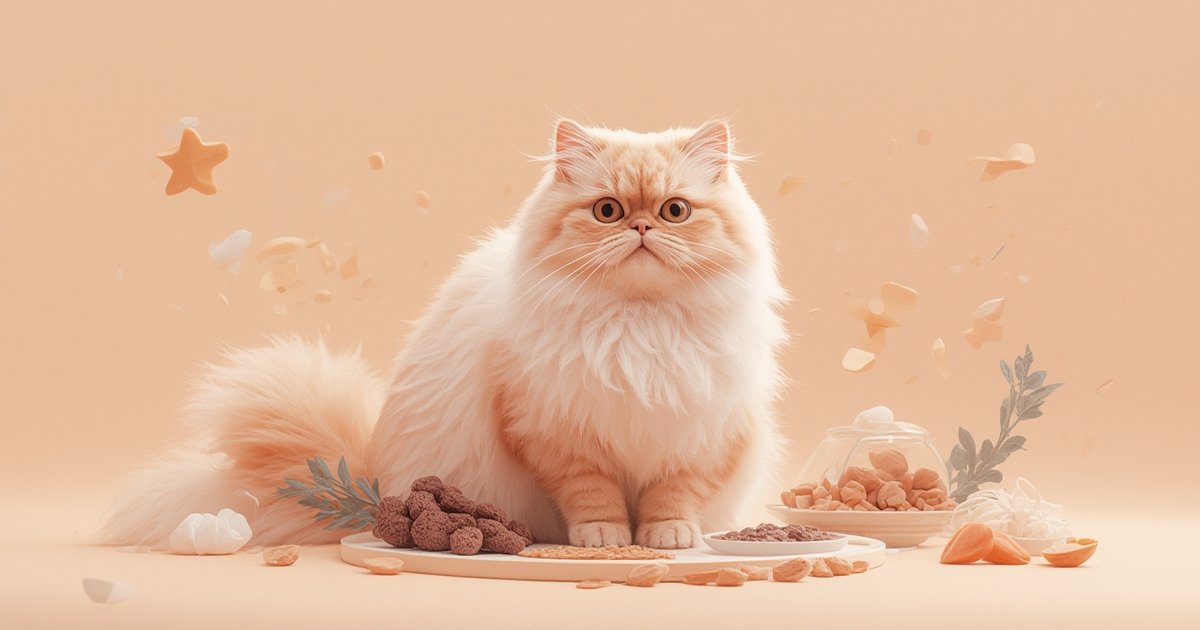
Unlock the 2026 nutrition secrets for your Persian cat. Discover key dietary needs, food choices, and hydration tips to ensure your beloved feline thrives.
Is your beloved Persian cat truly thriving, radiating health from their luxurious coat to their contented purr? Many Persian owners grapple with ensuring their feline companions receive optimal care, and the cornerstone of that care is undoubtedly proper Persian Nutrition. The unique genetics and physical characteristics of this magnificent breed demand a specialized approach to their diet, one that goes beyond generic cat food recommendations. In 2026, our understanding of feline dietary science has advanced significantly, offering new insights and strategies to keep your long-haired friend in peak condition.
This comprehensive guide will reveal the essential nutrition secrets for Persian cats, empowering you with the knowledge to craft a diet that supports their distinctive needs, prevents common health issues, and enhances their overall well-being. From selecting the right ingredients to understanding portion control and managing breed-specific challenges, we’ll delve deep into how you can provide the best possible Persian Nutrition for a long, happy life.
Understanding the Unique Dietary Needs of Persian Cats
Persian cats are renowned for their majestic appearance, characterized by a flattened face (brachycephalic), long flowing coat, and a generally placid temperament. These beautiful traits, however, come with specific considerations for their diet and lifestyle. Understanding these unique needs is the first step toward providing superior Persian Nutrition.
Their brachycephalic facial structure can make eating and drinking challenging. Kibble size and shape must be carefully considered to prevent discomfort or aspiration. Flat-faced cats often struggle with picking up small pieces of food, which can lead to inefficient eating and potential digestive issues.
The luxuriant long coat of a Persian cat is another major factor influencing their dietary requirements. Regular grooming is essential, but proper nutrition plays an equally vital role in maintaining coat health and managing hairballs. A diet rich in specific nutrients can reduce shedding and promote a healthy skin barrier.
Persians can also be prone to certain health conditions, including polycystic kidney disease (PKD), dental issues due to jaw structure, and digestive sensitivities. A well-planned diet can help mitigate the risk or manage the symptoms of these predispositions, highlighting the critical role of thoughtful Persian Nutrition.
Key Nutritional Pillars for Thriving Persian Cats in 2026
To ensure your Persian cat thrives, their diet must be built upon several key nutritional pillars. These foundations support everything from energy levels to immune function and coat brilliance. Focusing on these elements ensures comprehensive Persian Nutrition.
High-Quality Protein Sources
Cats are obligate carnivores, meaning their bodies are designed to derive nutrients primarily from animal sources. High-quality animal protein is paramount for Persians, supporting muscle mass, tissue repair, and overall vitality. Look for foods where meat is the first ingredient.
Excellent protein sources include chicken, turkey, fish, and beef. The protein content should be substantial, typically above 30-35% on a dry matter basis for adult cats. Young, growing kittens and pregnant or lactating queens may require even higher levels to support their rapid development or milk production.
Beneficial Fats for Skin and Coat
Fats are not just an energy source; specific fats, particularly Omega-3 and Omega-6 fatty acids, are crucial for skin health and maintaining a lustrous Persian coat. These essential fatty acids reduce inflammation, promote skin barrier function, and give their long hair that coveted silky shine.
Sources like fish oil (salmon, sardine), flaxseed oil, and chicken fat are beneficial. A balanced ratio of Omega-3 to Omega-6 is important, often found in high-quality commercial cat foods designed for skin and coat health. These fats are indispensable for optimal Persian Nutrition.
Controlled Carbohydrates and Fiber
While cats don’t have a high dietary need for carbohydrates, digestible complex carbohydrates can provide energy and fiber. However, excessive carbohydrates, especially simple sugars, should be avoided. A diet high in fillers can lead to weight gain and other health issues.
Fiber is essential for digestive health and, particularly for Persians, for managing hairballs. Ingredients like beet pulp, psyllium husk, and certain vegetables provide soluble and insoluble fiber, helping ingested hair pass through the digestive tract smoothly. This aspect of Persian Nutrition is often overlooked but incredibly important.
Vitamins, Minerals, and Hydration
A complete and balanced diet will include all essential vitamins and minerals, such as Vitamin A, B vitamins, Vitamin E, calcium, phosphorus, and taurine. Taurine is an amino acid vital for feline heart and eye health and must be supplemented in their diet as cats cannot produce it sufficiently.
Hydration is arguably one of the most critical, yet often neglected, aspects of Persian Nutrition. Cats naturally have a low thirst drive, and their ancestors derived most of their moisture from prey. Ensuring adequate water intake is crucial for kidney health, urinary tract function, and overall metabolic processes. Wet food can significantly contribute to their daily water intake.
Choosing the Best Food for Optimal Persian Nutrition
Selecting the right food for your Persian cat can seem overwhelming given the vast array of options available. However, focusing on quality ingredients and suitability for their unique needs will simplify the process and enhance their Persian Nutrition.
When evaluating cat food, prioritize products with real meat as the first ingredient. Avoid foods with excessive fillers, artificial colors, flavors, or by-products. Understanding the difference between dry and wet food, as well as specialized diets, is key.
Dry vs. Wet Food: Pros and Cons
Dry kibble is convenient, can help with dental hygiene (though less effectively than dedicated dental diets), and is generally more affordable. However, its low moisture content can be a drawback for cats, especially those prone to urinary issues. For Persians, the kibble size and shape must be designed for their brachycephalic mouths.
Wet food, or canned food, provides essential moisture, which is excellent for hydration and urinary tract health. It’s often more palatable and can be a good option for picky eaters or cats needing to gain weight. The downside is it’s usually more expensive and spoils quickly once opened.
Grain-Free vs. Limited Ingredient Diets
The “grain-free” trend has been popular, but grains themselves are not inherently bad for cats unless they have a specific allergy. The focus should be on overall ingredient quality. Limited Ingredient Diets (LIDs) are excellent for Persians with food sensitivities or allergies, as they reduce the number of potential irritants.
Always consult with your veterinarian before making significant dietary changes, especially if you suspect your cat has allergies or sensitivities. They can guide you toward the most appropriate Persian Nutrition plan.
Life Stage Considerations
A Persian kitten has different nutritional needs than an adult or senior Persian. Kittens require higher protein and fat for growth, while senior cats may benefit from diets that support joint health and kidney function with controlled phosphorus levels. Always choose a food formulated for your cat’s specific life stage.
Comparison of Advanced Hydration and Feeding Systems
In 2026, technology plays an increasing role in optimizing pet care. Smart feeders and advanced hydration systems can be invaluable tools for ensuring your Persian receives consistent, controlled Persian Nutrition and stays adequately hydrated, especially when you’re not home. These gadgets can help manage portion sizes, schedule feedings, and even encourage water intake.
| Product | Price | Pros | Cons | Best For |
|---|---|---|---|---|
| Dax AI Smart Feeder Pro | $189 | Programmable meal times & portions, app control, slow-feed option. | Requires Wi-Fi, higher initial cost. | Portion control, scheduled feeding, busy owners. |
| AquaFlow Ceramic Pet Fountain | $65 | Multiple water flow settings, encourages drinking, quiet operation. | Requires regular cleaning, can be heavy. | Increased hydration, picky drinkers. |
| PawsPal Automated Gravity Feeder | $35 | Simple, no electricity needed, affordable, large capacity. | No portion control, food can become stale. | Budget-conscious, always-available food, less precise feeding. |
Addressing Common Health Challenges Through Advanced Persian Nutrition
Persian cats, like many purebreds, can be predisposed to certain health issues. Fortunately, many of these challenges can be effectively managed or even prevented through targeted Persian Nutrition strategies and careful dietary planning.
Hairball Management
Due to their long, dense coats, Persians are notorious for hairballs. While regular grooming is essential, diet plays a crucial role. Foods rich in fiber, particularly specific blends of soluble and insoluble fibers, help ingested hair pass through the digestive tract rather than forming problematic hairballs. Omega fatty acids also contribute by promoting a healthy coat and reducing excessive shedding.
Dental Health
The brachycephalic structure of a Persian’s face can contribute to crowded teeth, making them more susceptible to dental issues like plaque, tartar buildup, and gum disease. While dry kibble alone isn’t a substitute for dental care, specially formulated dental diets with larger, textured kibble can help mechanically clean teeth. Regular professional dental cleanings and at-home brushing are also vital components of comprehensive care.
Weight Management
A sedentary lifestyle combined with free-feeding can lead to obesity in Persian cats, which in turn can exacerbate other health problems like diabetes, arthritis, and heart disease. Precise portion control, scheduled feeding, and a diet appropriate for their activity level are critical for weight management. Your vet can help determine an ideal weight and caloric intake for your individual cat.
Digestive Sensitivities
Some Persians can have sensitive stomachs, manifesting as vomiting, diarrhea, or upset. Limited ingredient diets with novel protein sources (like duck or venison) can be beneficial. Prebiotics and probiotics, either in their food or as supplements, can support a healthy gut microbiome, improving digestion and nutrient absorption. This is a vital aspect of their Persian Nutrition.
Kidney and Urinary Tract Health
Persians can be predisposed to polycystic kidney disease (PKD) and other urinary tract issues. Adequate hydration is paramount. Feeding a high-moisture diet (wet food) and encouraging water intake with fountains or multiple water bowls can significantly reduce the risk of urinary crystals and support kidney function. Diets with controlled mineral levels (e.g., magnesium, phosphorus) are also important.
The Role of Supplements and Hydration in 2026 Persian Nutrition Strategies
While a high-quality, complete, and balanced cat food should meet most of your Persian cat’s nutritional needs, specific supplements and focused hydration techniques can further enhance their health and address particular concerns. This specialized approach elevates their Persian Nutrition.
Omega Fatty Acids
Even if their food contains omegas, additional supplementation of Omega-3 fatty acids (EPA and DHA) can be beneficial, especially for coat health, reducing inflammation, and supporting joint and cognitive function. Fish oil supplements, specifically formulated for pets, are a common and effective choice. Always choose a reputable brand and discuss dosage with your vet.
Probiotics
For Persians with digestive sensitivities, or during periods of stress or antibiotic use, a probiotic supplement can help maintain a healthy balance of gut bacteria. Probiotics can improve digestion, nutrient absorption, and bolster the immune system. Look for pet-specific probiotic strains.
Joint Supplements
As Persians age, or if they have a predisposition to orthopedic issues, joint supplements containing glucosamine and chondroitin can help support cartilage health and reduce discomfort. These are particularly useful for maintaining mobility and quality of life in senior cats.
Importance of Water Intake
We cannot overstate the importance of hydration for Persian cats. Beyond simply having a bowl of water available, you need to actively encourage drinking. Techniques include:
– Offering multiple water bowls in different locations around the house.
– Using ceramic or stainless steel bowls, which many cats prefer over plastic.
– Investing in a pet water fountain, as many cats are attracted to flowing water.
– Adding a splash of tuna juice (in water, not oil) or low-sodium chicken broth to their water to entice them.
– Feeding primarily wet food, which has a moisture content of around 70-80%.
Monitoring your cat’s water intake is a key part of their ongoing health assessment and ensures effective Persian Nutrition.
Customizing Your Persian Cat’s Meal Plan for Peak Health
Every Persian cat is an individual, with unique needs based on age, activity level, health status, and even personal preferences. A truly effective Persian Nutrition plan is therefore always customized. This tailored approach ensures your cat receives precisely what they need to thrive.
Consulting with a Veterinarian
The most crucial step in customizing your cat’s diet is a consultation with your veterinarian. They can assess your cat’s current health, identify any underlying conditions, and provide personalized recommendations. Your vet can help calculate precise caloric needs, suggest therapeutic diets if necessary, and advise on appropriate supplements. This expert guidance is invaluable for optimizing Persian Nutrition.
Monitoring Weight and Activity
Regularly weigh your Persian cat and monitor their body condition. You should be able to feel their ribs with light pressure, but not see them prominently. Adjust food portions based on whether they are gaining, losing, or maintaining an ideal weight. Keep track of their activity levels; a less active cat will require fewer calories than a playful, energetic one.
Adjusting for Age and Activity Level
A young, rapidly growing kitten will have different energy and nutrient requirements than a spayed/neutered adult or a sedentary senior. As your Persian ages, their metabolism slows, and their needs may shift, potentially requiring senior-specific formulas or diets aimed at joint and kidney support. Active cats will naturally burn more calories and might need slightly larger portions or more energy-dense food.
Transitioning Foods Gradually
If you need to change your Persian cat’s food, do so gradually over 7-10 days. Start by mixing a small amount of the new food with their old food, gradually increasing the proportion of the new food while decreasing the old. This slow transition helps prevent digestive upset and allows your cat to adjust to the new taste and texture.
Providing optimal Persian Nutrition is an ongoing journey of observation, adjustment, and collaboration with your veterinarian. By staying informed and proactive, you can ensure your elegant companion enjoys a life filled with vitality and purrs.
Ensuring your Persian cat thrives means dedicating attention to their unique dietary requirements and embracing advanced Persian Nutrition strategies. From selecting high-quality protein and beneficial fats to managing hydration and addressing specific health challenges, every aspect of their diet contributes to their overall well-being. By understanding their brachycephalic structure, long coat needs, and potential health predispositions, you can tailor a meal plan that supports their vibrant life.
Remember, a well-nourished Persian is a happy Persian, gleaming with health and vitality. Prioritizing their nutrition is the most profound way to show your love and commitment to their long-term health. Don’t leave their health to chance; make informed choices that will help them flourish for years to come.
Want to learn more? Connect with our pet nutrition experts today via email at info@daxai.com or call us at (800) 123-4567 for personalized advice.
Frequently Asked Questions (FAQ)
How often should I feed my Persian cat?
Most adult Persian cats benefit from being fed two to three times a day. Kittens require more frequent small meals throughout the day. Scheduled feeding helps manage weight, allows for portion control, and creates a routine. Free-feeding can lead to obesity.
What foods should I avoid giving my Persian cat?
Avoid human foods like chocolate, grapes, raisins, onions, garlic, alcohol, raw dough, and excessive amounts of fatty scraps. Bones are also dangerous. Stick to cat-specific foods formulated for their dietary needs to ensure proper Persian Nutrition.
Is a raw food diet safe for Persian cats?
While some owners opt for raw diets, they come with risks, including bacterial contamination and nutritional imbalances if not prepared correctly. If considering a raw diet, consult with a veterinary nutritionist to ensure it’s complete, balanced, and safely prepared. For most owners, high-quality commercial cat food is a safer and more practical option.
How can I encourage my Persian cat to drink more water?
Cats often prefer fresh, moving water. Consider a pet water fountain. Place multiple water bowls around the house, ensuring they are clean and refilled daily. Some cats prefer ceramic or glass bowls. Adding a small amount of low-sodium broth to water can also entice them.
My Persian cat is a picky eater. What can I do?
Picky eating can be a challenge. Try offering a variety of high-quality wet foods with different textures and flavors. Warming food slightly can enhance its aroma and appeal. Ensure feeding times are consistent and that the food is fresh. Rule out any underlying medical issues with a vet visit, as pickiness can sometimes signal a health problem affecting their Persian Nutrition.
Leave a Reply