

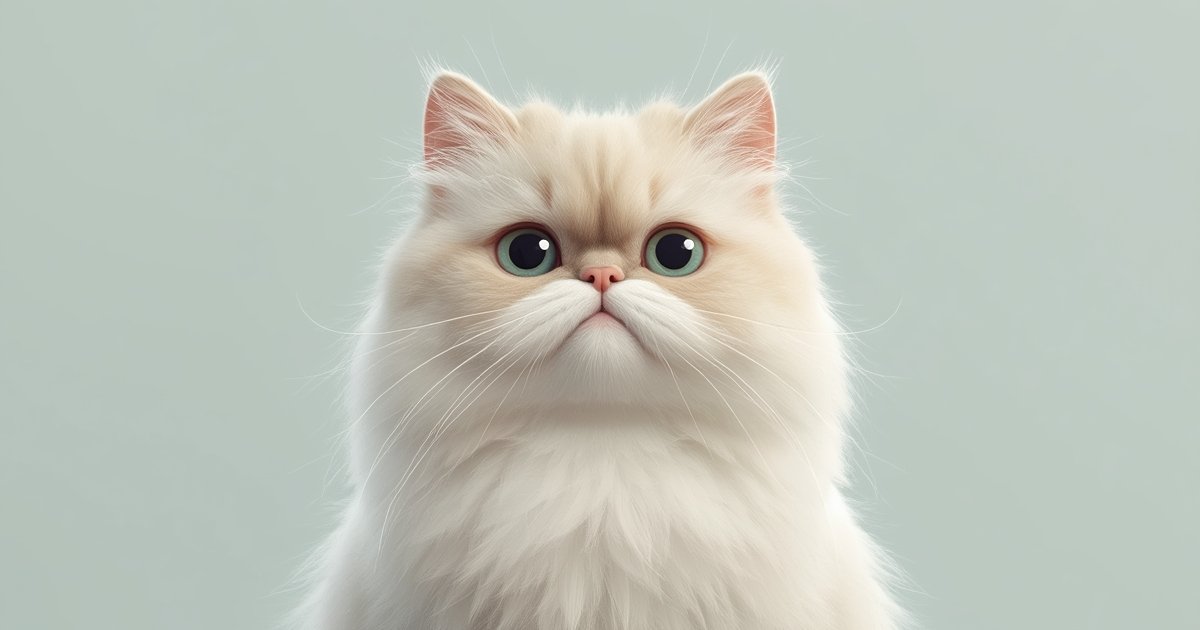
Discover the unique Persian cat personality, from their calm demeanor to their quirky habits. Our guide helps you understand and appreciate the charming traits of these beautiful feline companions.
The Regal Demeanor: Calm and Affectionate Companions
The moment you meet a Persian cat, their striking appearance immediately captures attention. Beyond their luxurious coats and expressive eyes, lies a distinct Persian personality that is both enchanting and unique. This breed is renowned for its calm and gentle disposition, often earning them the nickname “furniture with fur” due to their placid nature.
Unlike some high-energy breeds, the Persian cat personality gravitates towards quiet comfort. They are not typically found scaling curtains or tearing through the house in wild bursts of energy. Instead, they prefer to observe their surroundings from a cozy perch, soaking in the peace and quiet of their home environment.
Understanding the Persian Personality’s Gentle Nature
A hallmark of the Persian personality is their profound gentleness. They approach interactions with a soft touch, rarely displaying aggression or excessive boisterousness. This makes them wonderful companions for individuals or families who appreciate a tranquil home life.
Their affection is often expressed subtly. While they might not be lap cats in the traditional sense, demanding constant attention, they thrive on quiet companionship. A Persian might choose to sit beside you, offering a reassuring presence, or follow you from room to room simply to be in your vicinity. This understated affection is a core part of the Persian personality.
They are known for being incredibly adaptable, particularly to indoor living. Their calm demeanor means they are content within the confines of a comfortable home, making them ideal pets for apartment dwellers or those with smaller living spaces. Their minimal need for outdoor exploration also protects their delicate coats from dirt and tangles.
More Than Just a Pretty Face: Playful & Intelligent Traits
While often perceived as serene and somewhat aloof, the Persian cat personality also holds a delightful capacity for play and intelligence. Their play style might differ from more boisterous breeds, but it is no less engaging or entertaining for those who understand it.
They possess a quiet curiosity and an inquisitive nature. You might find a Persian subtly batting at a toy under a blanket or intently watching a feather wand. Their engagement is often more deliberate and thoughtful than frantic, showcasing a different facet of their charming character.
Unveiling Their Playful Side
The playfulness of a Persian cat is often understated and graceful. They enjoy interactive toys that stimulate their minds without requiring excessive physical exertion. Laser pointers, feather wands, and soft, crinkly balls are often favorites.
They might not chase a toy for hours, but they will engage in focused bursts of play. These sessions are crucial for their mental and physical well-being, providing an outlet for their natural hunting instincts in a controlled environment. Understanding this aspect of the Persian personality helps owners provide appropriate enrichment.
Persians also exhibit a surprising intelligence. They are quick to learn routines, recognize their owners’ voices, and even communicate their needs through soft meows or subtle body language. Their observant nature means they often seem to be taking everything in, processing information with a quiet wisdom that belies their sometimes-stoic expression.
The Grooming Ritual: A Key to Their Well-being and Your Bond
Understanding the Persian personality extends beyond their temperament to their physical needs, particularly their extensive grooming requirements. Their iconic long, dense coats are truly magnificent, but they demand consistent care. This isn’t just about aesthetics; regular grooming is vital for their health and comfort, and it also strengthens the bond between cat and owner.
Neglecting their coat can lead to painful mats, skin issues, and discomfort, which can in turn affect their overall mood and health. Therefore, the grooming routine becomes an essential part of daily life with a Persian, a ritual that both you and your cat will come to appreciate.
Comparison of Essential Grooming Tools for Persian Cats
Selecting the right grooming tools is paramount for maintaining a Persian’s coat without causing discomfort. Different tools serve different purposes, from detangling to removing loose undercoat. Here’s a comparison of some must-have items:
| Product | Price | Pros | Cons | Best For |
|---|---|---|---|---|
| Slicker Brush | $10-$25 | Excellent for removing loose fur and detangling superficial mats. Gentle on the skin. | Can pull too much if not used carefully; not ideal for very deep mats. | Daily brushing, removing shedding hair. |
| Metal Comb (Wide & Fine Toothed) | $8-$20 | Essential for checking for mats, working through knots, and reaching deeper layers of fur. | Can be uncomfortable if used on large mats; requires patience. | Detailed detangling, mat detection, finishing touches. |
| Mat Splitter/Dematter | $15-$30 | Specifically designed to safely cut through tight mats without pulling too much fur. | Requires careful handling to avoid skin injury; not for novice groomers. | Breaking down severe mats that cannot be brushed out. |
| Cat Nail Clippers | $7-$18 | Keeps claws trimmed, preventing painful ingrown nails and scratches. | Risk of cutting the quick if not careful; can be stressful for some cats. | Regular nail maintenance. |
| Pet Wipes/Waterless Shampoo | $10-$20 | Quick clean-ups, freshening coat between baths, especially around the face. | Not a substitute for full bathing; may leave some residue. | Spot cleaning, managing tear stains, quick refresh. |
Daily Brushing Techniques
A consistent daily brushing routine is the cornerstone of Persian coat care. Start with a wide-toothed comb to gently untangle any superficial knots. Follow this with a slicker brush, working in small sections, moving with the grain of the fur.
Always be gentle, especially around sensitive areas like the belly, armpits, and behind the ears, where mats are most likely to form. This daily interaction also reinforces your bond and allows you to check for any skin irritations or parasites.
Bathing and Mat Prevention
While daily brushing is vital, Persian cats typically require occasional baths, usually once every 4-6 weeks, to keep their coats clean and free of oils that can contribute to matting. Use a cat-specific shampoo and conditioner to protect their skin and fur.
Thoroughly rinse all shampoo to prevent skin irritation. After bathing, gently towel-dry, then use a hairdryer on a low, cool setting while brushing to ensure the coat is completely dry, which is critical for preventing new mats from forming.
Social Butterflies or Solitary Souls? Navigating Their Social Preferences
One of the most intriguing aspects of the Persian personality is their nuanced approach to social interaction. While they are undoubtedly affectionate with their chosen family, their definition of “social” can be quite distinct from other breeds. Understanding these preferences is key to creating a harmonious environment for them.
They are not typically the life of the party, but they are also not entirely solitary. Their social inclinations lie somewhere in between, characterized by a preference for calm interactions and a gentle presence.
The Nuances of Persian Cat Personality in Social Settings
The Persian personality truly shines when they feel secure and comfortable in their environment. With their primary caregivers, they can be deeply devoted, seeking out quiet moments of affection and companionship. They often form strong bonds with one or two individuals, becoming very attuned to their routines and moods.
When it comes to other pets, a Persian cat’s reaction is largely dependent on individual temperament and early socialization. Many Persians can coexist peacefully with other calm cats or even gentle dogs, provided they are introduced slowly and given their own space. They typically avoid confrontation, preferring to retreat if feeling overwhelmed.
Children and strangers present another interesting dynamic. Persians generally do well with older, respectful children who understand how to interact gently with a cat. Very young, boisterous children might inadvertently stress a Persian, as their calm nature makes them less tolerant of loud noises or rough play. Similarly, while they may tolerate guests, they are unlikely to be the first to greet newcomers, often preferring to observe from a distance until they feel comfortable.
Their independence is also a notable trait of the Persian personality. While they enjoy company, they are perfectly content to entertain themselves or simply nap for extended periods. This makes them an excellent choice for individuals who may have busy schedules but still desire a loving, low-maintenance companion in terms of constant interaction.
Common Misconceptions and Realities of the Persian Personality
Like many distinctive breeds, the Persian cat often falls victim to common misconceptions. These can lead to misunderstandings of their true nature and capabilities. Dispelling these myths is crucial to appreciating the full spectrum of the Persian personality.
By understanding what they are and what they are not, prospective and current owners can provide a more suitable and enriching environment for these magnificent felines. Let’s explore some of the most frequent misinterpretations.
Not “Lazy” but Calm and Energy-Efficient
One of the most prevalent misconceptions is that Persian cats are lazy. While it’s true they enjoy napping and have a generally low activity level compared to, say, an Abyssinian, this shouldn’t be equated with laziness. The Persian personality is inherently calm and composed, preferring measured movements over frantic activity.
Their energy is conserved and expended purposefully. They will engage in play, explore their territory, and interact with family, but these activities are often interspersed with long periods of rest. This calm demeanor makes them wonderfully soothing companions, not inactive ones.
Not “Stupid” but Selectively Engaged
Another unfair label sometimes placed on Persians is that they are not particularly intelligent. This couldn’t be further from the truth. The Persian personality possesses a quiet intelligence, manifested in their observational skills, ability to learn routines, and subtle communication.
They may not perform complex tricks on command, but they are highly adaptable and understand their environment well. Their perceived “lack of engagement” is often a preference for selective interaction rather than a cognitive deficit. They engage on their own terms and when they choose to, which is a sign of independent thinking.
High Maintenance (Grooming) vs. Low Maintenance (Energy)
The term “high maintenance” is often thrown around when discussing Persian cats, largely due to their intensive grooming needs. It is true that their long coats require daily attention to prevent mats and ensure their comfort. This aspect of care is non-negotiable and requires a significant time commitment.
However, when considering their energy levels and demands for constant interaction, the Persian personality can actually be quite low maintenance. They are generally content indoors, don’t require extensive exercise, and are not typically destructive. This balance means that while one area demands significant attention, others demand very little, making them suitable for various lifestyles.
Embracing the Unique Charm of Your Persian Companion
The Persian personality is a tapestry woven with threads of calm affection, subtle playfulness, and understated intelligence. They are a breed that truly embodies grace and tranquility, offering a unique companionship that enriches the lives of those who understand and appreciate their particular quirks.
From their dignified composure to their surprisingly playful moments, every aspect of their character contributes to their endearing charm. Providing them with consistent grooming, a peaceful environment, and respectful interaction will ensure your Persian thrives and continues to be a cherished member of your family.
We hope this guide has helped you unmask the beautiful complexities of the Persian personality. If you’re considering welcoming a Persian into your home, we encourage you to delve deeper into breed-specific care and temperament to ensure a perfect match. Explore our other articles on cat breeds and behavior to become an even better pet parent!
For further questions or personalized advice, feel free to reach out to our team via our contact page. We’re always here to help you and your feline friends.
Frequently Asked Questions About Persian Cats
Do Persian cats get along with other pets?
Yes, Persian cats can typically coexist peacefully with other calm cats and gentle dogs, especially if introduced slowly and given their own space. Their non-confrontational nature means they usually prefer to avoid conflict.
Are Persian cats good for first-time cat owners?
While their calm temperament is appealing, their extensive daily grooming requirements can be a challenge for first-time owners. If a first-timer is committed to regular grooming, a Persian can be a wonderful companion.
How much attention do Persian cats need?
Persian cats appreciate companionship but are also quite independent. They don’t demand constant attention but enjoy quiet presence and gentle interaction. Daily grooming sessions also serve as a bonding time.
Do Persian cats shed a lot?
Yes, Persian cats are known for shedding due to their long, dense double coats. Daily brushing is essential to manage shedding, prevent mats, and keep their fur healthy and beautiful.
What is the typical lifespan of a Persian cat?
With proper care, diet, and regular veterinary check-ups, Persian cats typically live between 12 to 15 years, though some can live even longer.
Leave a Reply