

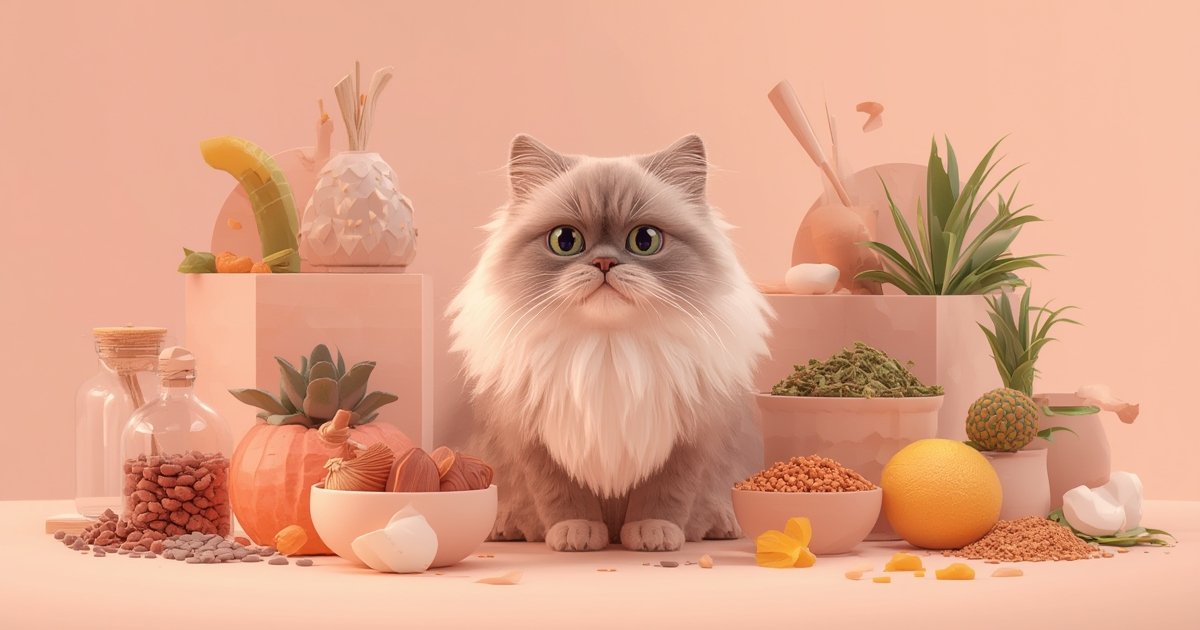
Meta Description: Discover the top 7 secret Persian Superfoods for a vibrant, healthy 2026. Elevate your Persian cat’s diet with these essential nutrients and tips.
Persian cats, with their luxurious coats and distinguished demeanor, are more than just pets; they are cherished family members deserving of the very best. Their unique genetics and physical traits, from their long fur to their brachycephalic features, mean they have specific health considerations that a general diet might overlook. To ensure your fluffy companion thrives, embracing a diet rich in essential nutrients is paramount. This is where the power of Persian Superfoods comes into play, offering targeted benefits to support everything from their luscious coat to their delicate digestive system.
As we look towards 2026, understanding how to optimize your Persian’s nutrition becomes even more crucial. Providing a diet that not only meets their basic needs but actively enhances their health and longevity can make a world of difference. Integrating specific Persian Superfoods can bridge nutritional gaps and provide an extra layer of wellness for these magnificent felines.
The Unique Nutritional Needs of Persian Cats
Persian cats are renowned for their striking appearance, but beneath that beautiful exterior lies a complex set of nutritional requirements. Their long, dense fur demands a diet rich in omega fatty acids, biotin, and other skin and coat-supporting nutrients to prevent matting, reduce shedding, and maintain its lustrous sheen. Without adequate dietary support, their coat can become dry, brittle, and prone to hairballs.
Their distinctive facial structure, known as brachycephaly, can sometimes lead to dental issues and make eating certain kibble shapes challenging. This means careful consideration of food texture and size is necessary. Moreover, their typically less active lifestyle compared to other breeds necessitates a diet that supports a healthy weight without excessive calories, minimizing the risk of obesity-related health problems.
Digestive sensitivity is another common concern for Persian cats. Many owners report issues like sensitive stomachs, loose stools, or frequent hairball regurgitation. A diet incorporating easily digestible ingredients and plenty of fiber is key to promoting a healthy gut microbiome and ensuring smooth digestion. The right Persian Superfoods can play a pivotal role in addressing these unique challenges.
Ultimately, a Persian cat’s diet should be a cornerstone of their overall health strategy, tailored to support their specific breed characteristics and promote a long, happy life. Focusing on high-quality proteins, healthy fats, and targeted supplements can help mitigate common breed-specific issues and elevate their wellness.
Decoding the “Superfood” Concept for Feline Health
The term “superfood” often conjures images of exotic fruits and vegetables touted for human health benefits. For our feline companions, especially discerning Persians, the concept is similar but applied to ingredients that offer exceptional nutritional density and targeted health advantages. These aren’t just any foods; they are powerhouses of vitamins, minerals, antioxidants, and beneficial compounds that go beyond basic sustenance.
For cats, true superfoods are typically whole, unprocessed ingredients that support specific bodily functions – from boosting immunity and promoting healthy skin and coat to aiding digestion and supporting joint health. Unlike humans, cats are obligate carnivores, meaning their dietary needs are primarily met through animal-based proteins and fats. Therefore, feline superfoods will often include animal products or plant-based options that are safe and beneficial in moderation.
Introducing Persian Superfoods into your cat’s diet isn’t about replacing their main diet but rather supplementing it to enhance overall well-being. These additions can fill potential nutritional gaps, provide therapeutic benefits, and contribute to a more vibrant and energetic life. Always remember to introduce new foods gradually and in appropriate, small quantities, consulting with your vet to ensure suitability for your individual cat.
The goal is to provide targeted nutrition that addresses the specific predispositions and needs of Persian cats, helping them maintain their iconic beauty and robust health. Understanding the “why” behind each superfood helps owners make informed decisions for their cherished pets.
Top 7 Secret Persian Superfoods for Optimal Health
Here are seven exceptional Persian Superfoods that can significantly enhance your beloved cat’s diet, offering a range of benefits tailored to their unique needs and ensuring they lead a truly posh life.
1. Salmon Oil: The Omega Powerhouse
Salmon oil is a superstar when it comes to feline health, particularly for a Persian’s luscious coat. Rich in Omega-3 fatty acids, specifically EPA and DHA, it acts as a powerful anti-inflammatory. These essential fatty acids are crucial for maintaining healthy skin and a shiny, soft coat, helping to reduce shedding and improve overall skin hydration. They also contribute to joint health, vital for an active cat as they age.
Beyond skin and coat, Omega-3s support cognitive function and heart health. Just a small, measured amount added to their daily meal can make a noticeable difference in their vitality. Ensure you choose a high-quality, mercury-free salmon oil specifically formulated for pets.
2. Pumpkin: Digestive Dynamo
Pure, canned pumpkin (not pumpkin pie filling) is an incredible source of fiber for cats. Its high fiber content can work wonders for digestive health, whether your Persian is experiencing mild constipation or loose stools. It helps regulate bowel movements and can be particularly beneficial for managing hairballs by aiding their passage through the digestive tract.
Pumpkin is also low in calories and packed with vitamins A, C, and E, as well as minerals like potassium. A teaspoon or two mixed into their food a few times a week can significantly improve gut health and reduce hairball issues, making it an excellent Persian Superfood.
3. Blueberries: Antioxidant Boost
Small but mighty, blueberries are loaded with antioxidants, particularly anthocyanins, which combat free radicals and support a robust immune system. While cats don’t typically crave fruit, a few mashed blueberries can be a beneficial addition in moderation. They contribute to overall cellular health and can help reduce inflammation.
Blueberries also contain vitamins C and K, and manganese. Offering a few fresh or frozen (thawed) blueberries, mashed and mixed into their food, can provide a healthy boost without adding excessive sugar. Always introduce new foods slowly.
4. Cooked Eggs: Protein Perfection
Eggs are often hailed as a complete protein source, and for good reason. They contain all the essential amino acids cats need for muscle maintenance, tissue repair, and overall growth. Cooked eggs are also packed with vitamins A, D, E, and B vitamins, as well as minerals like iron and selenium.
Feeding your Persian cat a small amount of cooked egg, such as scrambled or hard-boiled, provides highly digestible protein and beneficial fats. Ensure the eggs are thoroughly cooked to eliminate any risk of salmonella and avoid raw egg whites, which contain avidin that can interfere with biotin absorption.
5. Chicken Livers: Nutrient-Dense Delicacy
Organ meats like chicken liver are incredibly nutrient-dense, making them a fantastic Persian Superfood. Livers are rich in Vitamin A, an essential nutrient for vision, immune function, and skin health. They also provide a significant amount of B vitamins (especially B12 and folate), iron, and copper, all vital for energy production and red blood cell formation.
Offer small, cooked pieces of chicken liver as an occasional treat or mixed into their food. Due to their high Vitamin A content, moderation is key to prevent hypervitaminosis A. A small piece once or twice a week is usually sufficient to provide a beneficial boost.
6. Spirulina: Green Goodness
Spirulina, a type of blue-green algae, is a potent superfood known for its impressive nutrient profile. It’s rich in protein, B vitamins, iron, and trace minerals, and contains gamma-linolenic acid (GLA), which has anti-inflammatory properties. For Persian cats, spirulina can support immune function, detoxification, and potentially improve skin and coat health due to its nutrient density.
Available in powder form, a tiny pinch can be added to your cat’s wet food. Always start with a very small amount and observe your cat’s reaction. Spirulina is a powerful supplement, and consistency with small doses is more effective than large, infrequent ones.
7. Bone Broth: Joint & Gut Support
Homemade bone broth, simmered slowly to extract collagen, amino acids, and minerals, is a soothing and nourishing addition to any cat’s diet. It’s excellent for gut health, helping to heal and seal the gut lining, which can be beneficial for cats with digestive sensitivities. The collagen also supports healthy joints, skin, and fur.
Ensure the broth is made from plain bones (chicken, beef, or turkey) without onions, garlic, or excessive salt, as these are toxic to cats. A few tablespoons of warm, plain bone broth can be added to their dry or wet food, especially beneficial for older cats or those recovering from illness. It’s a gentle yet powerful Persian Superfood.
Incorporating Persian Superfoods into Their Diet Safely
Introducing new foods, even beneficial Persian Superfoods, into your cat’s diet requires a careful and gradual approach. Cats can be sensitive to dietary changes, and sudden alterations can lead to digestive upset. The key is moderation and observation.
Start with very small quantities, adding just a tiny amount to their regular food. Monitor your Persian for any signs of discomfort, such as vomiting, diarrhea, or changes in appetite. If they respond well, you can slowly increase the amount to the recommended dosage over several days or even a week. Each cat is an individual, and what works for one may not work for another.
Always ensure the superfoods are prepared appropriately. For example, eggs and organ meats must be cooked thoroughly. Pumpkin should be pure, plain, and canned, not pie filling. Blueberries should be mashed. If you’re using supplements like salmon oil or spirulina, follow the dosage instructions carefully, often based on your cat’s weight. Over-supplementation can be just as harmful as deficiency.
Perhaps the most crucial step is to consult with your veterinarian before making significant changes to your cat’s diet, especially if they have any pre-existing health conditions or are on medication. Your vet can provide personalized advice and ensure that the chosen Persian Superfoods are appropriate and won’t interfere with their current health regimen. This partnership with your vet ensures the safest and most effective nutritional strategy.
Choosing Quality Supplements and Food for Your Persian
Beyond whole food Persian Superfoods, the market offers a wide array of specialized diets and nutritional supplements designed to enhance feline health. Selecting the right products for your Persian cat involves understanding their unique needs and discerning quality from marketing hype. Look for foods specifically formulated for long-haired breeds or those addressing sensitive digestion, often featuring higher levels of Omega fatty acids and easily digestible proteins.
When it comes to supplements, purity and source are paramount. For example, with salmon oil, ensure it’s wild-caught and tested for heavy metals. For powdered supplements like spirulina, look for organic certification and reputable manufacturers. Always check the ingredient list for fillers, artificial colors, or preservatives that offer no nutritional value and could be harmful to your cat. Prioritize transparency in sourcing and manufacturing practices.
Comparison of Top Feline Nutritional Supplements
| Product | Price | Pros | Cons | Best For |
|---|---|---|---|---|
| Nordic Naturals Omega-3 Pet | $25-$35 | High-quality, purified fish oil; supports skin, coat, joints, and heart. Third-party tested for purity. | Can be expensive; some cats dislike the fishy smell. Requires refrigeration after opening. | All cats, especially those with dull coats, skin issues, or joint stiffness. |
| Purina FortiFlora Probiotic Supplement | $20-$30 | Contains beneficial probiotics to support gut health and immune system. Easy to sprinkle on food. | May not be suitable for all digestive issues; some cats might not tolerate the flavor. | Cats with digestive sensitivities, loose stools, or during antibiotic treatment. |
| Nutri-Vet Hairball Aid Gel | $10-$15 | Helps prevent and eliminate hairballs with a palatable taste. Contains omega fatty acids for skin and coat. | Contains petrolatum, which some owners prefer to avoid. Can be messy to administer. | Long-haired cats prone to frequent hairballs and regurgitation. |
| Zesty Paws Pure Wild Alaskan Salmon Oil | $18-$28 | Made from wild-caught Alaskan salmon, rich in EPA & DHA. Supports skin, coat, and cognitive function. | Pump dispenser can sometimes clog or leak. Strong salmon scent may not appeal to all cats. | Persian cats needing extra coat luster, joint support, or immune boost. |
Remember that supplements are intended to complement a balanced diet, not replace it. A high-quality base diet, enriched with carefully selected Persian Superfoods and appropriate supplements, provides the best foundation for your cat’s health. Always choose products that align with your vet’s recommendations and your cat’s specific health profile.
Beyond Superfoods: Holistic Care for a Posh Persian
While Persian Superfoods form a critical part of their well-being, a truly posh Persian cat life encompasses a holistic approach to care. Nutrition is foundational, but it’s intertwined with other crucial aspects that contribute to their overall health, happiness, and distinctive charm. Neglecting any one area can undermine the benefits gained from a superior diet.
Grooming is paramount for Persians. Their long, fine coats are prone to matting and require daily brushing to prevent tangles and remove loose fur, which helps reduce hairball ingestion. Regular bathing with cat-specific shampoos is also essential to keep their coat clean and healthy. Eye care is also crucial due to their flat faces, which can lead to tear staining; gentle daily cleaning around the eyes helps prevent irritation and infection.
A stimulating and safe environment is another key factor. Persian cats thrive on routine and comfort. Provide them with clean litter boxes, comfortable resting spots, and safe toys that encourage gentle play. While not as active as some breeds, mental stimulation through interactive play and puzzle feeders can prevent boredom and maintain cognitive health. A calm and loving home atmosphere reduces stress, which in turn supports a strong immune system and overall well-being.
Regular veterinary check-ups are non-negotiable. Even with a perfect diet and meticulous home care, routine professional assessments are vital for early detection of potential health issues. Your vet can monitor their weight, dental health, and discuss any concerns related to their breed-specific predispositions. This proactive approach, combined with the power of Persian Superfoods, ensures your cherished companion lives a long, healthy, and truly posh life.
Embarking on a journey to optimize your Persian cat’s diet with these seven secret superfoods can truly transform their health and vitality. From promoting a gleaming coat to supporting robust digestion and a strong immune system, each superfood offers unique benefits tailored to the specific needs of this magnificent breed. Remember that consistency, moderation, and quality are key to successful dietary enhancements. By integrating these powerful nutrients and combining them with holistic care, you are not just feeding your cat; you are investing in their long-term well-being and happiness for 2026 and beyond. A thriving Persian is a happy Persian, radiating health and elegance.
For more in-depth advice tailored to your Persian’s unique needs, connect with us or consult your trusted veterinarian.
Frequently Asked Questions (FAQ)
Are all superfoods safe for Persian cats?
While many superfoods offer excellent benefits, not all are safe or appropriate for cats. Always research thoroughly or consult your veterinarian before introducing any new food item. For instance, while some fruits are beneficial, others like grapes or avocados are toxic to cats. Ensure the superfoods are prepared without harmful additives like onions or garlic.
How often should I feed my Persian superfoods?
The frequency depends on the specific superfood and your cat’s individual needs. Most superfoods, especially those high in certain vitamins or minerals, should be offered in moderation, often a few times a week rather than daily. For example, salmon oil might be a daily supplement, while chicken liver is better as an occasional treat. Always follow dosage guidelines and your vet’s advice.
Can superfoods replace my cat’s regular diet?
No, superfoods are meant to supplement, not replace, a complete and balanced commercial cat food diet or a properly formulated homemade diet. They provide targeted nutritional boosts and address specific concerns, but they do not offer all the essential nutrients in the correct ratios that a cat needs for daily sustenance. Think of them as beneficial additions to an already sound nutritional foundation.
What if my Persian cat refuses to eat a superfood?
Cats can be picky eaters! If your Persian refuses a superfood, don’t force it. Try different preparation methods, such as mashing, pureeing, or mixing a tiny amount into their favorite wet food. You can also try offering different superfoods until you find one they enjoy. Some cats simply won’t like certain textures or tastes, and that’s perfectly normal.
Are there any specific Persian Superfoods to avoid for cats with certain health conditions?
Absolutely. For example, cats with kidney disease may need to limit protein and phosphorus, so high-protein superfoods like liver might need to be restricted. Cats with pancreatitis may need a low-fat diet, making some oils less suitable. Always discuss your cat’s specific health conditions with your veterinarian, as they can provide tailored dietary recommendations and advise on appropriate Persian Superfoods.
Leave a Reply