

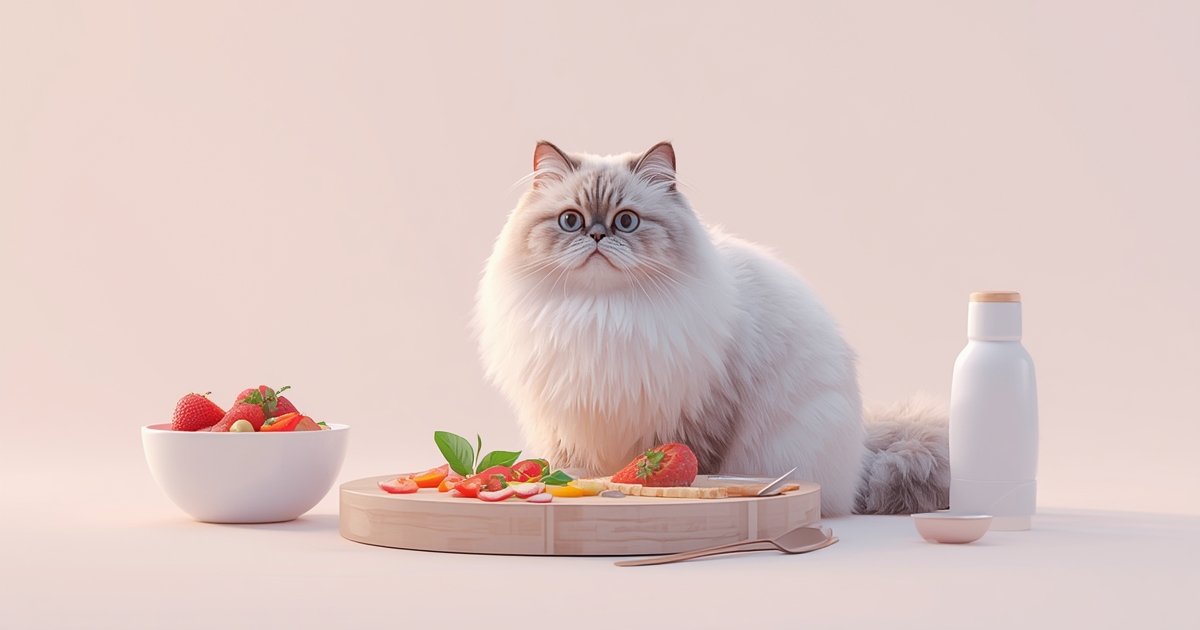
Meta Description: Unlock the secrets to optimal health for your Persian cat in 2026. This ultimate Persian Diet guide offers tailored nutrition, essential tips, and expert advice for a vibrant life.
Understanding Your Persian Cat’s Unique Nutritional Needs
Persian cats are renowned for their majestic coats, sweet dispositions, and distinctive flat faces. While their beauty is undeniable, these unique characteristics also mean they have specific dietary requirements that differ from other breeds. Providing an appropriate Persian Diet is not just about feeding them; it’s about fueling their health, maintaining their luxurious fur, and supporting their overall well-being for a long and happy life.
Their brachycephalic (flat) facial structure can make eating challenging, requiring specially shaped kibble or wet food that is easier to pick up. Additionally, their long, dense coats demand a diet rich in specific nutrients to prevent matting, reduce shedding, and maintain its lustrous quality. Digestive sensitivities are also common among Persians, necessitating a diet that is gentle on their systems and promotes healthy gut flora.
Beyond these physical traits, Persian cats are also prone to certain health conditions that can be managed or exacerbated by their nutrition. These include urinary tract issues, hairballs due to excessive grooming, and even dental problems. A thoughtfully constructed Persian Diet can be a powerful preventative measure, helping to mitigate these risks and ensure your beloved companion thrives.
The Impact of Age and Activity on Dietary Needs
A Persian cat’s nutritional requirements evolve throughout their life. A playful, growing kitten needs a high-calorie, protein-rich diet to support rapid development, while an adult Persian requires a balanced maintenance diet to sustain energy levels and prevent obesity. Senior Persians, on the other hand, may benefit from diets that are easier to digest, lower in calories, and fortified with joint-supporting nutrients.
Activity level also plays a crucial role. An indoor Persian cat with a relaxed lifestyle will have different caloric needs than one who is more active, even if still primarily indoors. Overfeeding can lead to weight gain, which can exacerbate existing health issues and reduce mobility. Conversely, underfeeding can result in nutrient deficiencies and loss of muscle mass. Tailoring the Persian Diet to these individual factors is paramount.
The Core Components of an Optimal Persian Diet
Building the ideal Persian Diet involves understanding the essential macronutrients and micronutrients that every cat, especially a Persian, needs. Cats are obligate carnivores, meaning meat must form the cornerstone of their nutrition. Their bodies are designed to process and thrive on animal-based protein.
High-Quality Animal Protein
Protein is vital for muscle development, tissue repair, enzyme production, and a strong immune system. For Persians, high-quality animal protein sources like chicken, turkey, fish, and beef should be at the top of the ingredient list in any chosen food. Look for named meat meals (e.g., “chicken meal” rather than “meat meal”) as they indicate a specific, quality source.
A diet rich in protein also helps maintain a healthy weight by promoting satiety and supporting lean muscle mass. For a healthy Persian Diet, ensure protein makes up a significant percentage of their food, typically 30-40% or more on a dry matter basis.
Essential Fats and Fatty Acids
Fats are a concentrated source of energy and play a critical role in nutrient absorption, hormone production, and maintaining skin and coat health. Omega-3 and Omega-6 fatty acids are particularly important for Persians. Omega-3s, found in fish oil and flaxseed, help reduce inflammation and are crucial for skin integrity and coat luster. Omega-6s, from sources like chicken fat, support skin barrier function.
These essential fatty acids are key to preventing dry, flaky skin and promoting that iconic silky Persian coat. Without adequate fats, a Persian’s fur can become dull, brittle, and prone to matting. The right balance of these fats is a cornerstone of a truly healthy Persian Diet.
Vitamins, Minerals, and Fiber
While needed in smaller amounts, vitamins and minerals are indispensable for every bodily function, from bone health to vision and immune response. A balanced commercial cat food formulated for Persians will typically contain all the necessary vitamins and minerals. Key vitamins include Vitamin A for vision, D for bone health, and the B-complex vitamins for metabolism.
Minerals like calcium and phosphorus are crucial for skeletal strength, while iron supports blood health. Fiber, though not a nutrient for cats, is essential for digestive health and preventing hairballs, a common issue for long-haired breeds. Look for moderate levels of digestible fiber sources like beet pulp or psyllium husk in your chosen Persian Diet.
Choosing the Best Commercial Foods for Your Persian
With countless options on the market, selecting the right commercial cat food for your Persian can feel overwhelming. The key is to look for foods specifically formulated for long-haired breeds or those with sensitive stomachs, and always prioritize quality ingredients. Dry food, wet food, and raw food options each have their pros and cons when it comes to the Persian Diet.
Dry Kibble Considerations
Dry kibble can be convenient and cost-effective. For Persians, kibble shape is paramount. Many brands now offer specially designed kibble that is larger or uniquely shaped to facilitate easy pick-up by brachycephalic cats, reducing mess and frustration. Good quality dry food will also be fortified with hairball control formulas and skin and coat support nutrients.
However, dry food has a lower moisture content, so ensuring your Persian drinks enough water is crucial. Some Persians can be prone to urinary issues, and a dry-food-only Persian Diet might contribute to this if water intake is insufficient.
The Benefits of Wet Food
Wet food provides excellent hydration, which is beneficial for kidney and urinary tract health, common concerns for Persians. Its palatable texture can also be appealing to picky eaters. Many wet food formulas are also rich in animal protein and lower in carbohydrates, aligning well with a cat’s carnivorous needs.
A mixed feeding approach, combining both wet and dry food, can offer the best of both worlds – the dental benefits (to some extent) and convenience of dry food, coupled with the hydration and palatability of wet food. This can be an excellent strategy for optimizing the Persian Diet.
Raw and Home-Cooked Diets
Raw food diets, often referred to as Biologically Appropriate Raw Food (BARF) diets, aim to mimic a cat’s ancestral diet. Proponents believe they offer superior nutrition, better digestion, and improved coat health. However, raw diets require careful preparation to ensure nutritional completeness and safety, as they carry risks of bacterial contamination.
Home-cooked diets also offer control over ingredients but demand significant research and consultation with a veterinary nutritionist to ensure they are balanced. Without proper formulation, these diets can lead to serious nutrient deficiencies or excesses. If considering a raw or home-cooked Persian Diet, always work closely with a professional to avoid health complications.
Comparison of Top Persian Cat Food Brands
Choosing the right commercial food is a critical decision for your Persian’s health. Below is a comparison of some popular brands known for catering to the specific needs of long-haired breeds or those with sensitive systems, which are ideal considerations for a robust Persian Diet in 2026.
| Product | Price | Pros | Cons | Best For |
|---|---|---|---|---|
| Royal Canin Persian Adult Dry Food | $45-$70 (7lb bag) | Specially designed almond-shaped kibble for brachycephalic jaws; rich in Omega 3 & 6 for coat health; hairball reduction formula. | Can contain corn/wheat; some cats may find it less palatable than grain-free options. | Persian cats with typical facial structure needing coat and hairball support. |
| Hills Science Diet Hairball Control Adult Dry Cat Food | $40-$65 (7lb bag) | Natural fiber blend to reduce hairballs; high-quality protein for muscle maintenance; balanced nutrients for adult cats. | Kibble shape not specifically for brachycephalic breeds; contains grains. | Persians prone to hairballs and general health maintenance. |
| Blue Buffalo Wilderness Chicken Recipe Grain-Free Dry Cat Food | $50-$80 (10lb bag) | High protein, grain-free formula; contains LifeSource Bits (vitamins, minerals, antioxidants); no by-products or artificial ingredients. | Higher price point; kibble not specifically shaped for Persians; some cats may not tolerate grain-free diets. | Persians with grain sensitivities or owners preferring a high-protein, grain-free Persian Diet. |
| Wellness Core Grain-Free Indoor Chicken & Turkey Pate Wet Food | $25-$35 (12 x 5.5oz cans) | Excellent source of hydration; highly palatable; grain-free with essential vitamins and minerals; supports lean body mass. | More expensive per serving than dry food; requires refrigeration after opening. | Persians needing increased hydration, managing weight, or with dental issues. |
Supplements and Hydration: Beyond the Bowl
While a complete and balanced commercial food forms the foundation of a healthy Persian Diet, certain supplements and diligent hydration can further enhance your cat’s well-being. It’s crucial to discuss any supplement additions with your veterinarian to ensure they are appropriate and won’t interact negatively with existing conditions or medications.
Essential Supplements for Persians
– **Omega Fatty Acids:** Even if their food contains them, some Persians benefit from additional omega-3 fatty acids, particularly EPA and DHA from fish oil. These can significantly improve skin and coat health, reducing dryness, itching, and excessive shedding. They also have anti-inflammatory properties beneficial for joint health.
– **Hairball Remedies:** Due to their extensive grooming, hairballs are a constant concern for Persians. Gentle hairball pastes or supplements containing psyllium or other fibers can help hair pass through the digestive system more easily, preventing blockages. Regular brushing is also a key component of hairball prevention.
– **Probiotics:** For Persians with sensitive stomachs or occasional digestive upset, probiotics can help maintain a healthy balance of gut bacteria. A balanced gut flora is essential for nutrient absorption and a strong immune system. Always choose cat-specific probiotic formulations.
– **Joint Support:** As Persians age, they can be prone to joint issues. Supplements containing glucosamine and chondroitin can support cartilage health and reduce inflammation, promoting better mobility. This is an important consideration for the long-term Persian Diet plan of older cats.
The Critical Role of Hydration
Hydration is often overlooked but is absolutely vital for a Persian cat’s health, particularly for kidney and urinary tract function. Cats have a naturally low thirst drive, evolved from their desert-dwelling ancestors who got most of their water from prey. A dry-food-only Persian Diet puts them at a higher risk of chronic dehydration.
To encourage adequate water intake:
– **Multiple Water Stations:** Place several water bowls throughout the house in quiet, accessible locations. Ensure they are clean and refilled daily.
– **Ceramic or Stainless Steel Bowls:** Plastic bowls can harbor bacteria and impart strange tastes, deterring some cats. Use non-porous materials.
– **Water Fountains:** Many cats prefer moving water. A filtered pet fountain can entice them to drink more, as it mimics fresh running water.
– **Wet Food:** Incorporating wet food into the Persian Diet is one of the most effective ways to boost hydration naturally.
– **Flavor Enhancers (Sparingly):** A tiny bit of tuna juice (in water, not oil) or low-sodium chicken broth can sometimes encourage drinking, but use sparingly to avoid over-flavoring their water permanently.
Common Dietary Mistakes to Avoid (and How to Fix Them)
Even with the best intentions, owners can sometimes make mistakes that undermine their Persian cat’s health. Recognizing and correcting these missteps is key to maintaining an optimal Persian Diet.
Overfeeding and Obesity
Persian cats, especially less active indoor ones, are susceptible to weight gain. Obesity in cats can lead to serious health problems like diabetes, arthritis, and liver disease. A chunky Persian might look cute, but it’s not a healthy cat.
– **Fix:** Stick to precise portion sizes recommended by your vet or on the food packaging, adjusting for activity level. Use measuring cups, not guesswork. Avoid free-feeding; instead, offer meals at specific times. Limit treats to 10% of their daily caloric intake, if at all.
Ignoring Dental Health
Dental disease is rampant in cats, including Persians. Tartar buildup can lead to gingivitis, painful extractions, and even systemic health issues. While wet food is excellent for hydration, it doesn’t offer much dental abrasion.
– **Fix:** Incorporate dental-specific dry kibble or dental treats that help scrape away plaque. Regular tooth brushing with cat-specific toothpaste is the gold standard, ideally starting when they are kittens. Veterinary dental check-ups and cleanings are also crucial parts of maintaining a healthy Persian Diet and overall health.
Frequent Food Changes
Cats, particularly those with sensitive stomachs, do not handle sudden changes in diet well. Abrupt transitions can lead to digestive upset, vomiting, and diarrhea.
– **Fix:** When introducing a new food, do so gradually over 7-10 days. Start by mixing a small amount of the new food with their old food, slowly increasing the proportion of the new food each day until the transition is complete. This allows their digestive system to adjust smoothly.
Feeding Human Foods
While an occasional, tiny piece of plain cooked chicken might be okay, many human foods are toxic or unhealthy for cats. Foods like chocolate, grapes, onions, garlic, and even excessive amounts of tuna (not cat-specific) can cause serious health problems. The general Persian Diet should be focused on cat-specific nutrition.
– **Fix:** Avoid feeding human food as much as possible. If you must give a treat, stick to cat-specific treats or small amounts of plain, cooked lean meats. Educate yourself on foods that are toxic to cats.
Crafting a Personalized Persian Diet Plan for 2026
The journey to a healthy Persian in 2026 culminates in creating a personalized diet plan. This isn’t a one-size-fits-all approach; it requires understanding your individual cat’s needs, preferences, and any specific health considerations. Working closely with your veterinarian is crucial to developing the best Persian Diet strategy.
Consulting Your Veterinarian
Your vet is your best resource for tailored dietary advice. They can assess your cat’s current health, weight, age, activity level, and any underlying conditions. They can recommend specific food brands, discuss nutrient ratios, and advise on appropriate portion sizes. For cats with chronic conditions like kidney disease or diabetes, a prescription diet may be necessary.
Regular check-ups will allow your vet to monitor your Persian’s weight and overall health, making adjustments to the Persian Diet as needed. Don’t hesitate to ask questions about ingredients, feeding schedules, or any unusual symptoms you observe.
Monitoring and Adjusting
Once you’ve established a diet plan, continuous monitoring is key. Observe your Persian’s:
– **Energy Levels:** Are they playful and active, or lethargic?
– **Coat Condition:** Is it shiny and soft, or dull and oily/dry?
– **Stool Quality:** Is it firm and well-formed, or loose/too hard?
– **Weight:** Are they maintaining a healthy body condition score?
– **Appetite:** Are they eating regularly and enthusiastically?
Any significant changes in these areas could indicate a need to adjust their Persian Diet. Perhaps they need more fiber for hairballs, a different protein source for sensitivities, or a caloric adjustment for weight management. Be responsive to your cat’s signals.
Enrichment and Feeding Strategies
Beyond what you feed, how you feed can also impact your Persian’s health and happiness. Feeding can be an opportunity for mental enrichment.
– **Puzzle Feeders:** These toys dispense kibble slowly, making your cat work for their food. This can slow down eating, prevent boredom, and provide mental stimulation, especially for indoor cats.
– **Interactive Feeding:** Hide small portions of dry food around the house to encourage natural hunting behaviors. This can increase activity levels and make mealtime more engaging.
– **Scheduled Meals:** While some cats do well with free-feeding, scheduled meals can help manage weight, allow you to monitor intake, and strengthen the bond between you and your cat. For a truly optimized Persian Diet, structure is often beneficial.
The commitment to a healthy Persian Diet is one of the greatest gifts you can give your feline companion. By understanding their unique needs, choosing quality foods, ensuring proper hydration, avoiding common pitfalls, and working with your vet, you can ensure your Persian cat enjoys a vibrant, healthy, and happy life well into 2026 and beyond.
Prioritizing their nutrition will not only help them look magnificent but also feel their best, allowing their wonderful personality to shine through. Start today by reviewing your Persian’s current diet and considering how these guidelines can help you make informed choices for their optimal health.
For more personalized advice or to address specific health concerns, consult your veterinarian. They are your best resource for tailoring these general guidelines to your beloved Persian.
Frequently Asked Questions (FAQ)
How much should I feed my Persian cat?
The amount of food your Persian cat needs depends on their age, weight, activity level, and the caloric density of their food. Always refer to the feeding guidelines on the specific food packaging and consult your veterinarian for a personalized recommendation. It’s crucial to measure portions accurately to prevent overfeeding.
Is a grain-free diet better for my Persian cat?
Not necessarily. While some cats may have sensitivities to certain grains, many can digest them perfectly fine. Grain-free diets don’t automatically mean healthier; they simply replace grains with other carbohydrate sources like potatoes or peas. The most important factor is the overall quality and balance of ingredients, with high-quality animal protein being paramount for any Persian Diet. Consult your vet if you suspect a grain sensitivity.
How can I prevent hairballs in my long-haired Persian?
Hairball prevention involves a multi-faceted approach. Regular grooming (daily brushing) is essential to remove loose fur. A diet formulated for hairball control, typically high in fiber, can help. You can also use specific hairball remedies or supplements as recommended by your vet. Adequate hydration is also crucial for digestive transit.
Should I feed my Persian cat wet food, dry food, or both?
Many experts recommend a combination of both wet and dry food. Wet food provides crucial hydration, which is excellent for kidney and urinary health, and can be more palatable. Dry food offers convenience and can provide some dental benefits (depending on kibble design). A mixed Persian Diet often offers the best balance of benefits.
What human foods are safe for my Persian cat?
In general, it’s best to stick to cat-specific foods and treats. However, small amounts of plain, cooked lean meats like chicken, turkey, or fish (without seasoning or bones) can be given as an occasional treat. Always avoid foods like chocolate, onions, garlic, grapes, raisins, avocado, and dairy products, as these can be toxic or cause digestive upset.
Leave a Reply