

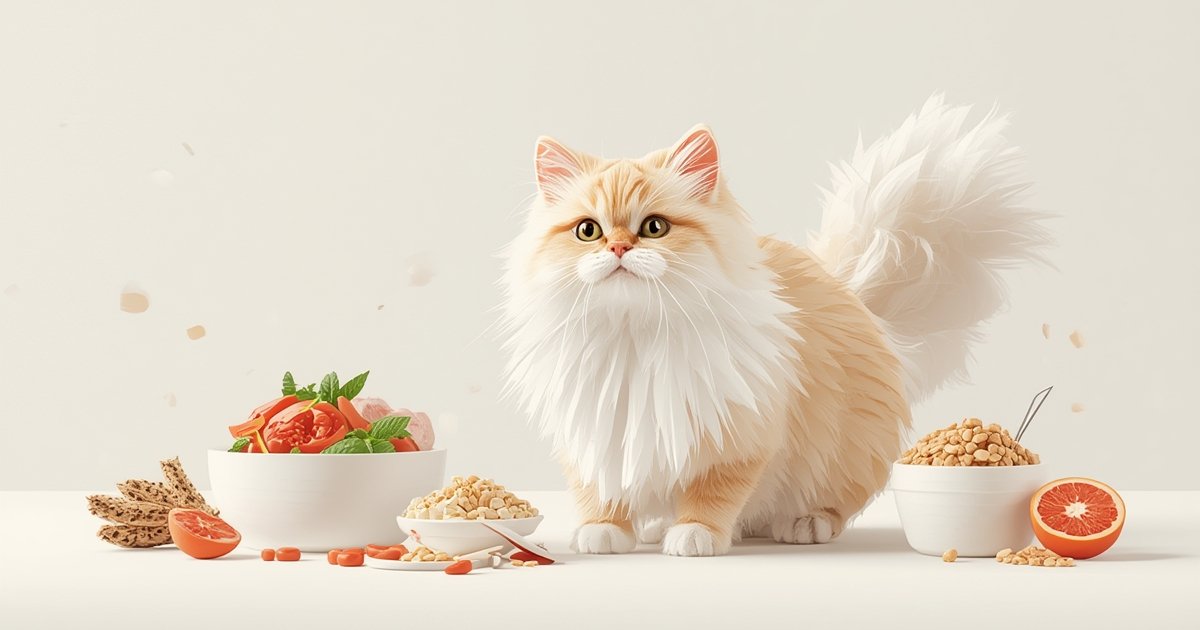
Discover the 2026 guide to optimal Persian cat nutrition. Learn practical tips, essential nutrients, and common diet mistakes for your beloved feline’s peak health. Focus: Persian Diet.
Understanding the Unique Nutritional Needs of Persian Cats
Persian cats, with their distinctive flat faces, luxurious long coats, and often serene demeanor, are truly magnificent companions. However, their unique physical characteristics mean they have equally unique dietary requirements. A well-tailored Persian Diet is not just about keeping them full; it’s about supporting their specific health needs, from maintaining that famous coat to aiding digestion.
The year 2026 brings new insights into feline nutrition, emphasizing personalized care. For Persian cats, this means understanding how their brachycephalic (flat) face impacts eating, how their long fur demands specific nutrients, and how their generally less active lifestyle affects their caloric needs. Neglecting these aspects can lead to a range of health issues, from dental problems to skin conditions and obesity.
Coat and Skin Health
The most striking feature of a Persian cat is undeniably their long, dense coat. This beautiful fur, however, is a major nutritional investment for their body. A proper Persian Diet must be rich in specific nutrients to support healthy skin and minimize shedding and matting. Without the right balance, their coat can become dull, brittle, and prone to skin irritations.
Essential fatty acids, particularly Omega-3 and Omega-6, are crucial for skin and coat health. These fats contribute to a shiny coat, reduce inflammation, and maintain the skin’s barrier function. Biotin, zinc, and various B vitamins also play significant roles in keratin production, which is the primary protein making up hair and nails. Ensuring these are present in their diet can dramatically improve coat quality.
Brachycephalic Challenges and Eating Habits
The flattened face of a Persian cat, while adorable, presents specific challenges when it comes to eating. Their shortened jaw and nasal passages can make it difficult to pick up and chew certain types of kibble. This often leads to messy eating habits, or worse, reluctance to eat if the food isn’t appropriately sized or textured. The right Persian Diet considers these anatomical limitations.
Food manufacturers have responded by developing kibble specifically designed for brachycephalic breeds, often shaped like crescents or discs, making it easier for them to scoop up and crunch. Wet food can also be an excellent option as it requires less chewing and contributes to hydration. Monitoring their eating is key to ensure they are consuming enough food and not struggling.
Energy Levels and Lifestyle Considerations
Persian cats are generally known for their calm and placid nature. They are often indoor cats, enjoying lounging and napping more than vigorous play. This lower energy expenditure means their caloric needs are typically less than those of more active breeds. An appropriate Persian Diet must account for this to prevent weight gain, a common issue in sedentary cats.
Overweight cats are at higher risk for diabetes, joint problems, and other health complications. Portion control is paramount. Owners should consult with their veterinarian to determine the ideal caloric intake based on their cat’s age, weight, and activity level. Regular, gentle play sessions can also help maintain a healthy weight and stimulate their minds.
The Essential Building Blocks: Key Nutrients for a Healthy Persian Diet
Crafting the perfect Persian Diet involves more than just picking a bag of cat food. It requires understanding the fundamental nutrients that power their bodies, from their luxurious coat to their internal organs. Focusing on high-quality ingredients ensures your Persian cat receives everything they need for a long, healthy life.
High-Quality Protein Sources
Cats are obligate carnivores, meaning they require a diet rich in animal protein to thrive. Protein is essential for muscle development, tissue repair, enzyme production, and a strong immune system. For a Persian cat, protein also fuels the continuous growth and maintenance of their extensive coat.
Look for cat foods where animal-based protein sources are listed as the first few ingredients. Chicken, turkey, salmon, beef, and lamb are excellent choices. Avoid foods with excessive plant-based proteins as primary sources, as these are less digestible and complete for felines. The quality and digestibility of protein are far more important than just the percentage on the label.
Healthy Fats and Essential Fatty Acids
Fats are a concentrated source of energy for cats and are crucial for nutrient absorption, hormone production, and cellular function. Beyond energy, specific fatty acids play a critical role in the health of a Persian’s skin and coat, as well as their immune and nervous systems.
Omega-3 fatty acids (found in fish oils like salmon or sardine oil) and Omega-6 fatty acids (found in chicken fat, flaxseed oil) are vital. A balanced ratio of these fats contributes to a lustrous coat, reduces dry skin, and can even help manage inflammatory conditions. These healthy fats are a non-negotiable component of an optimal Persian Diet.
Carbohydrates, Vitamins, and Minerals
While protein and fat are paramount, carbohydrates provide quick energy and fiber for digestion. However, cats do not require high levels of carbohydrates. Complex carbohydrates from sources like sweet potatoes, peas, or rice in moderation are acceptable. Excessive grains can sometimes contribute to digestive issues or unnecessary weight gain in sedentary Persians.
Vitamins and minerals are micronutrients that facilitate countless bodily processes. Vitamin A is crucial for vision and immune function, B vitamins support metabolism and nerve function, and Vitamin E acts as an antioxidant. Minerals like calcium and phosphorus are essential for bone health, while iron supports oxygen transport. A complete and balanced commercial cat food formulated for adult cats should provide all necessary vitamins and minerals in the correct ratios. Always ensure these are naturally derived or high-quality supplements.
Choosing the Best Food Type for Your Persian
The market is flooded with various types of cat food, and deciding which is best for your Persian can be daunting. Each type has its own advantages and disadvantages, especially when considering the specific needs of a brachycephalic, long-haired breed. The ideal Persian Diet often involves a careful consideration of these options, sometimes even a combination.
Comparison of Popular Cat Food Types for Persians
| Product | Price | Pros | Cons | Best For |
|---|---|---|---|---|
| Specialized Dry Kibble (e.g., Royal Canin Persian) | $30-60 per 7lb bag | Designed for brachycephalic jaws, supports coat health with specific nutrients. Convenient for free-feeding. | Can be less palatable, lower moisture content, may contribute to dental plaque if not brushed. | Owners seeking convenience and targeted breed support for coat and jaw structure. |
| High-Quality Wet Food (e.g., Fancy Feast Pate, Instinct Original) | $15-30 per 24-can case | High moisture content aids hydration, easier for Persians to eat and digest, often highly palatable. | More expensive per serving, requires scheduled feeding, shorter shelf life once opened. | Enhancing hydration, encouraging consumption for picky eaters, or senior Persians. |
| Freeze-Dried Raw Food (e.g., Stella & Chewy’s, Primal) | $25-50 per 1lb bag | Minimally processed, high in natural nutrients, excellent protein source, can be rehydrated. | Higher cost, requires careful handling and storage, some debate over safety if not properly prepared. | Owners committed to a more natural diet, seeking high protein and nutrient density. |
| Veterinary Prescription Diet (e.g., Hill’s d/d, Royal Canin Hydrolyzed Protein) | $40-70 per 7lb bag | Formulated for specific health issues like allergies, kidney disease, or digestive sensitivities. | Only available with vet prescription, higher cost, may not be as palatable. | Persians with diagnosed medical conditions requiring specialized nutritional support. |
Dry Kibble: Pros and Cons
Dry kibble is often the most convenient and cost-effective option. Many premium dry foods are now specifically formulated for Persian cats, featuring kibble shapes that are easier for their flat faces to grasp and chew. These specialized formulas often include added omega fatty acids and specific vitamins to support their long coat.
However, dry food has low moisture content, which can be a concern for cats who don’t drink enough water, potentially contributing to urinary tract issues. While some kibble claims to help with dental health, it’s generally not a substitute for regular dental care. For a complete Persian Diet, if dry food is chosen, ensure plenty of fresh water is always available and consider supplementing with wet food.
Wet Food: Hydration and Palatability
Wet food is an excellent choice for Persian cats due to its high moisture content, which significantly contributes to their daily hydration. This is particularly beneficial for urinary tract health. Wet food is also often more palatable, making it a good option for picky eaters or older cats with dental issues.
The texture of wet food is generally easier for brachycephalic cats to manage. It comes in various forms, such as pate, chunks in gravy, or shredded meat, allowing for variety. While typically more expensive than dry kibble, incorporating wet food, even as a supplement to dry, can greatly enhance your Persian’s overall well-being and is a key component of a balanced Persian Diet.
Raw and Home-Cooked Diets: What to Consider
Raw and home-cooked diets have gained popularity among some pet owners who seek to provide a more “natural” diet. The premise is that these diets mimic what a cat would eat in the wild. If carefully balanced, they can provide highly digestible protein and natural nutrients.
However, these diets come with significant risks. Improperly balanced home-cooked meals can lead to severe nutritional deficiencies or excesses. Raw diets carry the risk of bacterial contamination (Salmonella, E. coli) for both the cat and human household members. If considering a raw or home-cooked Persian Diet, it is imperative to work closely with a board-certified veterinary nutritionist to ensure it is complete and safe.
Common Persian Diet Mistakes to Avoid
Even with the best intentions, it’s easy to fall into common traps when feeding your Persian cat. Awareness of these pitfalls is crucial for maintaining their health and ensuring they receive optimal nutrition. Avoiding these mistakes is as important as choosing the right food for their Persian Diet.
Overfeeding and Obesity Risks
One of the most prevalent issues in indoor cats, including Persians, is obesity. Their love for lounging combined with owners’ generosity can quickly lead to excess weight. Overfeeding, even by a small amount each day, accumulates over time and significantly impacts their health.
Obesity increases the risk of diabetes, joint problems (especially in their predisposed bone structure), heart disease, and liver lipidosis. Always measure your cat’s food portions accurately based on veterinarian recommendations and the food packaging guidelines for their ideal weight. Avoid free-feeding dry kibble if your cat tends to overeat. Regular weight checks are a must for any Persian Diet plan.
Inadequate Hydration
Cats naturally have a low thirst drive, evolved from their desert ancestors who obtained most of their water from prey. This means many cats, especially those on an exclusively dry kibble Persian Diet, do not drink enough water. Chronic dehydration can lead to serious health issues, most notably kidney disease and urinary crystals or blockages.
To encourage hydration, consider offering multiple water bowls placed in different locations, using ceramic or stainless steel bowls, and investing in a pet water fountain, which many cats prefer due to the running water. Incorporating wet food into their diet is also an excellent strategy to boost their fluid intake. Always ensure fresh, clean water is available at all times.
Ignoring Dietary Sensitivities and Allergies
Like humans, cats can develop food sensitivities or allergies. These can manifest as digestive upset (vomiting, diarrhea), skin issues (itching, excessive grooming, recurrent ear infections), or respiratory problems. Common allergens for cats include beef, dairy, fish, and chicken, though any protein can potentially cause a reaction. A carefully managed Persian Diet can help here.
If you suspect your Persian has a food sensitivity, consult your veterinarian. They may recommend an elimination diet, which involves feeding a novel protein source (one your cat hasn’t eaten before) or a hydrolyzed protein diet for several weeks to identify the allergen. It’s crucial to follow your vet’s guidance to accurately diagnose and manage food allergies, as self-diagnosis can be misleading and harmful.
Supplementation and Special Considerations for the Persian Diet
While a complete and balanced commercial cat food should meet most of a Persian’s nutritional needs, there are specific situations where supplementation or special dietary considerations become important. Always consult your veterinarian before adding any supplements to your Persian Diet, as too much of a good thing can sometimes be harmful.
Coat Care Supplements
Given their magnificent long coats, many Persian owners consider supplements specifically designed to enhance skin and fur health. Omega-3 and Omega-6 fatty acid supplements (like fish oil or krill oil) are popular choices, known for promoting a shiny coat, reducing shedding, and alleviating dry, itchy skin. Look for products specifically formulated for cats to ensure appropriate dosages.
Biotin and certain B vitamins are also marketed for coat health. While a balanced diet usually provides these, a veterinarian might recommend a short course if a cat is experiencing unusual coat dullness or excessive shedding unrelated to underlying illness. These additions to their Persian Diet should be carefully monitored.
Joint Health and Aging Persians
As Persian cats age, they can become more susceptible to joint issues like arthritis, partly due to their genetic predispositions and often sedentary lifestyles. Maintaining a healthy weight is the primary preventative measure. For older Persians, or those already showing signs of joint stiffness, supplements can offer support.
Glucosamine and chondroitin are common joint supplements that help maintain cartilage health. Some veterinarians may also recommend green-lipped mussel extract or specific omega-3 fatty acids for their anti-inflammatory properties. Discuss these options with your vet to determine if they are appropriate for your aging Persian’s specific Persian Diet and health status.
Veterinary Consultation and Regular Check-ups
The cornerstone of optimal Persian cat nutrition and overall health is regular veterinary care. Your veterinarian is your best resource for personalized advice on your Persian Diet. They can assess your cat’s specific health needs, lifestyle, age, and any existing medical conditions to recommend the most appropriate diet plan.
Annual or bi-annual check-ups allow your vet to monitor your cat’s weight, dental health, and overall condition. They can identify potential issues early and make dietary adjustments as needed. This proactive approach ensures your Persian receives a diet that evolves with their changing needs throughout their life, securing their peak health for years to come.
Prioritizing your Persian cat’s nutrition is one of the most significant ways you can ensure their long-term health and happiness. From understanding their unique physiological needs to carefully selecting their food and avoiding common mistakes, every step you take contributes to their well-being. A well-planned Persian Diet, guided by veterinary advice, is an investment in their vibrant future.
Frequently Asked Questions (FAQ)
What is the ideal feeding schedule for a Persian cat?
Most adult Persian cats benefit from two meals a day, typically in the morning and evening. This helps manage portion control and prevents overeating, which is crucial given their predisposition to obesity. Kittens require more frequent meals, usually three to four times daily. Always stick to measured portions rather than free-feeding.
Can Persian cats eat human food?
While some human foods are safe for cats in very small quantities (e.g., plain cooked chicken or fish), many are toxic or can cause digestive upset. Never feed your Persian cat onions, garlic, chocolate, grapes, raisins, alcohol, or caffeine. It’s best to stick to high-quality commercial cat food specifically formulated to meet their nutritional needs, as even safe human foods can unbalance their Persian Diet if given in large amounts.
How can I tell if my Persian cat is overweight?
You should be able to easily feel your Persian’s ribs without seeing them, and they should have a discernible waist when viewed from above. If you can’t feel their ribs or if their abdomen sags, they are likely overweight. Consult your veterinarian for an accurate assessment and a weight management plan. Regular weight checks are key for managing your Persian Diet effectively.
Are grain-free diets better for Persian cats?
The notion that grain-free diets are inherently healthier for cats is largely a myth. Grains are not typically allergens for cats, and well-cooked grains can provide digestible carbohydrates and fiber. Unless your Persian has a diagnosed grain allergy (which is rare), there’s no strong scientific evidence to suggest grain-free diets are superior. Focus on overall ingredient quality and balanced nutrition rather than just whether grains are present.
How do I switch my Persian cat to a new food?
Sudden food changes can cause digestive upset. Gradually transition your Persian to a new food over 7-10 days. Start by mixing 25% new food with 75% old food for a few days, then move to 50/50, then 75% new and 25% old, until you’re feeding 100% new food. This slow transition allows their digestive system to adjust comfortably to the updated Persian Diet.
Leave a Reply