

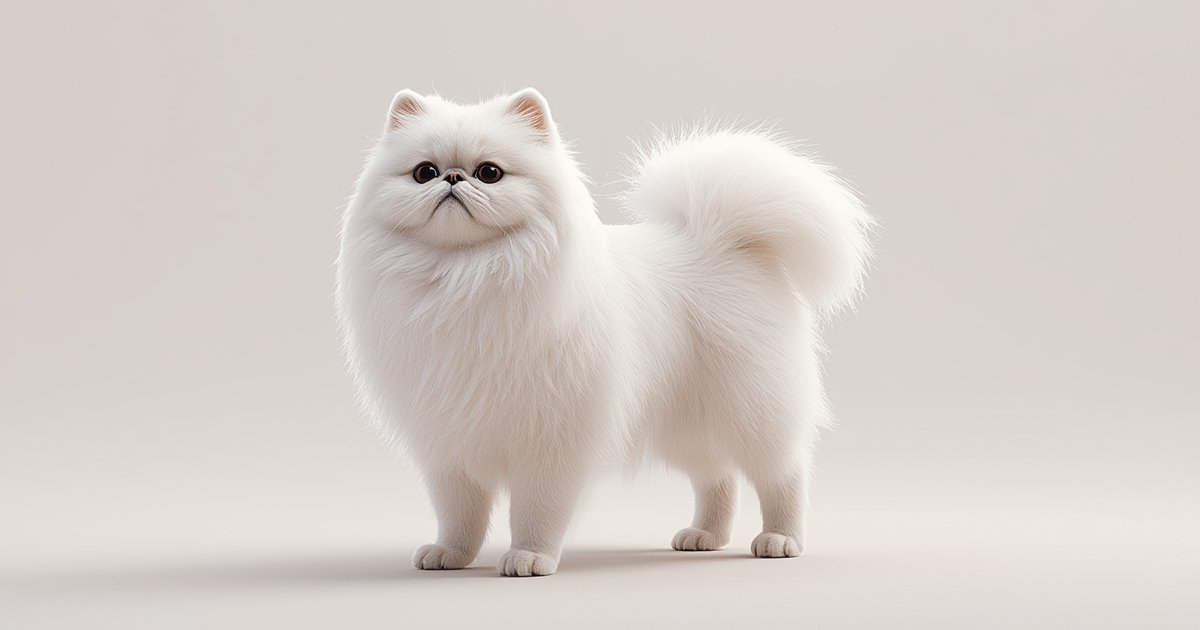
Master Persian grooming for a stunning coat! Discover essential tools, step-by-step routines, and expert tips to keep your Persian cat looking its best in 2026.
The Unique Challenges of Persian Grooming
There’s an undeniable allure to the magnificent Persian cat, with its luxurious long coat flowing like a silken cloud. While their beauty is captivating, maintaining that exquisite fur is a commitment that requires dedication and the right approach to Persian grooming. It’s more than just aesthetics; proper care is crucial for their health and comfort, preventing painful mats and skin issues.
Understanding the specific needs of your Persian is the first step toward a happy, healthy cat and a stunning coat. The challenges are real, but with the right knowledge and tools, you can ensure your feline friend always looks and feels their best.
The Double Coat Dilemma
Persian cats possess a unique double coat, consisting of a soft, dense undercoat and long, fine guard hairs. This combination is what gives them their opulent appearance, but it’s also the primary source of their grooming needs. The undercoat tends to shed constantly and can easily become trapped within the longer guard hairs, leading to tangles and mats.
The sheer volume and length of their fur mean that even small omissions in their routine can quickly escalate into significant problems. Regular, thorough grooming sessions are not optional; they are a vital part of owning one of these magnificent breeds.
Matting: The Enemy of a Perfect Coat
Matting occurs when shed hair becomes tangled and forms dense knots, often pulling on the skin and causing discomfort or even pain. For Persian cats, matting is an ever-present threat, especially in areas like behind the ears, under the armpits, and around the hindquarters. These mats can restrict movement, hide skin infections, and become breeding grounds for parasites.
Preventing mats is far easier than trying to remove them. Once a mat forms, it can be incredibly challenging to detangle without causing stress or injury to your cat. Severe matting often requires professional intervention, sometimes even sedation for a full shave-down, which no owner wants for their beloved pet.
Essential Tools for Effective Persian Grooming
Equipping yourself with the right tools is paramount for successful Persian grooming. Trying to manage that opulent coat with subpar brushes or inadequate shampoos will only lead to frustration for both you and your cat. Investing in quality grooming supplies will make the process more efficient, more comfortable, and ultimately more rewarding.
From brushes designed to penetrate deep into the undercoat to specialized dematting tools, each item plays a crucial role. Understanding what each tool does and how to use it correctly will transform your grooming sessions from a chore into a bonding experience.
Brushes and Combs: Your Daily Allies
A good brushing routine is the cornerstone of Persian grooming. You’ll need a combination of brushes and combs to tackle both the surface hair and the dense undercoat effectively. Using the correct tools will help distribute natural oils, remove loose hair, and prevent tangles before they become mats.
Start with tools that can gently work through the top coat, then progress to those that can reach deeper. Consistency is key; a few minutes every day is far more effective than an hour once a week.
Pin Brush
A pin brush with long, rounded pins is excellent for gently detangling the long outer coat and removing loose hair without pulling. It’s a good starting point for your daily brushing session.
Slicker Brush
Slicker brushes have fine, short wires packed closely together. They are effective for removing shedding undercoat and working out minor tangles, especially in denser areas. Use with a light touch to avoid irritating the skin.
Wide-toothed Comb
An extra-wide-toothed comb is essential for initial detangling of the entire coat, especially if there are any snags. It helps to separate the long hairs gently.
Fine-toothed Metal Comb (Greyhound Comb)
After using the wider comb, a fine-toothed metal comb helps to ensure no small tangles or mats are left. It’s particularly useful for delicate areas like the face, ears, and legs, but use it carefully.
Comparison of Top Grooming Brushes for Persians
| Product | Price | Pros | Cons | Best For |
|---|---|---|---|---|
| Hertzko Self-Cleaning Slicker Brush | $15-$20 | Retracts bristles for easy cleaning, effective for undercoat. | Can be harsh if not used gently, some cats dislike the feel. | Daily undercoat removal and light detangling. |
| Chris Christensen Big G Slicker Brush | $50-$65 | Flexible, long pins penetrate deep without scratching, renowned by pros. | Premium price point, requires careful handling due to pin density. | Serious mat prevention and thorough undercoat work. |
| Paw Brothers Fine/Coarse Grooming Comb | $10-$15 | Dual-sided for versatility, sturdy metal construction. | Not ideal for very dense mats, can pull if not used carefully. | Finishing touches, detangling specific areas, daily check-up. |
Shampoos and Conditioners: Beyond Just Clean
Bathing a Persian cat is a ritual that requires patience and the right products. Regular baths, typically every 4-6 weeks, are essential to keep their coat clean, free of oils, and less prone to matting. Special shampoos and conditioners formulated for long-haired cats are a must.
Look for products that are moisturizing, detangling, and hypoallergenic. Harsh chemicals or drying ingredients can strip the natural oils from their skin, leading to dryness and irritation.
Degreasing Shampoo
Persians tend to have oily coats, especially around the tail. A degreasing shampoo can be used as a first wash to break down excess oils, ensuring a truly clean base for conditioning.
Moisturizing Shampoo and Conditioner
Follow up with a moisturizing shampoo and a rich conditioner designed for long-haired cats. The conditioner is vital for making the fur soft, manageable, and less likely to tangle. Leave the conditioner on for a few minutes to allow it to penetrate deeply.
Dematting Sprays and Powders: Prevention and Cure
Even with diligent Persian grooming, some tangles may still appear. Dematting sprays and powders can be invaluable tools for gently working out knots without causing discomfort to your cat. These products often contain ingredients that help lubricate the hair, making it easier to separate.
Use them sparingly and always follow the product instructions. Never try to cut out mats with scissors unless you are absolutely sure of what you’re doing, as it’s incredibly easy to accidentally cut your cat’s skin.
A Step-by-Step Guide to Your Persian’s Grooming Routine
Establishing a consistent and comprehensive Persian grooming routine is key to maintaining their magnificent coat and ensuring their overall well-being. This isn’t just about vanity; it’s about comfort, hygiene, and preventing serious health issues. By breaking down the process into manageable steps, you can create a positive experience for both you and your feline companion.
Remember, patience and positive reinforcement are your best tools. Start early in your cat’s life to get them accustomed to the routine, making each session a calm and reassuring experience.
Daily Brushing Ritual
Daily brushing is the most critical component of Persian grooming. It prevents mats from forming, removes loose hair, and distributes natural skin oils, keeping the coat healthy and shiny. Dedicate at least 10-15 minutes each day to this essential task.
Choose a time when your cat is relaxed and amenable to handling. Make it a peaceful ritual, perhaps while watching TV or during a quiet evening. Offer treats and praise to reinforce good behavior.
Start Gentle
Begin by gently stroking your cat with your hands to feel for any knots. Then, use a wide-toothed comb or a pin brush to work through the top layers of fur, starting from the head and moving towards the tail. Always brush in the direction of hair growth.
Section by Section
Work on one small section of the coat at a time, parting the hair and brushing from the skin outwards. Pay special attention to areas prone to matting: under the chin, behind the ears, under the armpits, and around the belly and hind legs. For the dense undercoat, use a slicker brush with light strokes.
Check with a Fine Comb
Once you’ve brushed a section, run a fine-toothed metal comb through it. If the comb glides through smoothly without snagging, that section is tangle-free. If it catches, go back with your brush and gently work out the knot until the comb passes through easily.
Bathing Best Practices
Bathing a Persian cat is often viewed as a daunting task, but with proper preparation and technique, it can be a smooth process. Aim to bathe your Persian every 4-6 weeks, or more frequently if their coat becomes excessively oily or dirty.
Gather all your supplies beforehand: two types of shampoo, conditioner, towels, cotton balls for ears, and a non-slip mat for the tub. Warm water is essential, and ensure the room is warm to prevent your cat from getting chilled.
Preparation is Key
Before the bath, give your cat a thorough brushing to remove any loose hair and tangles. Trying to wash a matted cat will only tighten the mats and make them worse. Place cotton balls gently in your cat’s ears to prevent water from entering.
The Bathing Process
Carefully wet your cat’s coat with lukewarm water, avoiding direct spray into their face. Apply degreasing shampoo first, lather well, and rinse thoroughly. Follow with a moisturizing shampoo, again lathering and rinsing completely. Finish with a conditioner, allowing it to soak in for a few minutes before a final, meticulous rinse. Residual shampoo or conditioner can cause skin irritation and attract dirt.
Drying Thoroughly
After rinsing, gently squeeze excess water from the coat. Wrap your cat snugly in a towel and pat dry. Many Persians tolerate a low-heat, low-speed pet dryer; introduce it slowly and positively. Ensure the coat is completely dry to prevent matting and skin issues, especially the dense undercoat. Brush continuously while drying.
Nail Trims and Ear Cleaning
Beyond their luxurious coat, other aspects of Persian grooming are equally important for their overall health. Regular nail trims and ear cleaning prevent discomfort and potential infections, contributing to your cat’s well-being.
Incorporate these tasks into your routine, perhaps after a grooming session when your cat is already accustomed to being handled. Again, positive reinforcement is your friend.
Nail Trimming
Trim your Persian’s nails every 2-4 weeks using sharp, cat-specific nail clippers. Only snip the very tip of the nail, avoiding the quick (the pink part containing blood vessels and nerves). If you accidentally cut the quick, apply styptic powder to stop the bleeding. If unsure, ask your vet or groomer for a demonstration.
Ear Cleaning
Check your cat’s ears weekly for dirt, wax buildup, or any signs of infection (redness, odor, excessive scratching). Use a veterinarian-approved ear cleaner and cotton balls or soft wipes. Gently clean the outer ear and accessible parts of the inner ear. Never insert anything into the ear canal itself, as this can cause damage. If you notice signs of infection, consult your vet.
Tackling Common Grooming Challenges (and When to Call a Pro)
Even with the most diligent Persian grooming routine, specific challenges can arise due to their unique physiology. Knowing how to address these common issues effectively can save you time, stress, and potential vet visits. However, it’s also crucial to recognize when a problem is beyond your at-home capabilities and requires professional assistance.
Understanding the limits of your own grooming skills is a sign of responsible pet ownership. Sometimes, calling a professional groomer or veterinarian is the safest and most effective course of action for your cat’s well-being.
Dealing with Tear Stains and Eye Care
Persians are prone to tear staining due to their brachycephalic (flat) faces and shallow eye sockets, which can cause tears to overflow and accumulate in the fur around their eyes. These stains are not just unsightly; the constant moisture can lead to skin irritation and bacterial growth.
Daily cleaning is essential. Use a soft, damp cloth or a specialized pet eye wipe to gently clean the area around your cat’s eyes. Be very careful not to touch the eyeball directly. There are also commercial tear stain removers, but always consult your vet before using any new product near your cat’s eyes to ensure it’s safe and effective.
Managing Hairballs Internally
Given their extensive self-grooming and long fur, hairballs are an inevitable part of owning a Persian cat. While some occasional hairball vomiting is normal, frequent or severe hairballs can lead to blockages and other serious digestive issues. Proper Persian grooming directly impacts this internal challenge.
Consistent brushing significantly reduces the amount of loose hair your cat ingests. Additionally, specialized hairball control cat food formulas, supplements, or veterinary-prescribed laxatives can help hair pass through their digestive system more easily. If your cat is frequently vomiting hairballs, straining to defecate, or shows a loss of appetite, consult your veterinarian immediately.
Professional Grooming Services
While DIY Persian grooming is achievable, there are times when professional help is invaluable. A skilled professional groomer has specialized tools, techniques, and experience dealing with challenging coats and temperamental cats. They can handle severe matting, provide intricate styling, or simply give your cat a thorough pampering session you might not be able to replicate at home.
Consider regular professional grooming appointments, perhaps every 2-3 months, to complement your at-home efforts. A professional can also spot potential skin issues or health concerns that might go unnoticed. Don’t hesitate to seek their expertise if you’re struggling with a particular grooming challenge or if your cat develops severe matting that you cannot safely remove yourself.
Nutrition and Lifestyle: The Foundation of a Healthy Coat
The beauty of your Persian’s coat isn’t solely dependent on external grooming; it’s also a reflection of their internal health. What your cat eats and how they live their daily life plays a significant role in the luster, texture, and strength of their fur. A holistic approach to Persian grooming considers these vital internal factors.
A high-quality diet provides the building blocks for healthy skin and hair, while a stress-free environment promotes overall well-being. By focusing on these foundational elements, you can support your Persian’s natural radiance from the inside out.
Diet for Dazzling Fur
A premium diet formulated for cats is crucial for a healthy coat. Look for cat foods that list high-quality animal protein as the first ingredient. Essential fatty acids, particularly Omega-3 and Omega-6, are vital for skin hydration and a shiny, supple coat. These can often be found in ingredients like fish oil, flaxseed, and certain animal fats.
Many specialized formulas for long-haired breeds also contain added nutrients like biotin, zinc, and B vitamins, which are known to support coat health. Always ensure your cat has access to fresh, clean water, as hydration is equally important for skin and coat quality. Consult your veterinarian for dietary recommendations tailored to your cat’s specific needs and age.
Environmental Factors
Your Persian’s environment also impacts their coat health. A clean living space reduces the amount of dust and debris that can accumulate in their fur. Regular vacuuming and cleaning of their favorite sleeping spots can help prevent their coat from getting unnecessarily dirty or attracting allergens.
Controlling humidity levels in your home can also be beneficial. Extremely dry air, especially in winter, can lead to dry, flaky skin and brittle fur. Providing a comfortable, calm environment reduces stress, which can sometimes manifest in excessive shedding or even stress-related skin conditions. A happy cat is often a healthy cat with a beautiful coat.
Achieving a pawsitively perfect Persian coat in 2026 is an ongoing journey that blends daily care with attentive observation and the right tools. By embracing a consistent Persian grooming routine, understanding the specific needs of their unique double coat, and supporting their health through diet and environment, you’re not just maintaining their beauty—you’re ensuring their comfort and well-being. Remember that patience, gentle handling, and positive reinforcement will make grooming a pleasant experience for both you and your cherished feline. Investing this time and effort will reward you with a magnificent, healthy companion whose stunning coat is a testament to your loving care.
Ready to elevate your Persian’s grooming game? Explore more expert tips on feline care and discover products that make a real difference. For personalized advice, consider consulting a certified professional groomer in your area.
Frequently Asked Questions (FAQ)
How often should I brush my Persian cat?
Persian cats should be brushed daily, ideally for 10-15 minutes. This daily routine is crucial to prevent matting, remove loose undercoat, and keep their long fur in pristine condition. Skipping even a few days can lead to significant tangles.
What type of shampoo is best for Persian cats?
For Persian cats, it’s best to use a degreasing shampoo as a first wash to tackle oiliness, followed by a moisturizing, detangling shampoo and a rich conditioner specifically formulated for long-haired cats. Always ensure products are hypoallergenic and pet-safe.
Can I use human shampoo on my Persian cat?
No, you should never use human shampoo on your Persian cat. Human shampoos have a different pH balance than pet shampoos and can irritate your cat’s skin, leading to dryness, flakiness, or allergic reactions. Always use products specifically designed for felines.
How often should I bathe my Persian cat?
Most Persian cats benefit from a bath every 4 to 6 weeks. However, this can vary depending on their lifestyle, how quickly their coat gets oily, and any specific skin conditions they might have. Regular brushing helps extend the time between baths.
What should I do if my Persian cat has severe mats?
If your Persian cat has severe mats that you cannot gently detangle with a comb or dematting spray, it’s highly recommended to consult a professional groomer or veterinarian. Attempting to cut out severe mats yourself can easily lead to accidental cuts to your cat’s delicate skin, which is often very thin underneath the mat.
Are hairballs normal for Persian cats?
Due to their long coats and self-grooming habits, occasional hairballs are normal for Persian cats. However, frequent vomiting of hairballs, straining during defecation, or lack of appetite could indicate a serious blockage and warrant an immediate veterinary visit. Regular grooming helps minimize ingested hair.
Leave a Reply