

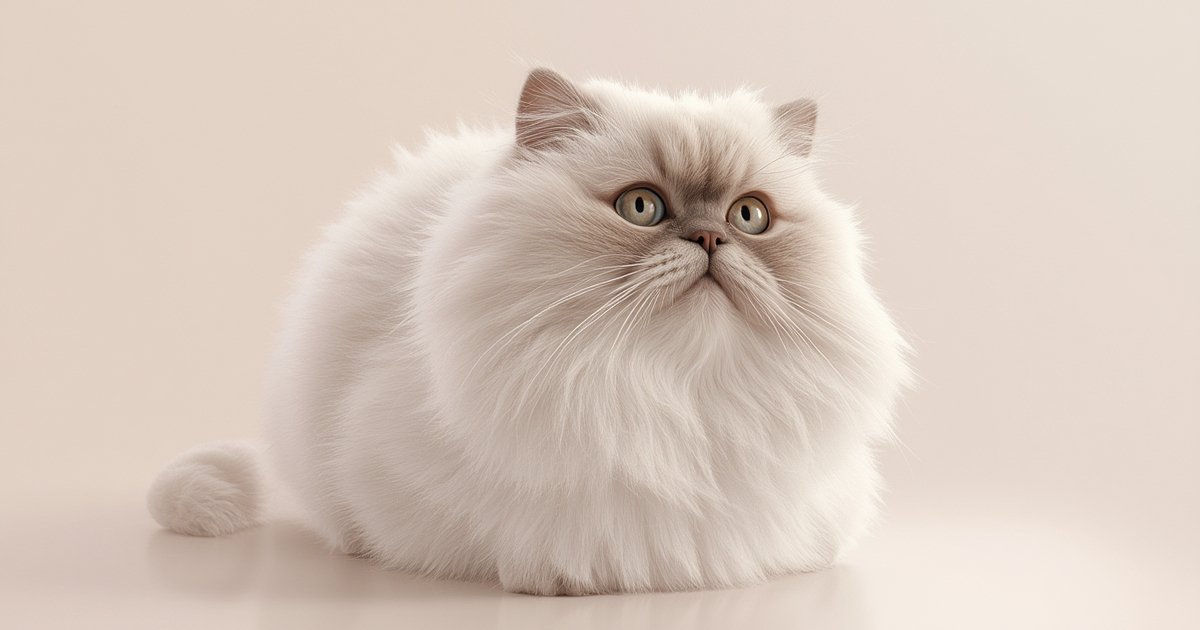
Meta Description: Master Persian grooming for a silky mane in 2026! Discover essential tools, step-by-step routines, and expert tips for your beloved feline.
The Unique Challenges of Persian Grooming
Persian cats are renowned for their majestic, long, flowing coats, which are undeniably beautiful but also demand significant attention. The art of Persian grooming is a commitment that goes beyond mere aesthetics; it’s fundamental to your cat’s health, comfort, and well-being. Without consistent and proper grooming, their luxurious fur can quickly become matted, leading to skin irritation, infections, and discomfort.
Understanding the specific needs of a Persian’s coat is the first step in mastering their care. Their double coat consists of a dense undercoat and a long, silky topcoat, making them prone to tangles and mats. Effective Persian grooming ensures not only a stunning appearance but also a happy, healthy feline companion for years to come.
Essential Tools for Effective Persian Grooming
Successful Persian grooming begins with having the right arsenal of tools. Investing in high-quality grooming equipment will make the process easier for both you and your cat, preventing stress and ensuring thorough care. These tools are designed to tackle the unique challenges of their dense fur.
Brushes and Combs: Your Primary Weapons
A variety of brushes and combs are indispensable for daily and weekly grooming sessions. Each serves a specific purpose in maintaining your Persian’s magnificent coat and preventing mats from forming.
-
– **Slicker Brush:** Ideal for removing loose hair, tangles, and minor mats from the topcoat. Use it gently to avoid irritating the skin.
– **Metal Comb (Wide-toothed and Fine-toothed):** Absolutely crucial for reaching the undercoat and effectively detangling. Start with the wide-toothed side for bigger knots, then move to the finer side for thorough detangling and smoothing. This is your go-to for deep Persian grooming.
– **Pin Brush:** Excellent for everyday maintenance, smoothing the coat, and distributing natural oils. It’s softer than a slicker brush and suitable for less matted areas.
– **Dematter Tool/Mat Splitter:** A specialized tool designed to safely cut through severe mats without pulling on the skin. Use with extreme caution and always follow instructions.
Shampoos and Conditioners: For a Luxurious Bath
Bathing a Persian cat is a vital part of their grooming routine, albeit a less frequent one than brushing. The right products can make a huge difference in the health and appearance of their coat.
-
– **Degreasing Shampoo:** Persian coats can become oily, especially around the tail. A good degreasing shampoo helps break down oils and dirt, preparing the coat for a regular wash.
– **Hypoallergenic/Sensitive Skin Shampoo:** Many Persians have sensitive skin. Opt for a gentle, pH-balanced shampoo free from harsh chemicals, perfumes, or dyes.
– **Conditioner:** Essential for moisturizing the skin and coat, making it softer, shinier, and easier to comb through. A leave-in conditioner can also provide ongoing protection against tangles.
Other Grooming Essentials
Beyond brushes and bath products, a few other items are necessary to complete a comprehensive Persian grooming routine.
-
– **Pet Hair Dryer (Cool Setting):** Never use a human hairdryer on a high heat setting, as it can burn your cat’s skin. A dedicated pet dryer with a cool or low-heat setting and a quiet motor is best for quickly and safely drying their thick coat.
– **Nail Clippers:** Regular nail trims prevent overgrowth, which can lead to discomfort, ingrown nails, or damage to furniture. Choose a scissor-style or guillotine-style clipper designed for cats.
– **Ear Cleaner:** A gentle, vet-approved ear cleaning solution and cotton balls are needed for regular ear hygiene.
– **Eye Wipes/Stain Remover:** Persians are prone to tear staining due to their unique facial structure. Special wipes or solutions help keep the delicate area around their eyes clean and reduce staining.
– **Grooming Table with Arm (Optional):** For those serious about at-home grooming, a dedicated table can elevate your cat to a comfortable working height, making the process less strenuous for you and potentially calmer for your cat.
Comparison of Top Grooming Gadgets for Persians
Technology can aid in efficient and effective Persian grooming. Here’s a look at some popular options that can simplify your routine.
| Product | Price | Pros | Cons | Best For |
|---|---|---|---|---|
| PawPaws Quiet Pet Dryer | $89.99 | Ultra-quiet motor, multiple heat/speed settings, saves drying time | Bulky to store, initial investment | Sensitive cats, quick drying after baths |
| DeShedding Pro Tool | $34.95 | Effectively removes loose undercoat, reduces shedding significantly | Can be harsh if used improperly, some cats dislike the feel | Reducing shedding, managing dense undercoats |
| Auto-Feeder & Grooming Reminder App | $129.00 | Automates feeding, sends grooming reminders, tracks health | Requires app setup, battery/power dependent | Busy owners, consistent schedule adherence |
| Gentle Grooming Gloves | $19.99 | Soft rubber bristles, easy to use, massages while grooming | Less effective on deep mats, primarily for surface shedding | Light daily grooming, bonding with your cat |
Mastering the Daily and Weekly Persian Grooming Routine
Consistency is key when it comes to Persian grooming. A well-structured routine will prevent serious matting and keep your cat looking and feeling their best. This isn’t just about appearance; it’s about comfort and health.
The Daily Brush-Out: Preventing Mats
Daily brushing is the cornerstone of effective Persian grooming. It takes only 10-15 minutes but makes a world of difference.
-
1. **Start Gentle:** Begin with a pin brush or a wide-toothed metal comb to gently go over the entire coat. This loosens superficial tangles and removes loose hair.
2. **Work in Sections:** Divide your cat’s body into sections: back, sides, belly, legs, and tail. This ensures no area is missed, especially the “danger zones” like armpits, behind the ears, and the groin area.
3. **Target the Undercoat:** Use your metal comb, starting with the wide-toothed side, to gently comb through the undercoat. Always comb down to the skin, but be careful not to scratch it. If you encounter a tangle, hold the fur at the base close to the skin to minimize pulling, and gently work the comb through.
4. **Finish with a Slicker Brush:** Once the coat is tangle-free, use a slicker brush to smooth the topcoat and remove any remaining loose hairs. This adds shine and softness.
5. **Positive Reinforcement:** Keep sessions positive with treats and praise. This helps your cat associate Persian grooming with pleasant experiences.
Weekly Deep Dive: Addressing Tougher Issues
Once a week, dedicate a longer session (30-60 minutes) to more thorough Persian grooming, focusing on areas prone to matting and overall maintenance.
-
– **Thorough Dematting:** If you find any small mats that couldn’t be removed daily, this is the time to tackle them. Use a mat splitter cautiously, or if unsure, seek professional help. Never try to cut out mats with scissors close to the skin, as it’s very easy to injure your cat.
– **Ear Cleaning:** Gently clean the outer ear and visible parts of the inner ear with a vet-approved ear cleaner and a cotton ball. Do not insert anything into the ear canal.
– **Nail Trimming:** Trim just the tips of your cat’s nails, avoiding the quick (the pink part visible through the nail, which contains blood vessels and nerves). If you’re unsure, ask your vet or a professional groomer for a demonstration.
– **Eye Care:** Use a soft, damp cloth or specialized eye wipes to gently clean away any tear stains or discharge from around their eyes. Daily care can prevent severe staining.
The Art of Bathing Your Persian Cat
Bathing is an essential, though less frequent, aspect of Persian grooming. Typically, a bath every 4-6 weeks is sufficient, or more often if your cat gets particularly dirty or has skin issues. The goal is to keep their coat clean and free of excessive oils without stripping natural protective barriers.
Pre-Bath Preparation: Crucial for Success
Before any water touches your Persian, extensive preparation is vital. This step can make or break the bathing experience for both of you.
-
– **Thorough Brushing:** This is perhaps the most critical step. Ensure your cat’s coat is completely tangle and mat-free before bathing. Water will tighten mats, making them impossible to remove once wet.
– **Gather Supplies:** Have everything you need within arm’s reach:
– Degreasing shampoo
– Regular cat shampoo (hypoallergenic if needed)
– Conditioner
– Several towels (one for immediate wrap, others for rubbing)
– Cotton balls (to protect ears from water)
– Non-slip mat for the tub/sink
– A pitcher or cup for rinsing
– **Set the Scene:** Choose a warm, quiet, and secure bathroom. Close the door to prevent escape attempts. Ensure the water temperature is lukewarm – testing it on your inner wrist is a good gauge.
The Bathing Process: Step-by-Step
Approach the bath with a calm, confident demeanor. Your cat will pick up on your energy, so stay relaxed.
-
1. **Introduce Water Gradually:** Place cotton balls gently in your cat’s ears. Gently wet your cat, starting from the neck down, avoiding the face. Use a handheld shower sprayer on a low setting or a pitcher for controlled wetting. Speak in soothing tones.
2. **Apply Degreasing Shampoo:** Work a small amount of degreasing shampoo into problem areas first, such as the tail and hindquarters. Lather gently and rinse thoroughly.
3. **Shampoo the Entire Body:** Apply a good quality cat shampoo, working it into a lather over the entire body. Massage gently, ensuring it reaches the skin. Be extra careful around the face; use a damp cloth for this area instead of pouring water directly.
4. **Rinse, Rinse, Rinse:** This is arguably the most important part of the bath. Rinse until the water runs clear and you can’t feel any shampoo residue. Residue can irritate the skin and attract dirt. Rinse for longer than you think is necessary.
5. **Condition:** Apply conditioner, gently working it through the coat. Leave it on for the recommended time (usually 2-5 minutes), then rinse thoroughly until the coat feels clean and silky.
6. **Squeeze Excess Water:** Gently squeeze excess water from the coat before wrapping your cat in a warm, absorbent towel.
Post-Bath Drying and Finishing Touches
Proper drying is crucial to prevent chilling and mats.
-
– **Towel Dry:** Wrap your cat in a towel and gently pat and rub to absorb as much water as possible. Use several dry towels if needed.
– **Blow Dry (Optional but Recommended):** For a Persian, air drying is not sufficient and can lead to mats and chills. Use a pet-specific dryer on a cool or low-heat setting. Keep the dryer moving, never pointing it at one spot for too long. Brush gently with a pin brush as you dry, separating the fur to ensure it dries evenly and completely.
– **Final Brush-Out:** Once completely dry, give your Persian a final, thorough brush-out with a metal comb to ensure no tangles have formed during drying.
– **Reward:** Always end grooming sessions with praise, cuddles, and treats. This positive reinforcement makes future Persian grooming experiences much easier.
Addressing Common Persian Grooming Challenges
Even with the best routine, Persian grooming can present its unique hurdles. Knowing how to tackle these issues effectively can save you stress and keep your feline friend comfortable.
Matting and Tangles: The Ever-Present Threat
Mats are the nemesis of every Persian owner. They form when loose hairs intertwine and become matted down, often in high-friction areas or where the cat can’t reach. The best defense is a strong offense: daily brushing, particularly using a metal comb to reach the undercoat.
-
– **Small Tangles:** If you catch them early, small tangles can often be worked out with your fingers and a fine-toothed metal comb. Hold the fur at the base to prevent pulling on the skin.
– **Developing Mats:** For more stubborn tangles, a detangling spray designed for cats can help. Spray the area, let it sit for a minute, and then gently try to comb it out from the ends of the mat, slowly working your way towards the skin.
– **Severe Mats:** Never try to cut out large or tight mats with regular scissors, as the skin can be easily cut. For severe matting, especially close to the skin, a mat splitter can be used with extreme caution. If in doubt, or if the mat is large and causing discomfort, it’s always best to consult a professional groomer or your veterinarian. They can safely shave out mats, preventing pain and potential injury.
Tear Staining: A Persian Hallmark
Persians often have short nasal passages and flat faces, which can lead to excessive tearing and tear staining. These reddish-brown streaks are unsightly and can sometimes harbor bacteria if not cleaned.
-
– **Daily Cleaning:** Use a soft, damp cloth or specialized pet eye wipes daily to gently clean the area around your cat’s eyes. Wipe away any discharge and prevent build-up.
– **Eye Stain Removers:** There are commercial products specifically designed to help reduce tear staining. Look for reputable brands and follow the instructions carefully. Some contain gentle bleaching agents, while others work by inhibiting bacterial growth.
– **Veterinary Consultation:** If the tearing is excessive, has a foul odor, or your cat shows signs of discomfort, consult your vet. There might be an underlying medical issue, such as an eye infection, blocked tear duct, or allergies, that needs addressing.
Grooming Resistance: Making It a Positive Experience
Some cats naturally resist grooming. Patience, positive reinforcement, and starting early are key.
-
– **Start Young:** Introduce grooming tools and short sessions from a young age, even before regular Persian grooming is fully needed. This helps them get accustomed to the process.
– **Short, Frequent Sessions:** Instead of one long, stressful session, opt for multiple short ones throughout the day.
– **Positive Reinforcement:** Always reward your cat with treats, praise, and play immediately after a grooming session. This creates a positive association.
– **Gentle Handling:** Never force your cat. If they become agitated, take a break and try again later. Rough handling can lead to a lasting aversion to grooming.
– **Professional Help:** If your cat remains highly resistant or aggressive during grooming, consider enlisting the help of a professional groomer. They have techniques and experience to handle difficult cats safely.
Beyond the Brush: Holistic Care for a Silky Coat
While hands-on Persian grooming is paramount, a truly magnificent coat also reflects overall health. A holistic approach ensures your cat’s inner health supports their outer beauty.
Nutrition: The Foundation of a Healthy Coat
What your Persian eats directly impacts the quality of their coat and skin. A high-quality diet is crucial for a shiny, healthy mane.
-
– **Premium Cat Food:** Choose a cat food formulated with high-quality animal protein as the primary ingredient. Look for brands that list real meat (chicken, fish, turkey) first.
– **Omega Fatty Acids:** Ensure the diet includes omega-3 and omega-6 fatty acids. These are vital for skin health and coat luster. Many premium cat foods include ingredients like fish oil or flaxseed for this purpose. You can also discuss supplements with your vet.
– **Hydration:** Adequate water intake is essential for overall health, including skin and coat condition. Provide fresh water daily and consider a cat water fountain to encourage drinking.
Environmental Factors and Stress Reduction
A calm and clean environment can also contribute to a healthy coat and make Persian grooming easier.
-
– **Clean Living Space:** Regularly clean your cat’s bedding and favorite resting spots. This reduces dander, loose hair, and potential allergens that can irritate skin.
– **Humidity Control:** In dry environments, consider using a humidifier. Dry air can lead to dry, flaky skin and a brittle coat.
– **Stress Management:** Stress can manifest in many ways, including excessive shedding or over-grooming (leading to skin irritation). Provide a stimulating yet secure environment, plenty of play, and consistent routines to minimize stress.
Regular Veterinary Check-ups
Annual or bi-annual veterinary check-ups are critical for identifying any underlying health issues that might affect your cat’s skin and coat. Your vet can spot problems like:
-
– **Skin Infections:** Bacterial or fungal infections can cause hair loss, itching, and poor coat quality.
– **Parasites:** Fleas, ticks, and mites can lead to intense itching, skin irritation, and dull fur.
– **Allergies:** Environmental or food allergies often manifest as skin problems.
– **Nutritional Deficiencies:** A vet can advise if dietary changes or supplements are needed.
– **Hormonal Imbalances:** Certain endocrine disorders can affect coat health.
Your vet is an invaluable partner in your Persian grooming journey, offering tailored advice and treatment for any health concerns.
Conclusion
Caring for a Persian cat’s opulent coat is a rewarding endeavor that strengthens the bond between you and your feline friend. By committing to consistent Persian grooming practices, utilizing the right tools, and understanding their unique needs, you can ensure their magnificent fur remains silky, healthy, and free of discomfort. From daily brush-outs and thoughtful bathing techniques to proactive mat prevention and addressing specific challenges like tear staining, every step contributes to their overall well-being. Remember, a healthy coat is a direct reflection of a healthy cat.
We encourage you to embark on this journey with confidence and patience. Your Persian’s luxurious mane is a testament to your dedication and care. For more personalized advice or to schedule a professional grooming consultation, please visit our website or contact us directly at info@daxai.com.
Frequently Asked Questions (FAQ)
How often should I groom my Persian cat?
Daily brushing is recommended to prevent mats, especially in “danger zones.” A thorough weekly grooming session should include deeper combing, nail trims, and ear/eye cleaning. Baths are typically needed every 4-6 weeks, or as required for cleanliness.
What if my Persian cat hates being groomed?
Start grooming sessions early in their life, keep them short and positive with treats and praise, and be gentle. Never force your cat. If resistance persists, consider consulting a professional groomer or your veterinarian for advice on handling techniques or behavioral solutions.
Can I use human shampoo on my Persian cat?
No, human shampoos are not suitable for cats. Their skin has a different pH level than ours, and human products can be too harsh, stripping natural oils and leading to dry skin, irritation, or allergic reactions. Always use cat-specific shampoos and conditioners.
How do I prevent tear stains on my Persian?
Regular daily cleaning of the area around the eyes with a damp cloth or specialized pet eye wipes is key. There are also over-the-counter tear stain removers available. If staining is severe or accompanied by other symptoms, consult your veterinarian to rule out underlying medical issues.
When should I seek professional grooming for my Persian?
Professional grooming is advisable if your cat develops severe matting that you cannot safely remove, if they are highly resistant to at-home grooming, or if you prefer the convenience and expertise of a professional. A good groomer can also provide advice and maintain specific coat styles.
Leave a Reply