

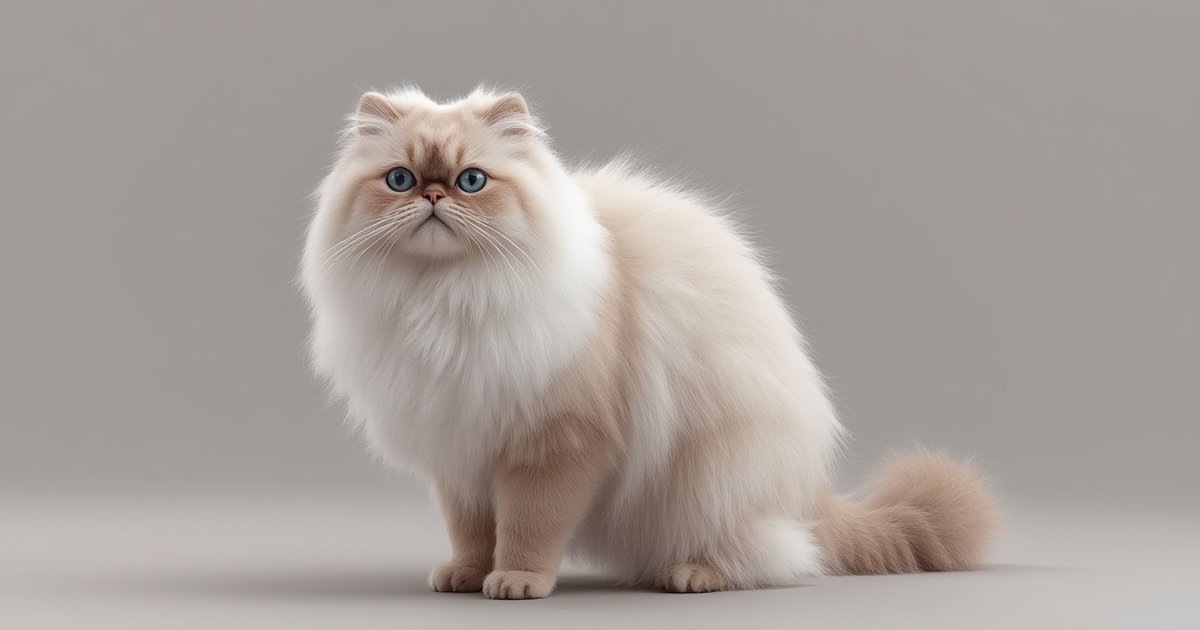
The majestic Persian cat, with its luxurious, flowing coat and captivating eyes, is a symbol of feline elegance. This stunning appearance, however, doesn’t happen by magic; it’s the result of dedicated care and consistent Persian grooming. Mastering the art of maintaining their signature long hair is crucial for their health, comfort, and, of course, that show-stopping silky finish. Without proper attention, their magnificent double coat can quickly become a tangled mess, leading to discomfort and potential skin issues. This comprehensive guide will reveal the essential secrets to keeping your Persian’s coat pristine, vibrant, and incredibly soft for years to come.
Understanding the Unique Persian Coat: A Foundation for Flawless Grooming
Persian cats are renowned for their magnificent, long, flowing double coats. This isn’t just a pretty feature; it’s a complex structure designed for insulation and protection. Understanding its unique characteristics is the first step toward effective Persian grooming.
The Double-Coat Dilemma
Unlike many other breeds, Persians possess a dense double coat consisting of two layers:
- – **Topcoat:** Long, guard hairs that are coarse and provide a protective outer layer.
- – **Undercoat:** Soft, fine, and dense hairs that offer insulation. This is the layer most prone to matting and tangling.
This combination creates that beautiful volume and plush feel, but it also means serious maintenance. The fine undercoat sheds regularly, and if not brushed out, it can easily trap loose hairs, leading to tangles and painful mats that pull on the skin.
Why Daily Maintenance is Non-Negotiable
Many cat owners underestimate the commitment required for a Persian’s coat. A neglected coat can quickly lead to:
- – **Painful Matting:** Mats can pull on the skin, restrict movement, and cause skin irritation, infections, and even open sores.
- – **Skin Problems:** Trapped moisture and debris under mats create a breeding ground for bacteria and fungi.
- – **Hairballs:** Persians ingest a lot of loose hair during self-grooming, leading to frequent hairballs and potential gastrointestinal blockages.
- – **Discomfort and Stress:** A matted coat is heavy, uncomfortable, and can make your cat feel unwell and lethargic.
Consistent, daily Persian grooming is not just about aesthetics; it’s a vital component of your cat’s health and well-being. It prevents these issues, strengthens your bond with your pet, and ensures they remain comfortable and happy.
The Daily Ritual: Essential Tools and Techniques for Effective Persian Grooming
A consistent daily routine is the cornerstone of keeping your Persian’s coat in top condition. This isn’t just a chore; it’s an opportunity to bond with your cat and ensure their comfort.
Gathering Your Essential Grooming Arsenal
Before you begin, ensure you have the right tools. Investing in quality grooming equipment will make the process easier and more effective:
- – **Metal Comb:** A good quality, wide-toothed metal comb is your primary tool for detangling and checking for mats. Look for one with both wide and narrow teeth.
- – **Pin Brush:** Excellent for stimulating the skin and distributing natural oils. Choose one with rounded tips to avoid scratching.
- – **Slicker Brush:** Useful for removing loose undercoat and small tangles, but use it gently to avoid irritating the skin.
- – **Dematting Tool (Optional):** If you encounter stubborn mats, a specialized dematting tool can help, but use with extreme caution or leave to a professional.
- – **Grooming Powder (Optional):** Can help absorb oil and lift the coat, making it easier to brush.
- – **Scissors (Blunt-Nosed):** For safely trimming small, unavoidable mats or for sanitary trims. Always use blunt-nosed safety scissors.
Mastering the Art of Line Brushing
Line brushing is the most effective technique for Persian cats. It ensures you reach all layers of the coat, right down to the skin, preventing hidden mats.
- **Preparation:** Find a comfortable, stable surface. A grooming table with a non-slip mat is ideal. Gently reassure your cat and make it a positive experience with treats.
- **Sectioning the Coat:** Start with a small section of hair, perhaps on the side of the body or a leg. Use one hand to part the hair, exposing the skin.
- **Brushing in Layers:** With your other hand, use the pin brush or slicker brush to brush downwards through the section, from root to tip. Ensure you feel the bristles gently touching the skin.
- **Working Your Way Up:** As you brush a section, allow a little more hair to fall over it, effectively “building up” the coat as you go.
- **Systematic Approach:** Work methodically across your cat’s body, section by section. Pay special attention to areas prone to matting: under the legs, behind the ears, the belly, and the “pantaloons” (long hair on the hind legs).
- **Following with the Comb:** After brushing a section, use your metal comb to gently comb through the same area. If the comb glides through without snagging, you’ve done a good job. If it snags, go back and re-brush.
Dealing with Mats and Tangles Safely
Despite your best efforts, mats can sometimes form. Here’s how to address them:
- – **Patience is Key:** Never yank or pull at a mat. This is painful for your cat and can damage their skin.
- – **Gentle Detangling:** Try to work the mat apart with your fingers first. Apply a detangling spray or a small amount of grooming powder to help loosen the hairs.
- – **Using the Metal Comb:** Gently tease the edges of the mat with the wider teeth of your metal comb, working from the outside of the mat inwards. Hold the hair at the base of the mat close to the skin to minimize pulling.
- – **Dematting Tool:** If the mat is stubborn, a dematting tool can carefully cut through the mat. Follow the tool’s instructions precisely and always ensure you’re cutting hair, not skin.
- – **When to Use Scissors:** Only use blunt-nosed scissors as a last resort for very tight mats close to the skin. Slide the comb between the mat and the skin, then carefully cut *above* the comb to create a barrier. Never cut perpendicular to the skin.
If a mat is large, dense, or close to the skin, it’s always safer to consult a professional groomer or your vet. They have specialized tools and expertise to remove mats safely without causing injury or distress to your cat.
Bathing Your Persian: A Gentle Art for Ultimate Silky Coats
While daily brushing is essential, regular bathing is crucial for maintaining the luxurious softness and cleanliness of a Persian’s coat, especially for achieving that coveted silky texture. Don’t let the stereotype of cats hating water deter you; with the right approach, bath time can be a calm experience.
Preparing for a Stress-Free Bath
Preparation is paramount for a successful bath. Skipping these steps can lead to a messy, stressful experience for both of you.
- **Pre-Brush Thoroughly:** This is critical! Never bath a matted cat. Water will only tighten mats, making them impossible to remove. Ensure the coat is completely free of tangles and mats before introducing water.
- **Trim Nails:** Your cat might try to “climb” out of the tub. Trimming their nails beforehand will prevent accidental scratches to you and themselves.
- **Gather Supplies:** Have everything within arm’s reach: cat-specific shampoo, conditioner, several towels (one large, fluffy one for wrapping), cotton balls for ears, and a non-slip mat for the tub or sink.
- **Set the Scene:** Choose a warm, quiet bathroom. Close the door to prevent escape. Fill the tub or sink with a few inches of lukewarm water *before* bringing your cat in to avoid startling them with running water.
- **Protect Ears and Eyes:** Gently place cotton balls in your cat’s ears to prevent water from entering. Apply a small amount of pet-safe eye lubricant or use a damp cloth to shield their eyes when washing the face.
The Washing Technique: Gentle and Thorough
Once prepped, the actual washing process should be calm and methodical.
- **Gentle Introduction:** Slowly and gently place your cat into the water. Support them and speak in a calm, reassuring voice.
- **Wet the Coat:** Using a sprayer or a cup, thoroughly wet your cat’s coat, working from the neck down to the tail. Avoid directly spraying their face.
- **Apply Shampoo:** Dispense a cat-specific shampoo (formulated for long-haired cats or sensitive skin) into your hands, dilute slightly with water, and gently massage it into the coat. Work in sections, ensuring the shampoo reaches the skin. Be extra gentle around the face; use a damp washcloth for this area.
- **Rinse Thoroughly:** This is arguably the most important step for a silky, residue-free coat. Rinse until the water runs completely clear and there are no suds left. Shampoo residue can cause skin irritation and dull the coat.
- **Condition:** Apply a cat-specific conditioner, focusing on the lengths of the hair. Leave it on for the recommended time, then rinse even more thoroughly than the shampoo. Conditioner helps prevent tangles and adds shine.
Drying for a Fluffy Finish
Proper drying is key to preventing mats and achieving a soft, fluffy coat.
- **Towel Dry:** Immediately after rinsing, wrap your cat in a large, absorbent towel. Gently squeeze and blot the excess water. Do not rub vigorously, as this can tangle the coat.
- **Blow Dry (Optional but Recommended):** For long-haired breeds like Persians, a pet-specific force dryer on a low, cool setting is ideal. If using a human hairdryer, ensure it’s on the lowest heat setting and held at a safe distance. Start at a low speed and gradually increase as your cat tolerates it.
- **Brush While Drying:** As you blow-dry, continuously brush the coat with a pin brush or slicker brush. This helps to separate the hairs, prevents mats from forming as it dries, and ensures a smooth, silky finish.
- **Ensure Complete Dryness:** It’s vital that your cat’s coat is completely dry, especially the undercoat, to prevent skin issues and matting.
Consistency helps your cat become accustomed to bathing. Positive reinforcement with treats and praise throughout the process will make it a more manageable and even enjoyable part of your Persian grooming routine.
Beyond the Brush: Specialized Care for a Flawless Coat and Overall Health
While daily brushing and regular bathing form the core of Persian grooming, these magnificent cats have additional specific needs to maintain their unique beauty and overall health.
Eye Care: Tackling Tear Stains
Persians often have brachycephalic (flat) faces, which can lead to excessive tearing and tear staining. These reddish-brown streaks are caused by porphyrins, pigments in their tears.
- – **Daily Cleaning:** Gently wipe around your cat’s eyes daily with a soft, damp cloth or a specialized pet eye wipe. This prevents buildup and reduces staining.
- – **Specialized Products:** There are vet-approved tear stain removers available. Consult your vet before using any products to ensure they are safe and effective.
- – **Underlying Issues:** Persistent or excessive tearing might indicate an eye infection, blocked tear ducts, or other health issues. Always consult your veterinarian if you notice significant changes.
Ear Care: Cleanliness and Health Checks
Regular ear checks and gentle cleaning are important to prevent infections.
- – **Weekly Check:** Lift your cat’s ears and inspect them weekly. Healthy ears should be clean, pale pink, and free of discharge or strong odor.
- – **Gentle Cleaning:** If you see a small amount of wax or dirt, use a vet-approved cat ear cleaner applied to a cotton ball. Gently wipe the visible parts of the ear. Never insert cotton swabs or any objects into the ear canal, as this can cause damage.
- – **Warning Signs:** Redness, swelling, dark discharge, foul odor, or excessive scratching/shaking of the head are signs of a potential ear infection. Seek veterinary attention immediately.
Nail Trimming: A Crucial Detail
Regular nail trimming prevents ingrown nails, paw discomfort, and reduces damage to furniture.
- – **Frequency:** Aim for every 2-4 weeks. Start early in your cat’s life to get them accustomed to it.
- – **Technique:** Use sharp, cat-specific nail clippers. Gently press on the paw pad to extend the claw. Only snip the very tip of the white part of the nail, avoiding the pink “quick” (the blood vessel and nerve). If you accidentally cut the quick, it will bleed. Have styptic powder on hand to stop bleeding.
- – **Positive Reinforcement:** Make it a positive experience with treats and praise. If your cat resists, do a few nails at a time rather than trying to do them all at once.
Dental Hygiene: More Than Just Fresh Breath
Dental health is often overlooked but is crucial for overall well-being.
- – **Brushing:** Ideally, brush your cat’s teeth daily or several times a week using a pet-specific toothbrush and toothpaste. Never use human toothpaste.
- – **Dental Chews/Treats:** Consider vet-approved dental treats or chews that help reduce plaque and tartar buildup.
- – **Professional Cleanings:** Regular veterinary dental check-ups and professional cleanings under anesthesia may be necessary to maintain optimal oral health.
Sanitary Trims: For Cleanliness and Comfort
The long hair around a Persian’s hindquarters can easily become soiled with urine or feces, leading to discomfort, skin irritation, and unpleasant odors.
- – **Safe Trimming:** Use blunt-nosed safety scissors to carefully trim the hair around the anus and vulva/penis. Keep the hair short in this area to prevent waste from sticking.
- – **Frequency:** Trim as needed, typically every few weeks. This essential part of Persian grooming helps maintain hygiene and prevents painful mats from forming in this sensitive area.
Choosing the Right Grooming Products: A Comparative Look for Optimal Persian Grooming
The market is flooded with grooming products, but selecting the right ones for your Persian’s unique coat is essential. Using high-quality, cat-specific products can make a significant difference in maintaining a silky, healthy coat and streamlining your Persian grooming routine.
Comparison of Top Grooming Products for Persian Cats
Here’s a comparison of some popular product types and what to look for:
| Product | Price | Pros | Cons | Best For |
|---|---|---|---|---|
| **Burt’s Bees for Cats Natural Tear Stain Remover** | $8-$12 | Gentle, natural ingredients. No harsh chemicals. Easy to apply. | May require consistent use for noticeable results. Not for severe stains. | Daily gentle cleaning for light tear stains. |
| **Earthbath All Natural Hypo-Allergenic Cat Shampoo** | $15-$20 | Soap-free, tearless formula. Gentle for sensitive skin. Contains nourishing ingredients. | Some cats might not like the scent (though mild). Not specifically for detangling. | Cats with sensitive skin or allergies. General cleaning and mild conditioning. |
| **Chris Christensen Big G Slicker Brush (Large)** | $45-$60 | High-quality, durable. Excellent for removing undercoat and preventing mats. Ergonomic handle. | Expensive. Can be too harsh if used improperly on sensitive skin. | Serious groomers and effectively dematting/deshedding thick Persian coats. |
| **TropiClean Spa Lavish Pet Conditioner for Long Hair** | $12-$18 | Specifically formulated for long coats. Helps detangle and adds shine. Natural ingredients. | Scent might be too strong for some sensitive cats or owners. | Adding shine and softness to long coats after shampooing. |
| **FURminator De-shedding Tool for Long Hair Cats** | $30-$40 | Highly effective at removing loose undercoat, reducing shedding. | Can be overused and damage the topcoat if not used carefully. Not for tangles. | Reducing shedding and removing loose undercoat after brushing and before bathing. |
| **Miracle Care Kwik Stop Styptic Powder** | $7-$10 | Quickly stops bleeding from minor nail trims. Essential safety item. | Can cause a brief stinging sensation. | Emergency use for minor cuts during nail trimming. |
When to Call in the Experts: Professional Persian Grooming
Even with a diligent at-home Persian grooming routine, there are times when seeking professional help is the best course of action. Professional groomers offer specialized skills and equipment that can ensure your Persian’s coat remains in peak condition.
Benefits of Professional Grooming
A certified professional groomer brings several advantages:
- – **Expert Mat Removal:** Professionals are adept at safely removing severe or deeply embedded mats without causing pain or injury to your cat.
- – **Specialized Equipment:** They have access to professional-grade tools like high-velocity dryers, specialized clippers, and grooming tables, making the process more efficient and thorough.
- – **Full Body Assessment:** A professional groomer can spot early signs of skin issues, ear infections, or other health problems that might be missed at home.
- – **Sanitary Clipping:** They can perform precise sanitary clips and lion cuts (if desired) for optimal hygiene and comfort.
- – **Stress Reduction:** For cats that are particularly resistant to grooming, a professional might be able to complete tasks with less stress than an owner struggling at home.
Signs Your Persian Needs Professional Attention
Here are clear indicators that it’s time to book an appointment with a professional groomer:
- – **Severe Matting:** If your cat has multiple large, tight, or painful mats that you cannot safely remove with a comb.
- – **Skin Irritation/Infections:** If you notice redness, sores, scabs, or a foul odor coming from under your cat’s coat.
- – **Aggressive Resistance:** If your cat becomes overly aggressive, stressed, or fearful during at-home grooming attempts.
- – **Lack of Time/Ability:** If you simply don’t have the time, physical ability, or confidence to perform thorough Persian grooming regularly.
- – **Seasonal Shedding:** During peak shedding seasons, a professional de-shedding treatment can significantly reduce the amount of loose hair.
Finding a Reputable Groomer
Choosing the right groomer is crucial for your cat’s safety and well-being:
- – **Cat-Specific Experience:** Look for groomers who specialize in or have extensive experience with long-haired cats, especially Persians.
- – **Certifications:** Ask about their certifications and training.
- – **References and Reviews:** Check online reviews and ask for recommendations from other Persian cat owners or your veterinarian.
- – **Facility Tour:** Visit the grooming facility to ensure it’s clean, safe, and calm. Observe how the staff interacts with animals.
- – **Communication:** A good groomer will communicate clearly about your cat’s condition, the services they will perform, and any potential risks.
Mastering Persian grooming is an ongoing journey that deeply enriches the bond you share with your feline companion. From understanding the unique demands of their luxurious double coat to implementing daily brushing rituals and gentle bathing techniques, every step contributes to their health, comfort, and undeniable beauty. Remember that consistency, patience, and the right tools are your greatest allies. Don’t shy away from specialized care like eye and ear cleaning, or knowing when to call upon the expertise of a professional groomer. By prioritizing thorough and compassionate care, you’re not just maintaining a coat; you’re ensuring a happy, healthy, and wonderfully silky-soft life for your beloved Persian.
Ready to give your Persian the royal treatment they deserve? Explore our other guides on feline health and well-being, or subscribe to our newsletter for exclusive tips and updates on pet care.
For further assistance or to connect with our pet care experts, please feel free to reach out via our contact page.
Frequently Asked Questions (FAQ) About Persian Grooming
How often should I brush my Persian cat?
Ideally, Persian cats should be brushed daily. Their long double coat is highly prone to matting, and daily brushing helps remove loose hair, prevents tangles, and distributes natural oils for a healthy, silky coat.
How often should I bathe my Persian cat?
Most Persian cats benefit from a bath every 4-6 weeks. Regular bathing helps keep their coat clean, free of oils that can cause matting, and maintains its luxurious texture. Always ensure you thoroughly brush out any mats before bathing.
What type of brush is best for Persian cats?
A combination of tools is best. A wide-toothed metal comb is essential for detangling and checking for mats. A pin brush is good for general brushing and stimulating the skin, while a slicker brush can help remove loose undercoat, but must be used gently.
What should I do if my Persian cat has mats?
For small, minor mats, try to gently work them out with your fingers, a detangling spray, and a metal comb, working from the outside of the mat inward. For large, dense, or painful mats close to the skin, it’s always safest to seek the help of a professional groomer or veterinarian to avoid injuring your cat.
Is it okay to shave my Persian cat?
Shaving a Persian cat (often a “lion cut”) can be beneficial in certain situations, such as severe matting, extreme heat, or for medical reasons. However, it should be done by a professional groomer. Be aware that shaving can sometimes alter the texture of their coat as it grows back.
References and Further Reading
- – The Cat Fanciers’ Association (CFA) – Persian Breed Profile: https://cfa.org/persian/
- – American Society for the Prevention of Cruelty to Animals (ASPCA) – Cat Grooming Tips: https://www.aspca.org/pet-care/cat-care/cat-grooming-tips
- – Veterinary Partner – The Importance of Pet Dental Care: https://veterinarypartner.vin.com/default.aspx?pid=19239&id=4951475
Leave a Reply