

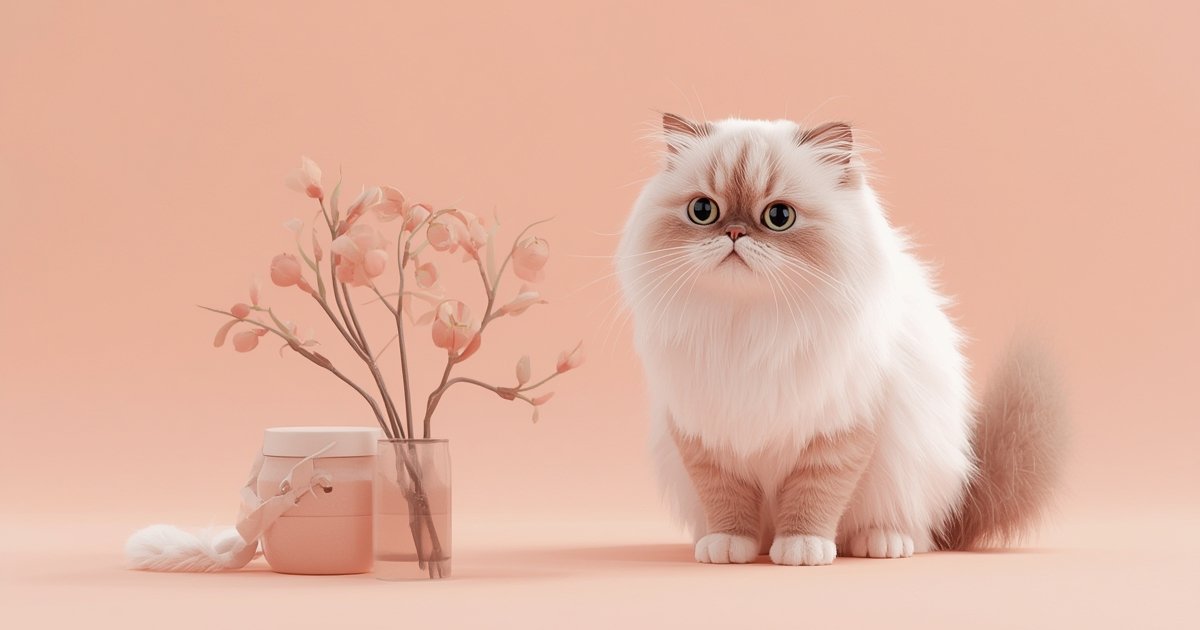
Unlock the secrets to optimal Persian health with our 2026 guide. Discover essential grooming, nutrition, vet care, and environmental tips for your beloved feline.
Grooming for Gold: The Essentials of Persian Coat Care
With their luxurious coats, captivating eyes, and gentle dispositions, Persian cats are truly royalty in the feline world. Ensuring optimal Persian health requires a deep understanding of their unique breed-specific needs. This comprehensive 2026 guide is designed to empower every Persian parent with the knowledge and tools to provide a lifetime of wellness for their cherished companion.
The Daily Brush-Up Routine
The Persian’s long, flowing coat is their crowning glory, but it also demands significant attention. Daily brushing is non-negotiable for preventing mats and tangles, which can lead to skin irritation, infections, and discomfort. Without consistent grooming, a Persian’s fur can quickly become a matted mess, trapping dirt and parasites.
Invest in quality grooming tools. A slicker brush is excellent for removing loose fur and detangling, while a metal comb with both fine and wide teeth is essential for working through knots and ensuring thoroughness. Start brushing from a young age to accustom your kitten to the routine, making it a positive bonding experience rather than a chore.
Focus on different sections of the body, gently working through the fur. Pay special attention to areas prone to matting, such as behind the ears, under the armpits, and around the tail. Regular brushing also helps distribute natural skin oils, promoting a healthy, shiny coat.
Bathing Basics for a Pristine Coat
Despite daily brushing, Persian cats will require occasional baths to keep their coats truly clean and free of oil buildup, which can attract dirt and cause skin issues. The frequency depends on your cat’s lifestyle and coat condition, but generally, a bath every 4-6 weeks is a good starting point.
Use a shampoo specifically formulated for cats, ideally one designed for long-haired breeds. Human shampoos can irritate a cat’s skin and strip essential oils. Prepare everything before you start: towels, shampoo, and a non-slip mat for the tub.
Be gentle and patient during bath time. Use lukewarm water and avoid getting water or shampoo in their eyes or ears. Rinse thoroughly to ensure no residue is left, as this can irritate the skin. Follow up with a good blow-dry on a low, cool setting, brushing as you go to prevent tangles.
Eye and Ear Care: Maintaining Clarity and Cleanliness
Persians are known for their distinctive flat faces, which can lead to excessive tearing and eye discharge. Daily cleaning around their eyes is crucial to prevent tear stains and potential skin irritation or infection. Use a soft, damp cloth or a specialized feline eye wipe to gently clean away any discharge.
Always wipe away from the eye, using a fresh part of the cloth for each eye to prevent cross-contamination. If you notice excessive redness, swelling, or unusual discharge, consult your veterinarian immediately. These could be signs of an underlying health issue.
Their ears also require attention. Check them weekly for dirt, wax buildup, or any signs of infection, such as redness, odor, or excessive scratching. Use a veterinarian-approved ear cleaner and a cotton ball or pad to gently wipe the outer ear canal. Never insert anything into the inner ear canal.
Nutritional Nurturing: Fueling Optimal Persian Health
Proper nutrition is the cornerstone of excellent Persian health, impacting everything from coat quality and energy levels to organ function and disease prevention. Choosing the right diet for your Persian is one of the most important decisions you’ll make for their well-being.
Understanding Dietary Needs
Persian cats, like all felines, are obligate carnivores. This means their diet must be rich in animal-based protein. Look for cat foods where meat is the primary ingredient, avoiding those with excessive fillers like corn, wheat, or soy. These ingredients offer little nutritional value to a cat and can sometimes lead to digestive issues or allergies.
The unique facial structure of Persians can sometimes make eating certain kibble shapes difficult. Consider kibble specifically designed for brachycephalic breeds, which might be shaped to be easier for them to pick up and chew. Wet food can also be an excellent option, providing crucial moisture and often being more palatable.
Consulting with your veterinarian can help you determine the best diet for your individual Persian, considering their age, activity level, and any specific health conditions. They can guide you on portion control and recommend appropriate brands.
Specialized Foods and Supplements
Several premium pet food brands offer formulations tailored to the specific needs of long-haired breeds like Persians. These diets often contain higher levels of omega-3 and omega-6 fatty acids, which are beneficial for skin and coat health, helping to reduce shedding and improve shine.
Some Persian cats may benefit from specific supplements, though these should always be discussed with your vet. For instance, probiotics can support digestive health, while certain joint supplements might be recommended for older cats. Hairball remedies, often in the form of treats or pastes, are also common for Persians due to their extensive self-grooming.
Be wary of feeding your cat human food, especially those that are toxic to felines like chocolate, grapes, onions, and garlic. Even seemingly harmless foods can cause digestive upset or long-term health problems. Stick to high-quality cat food as the primary source of nutrition.
Hydration is Key for Optimal Health
Many cats, including Persians, do not have a strong thirst drive and can be prone to chronic mild dehydration, especially if their diet consists primarily of dry kibble. Adequate hydration is crucial for kidney function, urinary tract health, and overall vitality.
Encourage water intake by providing multiple fresh water sources around your home. Ceramic or stainless steel bowls are preferable to plastic, which can harbor bacteria. Consider investing in a feline drinking fountain, as many cats are attracted to the running water and will drink more readily from it.
Incorporating wet food into your Persian’s diet is another excellent way to increase their moisture intake. Even a small amount of wet food daily can make a significant difference. Monitor your cat’s water consumption and consult your vet if you notice a significant decrease or increase.
Proactive Veterinary Care: Staying Ahead of Persian Health Challenges
Regular veterinary check-ups are vital for proactive Persian health management. Due to their unique genetics and physical characteristics, Persians are predisposed to certain health conditions that require careful monitoring and early intervention.
The Importance of Regular Check-ups
Even if your Persian appears perfectly healthy, annual veterinary visits are essential. These routine check-ups allow your vet to perform a thorough physical examination, assess their overall condition, and catch potential health issues before they become serious. For senior Persians or those with chronic conditions, more frequent visits may be necessary.
During these visits, your vet will typically check your cat’s weight, listen to their heart and lungs, examine their teeth and gums, and palpate their abdomen. They will also discuss vaccinations, parasite prevention (fleas, ticks, and worms), and any changes in behavior or appetite you may have observed.
These appointments are also a great opportunity to discuss any concerns you have about your Persian’s health, diet, or behavior. A strong partnership with your veterinarian is key to ensuring your cat receives the best possible care throughout their life.
Common Health Issues in Persians
Understanding common issues is central to maintaining excellent Persian health. Their distinctive brachycephalic (flat) faces can lead to respiratory problems, such as stenotic nares (narrow nostrils) and elongated soft palates, making breathing difficult. Watch for signs like noisy breathing, snoring, or difficulty exercising, and discuss these with your vet.
Polycystic Kidney Disease (PKD) is another significant concern, a genetic condition that causes cysts to form in the kidneys. Reputable breeders screen for PKD, but testing can also be done on adult cats. Regular veterinary monitoring, including blood tests and ultrasounds, is important for early detection and management.
Other common issues include progressive retinal atrophy (PRA), which can lead to blindness, and hypertrophic cardiomyopathy (HCM), a heart condition. Dental problems are also prevalent, often due to their jaw structure. Regular dental checks and professional cleanings are crucial for preventing painful oral diseases.
Understanding Genetic Predispositions
The health of a Persian cat is heavily influenced by its genetic makeup. Reputable breeders play a critical role in minimizing the incidence of hereditary diseases by screening their breeding cats for conditions like PKD and PRA. When acquiring a Persian, always ask about the health history of the parents and any genetic testing performed.
While good breeding practices reduce risks, owners should still be aware of the potential for these conditions. Early detection is paramount. For example, if your Persian is diagnosed with PKD, dietary management and medication can help slow the progression of kidney disease and improve quality of life.
Maintaining a detailed health record for your Persian, including vaccination dates, deworming schedules, and any observed symptoms, can be incredibly helpful for your veterinarian. This comprehensive approach to care ensures that your beloved Persian receives timely and targeted treatment for any health challenges they may face.
A Haven of Happiness: Environment and Enrichment
Beyond physical care, a stimulating and safe environment significantly contributes to your Persian’s overall well-being. A happy cat is a healthy cat, and creating a supportive home plays a huge role in their mental and physical health.
Creating a Safe Indoor Environment
Persian cats are typically indoor cats due to their delicate coats, vulnerability to heatstroke (due to their brachycephalic nature), and susceptibility to parasites and outdoor dangers. Ensure your home is a safe haven. This means securing windows and doors, removing toxic plants, and keeping household chemicals and medications out of reach.
Provide plenty of cozy, quiet spots where your Persian can retreat and feel secure. This could be a soft bed in a sunny window, a cat tree with secluded perches, or even a simple box. Cats thrive on routine and feeling safe in their territory.
Consider the temperature of your home. Due to their heavy coats and brachycephalic features, Persians can overheat easily. Keep your home comfortably cool, especially during warmer months, and ensure fresh water is always accessible.
Play and Mental Stimulation
While often perceived as placid, Persian cats still need mental and physical stimulation to prevent boredom and maintain a healthy weight. Engage your Persian in daily play sessions using toys that mimic prey, such as feather wands or interactive lasers.
Puzzle feeders can provide mental enrichment by challenging your cat to “hunt” for their food. This also helps slow down eating, which can be beneficial for digestion. Rotate toys regularly to keep them interested and prevent them from getting bored with the same items.
Vertical space, such as cat trees or wall-mounted shelves, allows your Persian to explore and observe their territory from a higher vantage point, which can reduce stress and increase feelings of security. Even a quiet, calm breed like the Persian benefits greatly from an enriching environment.
Smart Home Gadgets for Feline Wellness
In 2026, technology offers incredible tools to enhance your Persian’s health and happiness, even when you’re not home. These gadgets can monitor activity, facilitate feeding, and provide entertainment, ensuring consistent care and peace of mind for pet parents.
| Product | Price | Pros | Cons | Best For |
|---|---|---|---|---|
| PetSafe Smart Feed Automatic Feeder | $189 | Customizable meal times and portions; app control; slow feed mode. | Requires Wi-Fi; occasional jamming with certain kibble types. | Owners wanting precise feeding schedules and remote control. |
| PetSafe Drinkwell Platinum Pet Fountain | $65 | Filtered, flowing water encourages hydration; large capacity. | Requires regular cleaning of pump and filter replacement. | Increasing water intake and maintaining urinary health. |
| Petcube Play 2 Wi-Fi Pet Camera | $229 | 1080p HD camera, 2-way audio, built-in laser toy, sound/motion alerts. | Subscription needed for full cloud recording features. | Monitoring, interacting, and playing with your cat remotely. |
| SureFlap Microchip Pet Feeder Connect | $169 | Only opens for designated pet’s microchip; portion control, app integration. | Battery operated (4 C-cell); can be challenging for multiple pet households initially. | Multi-pet homes to prevent food stealing and manage special diets. |
Beyond the Basics: Advanced Care Tips
To further elevate your Persian’s health and happiness, delving into advanced care topics can make a significant difference. These practices address specific areas that often get overlooked but are crucial for long-term well-being.
Maintaining Excellent Dental Hygiene
Dental disease is one of the most common health issues in cats, and Persians are particularly prone due to their unique facial structure. Regular dental care can prevent painful conditions, tooth loss, and systemic health problems that can arise from oral infections.
Brushing your Persian’s teeth daily or a few times a week with a veterinarian-approved cat toothbrush and toothpaste is the gold standard. Start early to accustom them to the process. Dental treats and water additives can offer supplementary benefits, but they are not a substitute for brushing.
Annual dental check-ups with your vet are essential. Your vet can assess the condition of your cat’s teeth and gums and recommend professional dental cleanings under anesthesia when necessary. These cleanings remove plaque and tartar buildup below the gum line, preventing advanced periodontal disease.
Effective Weight Management Strategies
Obesity is a growing concern for pets, and an overweight Persian faces increased risks of diabetes, arthritis, heart disease, and liver problems. Maintaining an ideal weight is fundamental to optimal Persian health and longevity.
Work with your veterinarian to determine your Persian’s ideal weight and create a personalized feeding plan. This involves accurately measuring food portions and sticking to a consistent feeding schedule. Avoid free-feeding, where food is left out all day, as this often leads to overeating.
Incorporate regular, gentle exercise into your cat’s routine. While Persians aren’t typically high-energy, engaging them in daily play sessions can help burn calories and keep them active. Monitor their weight regularly and adjust their diet and activity as needed to keep them in peak condition.
Reducing Stress and Anxiety
Cats are creatures of habit and can be sensitive to changes in their environment. Stress and anxiety can manifest in various ways, from behavioral issues like inappropriate urination to physical symptoms like reduced appetite or weakened immune function. Ensuring a calm environment contributes significantly to a balanced Persian health profile.
Maintain a predictable routine for feeding, play, and grooming. Provide plenty of safe hiding spots where your cat can retreat if they feel overwhelmed. Use pheromone diffusers or sprays, which can help create a calming atmosphere, especially during times of change like moving or introducing new pets.
Pay attention to your cat’s body language. Subtle cues can indicate stress or discomfort. If you notice persistent signs of anxiety, consult your veterinarian. They can offer advice, suggest behavioral modification techniques, or, in some cases, recommend medication to help manage severe anxiety.
The journey to providing a purr-fectly healthy life for your Persian is an ongoing one, filled with dedication, love, and informed choices. From meticulous grooming and precise nutrition to proactive veterinary care and a stimulating home environment, every aspect contributes to their overall well-being. By understanding their unique needs and staying vigilant, you can ensure your cherished companion enjoys a long, vibrant, and happy life. Embrace these guidelines, stay informed, and enjoy every moment with your magnificent Persian.
For further inquiries or personalized advice on Persian health, please don’t hesitate to reach out to our team of feline wellness experts. We’re here to help you navigate your Persian’s health journey.
Frequently Asked Questions (FAQ)
How often should I groom my Persian cat?
Persian cats require daily brushing to prevent mats and tangles in their long, dense coats. Baths are typically needed every 4-6 weeks to keep their fur clean and free of oil buildup. Daily eye cleaning is also essential due to their brachycephalic facial structure.
What are the most common health issues in Persian cats?
Due to their breed-specific traits, Persians are prone to issues like Polycystic Kidney Disease (PKD), brachycephalic airway syndrome (breathing difficulties), progressive retinal atrophy (PRA), hypertrophic cardiomyopathy (HCM), and various dental problems. Regular vet check-ups are crucial for early detection.
What type of food is best for a Persian cat?
Persians need a high-quality, animal-protein-rich diet. Many benefit from kibble designed for brachycephalic breeds, which is easier for them to pick up. Wet food can also be beneficial for increasing hydration. Always consult your vet to choose the best diet based on your cat’s age, activity level, and health needs.
Can Persian cats go outdoors?
It is generally recommended that Persian cats remain indoors. Their long coats make them susceptible to matting and parasites outdoors, and their flat faces increase their risk of heatstroke. Keeping them indoors also protects them from traffic, predators, and infectious diseases.
How can I tell if my Persian cat is stressed?
Signs of stress in Persian cats can include changes in appetite or litter box habits, excessive grooming or lack thereof, hiding, increased vocalization, aggression, or a change in playfulness. If you notice persistent behavioral changes, consult your veterinarian to rule out medical causes and discuss stress management strategies.
Leave a Reply