

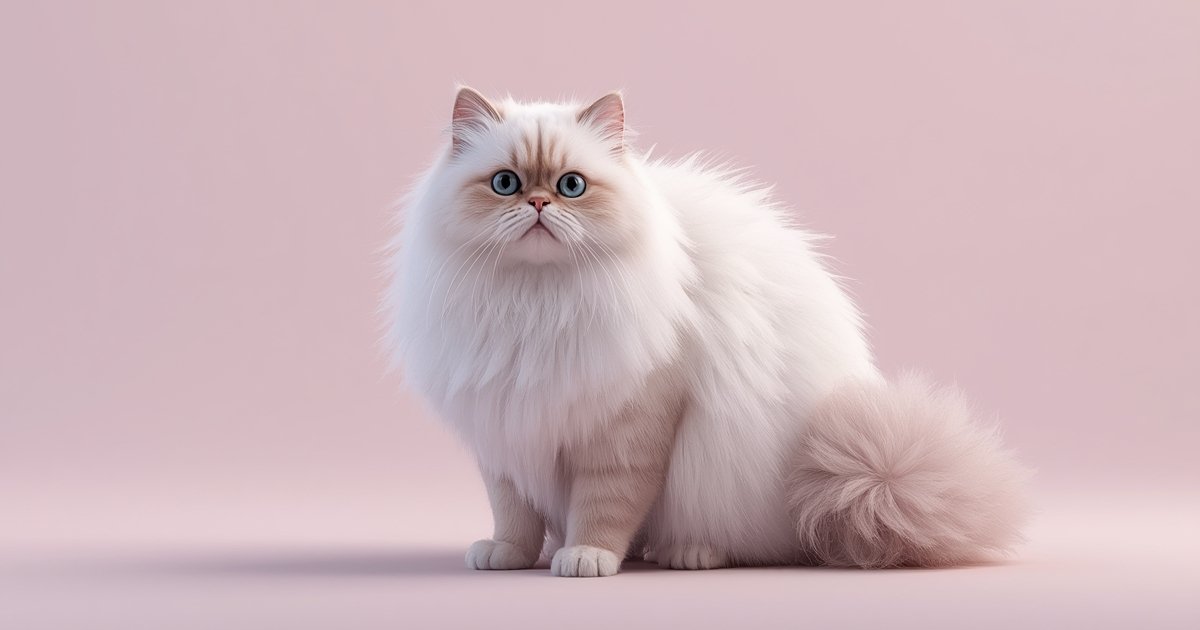
Discover the ultimate Persian grooming secrets to maintain that magnificent, royal coat. Mastering Persian grooming is crucial for your beloved feline’s health and stunning appearance. Without proper care, their long, luxurious fur can quickly become a tangled mess, leading to discomfort and skin issues. This comprehensive guide will equip you with all the knowledge and techniques you need to ensure your Persian cat’s coat remains pristine and beautiful.
The Unique Challenges of the Persian Coat
Persian cats are renowned for their opulent, long coats, which are undeniably beautiful but also notoriously high-maintenance. Unlike many other breeds, their fur requires constant attention to prevent matting, hairballs, and skin problems. Understanding the specific characteristics of their coat is the first step in effective Persian grooming.
Understanding the Double Coat
The Persian cat’s coat is a marvel of nature, consisting of two distinct layers. The outer coat is made up of long, silky guard hairs that give the coat its flowing appearance. Beneath this lies a dense, woolly undercoat that provides insulation. While this combination keeps them warm and looks luxurious, it also means there’s a lot of fur to manage. The undercoat is particularly prone to shedding and matting, especially if not brushed regularly.
The density of their fur can trap loose hairs, dirt, and dander close to the skin. This creates an ideal environment for mats to form, which can pull on the skin and cause pain. Proper Persian grooming techniques are essential to penetrate both layers of the coat and remove all loose hairs before they become problematic.
Common Grooming Problems (Mats, Hairballs, Stains)
Persian cats are highly susceptible to several grooming-related issues that can impact their health and comfort. Matting is perhaps the most common and troublesome problem. Mats are dense clumps of fur that become tangled and knotted, often close to the skin. If left untreated, mats can become severe, restricting movement, causing skin irritation, and even leading to infections.
Hairballs are another frequent concern. Due to their long fur, Persian cats ingest a significant amount of loose hair during self-grooming. This hair can accumulate in their digestive system, forming hairballs that are then vomited. While occasional hairballs are normal, frequent or large hairballs can indicate digestive issues and potential blockages. Regular Persian grooming drastically reduces the amount of hair ingested.
Tear stains are particularly common in Persians, especially those with flat faces (brachycephalic features). Their facial structure can lead to tear duct issues, causing tears to overflow and stain the fur around their eyes. These stains, often reddish-brown, are not only unsightly but can also create a moist environment for yeast or bacterial growth if not cleaned consistently.
Essential Tools for Effective Persian Grooming
Having the right arsenal of tools is fundamental to successful Persian grooming. Investing in high-quality grooming equipment will make the process easier for both you and your cat, ensuring their coat stays in top condition. Poor quality tools can pull fur, irritate the skin, or simply be ineffective.
Brushes and Combs
For Persian grooming, a combination of brushes and combs is indispensable.
– A **metal comb** with both wide and fine teeth is crucial for detangling and removing loose undercoat. It should be able to penetrate the dense fur down to the skin.
– A **slicker brush** is excellent for removing loose hair from the topcoat and stimulating the skin. Look for one with fine, bent wire bristles.
– A **pin brush** can be used for general brushing and smoothing the coat, especially after using the comb and slicker brush.
– A **dematting comb or tool** might be necessary for occasional stubborn mats, but use with extreme caution to avoid injuring your cat.
Shampoos and Conditioners
Bathing a Persian cat requires specific products designed for long-haired breeds.
– Choose a **mild, cat-specific shampoo** that is pH-balanced and formulated for long coats. Hypoallergenic or tearless options are often best.
– A **conditioning shampoo** or a separate **conditioner** can help maintain the coat’s softness, prevent tangles, and reduce static. Look for conditioners with ingredients like oatmeal or aloe vera for skin health.
– For cats with tear stains, specialized **stain-removing shampoos or wipes** can be very helpful, but always ensure they are safe for use around the eyes.
Nail Clippers and Ear Cleaners
Don’t forget the details. Regular nail trims and ear cleaning are vital parts of comprehensive Persian grooming.
– **Cat-specific nail clippers** are essential. Scissor-style clippers are often easier to use than guillotine-style for new owners.
– **Styptic powder** should always be on hand in case you accidentally cut into the quick, which can bleed.
– For ears, use a **vet-approved ear cleaner** and soft cotton balls or gauze. Never use cotton swabs inside the ear canal.
Comparison of Top Grooming Tools for Persian Cats
| Product | Price | Pros | Cons | Best For |
|---|---|---|---|---|
| Hertzko Self-Cleaning Slicker Brush | $15-$25 | Retractable bristles make cleaning easy, effective for undercoat. Gentle on skin. | Some cats may dislike the feel of wire bristles initially. | Daily general brushing and removing loose hair. |
| Safari Comb with Rotating Teeth | $10-$18 | Rotating teeth help prevent pulling and tangling. Excellent for detangling mats. | May not be as effective for extremely dense undercoats as a traditional metal comb. | Working through tangles and daily detangling. |
| FURminator deShedding Tool (Long Hair Cat) | $30-$50 | Highly effective at removing loose undercoat, significantly reduces shedding. | Can be overused, potentially damaging the topcoat if not used correctly. | Seasonal shedding, deeply reducing loose undercoat. |
| Pet Republique Cat Nail Clippers | $10-$15 | Sharp stainless steel blades, ergonomic handle, often includes a safety guard. | Requires practice to use confidently without cutting the quick. | Regular, safe nail trimming for all cat sizes. |
| Earthbath Oatmeal & Aloe Shampoo | $12-$20 | Natural ingredients, soap-free, soothes dry skin, leaves coat soft and shiny. | Slightly higher price point than basic shampoos. | Sensitive skin, maintaining coat health, gentle cleaning. |
The Daily and Weekly Persian Grooming Routine
Consistency is key when it comes to Persian grooming. Establishing a regular routine will not only keep your cat looking magnificent but also make the grooming process more pleasant for both of you. Daily brushing and weekly baths are the cornerstones of this routine.
Daily Brushing Techniques
Daily brushing is non-negotiable for a Persian cat. Aim for at least 15-30 minutes each day. Start by gently using a wide-toothed metal comb to work through any tangles or small mats. Always start from the tips of the fur and work your way down to the skin, section by section. Pay special attention to areas prone to matting, such as behind the ears, under the armpits, on the belly, and the “britches” (fur on the hind legs).
Once tangles are removed, switch to a slicker brush to remove loose undercoat and smooth the fur. Follow up with a pin brush for a final polish. Make sure your cat is comfortable throughout the process. Use positive reinforcement, like treats and praise, to make it a bonding experience rather than a chore. Consistency from a young age can help your Persian accept and even enjoy their daily Persian grooming session.
Weekly Bathing: A Step-by-Step Guide
While daily brushing handles most of the mat prevention, a weekly or bi-weekly bath is essential for keeping a Persian’s coat truly clean and free of oils and debris.
1. **Prepare Everything:** Gather all your supplies before you start: shampoo, conditioner, towels, cotton balls for ears, and maybe even a helper. Ensure the water temperature is comfortably warm, not hot.
2. **Pre-Brush:** Thoroughly brush your cat before the bath. Any mats that get wet will tighten and become nearly impossible to remove.
3. **Wet the Coat:** Gently wet your cat’s entire coat, avoiding getting water directly into their ears or eyes. A handheld shower sprayer works wonderfully for this.
4. **Shampoo:** Apply a small amount of cat-specific shampoo and work it into a lather, massaging gently through the fur. Again, be careful around the face. Rinse thoroughly until all shampoo is gone. Leftover shampoo can irritate skin and cause residue.
5. **Condition:** Apply a cat conditioner, focusing on the ends of the fur and matted areas. Let it sit for a few minutes as per product instructions, then rinse completely.
6. **Dry:** Blot your cat dry with soft towels. You can also use a pet-specific blow dryer on a low, cool setting, keeping it at a safe distance. Continue brushing gently as the fur dries to prevent new tangles. Ensure your cat is completely dry to avoid chills and skin issues.
Eye and Ear Care
Persian cats often require daily attention to their eyes due to their facial structure. Use a soft, damp cloth or a specialized pet eye wipe to gently clean away any tear stains or discharge from around their eyes. Always wipe away from the eye, and use a fresh part of the cloth for each eye to prevent spreading any potential infection. For persistent stains, a vet-approved tear stain remover can be used carefully.
Ear cleaning should be done weekly or bi-weekly. Gently clean the visible parts of the ear with a cotton ball or gauze dampened with a vet-approved ear cleaner. Never insert anything into the ear canal. If you notice any redness, foul odor, or excessive debris, consult your veterinarian, as these could be signs of an ear infection.
Nail Trimming Best Practices
Trimming your Persian’s nails every 2-4 weeks prevents them from getting too long, which can cause discomfort, make it harder for them to walk, and lead to ingrown nails.
1. **Get Comfortable:** Hold your cat gently and calmly. You might need another person to help hold them still.
2. **Identify the Quick:** The quick is a blood vessel and nerve that runs through the nail. It’s usually pinkish in white nails but harder to see in dark nails. Only trim the clear tip of the nail, avoiding the quick.
3. **Trim:** Using sharp cat-specific nail clippers, make quick, clean cuts. If you accidentally cut the quick, apply styptic powder immediately to stop the bleeding.
4. **Reward:** Always offer praise and a treat after nail trimming to create a positive association.
Tackling Advanced Grooming Challenges
Even with a diligent daily and weekly routine, certain grooming challenges may arise. Knowing how to address them effectively, or when to seek professional help, is crucial for your Persian’s well-being. This specialized Persian grooming advice can make a significant difference.
Dealing with Severe Matting (Professional Help)
Severe mats are not just unsightly; they can be incredibly painful for your cat. They pull on the skin, restrict blood flow, and can hide skin infections, parasites, or injuries. If you encounter large, dense mats that cannot be gently combed out, do not attempt to cut them out yourself with scissors. This is extremely dangerous, as it’s very easy to accidentally cut the cat’s skin, which is often tented into the mat.
Instead, seek the help of a professional groomer or veterinarian. They have the proper tools, such as specialized clippers, and the expertise to safely remove severe mats, often requiring sedation if the mats are extensive and painful. Prevention through consistent Persian grooming is always better than treatment.
Preventing Tear Stains
Beyond daily cleaning, there are additional strategies to prevent or minimize tear stains in Persian cats.
– **Diet:** Ensure your cat is on a high-quality, balanced diet. Some believe certain ingredients or food dyes can contribute to tear staining.
– **Water Quality:** Use filtered water or distilled water for your cat, as minerals in tap water can sometimes exacerbate staining.
– **Hygiene:** Keep your cat’s face clean and dry. After they drink, gently blot their chin and around their eyes.
– **Veterinary Consultation:** If tear staining is excessive or accompanied by eye discharge, consult your vet. They can check for underlying medical conditions such as blocked tear ducts, allergies, or eye infections. Sometimes, a simple surgical procedure can correct a blocked tear duct.
Shedding Season Strategies
Persian cats shed year-round, but they typically have heavier shedding periods, especially in spring and fall. During these times, intensify your Persian grooming efforts.
– **Increase Brushing Frequency:** Brush your cat more often, perhaps twice a day, to keep up with the increased volume of loose hair.
– **Deshedding Tools:** Consider using a deshedding tool like the FURminator (used carefully and sparingly) during peak shedding to remove the dense undercoat.
– **Bathing:** More frequent baths (e.g., weekly) during shedding season can help loosen and remove dead hair.
– **Dietary Supplements:** Discuss with your vet if certain dietary supplements, such as omega-3 fatty acids, could benefit your cat’s skin and coat health during shedding.
Diet, Health, and Their Impact on Coat Quality
While external Persian grooming is vital, your cat’s internal health, largely influenced by diet, plays an equally significant role in the luster and quality of their coat. A healthy cat from the inside out will naturally have a more resilient and beautiful coat.
Nutritional Needs for a Healthy Coat
A high-quality diet is the foundation for a healthy, shiny coat. Look for cat foods that list real meat as the first ingredient and are rich in essential nutrients.
– **Protein:** Adequate protein is crucial for hair growth and strength. Animal-based proteins contain essential amino acids vital for a healthy coat.
– **Omega-3 and Omega-6 Fatty Acids:** These are indispensable for skin and coat health. They help maintain skin hydration, reduce inflammation, and promote a glossy coat. Many quality cat foods include these, often from sources like fish oil or flaxseed. You can also discuss supplements with your vet.
– **Vitamins and Minerals:** Biotin, zinc, and Vitamin E are particularly important for skin and hair health. Ensure your cat’s food is fortified with a full spectrum of vitamins and minerals.
Avoid foods with excessive fillers, artificial colors, or by-products, as these can sometimes lead to skin issues or dull coats in sensitive cats. Always ensure your cat’s food is appropriate for their life stage (kitten, adult, senior).
Hydration and Skin Health
Proper hydration is just as important as a good diet. Dehydration can lead to dry, flaky skin and a dull, brittle coat.
– **Fresh Water:** Always provide access to fresh, clean water. Change it daily.
– **Water Bowls:** Use ceramic or stainless steel bowls, as plastic bowls can sometimes harbor bacteria or cause chin acne.
– **Water Fountains:** Many cats prefer to drink from running water, so a pet water fountain can encourage increased water intake.
– **Wet Food:** Incorporating wet food into your cat’s diet is an excellent way to boost their hydration, as it has a much higher moisture content than dry kibble.
Regular Vet Check-ups
Regular veterinary check-ups are not just for illness; they are a critical component of preventative care and maintaining overall health, including coat quality. Your vet can identify any underlying health issues that might be affecting your cat’s skin or fur, such as allergies, parasites, fungal infections, or hormonal imbalances. They can also offer personalized advice on diet, supplements, and specialized Persian grooming techniques tailored to your cat’s specific needs and health status. A healthy cat is a happy cat with a beautiful coat.
Maintaining the royal coat of your Persian cat through diligent Persian grooming is a rewarding endeavor that strengthens your bond and ensures their comfort and well-being. From daily brushing and regular bathing to attentive eye care and a nutritious diet, every step contributes to a magnificent, healthy appearance. Embrace these ultimate Persian grooming secrets, and you’ll have a purring testament to your dedication.
Ready to dive deeper into feline care or discover more tips for a thriving pet? Explore our other articles on pet health and wellness, or connect with our community of passionate pet owners.
Frequently Asked Questions (FAQ)
How often should I groom my Persian cat?
Daily brushing for 15-30 minutes is essential to prevent mats. Baths are recommended weekly or bi-weekly, and nail trims every 2-4 weeks. Eye cleaning should be done daily.
What if my Persian cat hates being groomed?
Start grooming from a young age to accustom them to the process. Use positive reinforcement like treats and praise. Keep sessions short and positive. If your cat is extremely resistant, consider professional grooming or consult your vet for advice on calming techniques.
Can I shave my Persian cat’s fur to avoid matting?
While a “lion cut” can be an option for severe matting or during hot weather, it’s not a substitute for regular grooming. Shaving can alter the coat texture, making it more prone to matting when it grows back, and expose the skin to sunburn. It should be done by a professional groomer.
How do I prevent hairballs in my Persian cat?
Regular and thorough brushing is the most effective way to prevent hairballs, as it removes loose fur before your cat can ingest it. A high-fiber diet, hairball-control cat food, and vet-approved hairball remedies can also help.
Are there any specific health conditions Persian cats are prone to that affect their coat?
Yes, Persians can be prone to conditions like polycystic kidney disease, hypertrophic cardiomyopathy, and brachycephalic airway syndrome. While not directly affecting the coat, poor general health will show in a dull, unhealthy coat. Skin conditions like seborrhea can also affect their fur quality. Regular vet check-ups are crucial.
Leave a Reply