

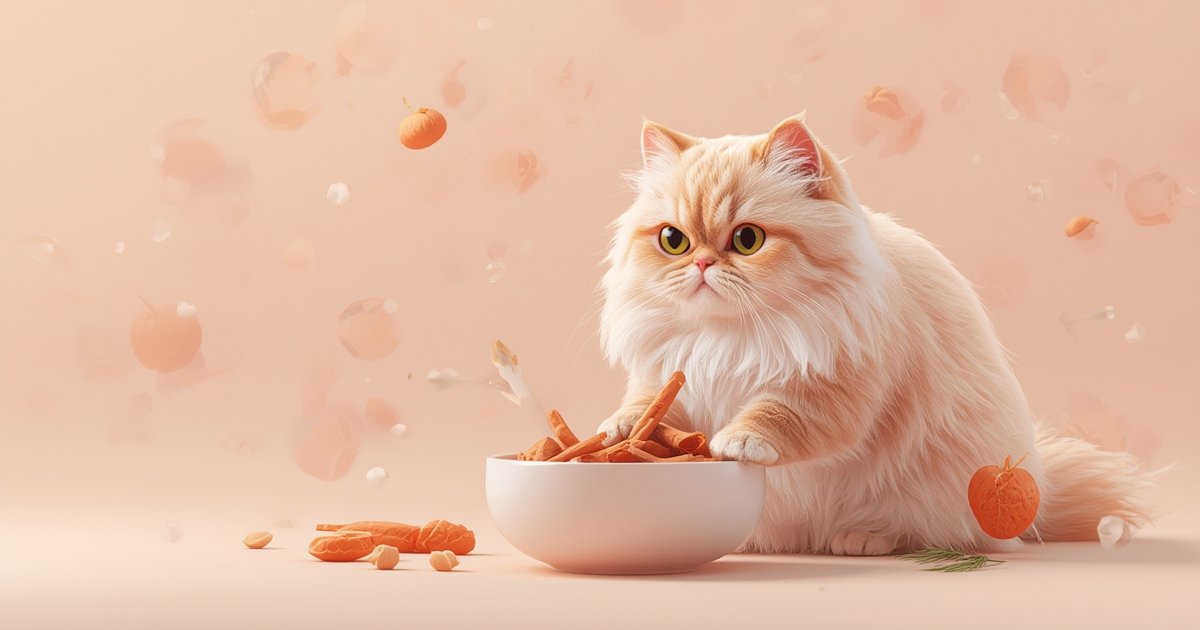
Meta Description: Uncover 7 vital nutrition secrets to boost your Persian cat’s health and longevity. Learn how proper Persian nutrition can prevent common issues and ensure a vibrant life.
Understanding Your Persian Cat’s Unique Dietary Needs
As a devoted Persian cat owner, you understand the distinctive charm and elegance of these magnificent felines. Their luxurious long coats, sweet dispositions, and adorable flat faces make them truly special. However, these very characteristics also contribute to their unique dietary requirements. Ensuring proper Persian nutrition is paramount for their overall well-being, helping them live a longer, healthier, and happier life. Just like humans, a well-balanced diet forms the cornerstone of a Persian’s vitality, impacting everything from their magnificent coat to their internal organ health.
Neglecting these specific needs can lead to various health issues, including skin problems, digestive upset, and even more serious conditions. This guide will delve deep into the world of Persian nutrition, offering practical, actionable advice that you can implement today. We’ll cover everything from essential nutrients to feeding strategies, empowering you to make informed decisions for your cherished companion.
The Breed’s Anatomy and Its Impact on Eating
The distinctive brachycephalic (flat-faced) structure of Persian cats is their most recognizable feature, but it also presents unique challenges when it comes to eating. Their short muzzles and specific jaw alignment can make it difficult to pick up certain types of kibble effectively. This often leads to messy eating habits and sometimes even frustration for the cat.
Their longer tongues and narrower palates mean that food shape and texture become incredibly important. Large or unusually shaped kibble can be tough for them to manage, leading to them eating less or swallowing food whole without proper chewing. This can impact digestion and nutrient absorption.
Consideration must also be given to their deep-set eyes, which can sometimes interfere with their ability to see food directly in front of them without tilting their heads. Special bowls designed for flat-faced breeds, with shallow depths and wider openings, can significantly improve their dining experience.
Common Health Concerns Influenced by Diet
Persian cats are predisposed to several health conditions that can be either exacerbated or mitigated by their diet. Their long, dense coats, for instance, make them prone to hairballs, which can lead to digestive blockages if not properly managed through nutrition.
Other common issues include polycystic kidney disease (PKD), various dermatological problems, and specific dental challenges. A well-tailored diet plays a crucial role in preventing or managing these conditions. For example, diets rich in omega fatty acids can support skin and coat health, reducing shedding and improving hairball passage.
Appropriate Persian nutrition is not just about fuel; it’s about preventative healthcare. By understanding these vulnerabilities, we can select foods and feeding strategies that actively support their unique physiology.
The 7 Nutrition Secrets for a Longer Life
Unlocking a long and vibrant life for your Persian cat starts with understanding and implementing these seven fundamental nutrition secrets. Each secret builds upon the last, creating a holistic approach to their dietary well-being.
1. High-Quality Protein: The Foundation of Feline Health
Cats are obligate carnivores, meaning their bodies are designed to derive nutrients primarily from animal sources. Protein is the most critical component of their diet, supporting muscle maintenance, immune function, and overall growth. Look for animal-based proteins as the first ingredient on any cat food label.
Ideal protein sources include chicken, turkey, salmon, beef, and lamb. These provide essential amino acids like taurine, which is vital for heart health and vision. A diet lacking sufficient high-quality animal protein can lead to muscle wasting, a dull coat, and weakened immunity.
Ensure the protein content is high, typically over 30% for dry food and 8-12% for wet food (which has higher moisture content). This forms the bedrock of excellent Persian nutrition.
2. Balanced Fats for Skin, Coat, and Energy
Fats are not just an energy source; they are crucial for a healthy coat, skin integrity, and the absorption of fat-soluble vitamins (A, D, E, K). Essential fatty acids, particularly Omega-3 and Omega-6, are vital for reducing inflammation and promoting a shiny, healthy mane. This is especially important for the long-haired Persian.
Sources like fish oil, flaxseed oil, and animal fats (chicken fat, salmon oil) are excellent additions. While fats are essential, moderation is key to prevent obesity. The ideal fat content typically ranges from 15-20% for dry food and 4-7% for wet food.
A diet with proper fat balance will make a noticeable difference in the luster and health of your Persian’s magnificent coat, reducing dryness and flakiness.
3. Essential Vitamins and Minerals: More Than Just Fillers
Vitamins and minerals play countless roles in a cat’s body, from bone health and blood clotting to nerve function and metabolism. A complete and balanced cat food will include a wide spectrum of these micronutrients. Key vitamins include Vitamin A for vision, B vitamins for energy, Vitamin C as an antioxidant, Vitamin D for bone health, and Vitamin E for immunity.
Important minerals include calcium and phosphorus for strong bones, potassium for nerve and muscle function, and iron for oxygen transport. Always ensure the food meets AAFCO (Association of American Feed Control Officials) standards for “complete and balanced nutrition” for your cat’s life stage.
Avoid foods that rely heavily on synthetic vitamins and minerals without sufficient natural sources. The synergy of nutrients from whole foods is often more beneficial.
4. Carbohydrates: The Right Kind and Amount
While not an essential nutrient for cats in the same way protein and fat are, carbohydrates can provide energy and fiber. However, the type and quantity are critical. Excessive carbohydrates, especially from grains like corn and wheat, can lead to weight gain and digestive issues.
Look for complex carbohydrates from sources like peas, sweet potatoes, or limited amounts of whole grains like brown rice. These provide sustained energy and dietary fiber without causing blood sugar spikes. The carbohydrate content in a cat’s diet should generally be lower than protein and fat, ideally below 10-15%.
A diet too high in simple carbohydrates can also contribute to dental plaque buildup, which is a common concern for many breeds, including Persians.
5. Hydration is Key: The Wet Food Advantage
Cats naturally have a low thirst drive, evolved from their desert-dwelling ancestors who got most of their moisture from prey. This makes adequate hydration a critical component of Persian nutrition. Chronic dehydration can lead to serious kidney and urinary tract issues.
Feeding a diet primarily of wet food (which typically contains 70-80% moisture) is highly recommended. If your cat eats dry kibble, ensure fresh, clean water is always available in multiple locations, perhaps even investing in a feline-specific water fountain to encourage drinking.
Wet food not only provides essential moisture but can also be easier for brachycephalic cats to eat due to its softer texture. This can be a game-changer for their long-term health, particularly kidney function.
6. Fiber for Digestive Health and Hairball Control
Given their long, dense coats, Persians are highly susceptible to hairball formation. Fiber plays a crucial role in moving ingested hair through the digestive tract, preventing uncomfortable and potentially dangerous blockages. Look for sources of digestible fiber like psyllium husk, beet pulp, or pumpkin.
Beyond hairball control, fiber supports overall digestive health, promoting regular bowel movements and a healthy gut microbiome. A balanced fiber content can also help your Persian feel fuller, which is beneficial for weight management.
However, too much fiber can reduce nutrient absorption, so balance is important. A good quality cat food will include an appropriate amount for optimal digestion and hairball management.
7. Portion Control and Feeding Schedule
Even the most nutritionally perfect food can be detrimental if fed in incorrect amounts. Obesity is a widespread problem among domestic cats, leading to a host of health issues including diabetes, arthritis, and heart disease. Persian cats, with their often less active lifestyles, are particularly vulnerable.
Always follow the feeding guidelines on the cat food packaging as a starting point, but adjust based on your cat’s age, activity level, and body condition. Regular weight checks are essential. Consider using a kitchen scale to accurately measure portions.
Establishing a consistent feeding schedule (e.g., two meals a day) can also aid digestion and metabolism, rather than free-feeding. This allows for better monitoring of food intake and helps prevent overeating, a key aspect of effective Persian nutrition.
Specialized Diets and Supplements for Persian Cats
While the seven secrets form the foundation, some Persian cats may benefit from specialized diets or targeted supplements. These are often designed to address specific breed characteristics or health concerns.
When to Consider Breed-Specific Formulas
Many reputable pet food brands offer formulas specifically designed for Persian cats. These often feature kibble shapes and sizes optimized for their brachycephalic jaw structure, making it easier for them to pick up and chew. They also tend to be enriched with nutrients that support coat health and hairball reduction.
Ingredients like specific fibers (e.g., psyllium), omega fatty acids, and amino acids are often highlighted in these formulations. While not strictly necessary for every Persian, they can provide an excellent tailored approach to Persian nutrition for those who struggle with general kibble or have recurring coat issues.
It’s always a good idea to research and compare these specialized options to see if they align with your cat’s individual needs and your veterinarian’s recommendations.
Navigating Supplements: What’s Truly Necessary?
The vast world of pet supplements can be overwhelming. For a healthy Persian eating a complete and balanced diet, most supplements are often unnecessary. However, certain situations may warrant their use, always under veterinary guidance.
– Hairball Control Supplements: If your Persian experiences frequent hairball issues despite a high-fiber diet, a veterinary-approved hairball paste or supplement may be beneficial. These often contain lubricants like petroleum jelly or added fiber.
– Omega Fatty Acid Supplements: For Persians with dry skin, dull coats, or inflammatory conditions, additional omega-3s (like fish oil) can be very helpful. Ensure it’s a high-quality, mercury-tested product.
– Probiotics: If your cat has digestive sensitivities, chronic diarrhea, or is recovering from antibiotic treatment, probiotics can help restore a healthy gut flora.
– Joint Supplements: For older Persians or those with a predisposition to joint issues, supplements containing glucosamine and chondroitin can support joint health and mobility.
Always consult your veterinarian before introducing any new supplements to ensure they are appropriate and won’t interact negatively with existing medications or conditions. Self-prescribing can lead to imbalances or adverse effects.
Comparison of Top Persian Cat Foods
Choosing the right food can feel daunting with so many options available. Here’s a comparison of some popular specialized Persian cat food brands, highlighting their unique features.
| Product | Price | Pros | Cons | Best For |
|---|---|---|---|---|
| Royal Canin Persian Adult Dry Cat Food | $$$ | Specifically designed kibble for brachycephalic jaws, enriched with Omega-3 and Omega-6 for coat health, good for hairball reduction. | Higher price point, contains grains (corn, wheat), some cats may find it less palatable initially. | Persian cats seeking breed-specific kibble and intensive coat/hairball support. |
| Blue Buffalo Wilderness Chicken Dry Cat Food (Grain-Free) | $$ | High animal protein content, grain-free option, rich in antioxidants, includes beneficial L-Carnitine and taurine. | Kibble shape might not be optimal for all flat-faced Persians, higher protein may not suit all cats. | Persian owners looking for high-protein, grain-free options, general feline health. |
| Hills Science Diet Adult Hairball Control Dry Cat Food | $$ | Formulated with natural fiber to reduce hairballs, balanced nutrition for adult cats, generally palatable. | Not breed-specific kibble, contains corn, less emphasis on specific coat-enhancing nutrients compared to specialized brands. | Persian cats prone to hairballs that don’t require breed-specific kibble shape. |
| Purina ONE Tender Selects Blend With Real Salmon (Wet Food) | $ | Affordable wet food option, high moisture content for hydration, real salmon for palatability, good source of protein. | Not breed-specific, may contain by-products, texture might not be preferred by all cats. | Persian cats needing increased hydration and enjoy wet food, budget-conscious owners. |
Addressing Common Persian Feeding Challenges
Even with the best intentions and the right food, feeding a Persian can sometimes present unique challenges. Knowing how to troubleshoot these common issues can make a significant difference in your cat’s overall well-being and your peace of mind.
Finicky Eaters: Strategies to Entice Your Feline Friend
Persians can be notoriously picky eaters. Their sensitive palates and sometimes particular texture preferences can make mealtime a challenge. Here are some strategies:
– Offer Variety: Rotate between a few different high-quality wet food flavors or textures to keep things interesting. Be consistent with dry food but offer wet as a complement.
– Warm Food Slightly: Gently warming wet food to body temperature can enhance its aroma and palatability, making it more appealing. Avoid microwaving in plastic containers.
– Use Shallow, Wide Bowls: As mentioned, their flat faces make it difficult to eat from deep bowls. Ceramic or stainless steel bowls are also preferable to plastic for hygiene.
– Create a Calm Feeding Environment: Ensure meal times are peaceful and quiet, away from high-traffic areas or other pets.
– Avoid Over-Treating: Excessive treats can spoil their appetite for their main meals, leading to nutrient deficiencies.
Patience is key. If your Persian is persistently refusing food, consult your vet to rule out any underlying medical conditions.
Managing Weight: Preventing Obesity in Persians
Persian cats often lead a less active, indoor lifestyle, making them susceptible to weight gain. Obesity in cats is linked to a multitude of health problems, including diabetes, joint issues, and reduced quality of life. Proactive weight management is a crucial part of Persian nutrition.
– Accurate Portioning: Use measuring cups or a kitchen scale to ensure you’re feeding the correct amount for their ideal weight.
– Regular Exercise: Encourage play with toys, laser pointers, or interactive games to keep them moving. Short, consistent play sessions are better than none.
– Controlled Treats: Treats should make up no more than 10% of their daily caloric intake. Opt for low-calorie, healthy treats.
– Veterinary Check-ups: Regular vet visits allow for professional weight assessments and guidance on adjusting diet and exercise.
– High-Protein, High-Fiber Diets: These can help your cat feel fuller for longer, reducing begging and overeating, while maintaining muscle mass.
It’s easier to prevent obesity than to reverse it, so proactive management is always the best approach.
Dental Health and Diet
Dental disease is one of the most common health problems in cats, and Persians are no exception. Diet plays a significant role in maintaining oral hygiene. While wet food is beneficial for hydration, it doesn’t offer the same abrasive action as dry kibble to help clean teeth.
– Dental-Specific Kibble: Some dry kibbles are specifically designed with a larger size and unique texture to help scrape plaque off teeth as the cat chews.
– Regular Brushing: The gold standard for feline dental care is regular brushing with a feline-specific toothbrush and toothpaste.
– Dental Treats: Certain treats are formulated to help reduce plaque and tartar, but use them sparingly.
– Professional Cleanings: Schedule regular dental check-ups with your vet, and be open to professional cleanings under anesthesia when recommended.
Integrating good dental practices into your Persian’s routine, alongside their diet, will contribute significantly to their long-term health and comfort.
Crafting a Lifetime Persian Nutrition Plan
Your Persian cat’s nutritional needs aren’t static; they evolve throughout different life stages. A proactive approach to their diet, adapting as they grow, is essential for a truly long and healthy life.
Kittenhood to Senior Years: Evolving Dietary Needs
– Kittenhood (Up to 12 months): Persian kittens require a diet rich in protein, fats, and essential nutrients to support rapid growth and development. Look for “kitten formula” or “all life stages” food. Multiple small meals throughout the day are ideal.
– Adulthood (1-7 years): During these prime years, focus on maintaining an ideal weight and ensuring a balanced diet that supports their activity level. Adjust portion sizes as needed.
– Senior Years (7+ years): As Persians age, their metabolism slows, and they may become less active. They might also develop conditions like kidney disease or arthritis. Senior formulas often have reduced calorie content, easily digestible proteins, and added joint support. Increased hydration through wet food becomes even more critical.
Regular veterinary check-ups are vital to assess their changing needs and adjust their diet accordingly. What works for a young, active Persian may not be suitable for an aging, sedentary one.
Consulting Your Vet for Personalized Advice
While this guide provides comprehensive insights into Persian nutrition, nothing replaces the personalized advice of your veterinarian. Your vet knows your cat’s individual health history, any pre-existing conditions, and can provide tailored recommendations.
Discuss your cat’s current diet, any concerns you have, and ask for specific brand recommendations or dietary modifications. They can also help interpret food labels, recommend appropriate supplements, and guide you through transitioning diets if necessary. Working in partnership with your vet ensures your Persian receives the best possible care throughout every stage of their life.
For more expert advice and personalized diet plans for your beloved Persian, feel free to contact our expert team at Dax AI.
Frequently Asked Questions (FAQ)
How often should I feed my Persian cat?
Most adult Persian cats benefit from two meals a day, typically once in the morning and once in the evening. This helps regulate their metabolism and prevents overeating. Kittens may need 3-4 smaller meals.
Is a grain-free diet better for Persian cats?
Not necessarily. While some cats may have sensitivities to certain grains, there’s no universal evidence that grain-free diets are inherently superior for all cats. The quality of the ingredients and overall balance are more important. Always consult your vet if you suspect a grain sensitivity.
Can I feed my Persian cat human food?
While some human foods like cooked chicken or fish (without bones or seasoning) can be safe in tiny amounts as occasional treats, a Persian’s primary diet should consist of nutritionally complete cat food. Many human foods are toxic to cats (e.g., onions, garlic, chocolate) or lack the specific nutrients they need.
How can I encourage my Persian to drink more water?
Place multiple water bowls in different locations, use ceramic or stainless steel bowls, and consider a pet water fountain, which provides fresh, flowing water. Feeding wet food significantly increases their daily water intake.
What are the signs of a poor diet in a Persian cat?
Signs can include a dull, greasy, or shedding coat, dry flaky skin, lethargy, weight changes (gain or loss), digestive upset (vomiting, diarrhea, constipation), excessive hairballs, and bad breath. If you notice any of these, consult your veterinarian.
Leave a Reply