

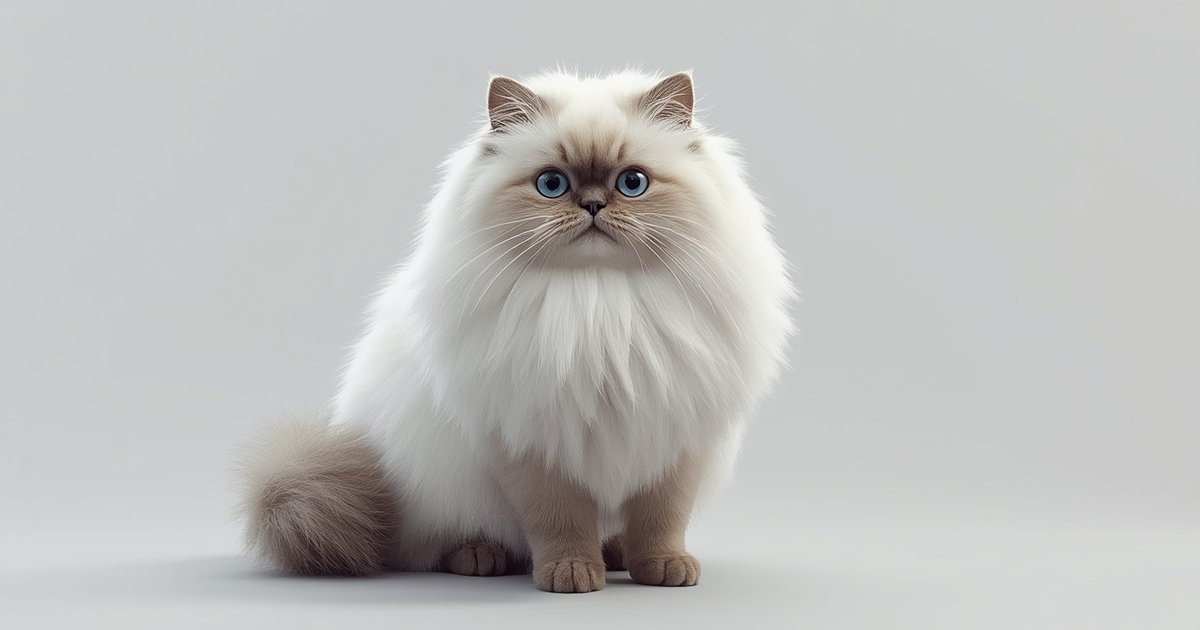
Meta Description: Discover the ultimate 2026 guide to Persian grooming! Learn expert tips for brushing, bathing, and maintaining your Persian cat’s luxurious coat for health and happiness.
Understanding the Persian Coat: A Foundation for Flawless Grooming
The majestic Persian cat, with its distinctive flat face and flowing, luxurious coat, is a vision of feline elegance. This breathtaking beauty, however, comes with a commitment to dedicated care. Mastering effective Persian grooming is not just about aesthetics; it’s vital for your pet’s health and comfort. As we look to 2026, the principles remain timeless, but our understanding of tools and techniques continues to evolve. This comprehensive guide will unveil the silky secrets to maintaining your Persian’s magnificent mane, ensuring they remain happy, healthy, and impeccably groomed.
Persian cats possess a unique double coat that sets them apart from many other breeds. This coat consists of a dense, insulating undercoat and a long, flowing topcoat. The combination creates a lavish texture that is prone to tangles and mats if not meticulously maintained. Understanding this unique coat structure is the first step in successful Persian grooming.
The length of a Persian’s fur can reach several inches, especially around the ruff, tail, and britches. This remarkable length, combined with the cat’s playful nature, means their coat can easily pick up debris, food particles, and litter. Regular and thorough Persian grooming is therefore non-negotiable for their well-being.
Factors like diet, environment, and even stress can influence the health and appearance of your Persian’s coat. A healthy coat is shiny, soft, and relatively free of shedding, while a neglected coat can become dull, matted, and painful for your feline friend. Investing time in proper Persian grooming rituals prevents many common issues and strengthens the bond between you and your pet.
The Essential Persian Grooming Toolkit for 2026
Effective Persian grooming requires the right arsenal of tools. Investing in high-quality grooming equipment will make the process easier for both you and your cat, and it will yield far better results. Don’t skimp on these essentials; they are critical for maintaining your Persian’s luxurious coat.
Brushes and Combs
A good grooming routine starts with the right brushes and combs. These are not one-size-fits-all, and different types serve distinct purposes in Persian grooming.
– Slicker Brush: Ideal for removing loose hair from the undercoat and gently detangling surface mats. Look for one with fine, bent wire bristles that have coated tips to protect your cat’s skin.
– Metal Comb (Fine/Medium Tooth): Essential for working through knots and ensuring the coat is thoroughly combed down to the skin. The fine-toothed end is excellent for facial hair, while the wider-toothed end tackles the body.
– Pin Brush: Useful for fluffing the coat and stimulating natural oils, contributing to a healthy sheen. This is often used for finishing touches.
Shampoos and Conditioners
Bathing a Persian cat is an art form, and the right products make all the difference. Choose formulations specifically designed for long-haired cats or those with sensitive skin.
– Hypoallergenic Shampoo: Many Persians have sensitive skin, so a gentle, tear-free, hypoallergenic shampoo is a must. Look for ingredients that soothe and moisturize.
– Detangling Conditioner: A good conditioner will help to prevent mats and make combing significantly easier after the bath. Apply it thoroughly and rinse well.
– Whitening/Brightening Shampoo: If your Persian has white or light-colored fur, a brightening shampoo can help reduce yellowing and enhance their natural brilliance.
Other Grooming Essentials
Beyond brushes and bath products, several other items are crucial for comprehensive Persian grooming.
– Nail Clippers: Regular nail trims prevent painful ingrown nails and reduce the risk of your cat scratching furniture or people. Choose a scissor-style or guillotine-style clipper designed for cats.
– Eye Wipes/Cleaner: Persians are prone to tear staining due to their brachycephalic (flat) faces. Gentle, cat-safe eye wipes or a specialized tear stain remover are vital for keeping their eyes clean and free of unsightly discoloration.
– Ear Cleaner: A vet-approved ear cleaning solution and cotton balls (never cotton swabs) are needed for routine ear hygiene.
– Hair Dryer (Pet-Friendly): A low-heat, low-noise pet dryer can significantly speed up drying time after a bath, preventing chills and making the coat easier to style.
– Grooming Table (Optional but Recommended): A dedicated grooming table with a non-slip surface and a grooming arm can make the entire Persian grooming process safer and more comfortable for both you and your cat.
Comparison of Essential Grooming Tools
When it comes to effective Persian grooming, having the right tools makes all the difference. Here’s a comparison of some top-tier grooming tools that every Persian owner should consider.
| Product | Price | Pros | Cons | Best For |
|---|---|---|---|---|
| Professional Slicker Brush (e.g., Safari Self-Cleaning Slicker Brush) | $15-$25 | Excellent for removing loose undercoat, fine bristles gently detangle, self-cleaning feature saves time. | Some cats may find the bristles too stiff if not used gently, can be less effective on severe mats. | Daily brushing, general detangling, maintaining a fluffy coat. |
| Stainless Steel Grooming Comb (e.g., Andis Pet Steel Grooming Comb) | $10-$20 | Essential for checking for mats, two tooth densities (fine/wide) for versatile use, durable. | Can pull hair if not used carefully, requires patience for deep combing. | Finishing touches, mat detection, precise detangling on face and legs. |
| Deshedding Tool (e.g., PetFur Deshedding Tool) | $25-$40 | Significantly reduces shedding by reaching deep into the undercoat, ergonomic handle for comfort. | Can be overused and damage the topcoat if not used sparingly, not suitable for daily use. | Seasonal shedding reduction, removing excessive loose undercoat. |
Daily Brushing Rituals for a Royal Coat
The cornerstone of successful Persian grooming is a consistent daily brushing routine. This isn’t merely about vanity; it’s a critical preventative measure against matting, skin issues, and discomfort for your cat. Dedicate at least 15-20 minutes each day to this essential ritual.
The Line Brushing Technique
For Persian cats, the “line brushing” technique is most effective. This method ensures you reach every layer of their dense double coat.
1. Start Small: Begin by gently parting the hair on a small section of your cat’s body, typically starting from a leg or the belly.
2. Brush in Layers: Hold the upper layer of hair up and out of the way, then brush the under-layer outwards from the skin. Use your slicker brush first, then follow with a metal comb.
3. Work Your Way Up: Move systematically across the cat’s body, section by section. Ensure you brush every part, paying special attention to areas prone to matting, such as under the legs, behind the ears, and around the “britches.”
4. Gentle Does It: Always be gentle, especially when encountering tangles. Pulling can be painful and make your cat resistant to future grooming sessions.
Addressing Knots and Tangles
Even with daily brushing, small knots can form. Catching them early is key to preventing larger, more painful mats.
– Use a Detangling Spray: A good quality detangling spray can make it easier to work through minor tangles. Mist the knot lightly before gently teasing it apart with your fingers or the wide-toothed end of your metal comb.
– Never Cut Directly: Avoid using scissors to cut out mats unless you are highly experienced. It’s incredibly easy to cut the cat’s skin, which is very thin and close to the fur. If a mat is severe and cannot be brushed out, it’s best to consult a professional groomer or a veterinarian for safe removal.
– Preventative Measures: The best way to deal with knots is to prevent them. Consistent daily Persian grooming is your strongest defense.
Benefits Beyond Beauty
Daily brushing offers more than just a beautiful coat. It provides numerous health and behavioral benefits.
– Stimulates Blood Flow: Brushing increases circulation to the skin, promoting a healthier coat.
– Distributes Natural Oils: It helps to spread natural skin oils evenly, keeping the fur soft and shiny.
– Reduces Hairballs: By removing loose fur, you significantly reduce the amount of hair your cat ingests during self-grooming, thus minimizing hairball formation.
– Strengthens Bond: Gentle, consistent grooming sessions can be a positive bonding experience, building trust between you and your Persian.
– Early Detection: Daily interaction allows you to check for skin irritations, lumps, parasites, or any other changes that might require veterinary attention.
Bathing Your Persian: A Guide to Spotless Splendor
While daily brushing is paramount, regular baths are an integral part of comprehensive Persian grooming. Depending on your cat’s lifestyle and coat condition, a bath every 4-6 weeks is generally recommended. Some show Persians may even be bathed weekly. The key is to make it a positive experience.
Preparation is Key
A successful bath starts long before the water runs. Gather all your supplies beforehand and ensure your cat is calm.
– Pre-Bath Brush: Thoroughly brush your cat before the bath to remove any loose hair and address minor tangles. This prevents mats from tightening when wet.
– Nail Trim: Trim your cat’s nails before the bath to protect yourself from accidental scratches.
– Gather Supplies: Have your shampoo, conditioner, towels, and a cup or sprayer ready. A non-slip mat in the tub or sink is also very helpful.
– Water Temperature: Ensure the water is lukewarm, not hot or cold. Fill the tub or sink with a few inches of water before introducing your cat.
The Bathing Process
Approach the bath calmly and confidently. Your demeanor will greatly influence your cat’s response.
1. Wet Thoroughly: Gently place your cat in the water. Using a cup or a hand-held sprayer with low pressure, thoroughly wet their entire coat, avoiding the eyes and ears. Start from the neck down.
2. Shampoo and Lather: Apply a small amount of cat-specific shampoo, working it into a lather. Start at the neck and work your way down the body, paying special attention to the belly, armpits, and legs. Gently massage the shampoo into the fur, ensuring it reaches the skin.
3. Rinse Meticulously: This is perhaps the most crucial step. Rinse your cat’s coat thoroughly until all traces of shampoo are gone. Residual shampoo can irritate the skin and lead to matting. Rinse multiple times, using a fresh cup of water or sprayer.
4. Condition: Apply a detangling conditioner, especially to the ends of the fur and areas prone to tangles. Let it sit for a few minutes as per product instructions, then rinse it out completely.
5. Facial Cleaning: Use a damp cloth or specialized feline facial wash to gently clean around their eyes and mouth. Never use shampoo directly on their face.
Drying Your Persian
Proper drying is just as important as the bath itself to prevent chills and ensure a beautiful finish.
– Towel Dry: Gently squeeze excess water from their fur with your hands, then wrap your cat in a clean, absorbent towel. Blot, don’t rub, to avoid tangling the fur.
– Blow Dry: For Persians, a pet-specific blow dryer on a low-heat, low-speed setting is highly recommended. Continue brushing their coat gently with a slicker brush as you dry. This helps to prevent tangles and ensures the coat dries straight and fluffy.
– Air Dry Caution: Allowing a Persian to air dry completely is not recommended, as their dense undercoat can retain moisture for too long, leading to skin issues, mats, and chills.
Beyond the Fur: Eye, Ear, and Dental Care for Your Persian
While the magnificent coat is often the focus, comprehensive Persian grooming extends to other vital areas that ensure your cat’s overall health and comfort. Neglecting these aspects can lead to serious health problems.
Eye Care and Tear Staining
Persians are renowned for their expressive eyes, but their unique facial structure makes them prone to epiphora, or excessive tearing, leading to tear stains.
– Daily Wiping: Gently wipe around your Persian’s eyes daily with a soft, damp cloth or a specialized feline eye wipe. This removes discharge before it has a chance to stain.
– Tear Stain Removers: For established stains, there are safe, cat-specific tear stain removers available. Always choose products formulated for feline use and follow the instructions carefully. Avoid harsh chemicals or human products.
– Underlying Issues: If tear staining is excessive or accompanied by redness, swelling, or discharge, consult your veterinarian. It could indicate an infection, blocked tear ducts, or other medical issues.
Ear Cleaning
Regular ear checks and cleaning are crucial to prevent infections and discomfort.
– Weekly Checks: Gently lift your Persian’s ears weekly to inspect for redness, unusual odor, or excessive wax buildup. Healthy ears should be pale pink and free of debris.
– Gentle Cleaning: If cleaning is needed, apply a vet-approved ear cleaning solution to a cotton ball. Gently wipe the visible parts of the ear canal and outer ear flap. Never insert anything into the ear canal, as this can cause damage.
– When to See a Vet: If you notice a strong odor, dark discharge, excessive scratching, head shaking, or any signs of pain, schedule a veterinary visit immediately. These are common indicators of an ear infection or mites.
Dental Hygiene
Dental health is often overlooked but is fundamental to your cat’s overall well-being. Poor dental hygiene can lead to painful gum disease and even affect vital organs.
– Regular Brushing: Ideally, brush your Persian’s teeth daily using a cat-specific toothbrush and enzymatic toothpaste. Never use human toothpaste, as it can be toxic to cats.
– Dental Treats and Water Additives: While not a substitute for brushing, dental treats, special dental diets, and vet-approved water additives can help reduce plaque and tartar buildup.
– Professional Cleanings: Schedule regular veterinary check-ups that include dental examinations. Your vet may recommend professional dental cleanings under anesthesia to remove stubborn plaque and tartar and address any existing dental issues. Good Persian grooming includes a healthy mouth!
Tackling Common Persian Grooming Challenges
Even with the most diligent Persian grooming routine, owners may encounter specific challenges. Knowing how to address these effectively can save both you and your cat a lot of stress.
Matting Prevention and Removal
Matting is the most persistent enemy of the Persian cat’s coat. A mat is a dense tangle of fur that pulls on the skin, causing pain, discomfort, and potentially skin infections.
– Prevention is Key: Daily brushing with a slicker brush and metal comb is your primary defense. Pay extra attention to high-friction areas like armpits, behind the ears, the belly, and the “britches.”
– Early Intervention: If you find a small tangle, don’t let it grow. Gently work it out with your fingers, a detangling spray, and the wide-toothed end of your metal comb.
– Dematting Tools: For more stubborn, but not severe, mats, a dematting comb or mat splitter can be used with extreme caution. These tools have sharp blades designed to cut through the mat without damaging the surrounding fur or skin. Always follow the direction of hair growth.
– Professional Help: For severe, large, or numerous mats, do not attempt to cut them out yourself. This is incredibly dangerous due to a Persian’s thin skin. A professional groomer or veterinarian can safely shave out the mats, often requiring sedation depending on the severity. It’s always better to seek professional help than to risk injury to your cat.
Managing Excessive Shedding
Persians are known for their luxurious coats, and naturally, they shed. While some shedding is normal, excessive shedding can be a sign of underlying issues or simply require more intensive Persian grooming.
– Consistent Brushing: Regular daily brushing, especially with a slicker brush and metal comb, is the most effective way to remove loose undercoat before it falls out.
– Deshedding Tools: Incorporate a deshedding tool into your routine once or twice a week, being careful not to overdo it, as these can thin the coat if used too frequently.
– Diet and Supplements: Ensure your Persian is on a high-quality diet rich in omega fatty acids. Supplements like fish oil or flaxseed oil can also promote skin and coat health, reducing excessive shedding. Always consult your vet before adding supplements.
– Hydration: Ensure your cat has access to fresh water at all times, as dehydration can affect coat health.
– Environmental Control: Regular vacuuming and cleaning can help manage the amount of fur around your home.
Addressing Skin Issues
Due to their dense coats, Persians can be susceptible to various skin issues if their coat isn’t properly maintained.
– Dandruff/Dry Skin: Often a result of dry air, poor diet, or infrequent grooming. Ensure good hydration, consider a humidifier, and use a moisturizing shampoo during baths. Omega fatty acid supplements can also help.
– Hot Spots/Infections: Mats can trap moisture and bacteria against the skin, leading to painful hot spots or infections. Prompt removal of mats and veterinary attention for infections are critical.
– Fleas and Parasites: Even indoor cats can get fleas. Regular checks during Persian grooming sessions are essential. Consult your vet for appropriate flea and tick prevention.
– Allergies: Cats can develop allergies to food, environmental allergens, or even grooming products. If your cat has persistent itching, redness, or skin irritation, a vet visit is warranted to identify the cause.
Frequently Asked Questions About Persian Grooming
How often should I groom my Persian cat?
For their long, dense coats, daily brushing is highly recommended for Persian cats. This helps prevent mats, reduces shedding, and keeps their fur healthy. Professional groomers often suggest baths every 4-6 weeks, alongside regular eye, ear, and dental care.
What’s the best way to prevent mats in my Persian’s fur?
The most effective way to prevent mats is through consistent daily brushing, using the line brushing technique with both a slicker brush and a metal comb. Regularly check high-friction areas like armpits, behind ears, and the belly. Using a detangling spray during brushing can also help.
Do Persian cats need professional grooming?
While daily home grooming is essential, many Persian owners opt for professional grooming every few months. Professionals can safely address severe mats, perform thorough baths and blow-dries, and offer specialized services like lion cuts if your cat struggles with heat or matting, ensuring top-tier Persian grooming.
References and Further Reading
– The Benefits of Regular Pet Grooming: https://www.petmd.com/cat/grooming/benefits-regular-pet-grooming
– Understanding Your Cat’s Coat: https://www.aspca.org/pet-care/cat-care/cat-grooming-tips
– Feline Dental Health: https://www.avma.org/resources/pet-owners/petcare/dental-care-your-pet
The dedication to proper Persian grooming is a profound act of love. By implementing these practices, you not only ensure your Persian cat looks their absolute best but also contribute significantly to their overall health, comfort, and happiness. Embrace the routine, invest in the right tools, and enjoy the special bond these grooming moments create. For more expert tips on feline care and to explore our range of smart pet solutions, visit Dax AI today. Our mission is to empower pet parents with the knowledge and tools to provide the best possible life for their beloved companions.
Leave a Reply