

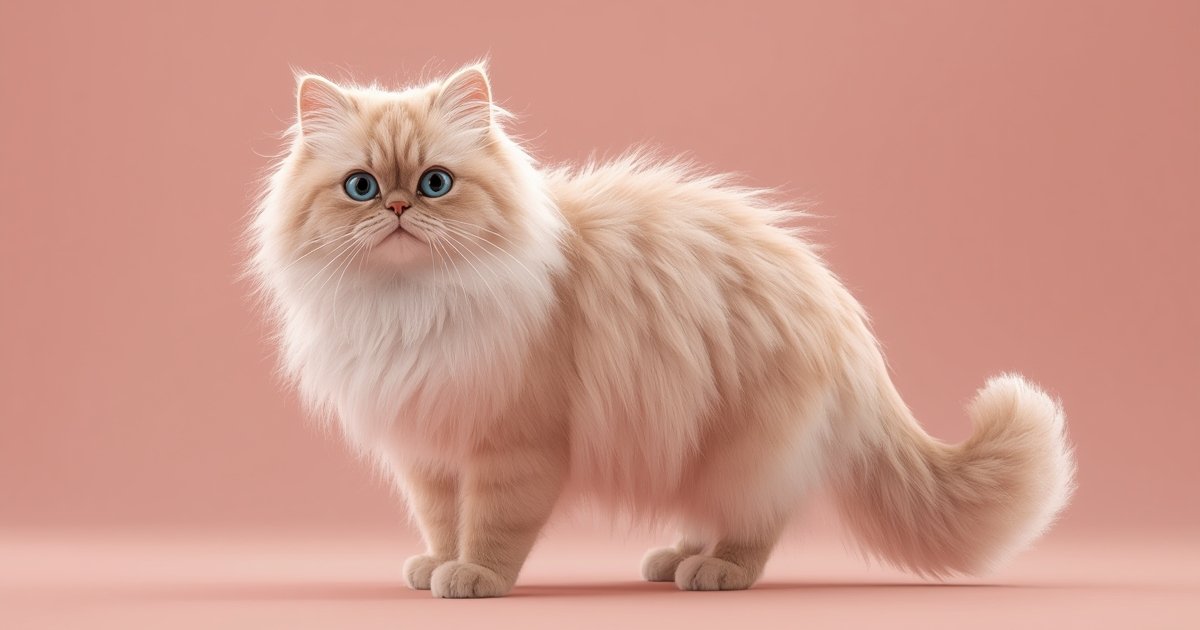
Meta Description: Unlock the secrets to a tangle-free, silky coat for your Persian cat by 2026! Discover expert Persian grooming tips, essential tools, and daily routines.
Understanding the Persian Coat: A Magnificent Challenge
Every Persian cat owner dreams of that iconic, luxurious coat – flowing, silky, and utterly magnificent. Yet, the reality can often be a daily battle against tangles, mats, and shedding. By 2026, we’re not just hoping for a beautiful coat; we’re providing the definitive guide to achieving it with expert Persian grooming techniques. This isn’t just about aesthetics; regular grooming is crucial for your cat’s health, comfort, and overall well-being. Let’s dive into the strategies that will transform your feline friend’s fur into a masterpiece of softness and shine.
Persian cats are renowned for their stunning long coats, which are actually a double layer of fur. This includes long, fine guard hairs and a dense, woolly undercoat. While beautiful, this combination is particularly prone to matting and tangling, making consistent Persian grooming a non-negotiable part of their care.
The unique structure of their fur means that dead hair gets easily trapped within the live coat, leading to knots that can quickly escalate into painful mats. These mats not only pull on the skin but can also hide skin irritations, parasites, and infections. Furthermore, the extensive shedding contributes to a higher risk of hairballs, which can cause significant digestive issues for your cat.
Proactive care is the cornerstone of maintaining a healthy Persian coat. Waiting until tangles become severe mats makes the grooming process more difficult and uncomfortable for your cat. Establishing a consistent routine from a young age can make all the difference, turning grooming into a pleasant bonding experience rather than a dreaded chore. Understanding the challenges of their coat is the first step toward mastering the art of Persian grooming and ensuring your feline companion stays happy and healthy.
The Daily Ritual: Essential Tools and Techniques for Effective Persian Grooming
Mastering daily Persian grooming is the secret to preventing mats and maintaining that signature luxurious look. This isn’t just a sporadic task; it’s a consistent routine that builds trust and keeps your cat comfortable. Investing in the right tools and learning proper techniques will make all the difference in your grooming journey.
Brushing Routine: Frequency and Technique
Your Persian cat needs to be brushed daily, without exception. This daily ritual prevents minor tangles from becoming major mats and helps distribute natural oils, keeping the coat healthy and shiny. A thorough brushing session should ideally last 15-20 minutes, depending on the length and density of your cat’s fur.
The most effective technique for Persians is “line brushing.” This involves parting the fur down to the skin, working section by section. Start at the bottom of a leg or flank, lift a small section of fur, and brush downwards, slowly revealing the skin. Once that section is tangle-free, drop another small layer of fur over it and repeat the process, working your way across the entire body. This method ensures you reach all layers of the coat and remove every loose hair and budding tangle.
Specific Brushes for Persian Grooming
Having the right arsenal of grooming tools is crucial for effective Persian grooming. Each brush serves a specific purpose, working together to keep your cat’s coat in pristine condition. Don’t skimp on quality, as well-made tools will be more gentle on your cat and last longer.
– Metal Comb: A wide-toothed metal comb is your primary tool. It’s essential for detangling knots and checking for any mats you might have missed with a brush. Always use a comb after brushing to ensure the coat is truly free of tangles down to the skin.
– Slicker Brush: This brush has fine wire bristles closely set together. It’s excellent for removing loose undercoat hair and smoothing out the topcoat. Use it gently, as the bristles can scratch the skin if too much pressure is applied, especially on sensitive areas.
– De-shedding Tool: Tools like the FURminator can be very effective for removing large amounts of dead undercoat, significantly reducing shedding and preventing hairballs. However, use these sparingly and with extreme caution, as overuse can damage the guard hairs or irritate the skin.
– Pin Brush: A pin brush with rounded pins can be used for general fluffing and finishing. It’s gentler than a slicker brush and can help separate the long guard hairs without pulling.
Comparison of Top Grooming Tools for Persians
Choosing the right tools is paramount for efficient and comfortable Persian grooming. Here’s a comparison of some popular options that can aid in maintaining your cat’s luxurious coat.
| Product | Price | Pros | Cons | Best For |
|---|---|---|---|---|
| Chris Christensen Big G Slicker Brush | $50-70 | Exceptional detangling, lifts undercoat effectively, gentle on skin due to unique pin design. | Higher price point, can be overwhelming for beginners. | Serious groomers and severe mat prevention. |
| Safari by Coastal Pet Products Metal Comb | $8-15 | Durable stainless steel, dual-sided (fine and coarse teeth), affordable and essential. | Can pull hair if not used carefully on knots, basic design. | Daily tangle checks and finishing touches. |
| FURminator deShedding Tool (Long Hair) | $30-50 | Significantly reduces shedding by removing loose undercoat, ergonomic handle. | Can cut healthy guard hairs if used improperly or too often, risk of skin irritation. | Seasonal de-shedding for cats with heavy undercoats. |
| Pet Republique Pin Brush | $10-20 | Gentle for daily use and fluffing, good for sensitive skin, comfortable grip. | Less effective for deep detangling or heavy undercoat removal. | Regular maintenance, gentle finishing, and sensitive cats. |
Nail Trimming, Ear Cleaning, and Eye Care
Beyond brushing, a comprehensive Persian grooming routine includes other vital aspects. These regular tasks prevent discomfort and potential health issues for your cat.
– Nail Trimming: Persian cats, especially indoor ones, need their nails trimmed every 2-4 weeks. Use sharp, cat-specific nail clippers. Only snip the very tip, avoiding the quick (the pink part), which contains blood vessels and nerves. If you’re unsure, ask your vet or a professional groomer for a demonstration.
– Ear Cleaning: Check your cat’s ears weekly for dirt, wax buildup, or any signs of infection (redness, odor, excessive scratching). Use a veterinarian-approved ear cleaner and a cotton ball or soft cloth to gently wipe the visible parts of the ear. Never insert anything into the ear canal.
– Eye Care: Persians are prone to tear staining due to their brachycephalic (flat-faced) structure. Gently wipe away tear stains daily with a damp, soft cloth or a specialized pet eye wipe. This prevents irritation and discoloration around their eyes. Always use a separate clean cloth for each eye to prevent cross-contamination.
Beyond the Brush: Bathing, Drying, and Professional Tips
While daily brushing is paramount, periodic bathing is an essential component of comprehensive Persian grooming. Bathing helps to remove accumulated dirt, dander, and excess oils that brushing alone cannot tackle, leaving the coat truly clean and refreshed. However, bathing a long-haired cat like a Persian requires patience and the right technique.
When and How to Bathe a Persian
The frequency of bathing can vary, but most Persian cats benefit from a bath every 4-6 weeks, or more often if their coat gets particularly dirty or greasy. Start by thoroughly brushing your cat to remove any mats or tangles before bathing. Water can tighten mats, making them nearly impossible to remove wet.
Prepare everything beforehand: several towels, non-slip mat for the tub, cat-specific shampoo and conditioner, and a cup or sprayer for rinsing. Use lukewarm water, never hot. Gently wet your cat from the neck down, being careful to avoid getting water in their ears or eyes. Apply diluted shampoo, lathering gently, then rinse thoroughly. Follow with conditioner, letting it sit for a few minutes before a final, meticulous rinse. Any shampoo residue can irritate the skin and attract dirt.
Thorough Drying Techniques
Proper drying is just as important as bathing, especially for a Persian’s thick coat. Inadequate drying can lead to skin issues, chills, and matting. Start by gently squeezing excess water from their fur. Wrap your cat in a clean, absorbent towel and gently pat them dry.
For a truly fluffy and tangle-free finish, a forced-air pet dryer (often called a high-velocity dryer) is highly recommended. These dryers use air, not heat, to quickly separate and dry the fur down to the skin. Keep the nozzle moving constantly and ensure the air is not directed directly at their face or ears for prolonged periods. Brush as you dry to prevent tangles from forming and to achieve that beautiful, flowing coat.
When to Seek Professional Groomers for Advanced Persian Grooming
While DIY Persian grooming is achievable, there are times when a professional groomer is invaluable. If your cat develops severe matting that you cannot safely remove, a professional can often shave or carefully de-mat without causing pain or injury. They also have specialized equipment, like bathing tubs designed for large cats and powerful dryers, that can make the process faster and less stressful.
Professional groomers can also handle specific services like lion cuts, sanitary shaves, and intricate detangling that might be too complex for an owner. For cats that are particularly resistant to grooming or have special needs, a professional can often provide a more humane and efficient experience. Consider a professional visit every few months, even if you do daily maintenance, to ensure their coat stays in top condition.
Nutrition, Supplements, and Health: The Internal Secret to a Silky Coat
A truly magnificent coat doesn’t just come from external Persian grooming; it’s also a reflection of your cat’s internal health. What you feed your Persian cat plays a crucial role in the luster, strength, and overall health of their fur. A poor diet can lead to dull, dry, and brittle fur, making it more prone to tangles and shedding.
High-Quality Diet for Coat Health
The foundation of a healthy coat starts with a high-quality, balanced diet. Look for cat foods that list meat (like chicken, salmon, or turkey) as the first ingredient, indicating a good source of animal-based protein. Protein is essential for hair growth and strength. Avoid foods with excessive fillers, artificial colors, or by-products.
Specifically, look for ingredients rich in omega-3 and omega-6 fatty acids. These essential fatty acids are vital for skin hydration, reducing inflammation, and promoting a shiny, soft coat. Many premium cat foods are fortified with these nutrients, often derived from fish oil, flaxseed, or chicken fat.
Supplements for a Healthy Coat
Even with a good diet, some Persian cats can benefit from targeted supplements, especially those prone to dry skin or excessive shedding. Always consult your veterinarian before adding any supplements to your cat’s diet to ensure they are appropriate and correctly dosed.
– Fish Oil: A popular supplement, fish oil (particularly salmon or krill oil) is a concentrated source of omega-3 fatty acids (EPA and DHA). It can significantly improve coat shine, reduce dryness, and minimize shedding. It often comes in liquid form or capsules that can be added to food.
– Biotin: This B-vitamin is known for its role in skin and hair health. While typically included in complete cat foods, some cats with specific deficiencies or poor coat quality might benefit from additional biotin, which can strengthen hair follicles and improve hair texture.
– Specialized Skin and Coat Supplements: Many brands offer combined supplements specifically formulated for feline skin and coat health. These often contain a blend of omega fatty acids, vitamins (like E and B complex), and minerals (like zinc) that work synergistically to promote a healthy, lustrous coat.
Hydration’s Role and Regular Vet Check-ups
Proper hydration is just as crucial as nutrition for coat health. A dehydrated cat will have dry skin, which can lead to a dull coat and increased flaking (dandruff). Ensure your Persian cat always has access to fresh, clean water. Many cats prefer drinking from ceramic or stainless steel bowls, and some are enticed by pet water fountains, which keep water aerated and flowing.
Finally, regular veterinary check-ups are essential. Your vet can identify underlying health issues that might be affecting your cat’s coat quality, such as allergies, thyroid imbalances, or nutritional deficiencies. They can provide tailored advice on diet and supplements, ensuring your Persian grooming efforts are supported by optimal internal health. A healthy cat from the inside out is a cat with a truly magnificent, silky coat.
Solving Common Grooming Challenges: Mats, Dandruff, and Skin Issues
Even with the most diligent Persian grooming routine, challenges can arise. Mats, dandruff, and various skin issues are common concerns for Persian owners. Knowing how to address them effectively and safely is crucial for your cat’s comfort and well-being.
Dealing with Mats: A Gentle Approach
Mats are arguably the biggest challenge for Persian cat owners. They form when tangles are left unaddressed, compacting into dense, painful knots that pull on the skin. Attempting to pull or cut mats incorrectly can cause significant pain or injury to your cat. A gentle and systematic approach is key.
– Use Your Fingers: For small, loose mats, gently try to tease them apart with your fingers first. This is the least invasive method. Start from the outer edge of the mat and work your way inward.
– Mat Splitter or Dematting Comb: These specialized tools can help cut through the mat in a way that minimizes pulling. Always place your fingers between the mat and your cat’s skin to protect them from accidental cuts. Work slowly and patiently, tackling small sections at a time.
– Never Use Scissors Carelessly: If you must use scissors, use blunt-nosed grooming scissors and always point them away from the skin. Slide a metal comb underneath the mat, against the skin, to create a barrier before attempting to snip. If a mat is too close to the skin or too large, it’s always safer to consult a professional groomer or your vet. They have the expertise and tools to remove severe mats safely, sometimes requiring sedation.
Addressing Dandruff: Diet, Humidity, and Shampoos
Dandruff (seborrhea) in Persian cats often appears as flaky, white particles in their fur, sometimes accompanied by an oily or dry coat. This can be caused by various factors, including diet, environmental humidity, and underlying health conditions.
– Diet Adjustments: Ensure your cat is on a high-quality diet rich in omega fatty acids. Adding a fish oil supplement can significantly improve skin hydration and reduce flakiness. Dehydration can also contribute to dry skin, so always ensure ample fresh water access.
– Environmental Humidity: Low humidity, especially during winter months with indoor heating, can dry out your cat’s skin. Consider using a humidifier in areas where your cat spends a lot of time to add moisture to the air.
– Medicated Shampoos: If dandruff persists, consult your veterinarian. They may recommend a medicated shampoo specifically formulated to treat seborrhea. These shampoos often contain ingredients like salicylic acid or coal tar to help exfoliate the skin and manage oil production. Follow the usage instructions carefully, as these shampoos typically require a contact time on the skin before rinsing.
Recognizing and Treating Skin Irritations
Beneath that thick fur, Persian cats can develop various skin irritations, often hidden by their long coat. Regular Persian grooming provides an excellent opportunity to inspect their skin for any issues. Look for redness, bumps, scabs, bald spots, excessive scratching, or foul odors.
Common skin issues include:
– Flea Allergies: Even a single flea bite can cause intense itching and irritation in sensitive cats. Regular flea prevention is crucial.
– Fungal Infections (Ringworm): These can cause circular patches of hair loss and scaly skin. Ringworm is contagious and requires veterinary treatment.
– Bacterial Infections: Often secondary to scratching or other skin conditions, these can cause pustules, redness, and crusting. Antibiotics may be necessary.
– Environmental Allergies: Cats can be allergic to pollen, dust mites, or other environmental factors, leading to itchy skin. Management often involves identifying and minimizing exposure to allergens, and sometimes medication.
Any persistent skin issue warrants a visit to the veterinarian. Early diagnosis and treatment are key to preventing discomfort and more serious health problems for your beloved Persian.
Creating a Stress-Free Grooming Experience
Persian grooming doesn’t have to be a battle. With patience, positive reinforcement, and a consistent approach, you can transform grooming sessions into a calm and even enjoyable bonding time for both you and your cat. The key is to make it a positive experience from the very beginning.
Starting Early: Kitten Grooming
The best time to introduce grooming is when your Persian is a kitten. Kittens are naturally more adaptable and less resistant to new experiences. Start with very short sessions (just a few minutes) of gentle brushing, handling their paws, and touching their ears and mouth.
Make these early interactions positive by associating them with treats, praise, and gentle petting. Even if they don’t have a full coat yet, getting them accustomed to the tools and touch will make future, more intensive Persian grooming sessions much easier. Consistency is vital; regular, brief exposure is more effective than infrequent, long, stressful sessions.
Positive Reinforcement: Treats and Praise
Cats respond incredibly well to positive reinforcement. During and immediately after a grooming session, reward your Persian with their favorite treats, affectionate praise, or a short play session. This helps them associate grooming with pleasant outcomes, making them more cooperative over time.
If your cat shows signs of stress or fear (e.g., struggling, hissing, growling, tail twitching), stop the session immediately. Forcing them will only worsen their aversion. Try again later for a shorter duration, perhaps focusing on a less sensitive area. The goal is to build a positive association, not to “win” a struggle.
Creating a Calm Environment
The environment in which you groom your cat significantly impacts their cooperation. Choose a quiet, familiar room where your cat feels safe. Minimize distractions like loud noises, other pets, or bustling activity. A comfortable, non-slip surface where your cat feels secure is also important; this could be a table with a mat, or even your lap for very calm cats.
Consider playing calming music or using feline pheromone diffusers (like Feliway) to create a more relaxed atmosphere. A consistent routine also helps: try to groom at the same time each day, so your cat knows what to expect. A predictable schedule reduces anxiety and makes them more accepting of the Persian grooming process.
Patience and consistency are truly the cornerstones of successful Persian grooming. It’s a marathon, not a sprint. With dedication, understanding, and a loving approach, you can ensure your Persian cat not only looks magnificent but also enjoys the process, strengthening the bond you share.
Frequently Asked Questions About Persian Grooming
How often should I groom my Persian cat?
Your Persian cat needs daily brushing to prevent mats and tangles, given their long, dense double coat. This daily routine helps remove loose hair, distribute natural oils, and maintain coat health. Other tasks like nail trimming and ear checks should be done every 2-4 weeks, and baths typically every 4-6 weeks.
What’s the best brush for a Persian cat?
A combination of tools is best for Persian grooming. A wide-toothed metal comb is essential for detangling and checking for mats. A slicker brush with fine wire bristles is excellent for removing undercoat and smoothing the topcoat. A pin brush can be used for general fluffing, and a de-shedding tool (used sparingly) helps with heavy shedding.
Can I shave my Persian cat?
While some owners opt for a “lion cut” or sanitary shave, shaving a Persian cat should be done carefully and, ideally, by a professional groomer. Their double coat can sometimes grow back unevenly or change texture after shaving. It can also strip them of their natural insulation. Shaving is typically recommended for severe matting that cannot be safely brushed out, or sometimes for extreme heat, but always consult your vet or groomer first.
How do I prevent mats in my Persian cat’s fur?
The most effective way to prevent mats is through daily, thorough brushing, especially using the “line brushing” technique to reach the undercoat. Regular baths with appropriate shampoos and conditioners, followed by complete drying, also help. A high-quality diet rich in omega fatty acids supports a healthy coat, making it less prone to tangling. Using a detangling spray during brushing can also aid prevention.
What foods promote a healthy coat for my Persian cat?
For a silky, healthy coat, feed your Persian a high-quality cat food with real meat as the primary ingredient. Look for formulas rich in omega-3 and omega-6 fatty acids, often derived from fish oil, flaxseed, or chicken fat. These essential fatty acids are crucial for skin hydration and coat luster. Consider a vet-approved omega supplement if their diet alone isn’t sufficient.
References and Further Reading
- ASPCA Cat Grooming Tips
- PetMD: Grooming Your Persian Cat
- International Cat Care: Grooming Your Cat
- Cornell Feline Health Center: Nutrition for Your Cat
Maintaining a Persian cat’s iconic coat is a commitment, but the rewards—a happy, healthy feline with magnificent fur—are immeasurable. By embracing these expert Persian grooming techniques, investing in the right tools, prioritizing their nutrition, and creating a positive grooming environment, you’re set to achieve a truly tangle-free, silky coat by 2026 and beyond. Consistency and love are your greatest allies in this beautiful journey.
Ready to transform your Persian’s coat? Share your favorite grooming tips or success stories with us! For more in-depth advice on feline health and care, explore our other articles or contact our team directly. We’re here to help you and your beloved companion thrive.
Leave a Reply