

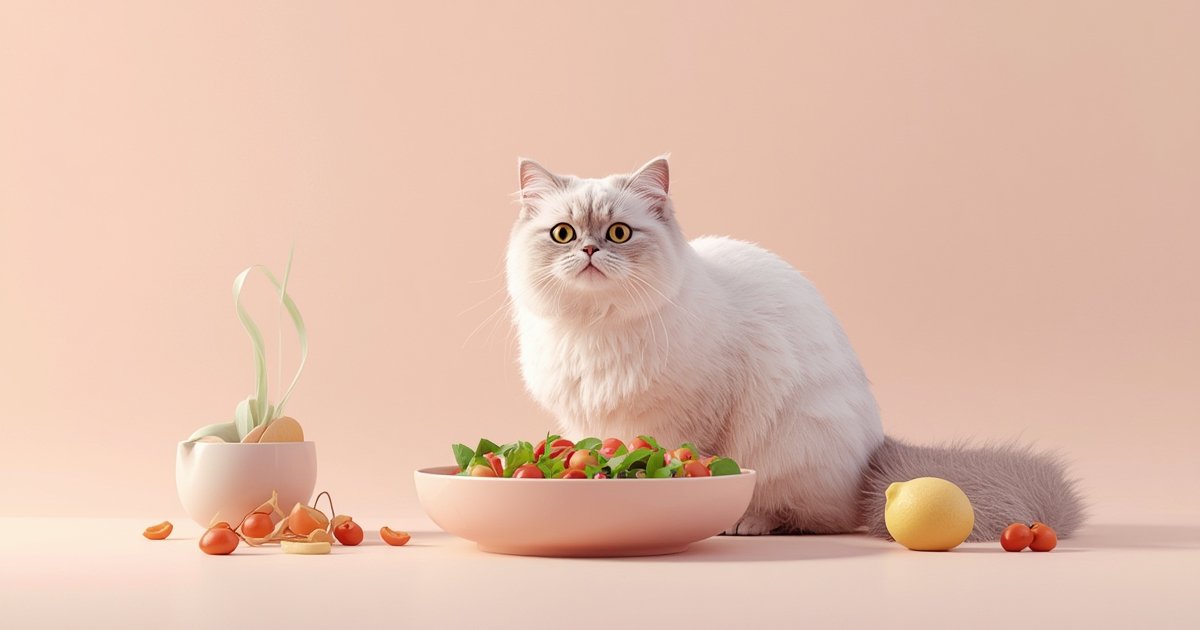
Unlock the secrets to your Persian cat’s optimal health and longevity. Discover the ideal Persian Diet, essential nutrients, and common feeding mistakes to ensure a happy, vibrant life for your feline companion.
Understanding the Unique Nutritional Needs of Persian Cats
Persian cats are renowned for their majestic appearance, luxurious long coats, and gentle demeanor. However, their distinctive physical traits also come with unique dietary considerations that are crucial for their overall health and longevity. Understanding these specific needs is the first step in formulating the perfect Persian Diet.
Their brachycephalic (flat) facial structure can make eating challenging. It means they often struggle with picking up kibble and can gulp air while eating, leading to digestive upset. Therefore, the shape and size of their food are important, as is the bowl they eat from.
Furthermore, their magnificent long coats are prone to hairballs, requiring a diet rich in fiber to aid digestion and help pass ingested hair. Persian cats also tend to have more sensitive digestive systems compared to other breeds, making a consistent, high-quality Persian Diet essential to prevent issues like vomiting and diarrhea. Their predisposition to certain health conditions, such as polycystic kidney disease and hyperparathyroidism, also underscores the importance of a meticulously balanced diet.
Key Components of the Ideal Persian Diet
Crafting an optimal Persian Diet revolves around providing a balance of high-quality proteins, essential fats, digestible carbohydrates, and vital vitamins and minerals. These components work synergistically to support their unique physiology, from their luxurious coat to their delicate digestive system.
High-Quality Animal Protein
Protein is the cornerstone of any feline diet, and for Persian cats, it’s especially critical. Animal-based protein sources, such as chicken, turkey, salmon, and beef, provide the necessary amino acids that cats cannot synthesize themselves. These amino acids are vital for muscle maintenance, tissue repair, enzyme production, and a strong immune system.
For Persian cats, a diet rich in high-quality protein also supports the health and luster of their extensive coat, minimizing shedding and promoting healthy skin. Look for cat foods where a named meat source is the first ingredient, indicating a truly protein-rich formula. Avoid generic “meat by-products” as the primary protein source.
Essential Fatty Acids (Omega-3 & Omega-6)
Fats are not just an energy source; essential fatty acids play a crucial role in maintaining skin integrity and coat health, which is paramount for Persian cats. Omega-3 fatty acids, found in fish oil (salmon, sardine, anchovy) and flaxseed, have anti-inflammatory properties that can soothe skin irritations and reduce shedding.
Omega-6 fatty acids, typically found in poultry fat and certain plant oils, are important for a healthy skin barrier. A balanced ratio of these fatty acids is vital for a glossy coat, reduced dryness, and overall skin health, contributing significantly to a healthy Persian Diet. These fats also support cognitive function and vision.
Balanced Carbohydrates and Fiber
While cats are carnivores, a small amount of digestible carbohydrates can provide energy. However, the focus for Persian cats should be on complex carbohydrates from whole grains or vegetables, which are slowly digested. More importantly, fiber plays a critical role in a Persian cat’s diet, primarily for hairball management.
Dietary fiber helps ingested hair pass through the digestive tract smoothly, preventing the formation of hairballs. Sources of fiber include psyllium husk, beet pulp, and certain vegetables. A diet with adequate fiber can significantly reduce the frequency and severity of hairballs, improving your cat’s comfort and digestive health.
Vitamins and Minerals
A complete and balanced Persian Diet must include a full spectrum of vitamins and minerals. Taurine, an amino acid essential for cats, is critical for heart health and vision. Its deficiency can lead to serious health problems. Vitamins A, B complex, D, and E, along with minerals like calcium, phosphorus, zinc, and selenium, are all necessary for various bodily functions.
Commercial cat foods designed for “all life stages” or “adult maintenance” are typically fortified with these nutrients. However, always check the nutrient analysis to ensure it meets the AAFCO (Association of American Feed Control Officials) standards for feline nutrition. A deficiency in any of these vital components can impact your Persian cat’s long-term health.
Choosing the Right Food for Your Persian Cat
Selecting the appropriate food is perhaps the most impactful decision you’ll make regarding your Persian cat’s health. With countless options available, it’s essential to focus on formulations specifically designed for breeds with unique needs or those catering to general feline health with high-quality ingredients. Consideration should be given to both dry kibble and wet food options, as each has its benefits.
Dry kibble is convenient, helps keep teeth clean, and can be left out for free feeding (though portion control is often recommended). However, its lower moisture content requires careful attention to your cat’s hydration. For Persian cats, the kibble shape is paramount; flat, disc-shaped, or irregular pieces are easier for them to pick up with their brachycephalic faces.
Wet food provides excellent hydration, which is beneficial for kidney and urinary tract health, common concerns for many cats. It can also be more palatable and easier for cats with dental issues to eat. The downside is that it spoils quickly and can be more expensive. Many owners opt for a mixed feeding approach, combining dry kibble and wet food to harness the benefits of both.
When reading food labels, look for a named meat as the first ingredient (e.g., “chicken” instead of “poultry meal”). Ensure the guaranteed analysis shows high protein, moderate fat, and low carbohydrates. The food should also state that it meets AAFCO nutritional standards for your cat’s life stage (kitten, adult, or all life stages). Avoid foods with excessive fillers, artificial colors, flavors, or preservatives.
Comparison of Popular Persian Cat Food Options
Choosing the right cat food can feel overwhelming given the vast array of options. To help simplify the decision for your beloved Persian, here’s a comparison of some popular cat food options often considered for breeds with specific needs. Remember, individual preferences and sensitivities vary, so what works for one Persian may not be ideal for another. Always introduce new foods gradually over several days to avoid digestive upset.
| Product | Price | Pros | Cons | Best For |
|---|---|---|---|---|
| Royal Canin Persian Adult Dry Cat Food | $$$ | Specifically formulated kibble shape for brachycephalic jaws; contains fibers for hairball reduction and Omega fatty acids for coat health. | Higher price point; some formulas include corn and wheat, which some owners prefer to avoid. | Persian cats requiring breed-specific kibble design and comprehensive coat care. |
| Blue Buffalo Indoor Health Chicken & Brown Rice Recipe | $$ | High-quality deboned chicken as first ingredient; contains L-Carnitine for healthy weight and fiber for hairball control; no corn, wheat, or soy. | Kibble shape might not be as ideal as breed-specific formulas for some Persians; price is moderate to high. | Persian cats needing a high-quality, natural ingredient diet focused on indoor health and hairball management. |
| Purina Pro Plan Specialized Hairball Management Chicken & Rice Formula | $$ | Formulated with natural fiber to help control hairballs; contains prebiotics for digestive health; highly palatable for most cats. | Kibble shape is standard, not breed-specific; contains some by-products which some owners avoid. | Persian cats prone to frequent hairballs and needing a good balance of overall nutrition. |
| Wellness CORE Grain-Free Indoor Chicken & Turkey Pate | $$$ | Grain-free wet food, high in protein from chicken and turkey; excellent moisture content for hydration and urinary tract health. | Higher price per serving; wet food requires refrigeration after opening and may not be suitable for free feeding. | Persian cats with sensitive stomachs, requiring high moisture intake, or those preferring a grain-free diet. |
Feeding Strategies and Portion Control for Optimal Health
Once you’ve selected the ideal Persian Diet, implementing proper feeding strategies is equally important to ensure your cat thrives. How you feed your Persian is just as crucial as what you feed them, impacting everything from digestion to weight management and overall happiness.
Addressing Common Dietary Challenges in Persian Cats
Persian cats, with their unique physiology, are prone to certain dietary challenges that savvy owners need to address proactively. Understanding these issues and how to mitigate them through diet and lifestyle can significantly improve your cat’s quality of life.
Hairball Management
Hairballs are a common nuisance for long-haired breeds like Persians. Their diligent self-grooming means they ingest a lot of loose hair, which can accumulate in their digestive tract. While a certain amount of hairball regurgitation is normal, frequent or large hairballs indicate a need for intervention.
Dietary fiber is your best friend here. Look for foods labeled “hairball control” that contain ingredients like psyllium husk, beet pulp, or special blends of dietary fibers. These fibers help move ingested hair through the digestive system, reducing the likelihood of hairball formation. Regular grooming, including daily brushing, also drastically reduces the amount of hair your cat ingests.
Sensitive Stomachs and Allergies
Many Persian cats have sensitive digestive systems, manifesting as vomiting, diarrhea, or loss of appetite. Identifying the trigger is key. Sometimes, it’s a specific ingredient your cat is intolerant or allergic to. Common culprits include certain proteins (e.g., beef, dairy), grains (e.g., corn, wheat), or artificial additives.
A limited ingredient diet (LID) or a novel protein diet (featuring proteins like duck or venison that your cat hasn’t encountered before) can be beneficial. These diets simplify the ingredient list, making it easier to pinpoint and eliminate the offending food. Always consult your veterinarian before making significant dietary changes, especially if you suspect an allergy or intolerance. They may recommend a hypoallergenic diet or further diagnostic tests.
Weight Management
Obesity is a growing concern for household pets, and Persian cats are no exception. An overweight cat is at higher risk for conditions like diabetes, arthritis, and heart disease. Proper portion control and regular physical activity are vital for maintaining a healthy weight.
Follow the feeding guidelines on your cat food packaging, but adjust them based on your cat’s activity level, age, and body condition. Instead of free-feeding, consider scheduled meal times with measured portions. Engaging your Persian in interactive play sessions daily can also burn calories and keep them mentally stimulated. If your cat is already overweight, your vet can recommend specific weight management formulas that are lower in calories but still provide essential nutrients.
Supplements and Treats: When and What to Offer
While a complete and balanced commercial cat food should provide all the necessary nutrients, there are instances where supplements or specific treats can complement your Persian Diet, always under veterinary guidance. The key is moderation and informed choices to avoid over-supplementation or unhealthy habits.
Supplements should never replace a high-quality diet but can address specific deficiencies or health concerns. For example, some Persian cats may benefit from additional Omega-3 fatty acids for extra coat luster or joint health, especially as they age. Probiotics can support a healthy gut microbiome, which is particularly useful for cats with sensitive stomachs or during periods of stress. Multivitamin supplements are generally unnecessary if your cat is on a balanced diet, unless specifically recommended by your vet due to a diagnosed deficiency.
When it comes to treats, remember they are just that – treats, not meal replacements. They should make up no more than 10% of your cat’s daily caloric intake to prevent weight gain and ensure they are still getting their primary nutrition from their food. Opt for healthy, cat-specific treats that are low in calories and free from artificial colors, flavors, and excessive fillers. Freeze-dried meat treats are often a good choice, providing a protein boost without unnecessary ingredients. Avoid giving human foods like milk (most cats are lactose intolerant), chocolate, onions, or garlic, which can be toxic to cats.
Always introduce any new supplement or treat gradually and monitor your cat for any adverse reactions. Regular consultations with your veterinarian will help you determine if supplements are truly necessary for your individual Persian cat and which ones are most appropriate for their unique needs. A well-chosen supplement, used judiciously, can play a supportive role in extending your Persian cat’s long and happy life.
Ensuring your Persian cat thrives involves a holistic approach, with the Persian Diet at its very core. From selecting high-quality, breed-appropriate foods rich in protein and essential fatty acids, to implementing careful feeding strategies and addressing common challenges like hairballs and sensitive stomachs, every choice you make contributes to their well-being. Regular veterinary check-ups and a proactive approach to their nutritional needs will help you navigate their unique requirements, ensuring your beloved feline companion enjoys a vibrant, healthy, and long life by your side. Take the first step towards enhancing your Persian’s health today by reviewing their current diet and consulting with your veterinarian for personalized advice.
For further inquiries or to explore more advanced nutritional planning for your specific pet, please contact us.
Frequently Asked Questions (FAQ)
How often should I feed my Persian cat?
Most adult Persian cats do well with two meals per day, ideally morning and evening. Kittens, pregnant, or lactating queens may require more frequent feedings. It’s crucial to stick to a consistent schedule and measure portions to prevent overeating.
Can Persian cats eat human food?
While some human foods are safe in tiny amounts (like plain cooked chicken), many are not. Foods like chocolate, onions, garlic, grapes, and xylitol are toxic to cats. Dairy products can cause digestive upset. It’s best to stick to cat-specific foods and treats to ensure a balanced Persian Diet and avoid potential health issues.
What causes hairballs in Persian cats and how can diet help?
Persian cats ingest loose hair during grooming due to their long coats. This hair can accumulate in the stomach, forming hairballs that are then regurgitated. A diet rich in dietary fiber helps ingested hair pass through the digestive tract smoothly, reducing hairball formation. Regular brushing is also vital.
Is grain-free food better for Persian cats?
The term “grain-free” can be misleading. While some cats may have sensitivities to certain grains, there’s no universal evidence that grain-free diets are inherently superior for all cats. Some grain-free foods replace grains with other carbohydrate sources like potatoes or legumes, which aren’t necessarily healthier. Consult your vet before switching to a grain-free Persian Diet, especially if your cat doesn’t show specific sensitivities.
How can I tell if my Persian cat’s diet is working?
A healthy Persian cat on an appropriate diet will exhibit several signs of well-being: a shiny, soft coat, clear eyes, good energy levels, a healthy appetite, consistent litter box habits (well-formed stools), and maintenance of an ideal body weight. Any changes in these indicators could suggest a need to re-evaluate their Persian Diet with your vet.
Leave a Reply