

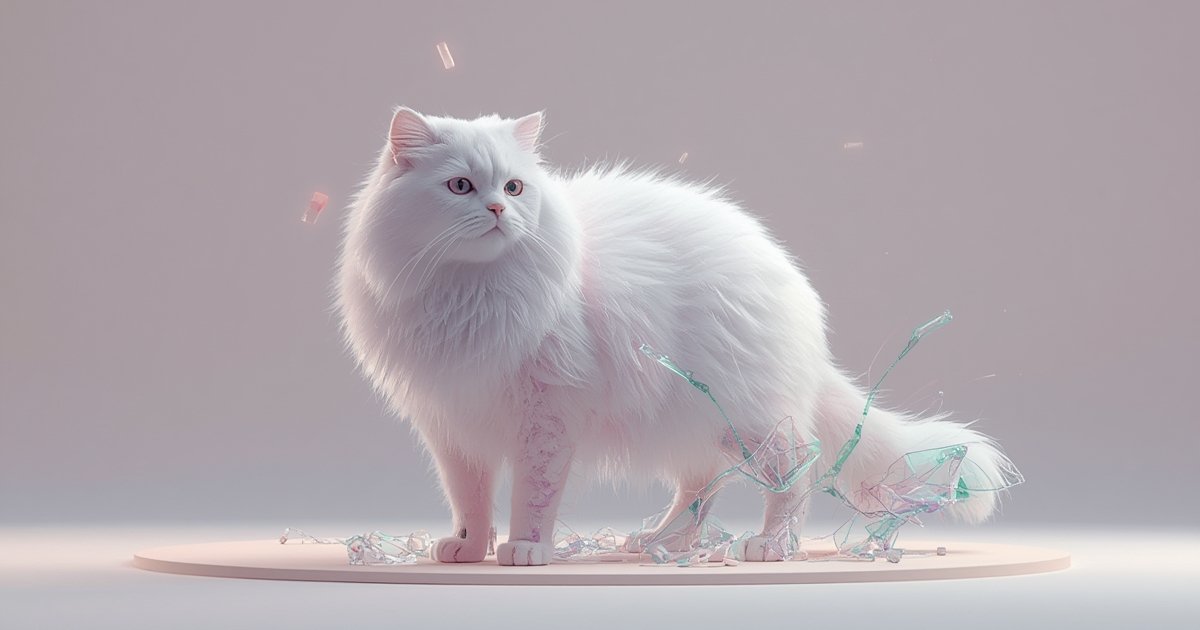
Unlock secrets to optimal Persian Health and longevity. Discover essential tips on nutrition, grooming, and preventative care to ensure your beloved Persian cat thrives for years to come. Your ultimate guide for 2026.
Understanding the Unique Needs of Persian Cats
Persian cats are renowned for their majestic appearance, sweet disposition, and luxurious long coats. Their distinctive features, however, come with specific health considerations that require dedicated care. Understanding these unique characteristics is the first step towards ensuring optimal Persian Health and a long, happy life for your feline companion.
Originating from Persia (modern-day Iran), these cats were bred for their beauty. Their flat, “brachycephalic” faces and dense, flowing fur are signature traits. These features, while endearing, mean that Persians have particular needs in areas like breathing, eye care, and grooming, all crucial aspects of their overall wellbeing.
Physical Traits Impacting Persian Health
The brachycephalic (flat-faced) skull structure is perhaps the most defining physical trait of the Persian cat. While it gives them an adorable, doll-like expression, it can also lead to various respiratory and ocular challenges. Their shortened nasal passages and elongated soft palates can make breathing difficult, especially in warm weather or during strenuous activity.
Their large, expressive eyes are another beautiful feature. However, the facial structure often causes tear ducts to be blocked or overflow, leading to epiphora (excessive tearing) and subsequent tear staining. Regular cleaning is vital to prevent irritation and infection around the eyes.
Temperament and Behavioral Considerations
Persians are generally calm, gentle, and affectionate cats. They prefer a peaceful environment and are not typically high-energy or overly demanding. This placid nature means they might not always show obvious signs of discomfort or illness, making it even more important for owners to be observant and proactive about their Persian Health.
Their love for lounging also means they can be prone to weight gain if their diet and activity levels aren’t properly managed. A comfortable, clean, and stimulating indoor environment is essential, as their delicate coats and facial structure make them ill-suited for an outdoor lifestyle.
Essential Nutrition for Peak Persian Health
Diet plays a foundational role in your Persian cat’s overall health and longevity. Providing the right balance of nutrients can prevent common issues like hairballs, obesity, and dental problems, all contributing significantly to good Persian Health.
Choosing the correct food involves understanding their specific breed requirements and individual needs. A premium diet is an investment in their long-term well-being and can save on future veterinary costs.
Choosing the Right Diet
When selecting food for your Persian, look for formulas specifically designed for long-haired or brachycephalic breeds, if available. The primary focus should be on high-quality ingredients.
– High-Quality Protein: Cats are obligate carnivores, meaning they require a diet rich in animal-based protein. Look for real meat (chicken, turkey, fish, beef) as the first ingredient.
– Low Carbohydrates: Excess carbohydrates can contribute to weight gain and may not provide the necessary nutrients for a cat’s metabolism. Avoid foods with excessive fillers like corn, wheat, and soy.
– Importance of Wet Food: Wet food provides essential moisture, which is crucial for kidney and urinary tract health, especially for cats who don’t drink enough water. It can also be more palatable and easier for flat-faced cats to eat than dry kibble.
– Addressing Dental Health Through Diet: While wet food is beneficial, some dry kibble varieties are formulated to help clean teeth. Consider a mix of wet and dental-specific dry food, or supplement with dental treats.
Special Dietary Considerations
Beyond the basics, Persian cats often benefit from specific dietary adjustments to address their unique challenges.
– Hairball Prevention Formulas: Due to their luxurious long coats, Persians are prone to hairballs. Many cat foods contain natural fibers (like psyllium husk or beet pulp) that help ingested hair pass through the digestive system more easily.
– Managing Weight: Persian cats’ sedentary nature can make them susceptible to obesity. Monitor their food intake and body condition score regularly. Your vet can help you determine the ideal weight and calorie intake for your cat.
– Hydration: Adequate water intake is critical for kidney and urinary tract health. Besides wet food, consider using a pet water fountain, which encourages cats to drink more by providing fresh, flowing water. Multiple water bowls placed in different locations can also increase water consumption.
Grooming for a Healthy and Happy Persian
The Persian cat’s iconic long coat is beautiful but requires significant commitment to maintain. Regular grooming is not just about aesthetics; it’s a vital component of their Persian Health regimen, preventing painful mats, skin infections, and promoting overall hygiene.
A consistent grooming routine will keep their coat free of tangles, their skin healthy, and their eyes clear, directly impacting their comfort and well-being.
Daily Brushing Regimen
Daily brushing is non-negotiable for a Persian cat. Without it, their fine, dense fur quickly mats, which can be extremely painful and lead to skin issues. A calm and gentle approach from a young age will help your cat tolerate and even enjoy grooming sessions.
– Tools: Invest in high-quality grooming tools. A wide-toothed metal comb is essential for detangling, while a slicker brush can help remove loose fur and distribute natural oils. A de-matting tool might be necessary for stubborn knots.
– Techniques: Start by gently combing through the coat, section by section, ensuring you reach down to the skin. Pay special attention to areas prone to matting, such as under the legs, around the neck, and the hindquarters. If you encounter a mat, try to gently tease it apart with your fingers or the wide-toothed comb before resorting to clippers.
– Importance for Skin and Coat Persian Health: Brushing not only prevents mats but also stimulates blood circulation, distributes skin oils for a healthy sheen, and allows you to check for any skin abnormalities, parasites, or lumps.
Bathing and Eye Care
While daily brushing is key, periodic bathing is also necessary to keep your Persian’s coat pristine and prevent skin problems.
– Frequency and Proper Shampoo: Most Persians benefit from a bath every 4-6 weeks. Use a cat-specific shampoo, preferably one formulated for long-haired cats or those with sensitive skin. Ensure you rinse thoroughly to avoid skin irritation.
– Tear Stain Prevention and Cleaning: Due to their flat faces, Persians often experience tear staining. Gently wipe their eyes daily with a soft, damp cloth or a vet-approved eye cleaner. This prevents the buildup of porphyrin (a pigment in tears) which causes the reddish-brown stains, and helps avoid skin irritation around the eyes.
– Nail Trimming and Ear Cleaning: Regularly trim your Persian’s nails every 2-4 weeks to prevent overgrowth and discomfort. Check their ears weekly for dirt, wax buildup, or signs of infection, and gently clean with a vet-approved ear cleaner if needed.
Recommended Grooming Tools Comparison
Choosing the right tools can make a significant difference in the effectiveness and ease of your grooming routine for optimal Persian Health.
| Product | Price | Pros | Cons | Best For |
|---|---|---|---|---|
| Andis Steel Pet Comb (7.5-inch) | $12-$18 | Excellent for detangling and removing loose fur; durable steel construction. | Can pull hair if not used gently, especially on mats. | Daily detangling and general coat maintenance. |
| Safari Self-Cleaning Slicker Brush | $15-$25 | Retractable pins make cleaning easy; effective for removing loose undercoat. | Pins can be sharp if used too aggressively; not ideal for severe matting. | Regular de-shedding and keeping the coat fluffy. |
| Eye Envy Tear Stain Remover Starter Kit | $40-$60 | Comprehensive kit designed specifically for tear stains; highly effective for white/light-colored cats. | Higher price point; requires consistent application for best results. | Targeted removal and prevention of tear stains. |
| Hertzko De-matting Tool | $10-$15 | Sharp blades safely cut through tough mats without pulling hair excessively. | Requires caution to avoid nicking the skin; not for everyday brushing. | Tackling stubborn or severely matted areas. |
Proactive Veterinary Care and Preventative Measures
Regular veterinary check-ups and a proactive approach to health are paramount for maintaining excellent Persian Health throughout their life. Preventative care helps catch potential issues early, often before they become serious problems.
Working closely with your veterinarian is key to developing a comprehensive health plan tailored to your Persian’s specific needs.
Regular Check-ups and Vaccinations
Even if your Persian appears healthy, annual veterinary visits are crucial. These check-ups allow your vet to perform a thorough physical examination, monitor vital signs, and discuss any concerns you might have.
– Annual Visits: These visits typically include a full body examination, weight check, and dental assessment. Early detection of issues like heart murmurs, dental disease, or changes in organ function can lead to more effective treatment.
– Core Vaccinations: Ensure your Persian is up-to-date on core vaccinations (FVRCP for Feline Viral Rhinotracheitis, Calicivirus, and Panleukopenia, and Rabies). Your vet will advise on non-core vaccines based on your cat’s lifestyle and risk exposure.
– Parasite Control: Regular prevention against fleas, ticks, and intestinal worms is essential. Your vet can recommend appropriate broad-spectrum parasiticides that are safe and effective for your Persian.
Understanding Common Persian Health Screenings
Persian cats are genetically predisposed to certain health conditions. Responsible breeding and proactive screening can significantly reduce the incidence and impact of these diseases, contributing positively to overall Persian Health.
– PKD (Polycystic Kidney Disease) Screening: This inherited condition causes cysts to form in the kidneys, leading to kidney failure. PKD is common in Persians, and screening via ultrasound can detect it early, allowing for dietary and medical management to slow its progression.
– HCM (Hypertrophic Cardiomyopathy) Screening: HCM is a common heart disease in cats, leading to thickening of the heart muscle. Regular cardiac screenings (echocardiograms) are recommended for Persians, especially if they are used for breeding or if a family history of HCM exists.
– Dental Care Assessments: Beyond diet, professional dental cleanings under anesthesia may be necessary. Your vet will assess your cat’s dental health during routine check-ups and recommend appropriate interventions.
The Role of Supplements in Persian Health
While a balanced diet is primary, certain supplements can provide additional support for your Persian’s specific needs or age-related conditions. Always consult your veterinarian before introducing any new supplements.
– Omega-3 Fatty Acids: Supplements containing EPA and DHA can promote healthy skin and a shiny coat, reduce inflammation, and support joint and cognitive function. They are particularly beneficial for Persians prone to skin issues or with dull coats.
– Joint Supplements: For older Persians or those with early signs of arthritis, supplements like glucosamine and chondroitin can help support joint health and mobility, improving their quality of life.
– Probiotics: If your Persian experiences digestive upset or has a sensitive stomach, probiotics can help maintain a healthy gut microbiome, improving digestion and nutrient absorption.
Addressing Common Persian Health Issues
Despite the best preventative care, Persian cats can still encounter specific health challenges due to their unique anatomy and genetic predispositions. Recognizing the signs and understanding how to address these issues is vital for ensuring prompt and effective treatment, thereby protecting your Persian Health.
Early intervention can often make a significant difference in the prognosis and management of these conditions.
Respiratory Problems (Brachycephalic Syndrome)
The flat face of the Persian can lead to Brachycephalic Airway Syndrome, a collection of anatomical abnormalities that obstruct airflow. This can manifest as noisy breathing, snoring, and exercise intolerance.
– Symptoms: Watch for excessive panting, open-mouth breathing (especially when not hot or stressed), snoring, and gagging. In severe cases, they might collapse or have difficulty breathing.
– Management: Keep your Persian in a cool, well-ventilated environment. Avoid strenuous exercise or exposure to extreme heat and humidity. Maintain a healthy weight to reduce pressure on their airways. In some severe cases, surgical correction may be recommended by a veterinary specialist.
– Environmental Control: Use air conditioning in summer. Avoid smoke, strong perfumes, or other irritants that can exacerbate respiratory issues.
Ocular Issues
Persians are prone to various eye conditions due to their facial structure. Beyond tear staining, other problems can arise.
– Epiphora (Excessive Tearing): This is often caused by blocked or malformed tear ducts. Daily cleaning is paramount to prevent skin irritation and infection from chronic dampness.
– Cherry Eye: This occurs when the gland of the third eyelid prolapses, appearing as a red mass in the corner of the eye. It often requires surgical correction.
– Entropion: A condition where the eyelid rolls inward, causing eyelashes to rub against the cornea. This is painful and can lead to ulcers, often requiring surgical correction.
– Daily Cleaning Routines: Use sterile saline or a vet-approved eye cleaner with soft cotton pads. Always wipe away from the eye, using a fresh pad for each eye to prevent cross-contamination.
Dermatological Concerns
Their dense, long coat, combined with their sedentary nature, can make Persians susceptible to skin and coat issues.
– Matting: The most common issue. Severe matting can pull on the skin, cause pain, restrict movement, and lead to skin infections or hot spots. Prevention through daily grooming is key. If mats are severe, professional grooming or veterinary intervention (sedated clipping) may be necessary.
– Skin Infections: Dampness from tear stains, trapped moisture in mats, or allergic reactions can lead to bacterial or fungal skin infections. Symptoms include redness, itching, hair loss, and scabbing.
– Allergies: Persians can suffer from environmental or food allergies, manifesting as excessive itching, scratching, or skin lesions. Identifying and removing the allergen, or managing symptoms with medication, is crucial.
Urinary Tract Health
Like many cat breeds, Persians can be prone to urinary tract issues, including bladder stones or Feline Lower Urinary Tract Disease (FLUTD).
– Importance of Hydration and Diet: Ensuring adequate water intake (through wet food and water fountains) and feeding a diet that promotes proper urinary pH can help prevent these issues.
– Symptoms of UTIs: Watch for frequent attempts to urinate, straining, crying in the litter box, inappropriate urination outside the litter box, or blood in the urine. These are medical emergencies and require immediate veterinary attention.
Creating an Optimal Environment for Longevity
Beyond diet, grooming, and veterinary care, the environment you provide plays a crucial role in your Persian cat’s overall well-being and longevity. A safe, stimulating, and stress-free home contributes significantly to their mental and physical health.
A well-thought-out environment fosters happiness and reduces potential stressors that could impact their health.
Safe and Stimulating Indoor Space
Persian cats are best suited for an indoor-only lifestyle due to their grooming needs, flat faces, and gentle temperament. Ensure their indoor space is both safe and enriching.
– Cat Trees, Scratching Posts: Provide vertical space for climbing and observation, along with multiple scratching surfaces (both vertical and horizontal) to satisfy their natural instincts and keep claws healthy.
– Mental Enrichment: Engage your Persian with interactive toys, puzzle feeders, and regular play sessions. Despite their calm nature, mental stimulation is important to prevent boredom and promote cognitive health.
– Cozy Retreats: Create quiet, comfortable spaces where your Persian can rest undisturbed, such as soft beds, cat caves, or elevated perches. These help them feel secure and reduce stress.
Stress Reduction Techniques
Cats are creatures of routine, and stress can significantly impact their immune system and behavior. Minimizing stressors is key for long-term Persian Health.
– Feliway Diffusers: Pheromone diffusers can help create a calming environment, especially during times of change (new pets, moving, visitors) or if your cat exhibits anxiety.
– Routine and Predictability: Maintain a consistent feeding schedule, playtimes, and grooming routines. Predictability helps cats feel secure and reduces anxiety.
– Socialization: While Persians are typically independent, they still thrive on positive interaction with their human family. Gentle petting, quiet companionship, and interactive play strengthen bonds and reduce feelings of loneliness or boredom.
Monitoring Your Persian’s Health at Home
You are your Persian’s first line of defense. Regular observation of their habits and appearance can alert you to potential health issues early on.
– Observing Changes: Pay attention to any shifts in appetite, water consumption, litter box habits (frequency, consistency of urine/feces), or activity levels. Even subtle changes can be indicators of underlying problems.
– Regular Weight Checks: Weigh your Persian periodically (e.g., monthly). Sudden weight loss or gain can be a sign of illness or an imbalance in their diet.
– Body Checks: During daily grooming, gently feel for any lumps, bumps, tender spots, or changes in their skin or coat. Check their mouth for red gums or bad breath, and their eyes and ears for any discharge or irritation.
Nurturing your Persian cat’s health and longevity is a rewarding journey that blends dedication with love. By understanding their unique needs and implementing the proactive strategies outlined in this guide, you can ensure your beloved companion enjoys a life filled with vitality and joy. From meticulous grooming to tailored nutrition and vigilant veterinary care, every step contributes to their holistic well-being. Embrace the commitment, and you’ll be rewarded with years of purrs and affectionate companionship.
Dive deeper into specific health topics by exploring our other guides, or subscribe to our newsletter for the latest insights in feline care.
For personalized advice on your Persian cat’s health, consult your trusted veterinarian or contact us for more resources.
Frequently Asked Questions (FAQ)
What is the lifespan of a Persian cat?
Persian cats typically live between 10 to 17 years, with proper care. Factors like genetics, diet, and preventative healthcare significantly influence their longevity.
How often should I groom my Persian cat?
Daily brushing is essential to prevent mats and maintain coat health. Bathing every 4-6 weeks is also recommended, along with regular eye cleaning, nail trims, and ear checks.
What is the best food for a Persian cat?
A high-quality, meat-based diet with emphasis on wet food is generally recommended. Look for formulas designed for long-haired breeds or those that address hairball prevention and sensitive digestion.
Are Persian cats prone to specific diseases?
Yes, Persians are prone to Polycystic Kidney Disease (PKD), Hypertrophic Cardiomyopathy (HCM), respiratory issues due to their flat faces, and various eye conditions. Regular vet check-ups and screenings are crucial for early detection.
How can I prevent hairballs in my Persian?
Consistent daily brushing to remove loose hair, feeding a hairball control diet, and using hairball remedies (like gels) as recommended by your vet can help prevent hairballs.
Leave a Reply