

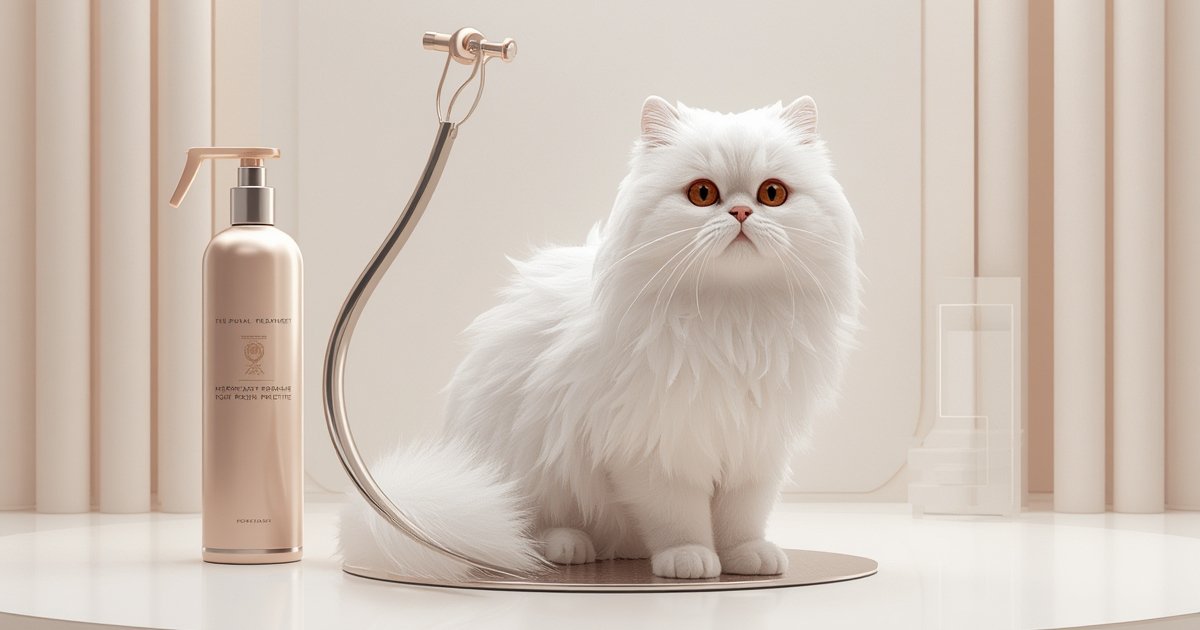
Meta Description: Master Persian grooming in 2026 with our expert guide. Discover essential tips, tools, and routines to keep your beloved feline looking pristine and healthy.
Understanding the Unique Needs of Persian Grooming
Persian cats are renowned for their majestic appearance, characterized by luxurious, long coats, sweet flat faces, and serene temperaments. However, this stunning beauty comes with a responsibility: diligent and consistent care. Proper Persian grooming is not just about aesthetics; it’s crucial for their health, comfort, and overall well-being. Without a dedicated routine, their fine fur can quickly mat, leading to skin issues, discomfort, and even infections.
The year 2026 brings new tools and refined techniques, but the core principles of excellent Persian grooming remain timeless. This comprehensive guide will equip you with the knowledge and strategies to ensure your Persian remains pristine, healthy, and happy, reflecting the royal treatment they deserve. We’ll dive deep into brushing, bathing, eye care, and more, offering actionable advice for every aspect of their maintenance.
The Daily Ritual: Essential Brushing Techniques for Persian Grooming
Brushing is the cornerstone of effective Persian grooming. Their double coat, consisting of a dense undercoat and a long, silky topcoat, is prone to tangles and mats if not managed daily. Regular brushing prevents knots from forming, removes loose hair, distributes natural oils, and provides an excellent opportunity for you to bond with your cat and check for any skin abnormalities.
Starting early is key. Introduce your Persian kitten to brushing from a young age so they associate it with a positive experience. Keep sessions short and positive, gradually increasing duration as they get used to it. Consistency is more important than length in the beginning.
Selecting the Right Tools for Optimal Coat Health
Having the correct grooming tools makes all the difference in Persian grooming. Investing in high-quality brushes will not only make the process easier for you but also more comfortable for your feline friend.
- Slicker Brush: Ideal for detangling and removing loose fur from the undercoat. Look for one with fine, flexible wires that won’t scratch the skin.
- Metal Comb (Wide-toothed and Fine-toothed): Essential for working through mats and ensuring thorough detangling. The wide teeth are for initial detangling, while the fine teeth are perfect for the face and checking for remaining tangles.
- Pin Brush: Great for general grooming, especially on the longer topcoat, providing a gentle massage and distributing oils.
- De-matting Comb or Tool: For serious mats, this specialized tool can help break them up safely. Use with extreme caution and always consult a professional if mats are severe or close to the skin.
Step-by-Step Daily Brushing Routine
A systematic approach to brushing will ensure no area is missed and minimize stress for your cat. Dedicate 10-15 minutes daily to this essential Persian grooming task.
1. Start with a Pin Brush: Gently brush the entire coat to remove superficial debris and prepare the fur.
2. Use a Slicker Brush: Work in small sections, starting from the belly and legs, moving up to the back and sides. Always brush in the direction of hair growth. Pay special attention to areas prone to matting, such as behind the ears, armpits, and under the tail. Lift the fur in sections to ensure you’re reaching the undercoat.
3. Follow with a Metal Comb: After using the slicker, run a wide-toothed metal comb through the same sections. If the comb snags, gently work through the tangle with your fingers or the fine-toothed part of the comb. Never pull on mats, as this can be painful for your cat. For stubborn tangles, a small amount of pet-safe detangling spray can be helpful.
4. Focus on the Rump and Tail: These areas are often overlooked but are prime spots for matting. Carefully comb through the dense fur on the hindquarters and the beautiful plume of the tail.
5. Check for Mats: Run your fingers through your cat’s coat to feel for any small knots or tangles that might have been missed. Address them immediately to prevent them from becoming larger, more problematic mats.
Bathing Your Persian: A Guide to Cleanliness and Coat Health
While daily brushing is vital, regular bathing is equally important for maintaining the pristine condition of a Persian cat’s long coat. Unlike short-haired breeds, Persians often require bathing every 4-6 weeks to prevent oil buildup, dander, and general grime from accumulating. This is a critical part of comprehensive Persian grooming.
The thought of bathing a cat might seem daunting, but with patience and the right technique, it can become a calm routine for both of you. Ensure you have all your supplies ready before you begin.
Preparing for a Stress-Free Bath
Preparation is key to a successful bath. Gather everything you need beforehand to avoid leaving your cat unattended mid-bath.
- Cat-Specific Shampoo and Conditioner: Never use human products, as they can irritate your cat’s skin. Opt for gentle, pH-balanced formulas designed for long-haired cats. Hypoallergenic options are great for sensitive skin.
- Two Towels: One for initial drying, another for wrapping.
- Cotton Balls: To protect their ears from water.
- Non-Slip Mat: For the bottom of the tub or sink to help your cat feel secure.
- Brushes: A slicker and metal comb for post-bath detangling.
- Treats: For positive reinforcement.
The Bathing Process: Step by Step
1. Pre-Bath Brushing: Thoroughly brush your Persian before the bath to remove any existing tangles or loose fur. Water will tighten mats, making them nearly impossible to remove without cutting.
2. Water Temperature: Fill a tub or sink with 3-4 inches of lukewarm water. Test the temperature on your wrist to ensure it’s comfortable—not too hot, not too cold.
3. Ear Protection: Gently place cotton balls in your cat’s ears to prevent water from entering, which can lead to infections.
4. Gentle Introduction: Slowly place your cat into the water, speaking in a calm, soothing voice. Support their paws on the non-slip mat. Many cats tolerate baths better if they feel secure.
5. Wetting the Coat: Use a handheld shower sprayer on a low setting or a cup to gently wet your cat’s coat, working from the neck down to the tail. Avoid spraying directly on their face.
6. Shampoo Application: Apply a small amount of cat shampoo, working it into a lather from neck to tail. Be thorough but gentle. Pay attention to greasy areas like the tail base. Avoid the eyes and ears.
7. Rinsing: This is the most crucial step in Persian grooming for bathing. Rinse thoroughly until all traces of shampoo are gone. Residual shampoo can irritate the skin and dull the coat. Use a handheld sprayer or cup, rinsing in the direction of hair growth. Rinse, rinse, and rinse again!
8. Conditioning: If using conditioner, apply it now, following the product instructions. This helps to soften the coat and prevent tangles. Rinse thoroughly again.
9. Initial Drying: Lift your cat out of the water and gently squeeze excess water from their fur. Wrap them immediately in a towel and gently pat dry. Do not rub vigorously, as this can create tangles.
10. Blow Drying: For Persians, blow drying is almost always necessary to prevent chilling and ensure the coat dries straight and mat-free. Use a pet-specific dryer on a low, cool setting. Hold the dryer at a safe distance and brush through the coat as you dry. Never use a human hair dryer on a hot setting, as it can burn their delicate skin. Keep the air moving constantly to avoid hot spots.
11. Post-Bath Brushing: Once completely dry, give your Persian a final, thorough brush with a slicker and metal comb to ensure no tangles have formed during the drying process. Reward with treats and praise!
Beyond the Brush and Bath: Specialized Persian Grooming Care
While brushing and bathing form the foundation of Persian grooming, these regal felines require attention to several other key areas. Neglecting these aspects can lead to health issues and discomfort, underscoring the importance of a holistic approach to their care.
Eye Care: Dealing with Tear Stains
Persian cats are known for their brachycephalic (flat) faces, which can lead to excessive tearing and tear staining. This is a common challenge in Persian grooming.
- Daily Wiping: Use a soft, damp cloth or a specialized pet eye wipe to gently clean around your cat’s eyes daily. This removes discharge and prevents staining.
- Tear Stain Removers: For persistent stains, specific cat-safe tear stain removers can be used. Always follow product instructions carefully and ensure they are safe for use around the eyes.
- Veterinary Consultation: If the tearing is excessive, accompanied by redness, swelling, or unusual discharge, consult your veterinarian. It could indicate an underlying medical condition.
Ear Cleaning: Maintaining Feline Hygiene
Regular ear checks are an important part of Persian grooming. While most cats keep their ears relatively clean, Persians, with their longer hair, can sometimes accumulate wax or debris.
- Weekly Checks: Lift your cat’s ear flap and inspect the inner ear. It should be clean and pale pink, without any foul odor, excessive wax, or redness.
- Gentle Cleaning: If cleaning is needed, use a vet-approved ear cleaner and cotton balls (never cotton swabs, which can push debris deeper). Gently wipe the visible parts of the ear. Never insert anything into the ear canal.
- Signs of Infection: If you notice excessive head shaking, scratching, dark discharge, or an unpleasant smell, contact your vet immediately.
Nail Trimming: A Crucial Comfort Step
Keeping your Persian’s nails trimmed is important for their comfort, your furniture, and to prevent ingrown nails.
- Frequency: Aim to trim nails every 2-4 weeks. Start early in life to get your cat accustomed to the process.
- Proper Technique: Use sharp, cat-specific nail clippers. Hold your cat gently and press on the paw pad to extend the nail. Only snip the clear tip of the nail, avoiding the pink ‘quick’ which contains blood vessels and nerves.
- Positive Reinforcement: Reward with treats and praise after each successful trim. If you’re unsure, ask your vet or a professional groomer to demonstrate the correct technique.
Dental Care: Protecting Their Pearly Whites
Just like humans, cats need dental care to prevent plaque and tartar buildup, which can lead to gum disease and other health problems.
- Brushing: Ideally, brush your cat’s teeth daily using a cat-specific toothbrush and toothpaste. Never use human toothpaste.
- Dental Treats and Water Additives: These can supplement brushing but are not a substitute.
- Professional Cleanings: Regular veterinary check-ups should include a dental examination. Your vet may recommend professional cleanings under anesthesia when necessary.
Advanced Grooming Tools and Technologies for the Modern Persian
The world of pet care is constantly evolving, with new products and technologies emerging to make Persian grooming more efficient and effective. In 2026, several innovations can streamline your routine and enhance your cat’s comfort. From specialized brushes to smart devices, these tools can elevate your grooming game.
Comparison of Top Grooming Gadgets for Persians
Choosing the right tools can make a significant difference. Here’s a comparison of some popular advanced grooming gadgets beneficial for Persian owners.
| Product | Price | Pros | Cons | Best For |
|---|---|---|---|---|
| Pet Grooming Vacuum Kit | $150-$250 | Collects loose hair directly, reducing mess. Multiple attachments for deshedding and styling. | Can be noisy, some cats dislike the suction sound. Requires dedicated storage space. | Owners wanting to minimize shedding around the house and streamline brush-time cleanup. |
| Automatic Paw Cleaner | $30-$70 | Quickly cleans muddy paws after outdoor excursions, preventing tracked dirt. Rechargeable and portable. | Only cleans paws, not a full bath solution. May not remove deeply embedded debris. | Active Persians who enjoy supervised outdoor time or have muddy encounters. |
| Heated Pet Drying Box | $300-$600 | Provides a controlled, warm environment for drying post-bath. Reduces manual blow-drying time and stress. | High initial cost. Requires space. Some cats may feel confined initially. | Persian owners who frequently bathe their cats and seek a hands-free, efficient drying solution. |
| Pet Water Fountain with UV Filter | $50-$100 | Encourages hydration with fresh, circulating water. UV filter helps eliminate bacteria and viruses. | Requires regular filter replacement. Can be noisy if not maintained. | Ensuring optimal hydration which is crucial for overall health and coat quality. |
Professional Grooming Services: When to Seek Expert Help
Even with the most dedicated home Persian grooming routine, there are times when professional help is invaluable. Professional groomers have specialized tools, techniques, and experience dealing with challenging situations.
- Severe Matting: If your Persian develops severe mats close to the skin, attempting to remove them yourself can be painful and risky. A professional groomer can safely shave them out, often preventing skin irritation or injury.
- Sanitary Clips: Groomers can provide sanitary clips around the hindquarters to keep the area clean and prevent fecal matter from getting trapped in the long fur.
- Lion Cuts: For some Persians, especially during warmer months or if they struggle with mats, a “lion cut” (shaving the body while leaving the mane, tail, and ‘boots’) can be a practical solution. This should always be done by a professional.
- Difficult Temperament: If your cat becomes highly stressed or aggressive during home grooming, a professional groomer may be able to handle them more effectively and safely.
- Learning Opportunities: A professional groomer can also offer advice, demonstrate techniques, and recommend specific products tailored to your cat’s needs.
Nutrition and Environment: Supporting Healthy Persian Grooming from Within
While external care is vital, the true foundation of a pristine Persian coat and overall health begins from within. Diet, hydration, and a suitable living environment play significant roles in supporting effective Persian grooming and ensuring your cat thrives.
The Role of Diet in Coat Health
A high-quality diet is paramount for a healthy, shiny coat. A poor diet can lead to dull fur, excessive shedding, and dry, flaky skin, making Persian grooming more challenging.
- High-Quality Protein: Ensure your cat’s food lists a named meat source (e.g., chicken, salmon, lamb) as the first ingredient. Protein is essential for hair growth and strength.
- Essential Fatty Acids: Look for foods rich in Omega-3 and Omega-6 fatty acids, often derived from fish oil, flaxseed, or specific plant oils. These contribute to skin health and a glossy coat. Supplements can also be considered under veterinary guidance.
- Vitamins and Minerals: A balanced diet will provide all necessary vitamins and minerals, including Biotin and Zinc, which are vital for healthy skin and fur.
- Hydration: Access to fresh, clean water at all times is crucial. Good hydration supports skin elasticity and overall bodily functions, which indirectly impacts coat quality. Consider a pet water fountain to encourage drinking.
Environmental Considerations for Optimal Grooming
Your cat’s living environment can also impact the ease and effectiveness of Persian grooming.
- Climate Control: Maintain a comfortable indoor temperature. Excessive heat can lead to more shedding, while very dry air can contribute to dry skin.
- Humidity: In dry climates, a humidifier can help maintain skin and coat moisture, reducing static and dryness that can lead to breakage.
- Cleanliness: A clean home environment means less dust and debris accumulating in your cat’s fur. Regular vacuuming and dusting benefit both you and your Persian.
- Stress Reduction: A calm, predictable environment reduces stress in cats. Stressed cats can sometimes over-groom or, conversely, neglect their grooming, leading to coat issues. Provide safe spaces, regular play, and consistent routines.
- Appropriate Furniture: Investing in cat trees and scratching posts not only provides enrichment but also helps maintain healthy nails and allows your cat to stretch and groom themselves more effectively.
Mastering Persian grooming is an ongoing journey of love and dedication. By understanding their unique needs, utilizing the right tools, and providing consistent care, you ensure your majestic feline companion not only looks their best but also feels healthy and cherished. From daily brushing to regular baths and specialized care for their eyes and ears, every step contributes to their overall well-being. Embrace the routine, and you’ll be rewarded with a beautiful, happy, and vibrant Persian cat, ready to gracefully navigate 2026 and beyond.
For more expert tips and insights into pet care, visit Dax AI or connect with our community of feline enthusiasts today!
Frequently Asked Questions (FAQ)
How often should I brush my Persian cat?
Persian cats should be brushed daily for at least 10-15 minutes. Their long, dense coats are highly prone to matting, and daily brushing is essential to prevent tangles, remove loose fur, and distribute natural oils.
What kind of shampoo should I use for my Persian cat?
Always use a high-quality, cat-specific shampoo that is pH-balanced and formulated for long-haired breeds. Avoid human shampoos, as they can be too harsh and irritate your cat’s skin. Look for hypoallergenic or moisturizing options.
My Persian cat hates baths. How can I make it easier?
Start bathing kittens early to acclimate them. Ensure the water is lukewarm and use a non-slip mat in the tub. Speak calmly and use gentle handling. Reward heavily with treats and praise afterward. If your cat is severely stressed, consider a professional groomer or consult your vet for advice.
How do I prevent tear stains on my Persian’s face?
Daily cleaning of the eye area with a soft, damp cloth or a specialized pet eye wipe is crucial. This removes discharge before it can dry and stain the fur. For persistent stains, you can use vet-approved tear stain removers, always following product instructions carefully.
When should I take my Persian cat to a professional groomer?
Consider professional grooming for severe matting that you can’t safely remove, for sanitary clips, or for a full “lion cut.” If your cat is particularly difficult to handle during grooming or you need expert advice on specific techniques, a professional groomer can be a great resource.
What role does diet play in my Persian’s coat health?
A high-quality diet rich in protein and essential fatty acids (like Omega-3 and Omega-6) is fundamental for a healthy, shiny coat. Proper nutrition helps maintain skin health, reduces shedding, and contributes to the overall luster and strength of the fur. Ensure they also have constant access to fresh water.
Leave a Reply