

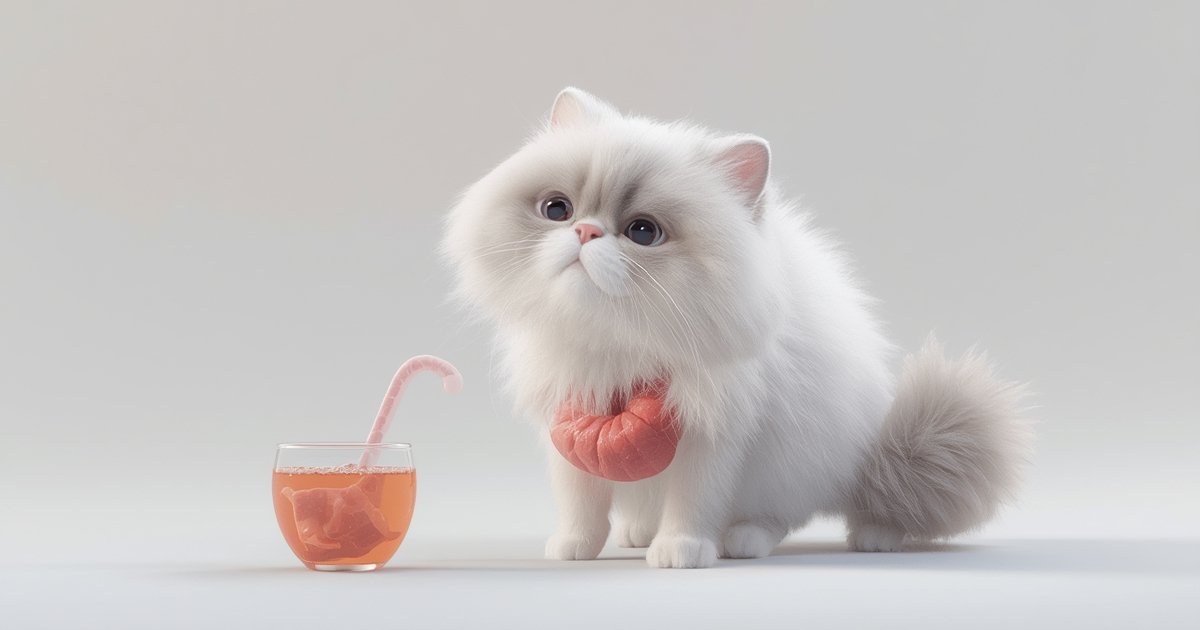
Meta description: Solve your Persian cat’s tummy troubles! Learn common digestive issues, diet tips, and effective solutions for a happy, healthy feline life. Get actionable advice on Persian digestion.
Understanding the Unique Challenges of Persian Digestion
Persian cats, with their luxurious coats and sweet dispositions, are truly magnificent companions. However, beneath their beautiful exterior lies a somewhat delicate digestive system that often requires special attention. Owners of these beloved felines frequently encounter challenges related to Persian digestion, making it a critical area for proactive care.
Unlike many other breeds, Persians can be prone to a range of gastrointestinal sensitivities. Their distinctive flat faces, while charming, can sometimes lead to issues with eating and gulping air, contributing to digestive upset. Understanding these inherent predispositions is the first step toward ensuring your Persian enjoys a long, healthy, and comfortable life free from tummy troubles.
Common Digestive Issues in Persian Cats
Persian cats are known for their susceptibility to various digestive ailments, ranging from mild discomfort to more serious conditions. Recognizing the signs and understanding the underlying causes is crucial for prompt and effective intervention. Paying close attention to changes in appetite, litter box habits, and overall demeanor can provide early clues.
Hairballs: A Frequent Foe
Due to their long, dense fur, hairballs are perhaps the most common digestive problem for Persian cats. While a normal part of grooming, excessive hair ingestion can lead to:
– Vomiting undigested food and hair
– Loss of appetite
– Constipation or blockages
– Lethargy
Regular grooming, including daily brushing, is your first line of defense. Special hairball control diets and supplements can also be highly effective in helping hair pass through the digestive tract smoothly.
Sensitive Stomachs and Food Intolerances
Many Persians exhibit sensitive stomachs, reacting poorly to certain ingredients in their food. This can manifest as:
– Chronic soft stools or diarrhea
– Frequent vomiting after meals
– Flatulence
– Abdominal discomfort or pain
Identifying specific food intolerances often requires a process of elimination with veterinary guidance. Common culprits include certain proteins (like beef or chicken), grains, and artificial additives. A diet tailored to sensitive Persian digestion can make a significant difference.
Inflammatory Bowel Disease (IBD)
Unfortunately, Persian cats seem to have a higher predisposition to Inflammatory Bowel Disease (IBD). This chronic condition involves inflammation of the gastrointestinal tract, leading to symptoms such as:
– Persistent vomiting
– Chronic diarrhea (often with mucus or blood)
– Weight loss
– Decreased appetite
– Abdominal pain
IBD requires a veterinary diagnosis, often involving biopsies, and typically involves a combination of dietary management, medication, and sometimes probiotics to help soothe the inflamed gut and improve Persian digestion.
Constipation
While diarrhea often gets more attention, constipation can be a painful and concerning issue for Persians. It can be caused by:
– Dehydration
– Lack of fiber in the diet
– Excessive hairballs
– Underlying medical conditions
Signs of constipation include straining in the litter box, hard and dry stools, or infrequent bowel movements. Increasing water intake, adjusting diet, and sometimes stool softeners or laxatives prescribed by a vet can help.
Dietary Strategies for Optimal Persian Gut Health
The foundation of good Persian digestion lies in a carefully considered diet. What you feed your Persian cat is arguably the most critical factor in preventing and managing digestive issues. A high-quality, species-appropriate diet can significantly improve their overall gut health and well-being.
Choosing the Right Food
Selecting the right commercial cat food for a Persian requires careful scrutiny. Look for options that:
– Are high in animal-based protein: Cats are obligate carnivores, so meat should be the primary ingredient.
– Contain moderate fat levels: Essential for energy and nutrient absorption.
– Are low in carbohydrates and fillers: Grains and plant-based proteins can be harder for cats to digest.
– Avoid artificial colors, flavors, and preservatives: These can trigger sensitivities.
– Are specifically formulated for sensitive stomachs or hairball control: Many brands offer specialized formulas that cater to common Persian digestive needs.
Some owners opt for limited ingredient diets (LID) if their cat has known allergies or intolerances. These diets typically feature a single protein source and a single carbohydrate source, simplifying the elimination process.
The Importance of Hydration
Water intake is vital for proper Persian digestion. Dehydration can lead to constipation and strain on the kidneys. Encourage your cat to drink more by:
– Providing multiple water bowls in different locations.
– Using ceramic or stainless steel bowls, as some cats dislike plastic.
– Investing in a pet drinking fountain, which provides fresh, circulating water.
– Incorporating wet food into their diet, which has a high moisture content.
Feeding Frequency and Portions
Rather than one or two large meals, consider offering smaller, more frequent meals throughout the day. This can be easier on a sensitive digestive system and mimic a cat’s natural feeding behavior. Portion control is also key to prevent overeating, which can lead to vomiting and obesity.
Introducing New Foods Gradually
Any sudden change in diet can upset a Persian’s delicate digestive system. When transitioning to a new food, do so gradually over 7-10 days:
1. Day 1-2: 75% old food, 25% new food.
2. Day 3-4: 50% old food, 50% new food.
3. Day 5-6: 25% old food, 75% new food.
4. Day 7+: 100% new food.
Monitor your cat closely during this period for any signs of digestive upset. If issues arise, slow down the transition.
When to Seek Veterinary Care for Persian Tummy Troubles
While many digestive issues can be managed at home with dietary adjustments, it’s crucial to know when to seek professional veterinary help. Ignoring persistent or severe symptoms can lead to more serious health complications for your Persian cat.
Warning Signs That Require Immediate Attention
Contact your veterinarian immediately if your Persian exhibits any of the following:
– **Persistent vomiting:** More than once or twice in 24 hours, or projectile vomiting.
– **Severe diarrhea:** Watery, bloody, or black, tarry stools.
– **Loss of appetite for more than 24 hours:** Especially if accompanied by other symptoms.
– **Lethargy or weakness:** Significant decrease in energy and activity.
– **Straining to defecate without producing stools:** Could indicate a blockage.
– **Abdominal pain:** Hiding, reluctance to be touched, or hunching over.
– **Rapid weight loss:** Unexplained decrease in body mass.
These symptoms can indicate underlying conditions that require urgent diagnosis and treatment, from parasites to organ disease or severe blockages affecting Persian digestion.
Preparing for Your Vet Visit
To help your veterinarian accurately diagnose the problem, be prepared to provide detailed information:
– **Symptom timeline:** When did symptoms start? Have they worsened?
– **Dietary history:** What food are you feeding? Any recent changes?
– **Medications and supplements:** List all current treatments.
– **Litter box observations:** Describe stool consistency, frequency, and any blood/mucus.
– **Grooming habits:** How often do you brush? Is your cat prone to hairballs?
– **Behavioral changes:** Any changes in energy, thirst, or appetite.
Bringing a stool sample, if possible, can also be very helpful for diagnostic testing.
Proactive Measures for a Happy Digestive System
Preventative care is key to maintaining excellent Persian digestion. Implementing a few simple routines and environmental considerations can significantly reduce the incidence of tummy troubles and improve your cat’s quality of life.
Regular Grooming
This cannot be stressed enough for Persians. Daily brushing helps remove loose hair, reducing the amount ingested during self-grooming. Consider professional grooming periodically to keep their coat manageable and minimize matting, which can also contribute to discomfort and stress.
Stress Reduction
Cats are creatures of habit, and stress can significantly impact their digestive health. Changes in routine, new pets, household moves, or even loud noises can trigger digestive upset. Create a calm, predictable environment for your Persian:
– Provide safe, quiet spaces for them to retreat.
– Maintain a consistent feeding and play schedule.
– Use Feliway diffusers or calming supplements if stress is a persistent issue.
– Ensure their litter box is clean, private, and easily accessible.
Appropriate Play and Exercise
While Persians aren’t known for being highly active, regular, gentle play is important. It helps stimulate circulation, maintains a healthy weight, and can promote regular bowel movements. Interactive toys that encourage movement can be beneficial.
Safe Environment
Keep houseplants, human medications, toxic foods, and small objects that could be ingested out of reach. A curious cat might consume something harmful, leading to acute digestive distress or poisoning. Ensuring a safe environment is fundamental for protecting their delicate Persian digestion.
Addressing Specific Digestive Problems: Solutions and Supplements
Beyond diet, there are several supplements and specialized approaches that can support Persian digestion. These are often used in conjunction with veterinary advice to target specific issues.
Comparison of Digestive Supplements for Cats
| Product | Price | Pros | Cons | Best For |
|---|---|---|---|---|
| Probiotic Paste for Cats | $20-$35 | Fast-acting, good for acute upset, easy to administer | Can be expensive for long-term use, less comprehensive than powders | Acute diarrhea, antibiotic support, travel stress |
| Enzyme & Probiotic Powder | $25-$45 | Comprehensive gut support, aids nutrient absorption, long-term use | Some cats may resist powder on food, takes time to see full effect | Chronic sensitive stomachs, IBD support, senior cats |
| Hairball Relief Gel | $15-$25 | Helps hair pass smoothly, palatable flavors | Not a preventative, daily use needed for chronic hairball formers | Frequent hairballs, mild constipation |
| Psyllium Fiber Supplement | $10-$20 | Natural fiber source, helps with both diarrhea & constipation | Needs careful dosage and hydration, may cause gas initially | Mild constipation, chronic soft stools, IBD management |
Probiotics and Prebiotics
These supplements introduce beneficial bacteria to the gut or provide food for existing healthy bacteria. They can be particularly helpful for Persian cats with sensitive stomachs, IBD, or those recovering from antibiotic treatment. A healthy gut microbiome is crucial for robust Persian digestion.
Digestive Enzymes
For cats with pancreatic insufficiency or difficulty digesting certain nutrients, digestive enzyme supplements can be invaluable. They help break down fats, proteins, and carbohydrates, allowing for better absorption and reducing digestive strain.
Fiber Supplements
Fiber can play a dual role. Soluble fibers like psyllium husk can help firm up loose stools and also add bulk to promote regular bowel movements in constipated cats. Always introduce fiber gradually and ensure adequate hydration.
Hairball Remedies
In addition to grooming, specialized hairball remedies (often gels or chews) can help lubricate the digestive tract and aid in the passage of ingested hair. These are generally used as a complement to a hairball control diet.
When considering any supplement, always consult your veterinarian. They can recommend the most appropriate product and dosage based on your Persian cat’s specific health needs and digestive issues.
Ensuring your Persian cat has a healthy digestive system is paramount to their overall well-being. By understanding their unique needs, providing a balanced diet, implementing preventative measures, and knowing when to seek veterinary care, you can help your beautiful feline companion live a happy, comfortable life free from persistent tummy troubles.
Don’t let digestive issues diminish your Persian’s joy. Take these steps to support their health and consult with your veterinarian for personalized advice. Your proactive care makes all the difference.
Frequently Asked Questions (FAQ)
My Persian cat vomits hairballs often, even with brushing. What else can I do?
In addition to daily brushing, consider a specialized hairball control diet that contains ingredients to help hair pass through the digestive tract. You can also try a hairball remedy paste or gel, given a few times a week, which lubricates the system. Ensure your cat is well-hydrated, as dehydration can exacerbate hairball issues. If vomiting is frequent or severe, consult your vet to rule out underlying digestive problems.
Is it normal for Persian cats to have soft stools occasionally?
Occasional soft stools might not be a major concern, especially if your cat has recently experienced a minor dietary change or stress. However, if soft stools become chronic, watery, or contain blood or mucus, it’s a sign of persistent digestive upset. This warrants a vet visit to investigate potential food sensitivities, parasites, or inflammatory conditions impacting Persian digestion.
What are the signs of a food allergy in a Persian cat?
Signs of food allergies or intolerances in Persian cats typically involve both digestive and dermatological symptoms. Digestive signs include chronic vomiting, diarrhea, excessive gas, or abdominal pain. Dermatological signs might include intense itching, skin rashes, ear infections, or excessive grooming. An elimination diet, guided by your vet, is usually required to diagnose and manage food allergies.
Can stress affect my Persian cat’s digestion?
Absolutely. Cats are sensitive creatures, and stress can manifest physically, often impacting their digestive system. Changes in routine, new environments, loud noises, or conflicts with other pets can lead to symptoms like vomiting, diarrhea, or even appetite loss. Creating a stable, calm environment and using feline pheromone diffusers can help reduce stress-related digestive issues.
Should I switch my Persian to a grain-free diet?
While many cat owners consider grain-free diets, it’s not universally necessary or even always beneficial. The primary concern is usually carbohydrate content, not specifically grains. Some grain-free diets can still be high in other carbohydrates like peas or potatoes. The most important factor is a high-quality, animal-protein-rich diet that your individual cat tolerates well. Discuss with your vet if a grain-free or limited ingredient diet is suitable for your Persian’s digestion.
Leave a Reply