

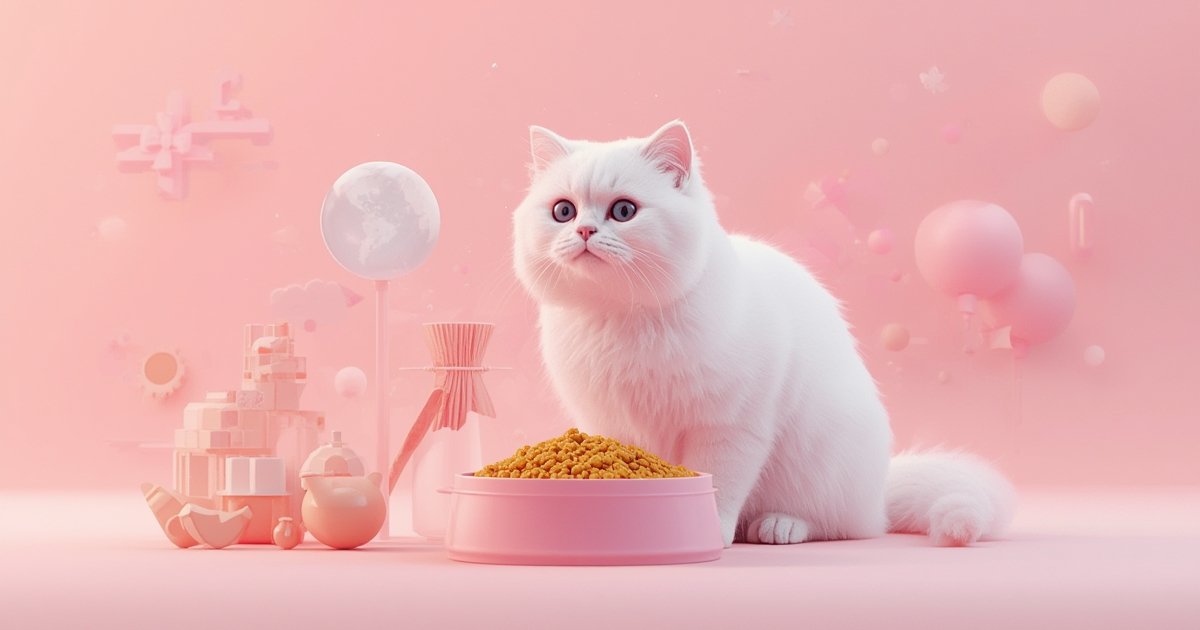
Meta Description: Unlock the secrets to a long, healthy life for your Persian cat. Discover the ideal Persian diet, essential nutrients, and common pitfalls to avoid for a happy feline.
Understanding the Unique Nutritional Needs of Persian Cats
Persian cats, with their majestic long coats and distinctive flat faces, are among the most beloved feline breeds. Their unique physiology, however, comes with specific dietary considerations that differ from other cat breeds. A well-tailored Persian diet is not just about keeping them fed; it’s about supporting their luxurious fur, preventing common health issues, and ensuring a vibrant, long life.
Optimal nutrition is the cornerstone of their well-being, directly impacting everything from their dental health to their energy levels. Ignoring these specific needs can lead to a host of problems, from digestive upset to dull coats and compromised immunity. Understanding what truly fuels your Persian is the first step towards providing them with the best possible care.
Why a Specialized Persian Diet is Crucial
Persian cats possess several traits that necessitate a specialized approach to their nutrition. Their brachycephalic (flat) facial structure, for instance, can make it challenging to pick up standard kibble, leading to messy eating and potential dental issues. This often means kibble size and shape are important factors in their food choice.
Furthermore, their long, dense fur requires a diet rich in specific nutrients to maintain its health and minimize hairballs. Shedding is natural, but excessive hairballs can lead to gastrointestinal blockages. A balanced Persian diet plays a pivotal role in managing this common breed-specific concern.
Lastly, Persian cats can be prone to certain genetic conditions, including polycystic kidney disease and hypertrophic cardiomyopathy. While diet alone cannot prevent these, proper nutrition can support overall organ health and potentially mitigate the severity or onset of some issues.
The Core Components of an Optimal Persian Diet
At its heart, any feline diet, including a Persian diet, must be species-appropriate. Cats are obligate carnivores, meaning their bodies are designed to derive nutrients primarily from animal sources. This fundamental principle guides all recommendations for their food.
A balanced diet for your Persian should be high in animal-based protein, moderate in fats, and very low in carbohydrates. This mirrors their ancestral diet and provides the essential building blocks for muscle maintenance, energy, and overall cellular function.
High-Quality Animal Protein Sources
Protein is paramount for Persian cats. Look for foods where animal protein (chicken, turkey, beef, fish) is listed as the first ingredient, not plant-based proteins or fillers. Protein quality matters immensely; easily digestible animal proteins are best absorbed and utilized by your cat’s body.
Amino acids, the building blocks of protein, are vital. Taurine, in particular, is an essential amino acid for cats that they cannot synthesize themselves and must obtain from their diet. A deficiency can lead to serious heart problems and blindness.
Essential Fats for Energy and Coat Health
Fats are a concentrated source of energy for cats and play a crucial role in nutrient absorption, hormone production, and maintaining a healthy skin and coat. Omega-3 and Omega-6 fatty acids are especially important for Persians, contributing to the luster and health of their magnificent fur.
Sources like fish oil (salmon oil, cod liver oil), flaxseed oil, and certain animal fats provide these beneficial fatty acids. A diet rich in these will help keep your Persian’s coat soft, shiny, and less prone to matting, while also reducing skin dryness and irritation.
Minimal Carbohydrates and Appropriate Fiber
While cats have no dietary requirement for carbohydrates, small amounts from vegetables or fruits can provide beneficial fiber. Excessive carbohydrates, however, are often found in cheaper dry kibble and can contribute to obesity and other health issues in cats, whose digestive systems are not optimized for processing them.
Fiber, when from appropriate sources, aids digestion and helps move ingested hair through the digestive tract, reducing hairball formation. Psyllium husk or pumpkin can be beneficial additions, but ensure they are included as part of a balanced, low-carb formula rather than as a primary ingredient.
Wet Food vs. Dry Kibble: Making the Right Choice
The debate between wet food and dry kibble is ongoing, but for Persian cats, the advantages of wet food are particularly compelling. Hydration is a critical factor often overlooked in feline diets.
Cats naturally have a low thirst drive, evolved from their desert-dwelling ancestors who got most of their moisture from their prey. Dry kibble contains very little moisture, often leading to chronic dehydration, which can stress the kidneys and contribute to urinary tract issues.
The Benefits of a Wet Food-Centric Persian Diet
-
– **Superior Hydration:** Wet food contains significantly higher moisture content (70-80%) compared to dry kibble (5-10%). This helps ensure adequate hydration, supporting kidney function and urinary tract health, which are common concerns for cats.
– **Palatability and Digestibility:** Many Persian cats find wet food more palatable due to its aroma and texture. The higher moisture content also aids in digestion.
– **Brachycephalic-Friendly:** The soft texture of wet food is much easier for Persians with their flat faces to eat comfortably, reducing mess and potential frustration during meal times.
– **Weight Management:** The higher water content in wet food can make cats feel fuller on fewer calories, aiding in weight management. This is important as indoor Persians can be prone to inactivity and weight gain.
Considerations for Dry Kibble
While wet food is often preferred, high-quality dry kibble can still play a role, especially if your cat prefers it or for convenience. If choosing dry food for your Persian diet, look for specialized kibble designed for brachycephalic breeds, featuring larger, uniquely shaped pieces that are easier for them to pick up.
Ensure the dry food is grain-free and high in animal protein, with added omega fatty acids for coat health. If your Persian primarily eats dry food, consider supplementing their water intake with a pet water fountain to encourage drinking, or adding a small amount of water to their kibble.
Optimal Food Choices for Your Persian: A Comparison
When navigating the myriad of pet food options, choosing the best for your Persian can be daunting. Here’s a comparison of common choices, tailored to a healthy Persian diet.
Comparison of Popular Persian Cat Food Options
| Product Type | Price Range (per lb/can) | Pros | Cons | Best For |
|---|---|---|---|---|
| Premium Grain-Free Wet Food | $2.00-$4.00 per can | High moisture content, excellent hydration; often rich in animal protein and essential fats; very palatable. | Higher cost per serving; requires refrigeration after opening; some cats may be picky about textures. | Optimal hydration, urinary health, picky eaters, weight management. |
| Specialized Brachycephalic Dry Kibble | $3.00-$5.00 per lb | Kibble shape designed for easier eating; convenient for free-feeding; dental benefits from chewing. | Low moisture content; requires supplemental hydration; can be high in carbohydrates if not chosen carefully. | Convenience, dental support (with proper hydration), specific kibble shape for flat faces. |
| Freeze-Dried Raw Cat Food | $8.00-$15.00 per lb | Mimics ancestral diet; minimal processing; high protein and natural nutrients; excellent for digestion. | High cost; requires rehydration before serving; some owners may be uncomfortable with raw feeding. | Closest to natural diet, allergy sufferers, digestive issues, optimal nutrient absorption. |
| Veterinary Prescription Diet (e.g., Renal Support) | $4.00-$7.00 per can/lb | Formulated for specific health conditions; clinically proven effectiveness; available in wet and dry. | Only available via veterinary prescription; generally higher cost; may not be palatable to all cats. | Cats with specific health issues like kidney disease, urinary stones, or allergies. |
Supplements and Special Dietary Considerations
Even with the best Persian diet, some cats may benefit from specific supplements, especially given their breed-specific predispositions. Always consult with your veterinarian before introducing any new supplements to ensure they are appropriate for your cat’s individual needs.
Hairball Control Supplements
Given their long coats, hairballs are a persistent concern for Persian cats. While a high-fiber diet helps, additional supplements can be beneficial. These often contain ingredients like psyllium husk, oat fiber, or emollients that help lubricate the digestive tract and aid in the passage of ingested hair.
Many hairball remedies come in palatable pastes or treats, making administration easier. Regular grooming is also essential in conjunction with dietary interventions to minimize shedding and hair ingestion.
Omega Fatty Acid Supplements
For an extra boost to coat health, especially if your cat’s diet isn’t already rich in them, Omega-3 and Omega-6 fatty acid supplements can be beneficial. Fish oil (like salmon oil or sardine oil) is a popular choice, providing EPA and DHA, which are crucial for skin and coat health, as well as joint and cognitive function.
These can be easily added to wet food. Always choose a high-quality, mercury-free source specifically formulated for pets.
Probiotics and Digestive Enzymes
If your Persian experiences sensitive digestion, occasional diarrhea, or constipation, probiotics and digestive enzymes might offer support. Probiotics introduce beneficial bacteria to the gut, improving overall gut health and nutrient absorption. Digestive enzymes help break down food more efficiently.
These can be particularly helpful during periods of stress, antibiotic use, or dietary changes. Again, professional veterinary advice is recommended to determine if these are necessary.
Senior Persian Diet Modifications
As Persian cats age, their nutritional needs shift. Senior cats may require fewer calories if their activity level decreases, but often need more highly digestible protein to maintain muscle mass. Joint supplements (like glucosamine and chondroitin) might become beneficial to support aging joints.
Their senses of smell and taste may diminish, making palatability even more important. Warming wet food slightly can enhance its aroma and encourage eating. Regular veterinary check-ups are crucial to monitor their health and adjust their Persian diet accordingly.
Common Feeding Mistakes to Avoid
Even with the best intentions, owners can inadvertently make feeding mistakes that impact their Persian’s health. Awareness of these pitfalls is key to ensuring a long, happy life for your feline companion.
Overfeeding and Underfeeding
Obesity is a widespread issue in domestic cats, often due to overfeeding and insufficient exercise. An overweight Persian is at higher risk for diabetes, arthritis, and heart disease. Always follow the feeding guidelines on your chosen food packaging, but adjust based on your cat’s individual activity level and body condition score.
Conversely, underfeeding can lead to nutritional deficiencies. Monitor your cat’s weight regularly and adjust their Persian diet as needed. A healthy Persian should have a visible waist and palpable ribs without being overly bony.
Feeding Human Food Scraps
While a tiny, unseasoned piece of cooked chicken or fish might be okay as an occasional treat, feeding human food scraps regularly can be detrimental. Many human foods are toxic to cats (e.g., onions, garlic, chocolate, grapes, raisins) or are simply too high in fat, salt, or spices for their delicate digestive systems.
Stick to cat-specific treats formulated for their nutritional needs. These are designed to be safe and are usually fortified with beneficial vitamins and minerals.
Ignoring Dental Health
Dental disease is rampant in cats, and diet plays a role. While wet food is excellent for hydration, it offers little in terms of abrasive action for cleaning teeth. Specialized dental kibble, dental treats, and regular veterinary dental cleanings are important to prevent plaque and tartar buildup.
Regularly check your Persian’s mouth for signs of dental issues like bad breath, red gums, or difficulty eating. Dental health is an integral part of their overall well-being and cannot be overlooked.
Frequent Diet Changes
Cats, especially Persians, can have sensitive stomachs. Frequent, abrupt changes to their diet can lead to digestive upset, including vomiting and diarrhea. When switching foods, do so gradually over 7-10 days, mixing increasing amounts of the new food with decreasing amounts of the old.
This allows their digestive system to adjust slowly, minimizing stress and discomfort. Unless medically necessary, find a high-quality food that works well for your Persian and stick with it.
What Your Persian Cat Really Needs for a Long, Happy Life
Providing an optimal Persian diet is one of the most impactful ways to ensure your cherished feline lives a long, healthy, and happy life. It’s a commitment to understanding their unique needs and making informed choices about the food you provide. From selecting high-quality, animal-based proteins and essential fats to prioritizing hydration through wet food, every decision contributes to their vitality.
Remember that while general guidelines are helpful, each cat is an individual. Regular consultations with your veterinarian are invaluable for tailoring their diet to their specific age, activity level, and health status. By focusing on a balanced, species-appropriate Persian diet and avoiding common feeding mistakes, you’re not just feeding your cat; you’re investing in their future health and happiness.
Ready to optimize your Persian’s diet for peak health? Explore our curated selection of premium cat foods and supplements designed to meet the unique needs of majestic felines.
Contact us today to learn more about our nutritional recommendations or to connect with a pet nutrition expert!
Frequently Asked Questions (FAQ)
How much should I feed my Persian cat?
Feeding amounts vary based on your cat’s age, weight, activity level, and the caloric density of the food. Always follow the guidelines on the food packaging as a starting point, but adjust based on your cat’s body condition. Consult your veterinarian for a precise feeding plan.
Can Persian cats eat a raw food diet?
A well-formulated raw food diet can be beneficial for Persian cats as it closely mimics their ancestral diet. However, it requires careful preparation and adherence to safety protocols to avoid bacterial contamination. Discuss this option thoroughly with your veterinarian and potentially a feline nutritionist before transitioning.
What are common signs of food allergies in Persian cats?
Signs of food allergies in Persian cats can include itchy skin, excessive scratching or licking, chronic ear infections, vomiting, diarrhea, and hair loss. If you suspect a food allergy, your vet may recommend an elimination diet to identify the culprit ingredient.
Is it necessary to supplement my Persian cat’s diet?
For a healthy Persian cat eating a complete and balanced commercial cat food, supplements are often not necessary. However, certain situations like senior age, specific health conditions (e.g., hairballs, joint issues), or a vet’s recommendation might warrant specific supplements like omega fatty acids or probiotics. Always consult your vet first.
How can I encourage my Persian cat to drink more water?
To encourage water intake, provide fresh water daily in multiple bowls around the house. Consider using a ceramic or stainless steel bowl, as some cats dislike plastic. A pet water fountain can also entice cats with its flowing water. Feeding a wet food-centric Persian diet is the most effective way to increase their hydration.
References and Further Reading
- American Association of Feline Practitioners (AAFP) – catvets.com
- Cornell Feline Health Center – vet.cornell.edu/fhc
- The Association for Pet Obesity Prevention (APOP) – petobesityprevention.org
- World Small Animal Veterinary Association (WSAVA) – wsava.org/nutrition
Leave a Reply