

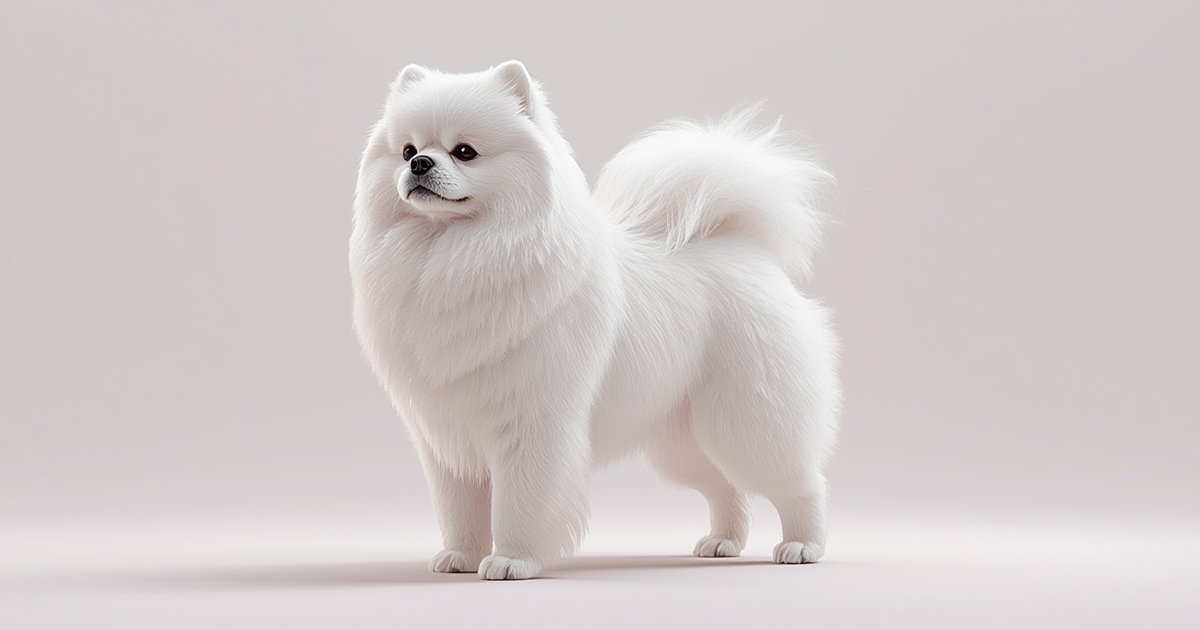
Unlock 7 pampering tips for immaculate Persian grooming in 2026. Learn expert strategies for coat care, health, and happiness. Your Persian deserves the best!
The Art of the Pristine Persian: Why Grooming is Key
The luxurious, flowing coat of a Persian cat is undeniably magnificent, but maintaining its beauty requires dedication and a precise approach to Persian grooming. Far from being a mere aesthetic chore, regular grooming is vital for your feline friend’s health and well-being. Without consistent care, their long fur can quickly become matted, leading to skin irritation, infections, and discomfort.
Effective Persian grooming is a cornerstone of responsible pet ownership, preventing common issues like hairballs and ensuring your cat remains happy and healthy. It also strengthens the bond between you and your pet, as these regular sessions become a cherished ritual. Let’s delve into the top pampering tips that will keep your Persian looking, and feeling, their absolute best in 2026 and beyond.
Mastering the Daily Brush: Your First Line of Defense
Daily brushing is arguably the most crucial aspect of Persian grooming. Their double coat, consisting of a dense undercoat and long guard hairs, is prone to tangles and mats if not meticulously maintained. A quick brush each day can save hours of detangling later and prevent painful skin issues.
Consistency is key here, establishing a routine that your Persian comes to expect and even enjoy. Start with short, gentle sessions when they are kittens, gradually increasing duration as they grow accustomed to it. This positive reinforcement makes grooming a pleasant experience.
Choosing the Right Tools for Persian Grooming
Investing in high-quality grooming tools is non-negotiable for Persian owners. The right brushes and combs make a significant difference in efficacy and comfort for your cat. Avoid cheap, harsh tools that can pull hair or scratch delicate skin.
– Slicker Brush: Excellent for removing loose fur and detangling superficial mats. Choose one with fine, bent wire bristles.
– Metal Comb (Wide-toothed and Fine-toothed): Essential for working through deeper tangles and ensuring the coat is thoroughly brushed down to the skin. The wide teeth start the job, and the fine teeth finish it.
– Dematting Tool: Use sparingly and carefully for stubborn mats that cannot be brushed out. These usually have sharp blades designed to cut through tangles without pulling too much fur.
The Gentle Art of Line Brushing
Line brushing is the most effective technique for Persian cats, ensuring every layer of their dense coat is reached. This method prevents mats from forming close to the skin, which are often unseen until they become severe.
1. Position your cat comfortably, perhaps on a non-slip mat or grooming table.
2. Part their fur horizontally with your hand, exposing a small section of skin.
3. Using your slicker brush, brush downwards from the part, working through the exposed fur until it is tangle-free.
4. Make another small part above the brushed section and repeat, working your way across their body.
5. Follow with the metal comb to double-check for any missed tangles, ensuring the comb glides smoothly through the fur.
The Spa Treatment: Bathing Your Persian Like a Pro
While daily brushing is paramount, periodic bathing is also essential for maintaining a clean and healthy Persian coat. The frequency depends on your cat’s lifestyle and coat condition, but generally, a bath every 4-6 weeks is recommended. Bathing helps remove dirt, excess oils, and loose fur, preventing mat formation and keeping the coat soft and lustrous.
Remember, a positive bathing experience starts long before the water runs. Prepare all your supplies beforehand, ensure the bathroom is warm, and have plenty of towels ready. Never rush the process, and always be patient with your cat.
Selecting the Perfect Shampoo and Conditioner
Choosing the right products for your Persian’s bath is crucial. Look for shampoos and conditioners specifically formulated for long-haired cats, or those designed to moisturize and detangle. Human shampoos are too harsh and can strip natural oils, leading to dry skin and coat problems.
– Hypoallergenic Shampoo: Ideal for cats with sensitive skin or allergies.
– Conditioning Shampoo: Helps to soften the coat and prevent tangles.
– Whitening Shampoo: Can be used for white or light-colored Persians to maintain their bright coat, but use sparingly to avoid drying.
– Leave-in Conditioner/Spray: Excellent for post-bath detangling and adding moisture.
A Step-by-Step Guide to a Stress-Free Bath
Making bath time a positive experience is vital for future success. Start slowly and calmly.
1. Pre-Bath Brush: Thoroughly brush your cat before the bath to remove any existing tangles. Wetting matted fur will only make it worse.
2. Gather Supplies: Have shampoo, conditioner, several towels, a non-slip mat for the tub, and cotton balls ready.
3. Protect Ears and Eyes: Gently place cotton balls in your cat’s ears to prevent water from entering. You can also use a small amount of ophthalmic ointment around their eyes for protection.
4. Wet Thoroughly: Use lukewarm water. Gently wet your cat, starting from the neck down, avoiding the face. A spray nozzle or a cup works well. Ensure the water penetrates their dense undercoat.
5. Shampoo and Lather: Apply a small amount of shampoo and gently massage it into their coat, working from neck to tail. Be careful not to agitate the fur too much to avoid tangles. Rinse thoroughly.
6. Condition: Apply conditioner, focusing on the coat’s length and areas prone to tangling. Let it sit for the recommended time (usually 2-5 minutes). Rinse *even more thoroughly* than the shampoo, as any residue can irritate the skin.
7. Squeeze and Towel Dry: Gently squeeze excess water from their fur. Wrap your cat in a clean, absorbent towel and pat them dry. Avoid vigorous rubbing, which can cause tangles.
8. Blow Dry (Optional but Recommended): For Persians, a pet-specific force dryer on a low, cool setting is often necessary to get them completely dry and fluffy. Keep the dryer moving to avoid overheating any one spot. Brush their fur as you dry to prevent tangles and achieve that signature fluff. Ensure they are completely dry to prevent skin issues and matting.
Beyond the Coat: Eye, Ear, and Dental Care Essentials
Persian grooming extends beyond their magnificent coat. Their unique facial structure makes them prone to specific issues requiring regular attention. Neglecting these areas can lead to significant health problems.
Tear Stain Management
Persians are known for their brachycephalic (flat) faces, which can lead to excessive tearing and tear staining. This dark, crusty residue around their eyes is not just unsightly; it can be a breeding ground for yeast and bacteria.
– Daily Wiping: Gently wipe their eyes daily with a soft, damp cloth or a pet-specific eye wipe.
– Tear Stain Removers: Specialized products, often containing mild cleansers or natural enzymes, can help reduce and prevent stains. Always use products approved for pets and avoid harsh chemicals.
– Regular Vet Checks: Persistent or heavy tearing might indicate an underlying issue like blocked tear ducts or allergies, warranting a vet visit.
Gentle Ear Cleaning
Check your Persian’s ears weekly for dirt, wax buildup, or any signs of infection (redness, odor, excessive scratching). Clean them only when necessary, and always with extreme care.
– Use Pet-Specific Ear Cleaner: Apply a small amount to a cotton ball.
– Wipe Visible Areas: Gently wipe the visible parts of the ear canal. Never insert cotton swabs deep into the ear, as this can cause damage.
– Consult Vet: If you notice unusual discharge, a strong odor, or your cat seems in pain, consult your veterinarian immediately.
Prioritizing Oral Hygiene
Dental health is often overlooked but crucial for a cat’s overall well-being. Periodontal disease is common in cats and can lead to serious health issues if left untreated.
– Daily Brushing: Ideally, brush your cat’s teeth daily using a pet-specific toothbrush and toothpaste (never human toothpaste).
– Dental Treats and Water Additives: These can supplement brushing but are not a substitute. Look for products approved by the Veterinary Oral Health Council (VOHC).
– Professional Cleanings: Regular veterinary dental check-ups and professional cleanings under anesthesia are often necessary to maintain optimal oral health.
Nail Trimming and Paw Pad Protection
Keeping your Persian’s nails trimmed and paw pads healthy is an essential, yet sometimes overlooked, part of comprehensive Persian grooming. Long nails can get caught, cause pain, or grow into the paw pads, leading to infection.
The Importance of Regular Nail Trims
Aim to trim your cat’s nails every 2-4 weeks. This helps prevent overgrowth and reduces the risk of accidental scratches during playtime or grooming.
– Use Sharp Clippers: Invest in good quality cat nail clippers. Dull clippers can crush the nail, causing pain.
– Identify the Quick: The “quick” is the pink part inside the nail containing blood vessels and nerves. Avoid cutting into it, as this is painful and will cause bleeding. If your cat has dark nails, you may only be able to trim the very tip.
– Reward System: Make nail trims a positive experience with treats and praise. If your cat is resistant, try trimming one or two nails at a time over several sessions.
Paw Pad Care
Your Persian’s paw pads are delicate and can dry out or crack, especially in varying temperatures. Regular inspection and care can prevent discomfort.
– Inspect Regularly: Check paw pads for cuts, cracks, foreign objects, or excessive dryness during your grooming sessions.
– Moisturize (if needed): If pads are dry, apply a small amount of pet-safe paw balm.
– Keep Hair Trimmed: Long fur between the paw pads can collect litter, dirt, and moisture, leading to mats or skin irritation. Gently trim this hair flush with the pads using blunt-nosed scissors.
Smart Tools for Modern Persian Grooming
In 2026, technology offers innovative solutions to make Persian grooming more efficient and less stressful for both you and your cat. From automated brushes to grooming vacuums, these tools can streamline your routine and enhance your cat’s comfort. While traditional methods remain vital, these gadgets offer supplementary benefits.
Comparison of Top Smart Grooming Gadgets
The market is evolving rapidly, with new products emerging to cater to the specific needs of long-haired breeds like Persians. Here’s a look at some popular options that can aid in your Persian grooming efforts.
| Product | Price | Pros | Cons | Best For |
|---|---|---|---|---|
| Pet Grooming Vacuum Kit | $150-$300 | Sucks up loose fur directly, reducing mess; multiple attachments. | Can be noisy, may intimidate some cats; higher initial cost. | Reducing shedding and dander, keeping home cleaner. |
| Self-Cleaning Slicker Brush | $25-$50 | Easy fur removal with a push-button; durable and effective. | Still requires manual brushing; not fully automated. | Everyday brushing, quick clean-up after sessions. |
| Automatic Pet Grooming Comb | $70-$120 | Gentle rotation helps untangle minor knots; less effort required. | Not for severe mats; battery dependent; slower than manual. | Cats tolerant of gentle vibration; maintenance between full grooming. |
| Waterless Pet Shampoo Sprays | $10-$25 | Quick clean-up between baths; refreshing scent. | Not a substitute for full baths; some cats dislike sprays. | Spot cleaning, freshening up, travel. |
Nutrition and Health – The Inner Glow
Beyond external care, your Persian’s diet and overall health play a significant role in the quality of their coat and skin. A holistic approach to Persian grooming means recognizing that true beauty starts from within.
Dietary Impact on Coat Health
A high-quality diet is the foundation for a healthy, shiny coat. Look for cat foods rich in omega-3 and omega-6 fatty acids, high-quality proteins, and essential vitamins and minerals.
– Essential Fatty Acids: Omega-3s (from fish oil) and omega-6s (from chicken fat, vegetable oils) are vital for skin barrier function and coat luster.
– Quality Protein: Ensures strong hair follicles and proper hair growth.
– Hydration: Encourage water intake with fresh water bowls, pet fountains, and wet food, as dehydration can lead to dry skin and a dull coat.
Supplements for Skin and Coat
While a balanced diet is primary, some supplements can further support skin and coat health, especially for Persians with specific needs. Always consult your vet before introducing any supplements.
– Fish Oil: A rich source of omega-3s, excellent for reducing inflammation and promoting a glossy coat.
– Biotin: Can support healthy hair growth and skin.
– Vitamin E: An antioxidant that can protect skin cells from damage.
Regular Veterinary Check-ups
Even with the most meticulous grooming routine, regular veterinary check-ups are indispensable. Your vet can spot underlying health issues that might manifest as coat problems, skin irritations, or changes in behavior. Preventative care is always better than reactive treatment.
Maintaining a pristine Persian is a rewarding journey that builds a strong bond and ensures your feline companion lives a comfortable, healthy life. By integrating these seven pampering tips into your routine, you’ll be well-equipped to keep your Persian looking magnificent and feeling fantastic, ready to charm everyone they meet.
Ready to give your Persian the royal treatment they deserve? Start incorporating these expert grooming tips today and witness the transformation. Share your own Persian grooming success stories or questions with us!
Frequently Asked Questions (FAQ)
How often should I brush my Persian cat?
For optimal coat health and to prevent mats, Persian cats should be brushed daily. Their long, dense fur is prone to tangling, and daily sessions help remove loose hair and prevent serious matting.
What if my Persian cat hates baths?
Start bath training early with positive reinforcement. Use gentle handling, warm water, and calming voice. You can also try waterless shampoos for quick clean-ups or consult a professional groomer for assistance. Consistency and patience are key.
Can I use human shampoo on my Persian cat?
No, human shampoos are formulated for human skin pH and can be too harsh for a cat’s delicate skin, stripping natural oils and causing dryness or irritation. Always use pet-specific shampoos designed for cats, preferably for long-haired breeds.
How do I prevent tear stains on my Persian?
Daily wiping with a soft, damp cloth or pet-specific eye wipes is crucial. Ensure eyes are clean and dry. In some cases, specific dietary changes or vet-prescribed solutions may be necessary if stains are severe or indicative of an underlying issue.
Is professional grooming necessary for a Persian cat?
While diligent home grooming can maintain your Persian’s coat, professional grooming can be beneficial, especially for addressing severe matting, sanitary trims, or if you struggle with certain aspects like nail trimming or bathing. Many owners opt for professional grooming every few months.
References and Further Reading
– The Cat Fanciers’ Association: Persian Breed Standard and Care. https://cfa.org/persian/
– American Veterinary Medical Association: Pet Dental Care. https://www.avma.org/resources/pet-owners/petcare/pet-dental-care
– Cornell Feline Health Center: Grooming Your Cat. https://www.vet.cornell.edu/departments-centers-and-institutes/cornell-feline-health-center/health-information/feline-health-topics/grooming-your-cat
Leave a Reply