

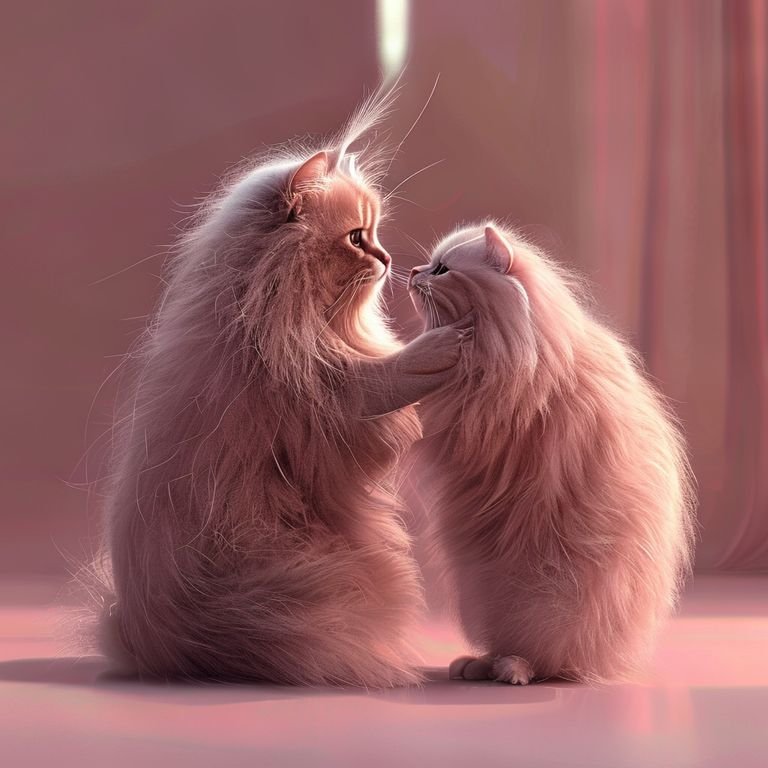
Unlock the secrets to pristine Persian grooming! Learn expert tips for brushing, bathing, and maintaining your fluffy cat’s luxurious coat, preventing mats, and ensuring their health.
The majestic Persian cat, with its flowing coat and serene demeanor, is a true embodiment of feline elegance. However, maintaining that luxurious “fluff factor” isn’t just about aesthetics; it’s a vital part of their health and happiness. Effective Persian grooming is an art form, demanding dedication and the right techniques to prevent painful mats and skin issues. Understanding the specific needs of their unique coat is the first step towards ensuring your beloved companion remains pristine, comfortable, and healthy for years to come. This comprehensive guide will equip you with all the knowledge for successful Persian grooming.
The Essentials of Daily Brushing for Persian Cats
Daily brushing is the cornerstone of any effective Persian grooming regimen. Their long, dense double coat is prone to tangling and matting, which can quickly become uncomfortable and even lead to skin infections if left unattended. Establishing a consistent daily routine will not only keep their coat beautiful but also strengthen the bond between you and your feline friend.
Choosing the Right Tools for Flawless Fur
The success of your brushing routine largely depends on the tools you use. Investing in high-quality grooming equipment designed specifically for long-haired cats is paramount. Generic brushes often aren’t up to the task of penetrating the Persian’s thick undercoat.
-
– **Slicker Brush:** This brush features fine, short wires packed closely together on a flat surface. It’s excellent for removing loose hair, detangling the topcoat, and stimulating the skin. Always use it gently to avoid scratching their delicate skin.
– **Metal Comb (Wide-toothed and Fine-toothed):** A good quality metal comb is indispensable. Start with the wide-toothed section to gently work through larger tangles, then move to the finer teeth to smooth the coat and check for any missed knots. It’s crucial for getting down to the undercoat.
– **Pin Brush:** With longer, wider-spaced pins, often with rounded tips, this brush is ideal for the initial detangling and for fluffing up the coat without pulling too much. It’s gentler than a slicker for initial passes.
– **Dematter Tool (Optional but Recommended):** For persistent mats, a dematter tool can be a lifesaver. These tools have sharp blades designed to cut through dense mats without pulling too much fur. Use with extreme caution and only as a last resort before professional intervention.
Mastering the Brushing Technique
Proper technique is key to effective and comfortable Persian grooming. Never rush the process, as this can cause pain and make your cat averse to future grooming sessions. Find a quiet time when your cat is relaxed, perhaps after a meal or a nap.
-
– **Start Gently:** Begin by gently stroking your cat with your hand, familiarizing them with the touch. Then, introduce the brush or comb slowly, starting with areas they tolerate well, like their back or sides.
– **Section by Section:** Work in small sections, especially on dense areas like the ruff, armpits, stomach, and “britches” (fur on the hind legs). Lift the top layer of fur and brush the undercoat first, working from the skin outwards.
– **Line Brushing:** This technique is highly effective for Persian coats. Part the fur and brush a small section from root to tip. Then, part another section just above the first and repeat, gradually working your way across their body. This ensures you reach all layers of the coat.
– **Pay Attention to Trouble Spots:** The areas most prone to matting are behind the ears, under the chin, in the armpits, and on the hindquarters. Dedicate extra time and gentleness to these spots.
– **Positive Reinforcement:** Always make grooming a positive experience. Offer treats, praise, and gentle strokes throughout the session. If your cat becomes agitated, take a break and try again later.
Addressing Knots and Tangles Proactively
Even with daily brushing, some knots can form. It’s crucial to address them immediately before they turn into large, painful mats. Gently separate the knot with your fingers, then use the wide-toothed comb to slowly work it out, holding the fur at the base of the knot to prevent pulling on the skin. A little cornstarch or a specialized detangling spray can help lubricate the fur and make the process easier. If a knot is too tight or large, do not attempt to cut it out with scissors, as this can easily lead to accidental cuts on your cat’s skin. Professional Persian grooming is often the safest option for severe matting.
Bathing Your Persian Cat: A Gentle Art
While daily brushing is essential, occasional bathing is also a necessary part of comprehensive Persian grooming, especially for light-colored Persians who can develop an oily or greasy coat. Bathing helps remove excess oils, dander, and dirt that brushing alone cannot tackle, leaving their coat soft, fluffy, and truly pristine.
Preparing for a Stress-Free Bath
Preparation is key to minimizing stress for both you and your cat during bath time. Gather all your supplies beforehand, so you don’t have to leave your cat unattended.
-
– **Pre-Bath Brushing:** This is non-negotiable. Thoroughly brush your cat to remove all loose fur and tangles *before* the bath. Water will tighten any existing mats, making them nearly impossible to remove later.
– **Location:** A laundry sink with a spray nozzle or a small tub in a warm bathroom works best. Place a non-slip mat at the bottom to give your cat traction and make them feel more secure.
– **Supplies:**
– **Cat-Specific Shampoo and Conditioner:** Never use human products, as they can irritate your cat’s skin and strip essential oils. Choose formulas designed for long-haired cats, preferably tear-free.
– **Towels:** Have several soft, absorbent towels ready.
– **Cotton Balls:** For gently cleaning ears after the bath (do not insert into the ear canal).
– **Washcloth:** For washing the face.
– **Treats and Toys:** To make the experience more positive.
– **Temperature:** Ensure the water is lukewarm, not hot or cold. Test it on your inner wrist.
– **Trimming Nails:** Consider trimming your cat’s nails before the bath to protect yourself from accidental scratches.
The Step-by-Step Bathing Process
Approach bath time with calm confidence. Your cat will pick up on your anxiety, so staying relaxed is beneficial for both of you.
-
1. **Initial Wetting:** Gently place your cat in the sink or tub. Using a sprayer on a low setting or a cup, thoroughly wet their coat, starting from the neck down, avoiding the face. Speak soothingly throughout the process.
2. **Shampoo Application:** Apply a small amount of cat shampoo, working it into a lather from neck to tail. Pay special attention to oily areas like the tail and under the chin. Be gentle and thorough, ensuring the shampoo penetrates the dense coat. Avoid getting shampoo in their eyes or ears. For the face, use a damp washcloth with a tiny dab of diluted shampoo, wiping gently.
3. **Thorough Rinsing:** This is perhaps the most critical step in Persian grooming for bathing. Rinse, rinse, and rinse again until all traces of shampoo are gone. Any residue can irritate the skin and lead to matting. The water running off their coat should be completely clear.
4. **Conditioner (Optional but Recommended):** Apply a cat-specific conditioner to help detangle and soften the fur. Let it sit for the recommended time, then rinse thoroughly.
5. **Final Rinse:** Ensure no soap residue remains. This can take several minutes, especially with a thick Persian coat.
Post-Bath Drying and Finishing Touches
Drying a Persian cat thoroughly is just as important as the bath itself. Leaving their fur damp can lead to skin issues and matting.
-
– **Towel Drying:** Immediately wrap your cat in a thick, absorbent towel and gently squeeze out excess water. Repeat with a fresh towel if necessary. Avoid harsh rubbing, which can tangle the fur.
– **Blow Drying:** Most Persians tolerate a blow dryer if introduced gently. Use a pet-specific dryer or a human dryer on a low, cool setting. Hold it at a safe distance and keep it moving to prevent overheating. Brush the fur as you dry, section by section, to ensure it dries straight and fluffy. This is crucial to prevent mats.
– **Combing and Brushing:** Once almost dry, use your metal comb to ensure there are no tangles. Continue brushing until the coat is completely dry and fluffy.
– **Ear Cleaning:** Gently wipe the outer ear canal with a cotton ball dampened with a veterinarian-approved ear cleaner. Never insert anything into the ear canal itself.
– **Reward:** Offer praise and treats generously after the bath to reinforce a positive association with the experience.
Beyond the Brush and Bath: Comprehensive Persian Grooming
Persian grooming extends beyond just their magnificent coat. Attention to their eyes, ears, nails, and teeth is equally vital for their overall health and well-being.
Eye Care: Keeping Those Sparkling Eyes Clear
Persian cats are known for their brachycephalic (flat) faces, which can lead to excessive tearing and tear staining. Regular eye care is crucial.
-
– **Daily Wiping:** Gently wipe around their eyes daily with a soft, damp cloth or a specialized pet eye wipe. This prevents tear stains from accumulating and irritating the skin.
– **Trim Hair Around Eyes:** If the hair around their eyes grows too long, it can wick tears into the fur and worsen staining. Carefully trim this hair with blunt-nosed scissors, or have a professional groomer do it.
– **Veterinary Check:** If you notice excessive discharge, redness, or swelling, consult your veterinarian, as it could indicate an infection or other health issue.
Ear Cleaning: Preventing Infections
Regular ear checks are part of good Persian grooming. Their long fur can sometimes cover their ears, making it harder to spot issues.
-
– **Weekly Checks:** Inspect your cat’s ears weekly for redness, odor, excessive wax, or discharge.
– **Gentle Cleaning:** If the ears look dirty, gently wipe the visible parts of the outer ear with a cotton ball or gauze dampened with a vet-approved ear cleaner. Never use cotton swabs inside the ear canal.
– **Professional Help:** If you suspect an ear infection, or if your cat is shaking its head or scratching its ears frequently, seek veterinary attention.
Nail Trimming: A Crucial Detail
Trimming your Persian cat’s nails every 2-4 weeks prevents them from becoming too long, which can be uncomfortable, lead to ingrown nails, or cause damage to furniture.
-
– **Proper Clippers:** Use sharp, cat-specific nail clippers.
– **Identify the Quick:** The “quick” is the pink part of the nail that contains blood vessels and nerves. Avoid cutting into it, as this is painful and will cause bleeding. If your cat has dark nails, it can be harder to see the quick; trim only the very tip.
– **Gentle Approach:** Introduce nail trimming gradually. Start by trimming just one or two nails at a time, and always reward your cat afterward. If you’re unsure, ask your vet or a professional groomer for a demonstration.
Dental Hygiene: Protecting Their Pearly Whites
Dental care is often overlooked but is a critical component of overall Persian grooming and health. Persians are particularly prone to dental issues due to their facial structure.
-
– **Daily Brushing:** Ideally, brush your cat’s teeth daily using a cat-specific toothbrush and toothpaste (never human toothpaste).
– **Dental Treats and Water Additives:** These can help supplement brushing but are not a substitute for it.
– **Professional Dental Cleanings:** Regular veterinary dental check-ups and professional cleanings under anesthesia may be recommended by your vet to prevent plaque and tartar buildup, which can lead to serious health problems.
Specialized Grooming Products and Tools
The market offers a wide array of products designed to make Persian grooming more efficient and effective. Choosing the right tools can make a significant difference in maintaining your cat’s luxurious coat.
Comparison of Essential Persian Grooming Products
Here’s a comparison of some popular and highly-rated grooming essentials that every Persian cat owner should consider.
| Product | Price | Pros | Cons | Best For |
|---|---|---|---|---|
| FURminator deShedding Tool (Long Hair) | $35-$50 | Significantly reduces shedding; reaches undercoat effectively. | Can be harsh if used incorrectly; not suitable for daily use on delicate skin. | Reducing shedding and preventing mat buildup during shedding seasons. |
| Chris Christensen Big G Slicker Brush | $50-$70 | Exceptional quality, ergonomic handle; ideal for fluffing and detangling dense coats. | Premium price point; requires careful handling due to stiff bristles. | Professional-grade detangling, dematting, and fluffing for show cats or very dense coats. |
| Earthbath All Natural Hypo-Allergenic Cat Shampoo | $10-$15 | Gentle, soap-free, tearless formula; great for sensitive skin and frequent bathing. | May not be strong enough for extremely greasy coats. | Regular bathing, cats with sensitive skin, or allergy sufferers. |
| JW Pet GripSoft Cat Comb | $8-$12 | Comfortable grip, good for all-over checking for tangles; dual-sided for different coat densities. | May not penetrate very thick undercoats as deeply as a metal comb. | Daily finishing touches and checking for missed knots after brushing. |
| Safari Professional Nail Trimmer for Cats | $7-$10 | Sharp stainless steel blades; comfortable grip; includes safety guard. | Guard can sometimes obstruct view of the quick for precise cuts. | Regular, safe nail trimming at home. |
Addressing Common Grooming Challenges
Even with the best intentions and tools, Persian grooming can present its challenges. Knowing how to handle these common issues can save you stress and keep your cat comfortable.
Dealing with Matting and Shedding
Mats are the bane of Persian cat owners. They pull on the skin, can be incredibly painful, and create a breeding ground for skin infections. Severe matting can even restrict movement.
-
– **Prevention is Key:** As emphasized, daily brushing is the best defense against mats. Pay extra attention to high-friction areas.
– **Gentle Detangling:** For small, loose mats, try to gently work them out with your fingers, then use a wide-toothed comb. A little cornstarch or a detangling spray can help. Always support the skin at the base of the mat to minimize pulling.
– **Never Cut with Scissors:** Do not attempt to cut mats out with household scissors. The skin on a Persian is very thin and can be easily nicked or severely cut, often hidden underneath the mat.
– **Deshedding Tools:** During shedding season, a deshedding tool like the FURminator (used sparingly and correctly) can help remove loose undercoat before it forms mats.
– **Diet and Supplements:** A high-quality diet rich in Omega-3 and Omega-6 fatty acids can promote healthy skin and coat, potentially reducing shedding and improving coat manageability.
When to Call a Professional Groomer
While DIY Persian grooming is achievable, there are times when professional help is not just recommended, but necessary.
-
– **Severe Matting:** If your cat has developed extensive or tight mats that you cannot safely remove, a professional groomer is the safest option. They have specialized tools and techniques to remove mats without injuring your cat. In some cases, a full shave-down (lion cut) might be necessary to start fresh.
– **Aggressive or Uncooperative Cats:** If your cat becomes highly stressed, aggressive, or unmanageable during grooming, a professional can often handle them more effectively and safely. Some groomers even work with sedated cats under veterinary supervision.
– **Specific Health Concerns:** If your cat has skin conditions, ear infections, or other health issues that make regular grooming difficult or risky, a professional groomer or veterinary technician can assist.
– **Show Preparation:** For show Persians, professional groomers have the expertise to achieve the perfect coat presentation.
– **Time Constraints:** If you simply don’t have the time to commit to the rigorous daily Persian grooming routine, a professional can provide regular maintenance grooms to keep your cat in top condition.
Maintaining the magnificent coat of a Persian cat requires dedication, the right tools, and a consistent routine. From daily brushing to occasional bathing, and meticulous attention to their eyes, ears, and nails, every aspect of Persian grooming contributes to their overall health and happiness. By understanding their unique needs and employing the techniques outlined in this guide, you can ensure your fluffy companion remains pristine, comfortable, and truly radiant. Embrace the journey of caring for your Persian’s glorious coat, and you’ll be rewarded with a healthy, happy, and stunning feline friend.
Ready to elevate your Persian’s comfort and beauty? Start implementing these grooming tips today, and watch your cat’s “fluff factor” truly shine. For more in-depth guides on feline care, explore our other articles and join our community of passionate Persian cat owners!
Frequently Asked Questions About Persian Cat Grooming
How often should I groom my Persian cat?
Persian cats require daily brushing to prevent mats and tangles due to their long, dense coats. A full bath may be needed every 4-8 weeks, depending on their activity level and coat oiliness. Eye wiping and ear checks should be done daily or weekly, and nail trimming every 2-4 weeks.
What if my Persian cat hates being groomed?
Start grooming from a young age to accustom them to the routine. Keep sessions short, use positive reinforcement with treats and praise, and be gentle. If your cat is highly agitated, try breaking the grooming into multiple short sessions throughout the day. For extreme cases, consult a professional groomer or your veterinarian.
Can I use human shampoo on my Persian cat?
No, you should never use human shampoo on your Persian cat. Human shampoos are formulated with different pH levels and ingredients that can irritate a cat’s skin, strip essential oils, and cause dryness or other dermatological issues. Always use a cat-specific shampoo, preferably one designed for long-haired cats.
How do I prevent tear stains on my Persian cat?
To prevent tear stains, gently wipe your Persian cat’s eyes daily with a soft, damp cloth or a specialized pet eye wipe. Ensure the hair around their eyes is trimmed short so it doesn’t wick tears. A high-quality diet and adequate hydration can also contribute to overall eye health.
Is it necessary to shave a Persian cat in summer?
Shaving a Persian cat in summer is generally not necessary and can even be detrimental. Their double coat provides insulation against both cold and heat, helping regulate their body temperature. Shaving can expose their delicate skin to sunburn and may not grow back correctly. Regular brushing and cooling measures like providing shade and fresh water are usually sufficient. Consult your vet before considering a shave.
Leave a Reply