

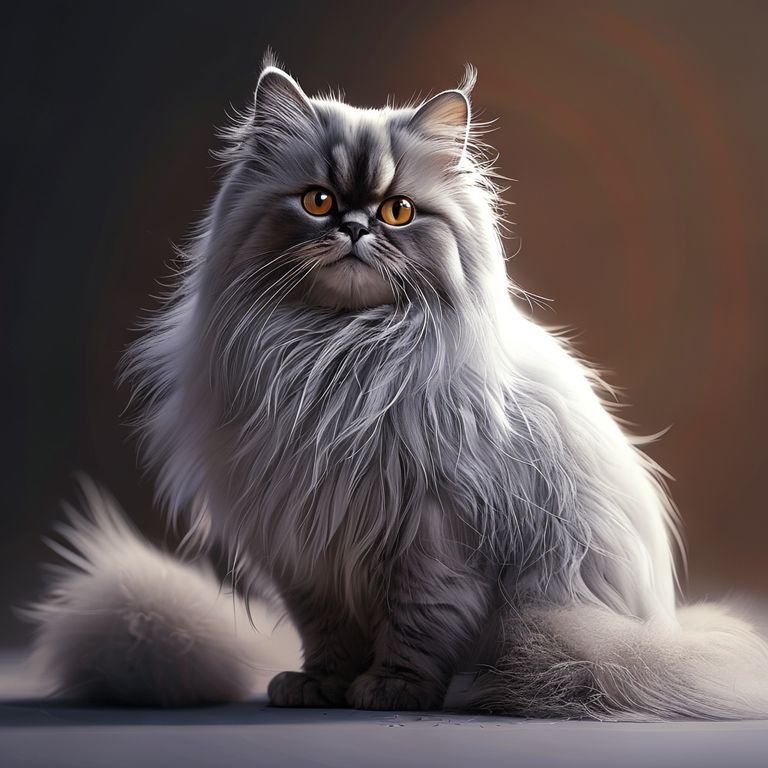
Discover the ultimate secrets to maintaining your Persian cat’s majestic coat. This comprehensive guide provides expert tips and essential tools for effective Persian grooming, ensuring your feline friend looks and feels their best.
The Unique Challenges of Persian Grooming
Persian cats are renowned for their luxurious, long, and dense coats, which are undoubtedly their most striking feature. However, this magnificent fur comes with a significant responsibility: dedicated Persian grooming. Unlike many other breeds, a Persian’s coat requires daily attention to prevent matting, tangles, and skin issues.
Their double coat, consisting of a softer undercoat and longer guard hairs, is particularly prone to knotting if not meticulously cared for. Proper Persian grooming isn’t just about aesthetics; it’s crucial for your cat’s health, comfort, and overall well-being. Neglecting their coat can lead to painful mats that pull on the skin, cause infections, and even restrict movement.
Understanding Your Persian’s Coat Type
While all Persians share the characteristic long coat, there can be subtle variations in texture and density. Some may have a silkier, finer coat, while others possess a thicker, more cotton-like texture. These differences can influence the frequency and type of grooming tools you’ll need.
Recognizing your cat’s specific coat type will help you tailor your Persian grooming routine. A finer coat might tangle more easily, demanding gentler brushing, while a denser coat might require more thorough deshedding. Pay close attention to your cat’s fur during your regular grooming sessions to understand its unique needs.
Essential Tools for Effective Persian Grooming
Investing in the right grooming tools is the foundation of a successful Persian grooming routine. Using inappropriate brushes or combs can damage the coat, irritate the skin, or simply be ineffective. A well-stocked grooming kit will make the process easier for both you and your cat.
Here are the must-have items for any Persian cat owner:
Brushes and Combs: Your Daily Allies
- Slicker Brush: This is your primary tool for daily brushing. Its fine, wire bristles are excellent for removing loose hair, detangling superficial knots, and stimulating the skin. Always use a gentle hand to avoid scratching your cat’s delicate skin.
- Metal Comb (Wide-toothed and Fine-toothed): An essential tool for tackling deeper tangles and ensuring the coat is completely free of mats. Start with the wide-toothed side for initial detangling, then follow with the fine-toothed side to smooth the fur and check for any missed knots.
- Pin Brush: Ideal for general brushing and for cats with silkier coats. The rounded pins glide through the fur without pulling, helping to distribute natural oils and add shine.
- Deshedding Tool (e.g., Furminator-style brush): Used less frequently, perhaps once a week or during shedding seasons, these tools are highly effective at removing loose undercoat. Use sparingly and gently to avoid damaging the topcoat or irritating the skin.
Bathing Essentials for a Pristine Coat
While daily brushing is vital, regular bathing is also a crucial component of comprehensive Persian grooming. Persian cats should be bathed every 4-6 weeks, or more often if their coat becomes greasy or soiled. Bathing helps remove dirt, dander, and excess oils that can lead to matting and skin problems.
- Cat-Specific Shampoo and Conditioner: Never use human shampoo, as it can be too harsh for a cat’s skin. Look for pH-balanced, hypoallergenic formulas designed for long-haired cats. A conditioner can help detangle and add moisture back to the coat.
- Non-Slip Mat: Place this in the sink or tub to help your cat feel secure and prevent slips, making the bathing experience less stressful.
- Fluffy Towels: Absorbent towels are necessary for initial drying. Gently blot, don’t rub, to prevent tangling.
- Pet Hair Dryer (Optional, but Recommended): A low-heat, low-noise pet dryer can significantly speed up drying time and prevent your cat from getting chilled. Ensure it’s specifically designed for pets to avoid overheating.
Other Important Grooming Items
- Nail Clippers: Regular nail trims prevent overgrown claws from snagging on carpets or causing discomfort. Use cat-specific clippers and only trim the very tip, avoiding the quick.
- Ear Cleaner: Persian cats can be prone to ear wax buildup due to their heavy fur. Use a veterinarian-approved ear cleaner and cotton balls to gently wipe the outer ear. Never insert anything into the ear canal.
- Eye Wipes/Stain Remover: Persians are known for tear staining due to their brachycephalic (flat) faces. Gentle, cat-safe eye wipes can help keep the area clean and minimize staining.
- Grooming Spray/Detangler: A light, pet-safe spray can make brushing easier, especially when tackling stubborn mats.
Comparison of Top Grooming Tools for Persian Grooming
Essential Grooming Tools for Persians
| Product | Price | Pros | Cons | Best For |
|---|---|---|---|---|
| Safari Self-Cleaning Slicker Brush | $15-$25 | Retractable bristles for easy cleaning; effective for tangles & loose hair | Can be sharp if not used gently | Daily detangling and removing shedding fur |
| Andis Steel Pet Comb (7.5-inch) | $10-$20 | Two comb densities (wide & fine); durable stainless steel | Requires patience for severe mats | Checking for mats, smoothing coat, fine finishing |
| Chris Christensen Oval Pin Brush | $35-$60 | High-quality pins glide smoothly; ergonomic handle; reduces static | Higher price point | Sensitive skin, maintaining coat health, adding shine |
| FURminator Deshedding Tool (Long Hair) | $30-$50 | Significantly reduces shedding; button for easy hair release | Can cut hair if misused; not for daily use | Seasonal heavy shedding, deep undercoat removal |
| Earthbath All Natural Cat Shampoo | $10-$18 | Soap-free, paraben-free, pH-balanced; good for sensitive skin | Scent might not appeal to all cats | Regular bathing, sensitive skin, reducing dander |
Establishing a Regular Persian Grooming Routine
Consistency is paramount when it comes to Persian grooming. A well-established routine will not only keep your cat looking their best but also make the grooming process more tolerable and even enjoyable for them. Start grooming your Persian from a young age to acclimate them to the process.
Daily Brushing: The Cornerstone of Coat Care
Allocate 15-20 minutes each day for brushing. This daily session is the most critical step in preventing mats and distributing natural skin oils. Begin with a slicker brush to remove loose hair and minor tangles, always brushing in the direction of hair growth.
Follow up with a metal comb, systematically working through sections of the coat, especially in areas prone to matting like behind the ears, armpits, flanks, and the “britches” (fur around the hind legs). If you encounter a mat, do not pull. Gently try to work it out with your fingers or the wide-toothed comb. For stubborn mats, a mat splitter or a quick trim with blunt-nosed scissors might be necessary (exercise extreme caution or consult a professional groomer).
Weekly Checks and Mini-Grooming Sessions
Beyond daily brushing, set aside time each week for a more thorough inspection and targeted grooming:
- Ear Cleaning: Check for wax buildup or signs of infection. Clean gently with a vet-approved solution.
- Nail Trimming: Trim nails every 2-4 weeks. If unsure, ask your vet or a professional groomer for a demonstration.
- Eye Area Cleaning: Wipe away tear stains daily if necessary, or at least a few times a week, to prevent accumulation and irritation.
- Dental Care: While not strictly coat grooming, regular dental care (brushing with cat-specific toothpaste) is vital for overall health.
Bathing Your Persian Cat: A Step-by-Step Guide
Bathing a Persian cat can seem daunting, but with the right approach, it can be a relatively smooth experience. Aim for a bath every 4-6 weeks.
- Preparation is Key: Before the bath, thoroughly brush your cat to remove any mats or tangles. Mats will tighten when wet and become impossible to remove. Gather all your supplies (shampoo, conditioner, towels, non-slip mat) beforehand.
- Water Temperature and Environment: Use lukewarm water. Ensure the room is warm to prevent your cat from getting chilled. Gently place your cat in the tub or sink with the non-slip mat.
- Wetting the Coat: Use a handheld sprayer or a cup to thoroughly wet your cat’s fur, avoiding their face directly. Work from the neck down to the tail.
- Shampooing: Apply a small amount of cat-specific shampoo and gently massage it into the coat. Pay special attention to areas that tend to get greasy. Rinse thoroughly until all shampoo is gone. Residual shampoo can irritate the skin.
- Conditioning: Apply a cat-specific conditioner, letting it sit for a few minutes as per product instructions. This helps to detangle and moisturize the coat. Rinse equally thoroughly.
- Drying: Gently squeeze excess water from the fur. Wrap your cat in a fluffy towel and blot dry. You can then use a pet hair dryer on a low, cool setting, continuously brushing the fur as you dry to prevent tangles and ensure it’s completely dry to the skin. Never leave a Persian cat to air dry completely, especially in cooler weather, as their dense undercoat can hold moisture and lead to skin issues.
Tackling Common Persian Grooming Challenges
Even with a diligent routine, Persian grooming can present specific challenges. Being prepared for these can save you stress and ensure your cat’s continued well-being.
Dealing with Mats and Tangles
Mats are the bane of Persian grooming. Prevention through daily brushing is the best strategy. If you find a mat:
- Don’t Pull: This will hurt your cat and make them resent grooming.
- Use a Detangling Spray: Apply a cat-safe detangling spray and gently work it into the mat.
- Finger-Pick and Comb: Carefully try to separate the mat with your fingers, then use the wide-toothed comb, starting from the outer edges and working inwards.
- Mat Splitter: For severe mats, a mat splitter (a tool with a blunt razor edge) can cut the mat into smaller, more manageable sections. Use with extreme care.
- Clipping: As a last resort, very tight mats may need to be clipped out. This should ideally be done by a professional groomer or vet to avoid cutting the skin.
Managing Tear Stains and Eye Care
Persians often have watery eyes due to their facial structure, leading to unsightly reddish-brown tear stains. Daily cleaning is essential:
- Gentle Wiping: Use soft, damp cotton balls or cat-specific eye wipes to gently clean the area around their eyes. Wipe outwards from the corner of the eye.
- Specialized Products: There are tear stain removers available, but always choose products specifically formulated for cats and consult your vet if you have concerns about ingredients.
- Address Underlying Issues: If tear staining is excessive, consult your vet. It could be a sign of allergies, blocked tear ducts, or another medical condition.
Shedding Season Strategies for Persian Grooming
Persians shed year-round, but often more heavily in spring and fall. During these times, intensify your Persian grooming efforts:
- Increase Brushing Frequency: You might need to brush twice daily during peak shedding.
- Utilize a Deshedding Tool: Incorporate a deshedding tool once or twice a week to remove excess undercoat, but be mindful not to overdo it, which can irritate the skin.
- Regular Baths: A bath can help loosen and release dead fur, making it easier to brush out.
Nutrition and Health for a Luminous Coat
A truly gorgeous coat isn’t just a result of external Persian grooming; it’s a reflection of your cat’s internal health. Proper nutrition plays a vital role in maintaining the luster, strength, and health of your Persian’s fur.
The Role of Diet in Coat Health
Feeding a high-quality, balanced diet specifically formulated for cats is crucial. Look for cat foods that list real meat as the first ingredient and are rich in essential fatty acids. These fatty acids, particularly Omega-3 and Omega-6, are cornerstones of healthy skin and a shiny coat.
- Omega-3 Fatty Acids: Found in fish oils, flaxseed, and some cat foods, Omega-3s help reduce inflammation and promote skin health, which translates to a healthier coat.
- Omega-6 Fatty Acids: Present in poultry fat and certain vegetable oils, these are vital for maintaining the skin’s barrier function and preventing dryness.
- Biotin and Zinc: These vitamins and minerals are often included in premium cat foods for their benefits to skin and coat health.
If your cat’s coat appears dull, dry, or prone to excessive shedding despite good grooming, discuss their diet with your veterinarian. They might recommend specific dietary supplements or a change in food formulation.
Hydration and Overall Health
Adequate water intake is essential for all bodily functions, including skin and coat health. Ensure your Persian always has access to fresh, clean water. Consider offering a cat water fountain, as many cats prefer running water and it can encourage them to drink more.
Regular veterinary check-ups are also indispensable. Your vet can identify any underlying health issues, allergies, or parasitic infections that could be impacting your cat’s coat. A healthy cat from the inside out will always have a more beautiful and manageable coat.
Advanced Tips and Professional Persian Grooming
While DIY Persian grooming is achievable, sometimes a little extra help or more advanced techniques are beneficial. Knowing when to seek professional assistance can be a game-changer for your cat’s comfort and coat health.
When to Consult a Professional Groomer
There are several scenarios where a professional groomer can be an invaluable resource:
- Severe Matting: If your cat has extensive or very tight mats that you cannot safely remove, a professional groomer has the tools and expertise to address them without causing pain or injury. They may need to shave down affected areas.
- Behavioral Challenges: If your Persian is highly resistant or aggressive during grooming sessions, a professional can often work with them more effectively, using specialized techniques and a calm, experienced approach.
- Lion Cuts: For cats prone to severe matting or those that struggle with heat in warmer climates, a “lion cut” (shaving the body while leaving the head, paws, and tail fluffy) can be a practical solution. This is best done by a professional.
- Show Grooming: If you’re planning to show your Persian, professional groomers specializing in show preparation can achieve the immaculate finish required.
The Benefits of Regular Professional Grooming
Even if you handle most of the daily care, periodic professional grooming sessions (e.g., every 3-6 months) can offer significant benefits:
- Deep Cleaning: Professional baths use specialized equipment and products for a deeper, more thorough clean than often achievable at home.
- Expert Mat Removal: They can safely and efficiently remove even stubborn mats.
- Health Checks: Groomers often notice subtle changes in skin, coat, or body condition that you might miss, prompting a vet visit.
- Stress Reduction: For some cats, a single, comprehensive professional session is less stressful than repeated difficult home grooming attempts.
Remember, a professional groomer is there to supplement, not replace, your at-home Persian grooming efforts. Working together ensures your cherished Persian cat maintains their magnificent coat with ease and comfort.
Mastering Persian grooming is an ongoing journey that deeply enriches the bond you share with your feline companion. From understanding their unique coat needs to selecting the right tools, establishing a consistent routine, and knowing when to seek professional help, every step contributes to their health and happiness. By dedicating time and care to their magnificent fur, you’re not just maintaining a beautiful coat; you’re ensuring your Persian cat enjoys a comfortable, healthy, and dignified life. Keep brushing, bathing, and nurturing your fluffy friend, and you’ll continue to unlock the secret to their flawless, gorgeous fur.
For more personalized advice or to troubleshoot specific grooming challenges, don’t hesitate to consult your veterinarian or a certified professional groomer. Explore our other articles on cat care and well-being to further enhance your pet parenting journey!
Frequently Asked Questions (FAQ) About Persian Grooming
What is the ideal frequency for brushing a Persian cat?
Persian cats should be brushed daily for at least 15-20 minutes to prevent mats and keep their coat healthy and tangle-free. This daily attention is critical due to their long, dense double coat.
How often should I bathe my Persian cat?
Most Persian cats benefit from a bath every 4-6 weeks. However, this can vary based on their lifestyle, coat condition, and if they tend to get greasy or dirty more quickly.
What are the signs of a mat that I should be concerned about?
Mats appear as clumps or knots of tangled fur, often tight against the skin. They can be painful, pull on the skin, and lead to skin irritation, sores, or infections. If a mat is tight, large, or numerous, a professional groomer or vet should address it.
Can I use human shampoo on my Persian cat?
No, you should never use human shampoo on your Persian cat. Human shampoos have a different pH balance and can contain ingredients that are too harsh for a cat’s delicate skin, leading to dryness, irritation, or allergic reactions. Always use cat-specific, pH-balanced shampoos.
Is a lion cut good for a Persian cat?
A lion cut can be beneficial for Persian cats that struggle with severe, recurring matting, those who have difficulty tolerating regular grooming, or cats in very warm climates who might overheat. It should always be performed by a professional groomer. Discuss this option with your vet or groomer to see if it’s suitable for your cat.
Leave a Reply