

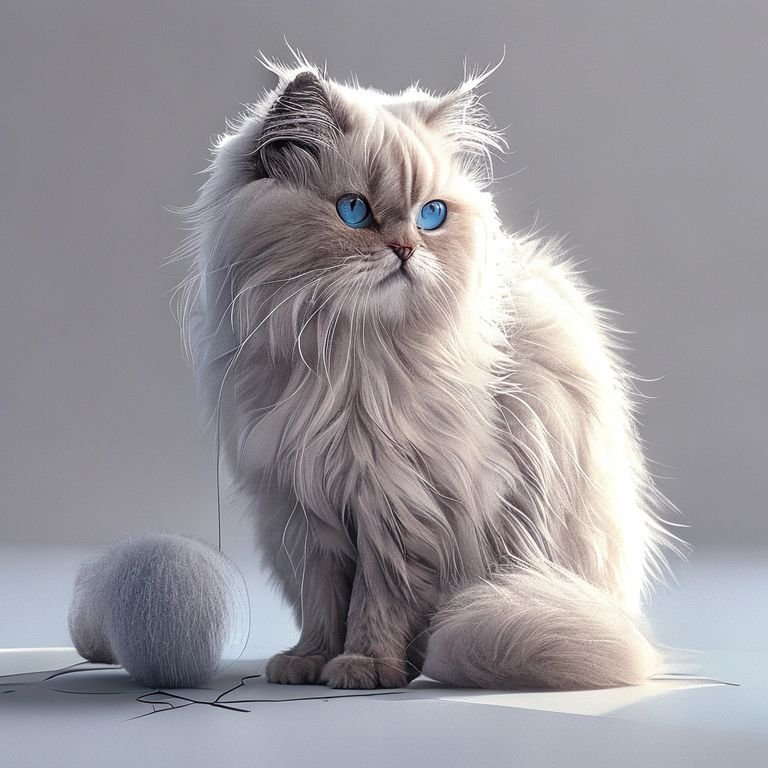
Unlock the secrets to keeping your Persian cat’s coat gloriously fluffy and healthy. Master essential Persian grooming techniques for a purr-fectly beautiful feline.
The Foundation of Fluff: Daily Brushing Essentials
Persian cats, with their majestic long coats and sweet, docile temperaments, are truly among the most enchanting feline companions. Their luxurious fur, however, is not just for show; it requires diligent care to maintain its splendor and prevent uncomfortable matting. Mastering effective Persian grooming is paramount for their health, comfort, and signature regal appearance. This comprehensive guide will unravel the fluffiest secrets, offering practical tips and strategies to ensure your beloved Persian looks and feels purr-fect every single day.
The cornerstone of a beautiful Persian coat is consistent daily brushing. Neglecting this routine, even for a few days, can lead to severe matting that is painful for your cat and difficult to resolve. Daily brushing not only keeps their fur tangle-free but also distributes natural oils, removes loose hair, and stimulates circulation, promoting a healthier, shinier coat.
Choosing the Right Tools for Persian Grooming
Investing in high-quality grooming tools specifically designed for long-haired cats is crucial. The right tools make the process more effective and enjoyable for both you and your cat.
-
– A wide-toothed metal comb: Essential for gently detangling larger knots and checking for missed mats after brushing. Look for one with both wide and narrower teeth.
– A slicker brush: Ideal for removing loose hair and smaller tangles, especially from denser areas like the ruff and tail. Use it gently, as the bristles can be sharp.
– A bristle brush: Best for finishing, smoothing the coat, and distributing natural oils for a healthy sheen.
– A de-shedding tool (used sparingly): Can be helpful during shedding seasons, but use with caution to avoid damaging the delicate undercoat. Follow product instructions carefully.
Establishing a Positive Brushing Routine
Start grooming your Persian cat from a young age to get them accustomed to the process. Make it a positive experience by offering treats, gentle praise, and short sessions initially. Aim for a consistent time each day, so your cat learns to anticipate and even look forward to their pampering session.
Begin by gently stroking your cat to relax them. Then, using your wide-toothed comb, carefully work through small sections of their fur, starting from the head and working towards the tail. Pay special attention to areas prone to matting, such as under the armpits, behind the ears, on the belly, and around the “britches” (the fur on their hind legs).
After combing, use the slicker brush to remove any loose undercoat and smooth the fur. Always brush in the direction of hair growth. If you encounter a tangle, do not pull. Instead, gently work it out with your fingers or the wide-toothed comb, holding the base of the mat to prevent pulling on the skin. Patience is key in proper Persian grooming.
The Art of Bathing: Keeping Your Persian Pristine
While daily brushing is vital, regular baths are also necessary for Persian cats to keep their long coats clean, free of oils, and looking their best. The frequency depends on your cat’s lifestyle and coat condition, but generally, a bath every 4-6 weeks is a good starting point.
Preparing for a Stress-Free Bath
Before you even think about water, ensure your Persian’s coat is completely tangle-free. Bathing a matted cat will only tighten the mats, making them much harder to remove and causing discomfort. Have all your supplies within reach: cat-specific shampoo and conditioner, towels, a non-slip mat for the tub, and a small cup or sprayer for rinsing.
Set up a comfortable, warm environment. Close doors and windows to avoid drafts, and keep your voice calm and reassuring. Some owners find that placing cotton balls gently in their cat’s ears can help prevent water from entering, but be careful not to push them too far in.
The Bathing Process: Gentle Cleansing
Carefully place your cat in a tub or sink with a non-slip mat at the bottom. Use lukewarm water – test it on your wrist first to ensure it’s not too hot or too cold. Slowly wet your cat’s fur, starting from their back and moving downwards, avoiding their face initially.
Apply a small amount of cat-specific shampoo, working it gently into a lather. Focus on areas that tend to get greasy, like the tail and hindquarters. Be thorough but gentle, avoiding vigorous scrubbing that can cause tangles. Rinse completely. This is perhaps the most important step; any shampoo residue left behind can irritate the skin and lead to matting.
Follow with a cat-specific conditioner to help detangle the coat and keep it soft. Allow it to sit for the recommended time, then rinse thoroughly again, ensuring no product remains. Use a soft cloth to gently clean around their eyes and mouth, if needed, with plain warm water.
Drying Your Persian’s Magnificent Coat
After rinsing, gently squeeze excess water from their fur. Wrap your cat in a large, absorbent towel and pat them dry. Avoid rubbing, which can create tangles. Many Persian owners use a pet-specific force dryer on a low, cool setting to dry their cat’s coat. This is often more effective than air drying and helps prevent matting as the fur dries.
If using a hairdryer, keep it on the coolest setting and hold it at a safe distance, continuously moving it to prevent overheating. Brush your cat gently as you dry them to prevent mats from forming. Ensure their coat is completely dry, especially the dense undercoat, to prevent skin infections.
Comparison of Top Persian Grooming Shampoos & Conditioners
Choosing the right products is paramount for maintaining the health and beauty of your Persian’s long coat. Look for shampoos specifically formulated for cats, ideally those that are tearless, pH-balanced, and designed for long-haired breeds.
| Product | Price | Pros | Cons | Best For |
|---|---|---|---|---|
| Burt’s Bees for Cats Tearless Shampoo | $8-$12 | Natural ingredients, gentle, tearless, good for sensitive skin. | May not be strong enough for very greasy coats. | Sensitive skin, regular maintenance baths. |
| TropiClean Medicated Oatmeal & Tea Tree Shampoo | $15-$20 | Soothes itchy skin, helps with dandruff, pleasant scent. | Can be drying if used too frequently without conditioner. | Cats with skin irritations or dry, flaky skin. |
| Earthbath Oatmeal & Aloe Conditioner | $10-$15 | Deeply moisturizes, detangles, leaves coat soft and shiny. | Requires thorough rinsing to prevent residue. | Enhancing coat softness and manageability after shampoo. |
| Pet Head Furtastic Conditioning Rinse | $12-$18 | Excellent detangler, pleasant scent, prevents mats. | Higher price point compared to some brands. | Cats prone to matting or with very long, dense coats. |
Mastering Advanced Persian Grooming Techniques
While daily brushing and regular bathing cover most of your Persian’s grooming needs, there are times when more advanced Persian grooming techniques become necessary. These often involve dealing with stubborn mats or opting for specific trims.
Tackling Tangles and Mats with Care
Despite your best efforts, mats can sometimes form. It’s crucial to address them promptly before they become larger and more painful. Never try to cut out mats with scissors unless you are absolutely certain of what you are doing, as it’s very easy to accidentally cut the skin, which is thinner and looser on cats than you might think.
-
– **Use a mat splitter or dematting comb:** These tools are designed to carefully slice through mats, making them easier to brush out. Always hold the skin at the base of the mat to minimize pulling.
– **Powder aid:** Sprinkle a little cornstarch or specialized detangling powder on the mat. This can help lubricate the hair, making it easier to separate with your fingers or a comb.
– **Patience and small sections:** Work on mats in very small sections, starting from the outer edges and gradually working inwards. If the mat is large and tight, it’s often best to seek professional help from a certified groomer.
– **Professional intervention:** For severe or extensive matting, a professional groomer or even your veterinarian may need to sedate your cat and shave the mats off. This is the safest and most humane option for significant matting.
Sanitary and Comfort Trims
Beyond aesthetic trims, some practical trims significantly improve your Persian’s comfort and hygiene. These are key aspects of practical Persian grooming.
-
– **Sanitary trim:** This involves carefully trimming the fur around your cat’s anus and genitals. Long fur in these areas can become soiled with feces or urine, leading to discomfort, skin irritation, and unpleasant odors. A short trim (using blunt-nosed clippers or rounded-tip scissors) keeps this area clean and prevents “dingleberries.”
– **Belly trim:** The fur on a Persian’s belly can easily mat due to friction, especially if they lie on their side often. A short trim here can prevent matting and make it easier to clean.
– **Paw pad trim:** Long fur between the paw pads can collect litter, dirt, and debris, potentially causing discomfort or slipperiness on smooth floors. Trimming this fur carefully with small, rounded-tip scissors or clippers enhances traction and hygiene.
Considering a “Lion Cut”
A “lion cut,” where most of the body fur is shaved short, leaving a mane around the head, fur on the lower legs, and a pom-pom on the tail, is a popular choice for some Persian owners. This is typically done by professional groomers. It’s often chosen for cats with severe matting that cannot be brushed out, or for owners who struggle to maintain a very long coat. While it provides a fresh start, it’s important to understand the implications:
-
– **Skin sensitivity:** Newly shaved skin can be sensitive to sun exposure and cold.
– **Regrowth:** The coat will grow back, but sometimes with a different texture, especially if the cat is older.
– **Emotional impact:** Some cats may feel self-conscious or act differently after a drastic trim, though most adjust quickly.
Discuss this option thoroughly with a professional groomer or your veterinarian to ensure it’s the right choice for your individual cat’s needs and health.
Beyond the Fluff: Eyes, Ears, and Nails
Effective Persian grooming extends beyond just the coat. Maintaining your cat’s eyes, ears, and nails is equally important for their overall health and well-being.
Keeping Persian Eyes Bright and Clear
Persian cats are known for their brachycephalic (flat) faces, which can lead to excessive tearing and tear staining. This reddish-brown discharge can accumulate in the fur around their eyes, leading to irritation, infection, and an unsightly appearance.
-
– **Daily wiping:** Gently wipe your cat’s eyes daily with a soft, damp cloth or a cotton ball soaked in warm water. Always wipe away from the eye.
– **Specialized cleaners:** There are cat-safe tear stain removers available that can help lighten existing stains. Always choose products specifically formulated for cats and follow the instructions carefully.
– **Veterinary check:** If you notice excessive tearing, green or yellow discharge, or redness, consult your vet. These could be signs of an eye infection, blocked tear ducts, or other health issues.
Gentle Ear Care
Persian cats generally have clean ears, but it’s still good practice to check them weekly. Look for any signs of redness, swelling, discharge, or an unpleasant odor, which could indicate an infection or mites.
-
– **Visual inspection:** Lift the ear flap and visually inspect the outer ear canal. It should be clean and pale pink.
– **Gentle cleaning:** If you see a small amount of dark wax or dirt, use a cotton ball or soft cloth dampened with a vet-approved ear cleaner specifically for cats. Never use cotton swabs inside the ear canal, as this can push debris further in or damage the delicate ear structures.
– **When to seek vet advice:** If you notice excessive dirt, foul odor, redness, or if your cat is shaking its head or scratching its ears frequently, consult your veterinarian immediately.
Nail Trimming: A Regular Necessity
Keeping your Persian’s nails trimmed is crucial for their comfort and health, as well as for protecting your furniture. Overgrown nails can curve into the paw pads, causing pain and infection. They can also snag on carpets or fabrics, leading to injury.
-
– **Frequency:** Most indoor cats need their nails trimmed every 2-4 weeks.
– **Tools:** Use sharp, cat-specific nail clippers (guillotine or scissor style).
– **Technique:** Hold your cat’s paw gently and press lightly on the paw pad to extend the nail. Identify the “quick,” the pink part of the nail that contains blood vessels and nerves. You only want to trim the clear, pointed tip, avoiding the quick. If your cat has dark nails, trim very small amounts at a time until you see a small dot in the center of the trimmed surface, indicating you’re close to the quick.
– **Be prepared:** Have styptic powder or cornstarch on hand in case you accidentally nick the quick. Apply pressure to stop any bleeding.
– **Positive reinforcement:** Make nail trims a calm experience, offering treats and praise. If your cat is resistant, try trimming just one or two nails at a time over several sessions. If you’re unsure, ask your vet or a professional groomer to demonstrate.
Holistic Health: Nutrition and Lifestyle for a Luminous Coat
While external Persian grooming is essential, the true secret to a healthy, vibrant coat often starts from within. A balanced diet, adequate hydration, and a low-stress environment all contribute significantly to your Persian cat’s overall health and the luster of their magnificent fur.
The Role of Diet in Coat Health
What your Persian eats directly impacts the quality of their coat. A diet rich in high-quality proteins, essential fatty acids, and key vitamins and minerals provides the building blocks for healthy skin and hair.
-
– **High-quality protein:** Cats are obligate carnivores, meaning their diet must be primarily meat-based. Ensure your cat’s food lists a quality animal protein (like chicken, salmon, or turkey) as the first ingredient. Protein is vital for hair growth and strength.
– **Omega-3 and Omega-6 fatty acids:** These essential fatty acids are crucial for skin health and a shiny coat. Look for foods that include ingredients like fish oil, flaxseed, or sunflower oil. These can reduce dryness, flakiness, and inflammation. Many owners also give a vet-approved omega supplement.
– **Vitamins and minerals:** Vitamins A, E, and B-complex, along with minerals like zinc and copper, play significant roles in maintaining skin integrity and hair follicle health. Ensure your cat’s food is complete and balanced.
Avoid feeding your cat low-quality food with excessive fillers or artificial ingredients, as these can lead to skin issues, dull coats, and other health problems. Consult your veterinarian for personalized dietary recommendations, especially if your cat has specific health concerns or allergies.
Hydration for Healthy Skin and Coat
Adequate water intake is vital for every bodily function, including skin health. Dehydration can lead to dry, flaky skin and a dull, brittle coat. Ensure your Persian always has access to fresh, clean water.
-
– **Multiple water sources:** Place several water bowls around your home.
– **Water fountains:** Many cats prefer to drink from running water, so a pet water fountain can encourage increased hydration.
– **Wet food:** Incorporating wet food into your cat’s diet significantly increases their water intake.
Stress Reduction and Environmental Factors
Stress can manifest physically, often impacting skin and coat health. A stressed cat might over-groom, leading to skin irritation and hair loss, or neglect grooming, resulting in mats.
-
– **Consistent routine:** Cats thrive on routine. Maintain a predictable schedule for feeding, playtime, and Persian grooming.
– **Enrichment:** Provide plenty of toys, scratching posts, and vertical spaces (cat trees) to keep your Persian stimulated and happy.
– **Safe spaces:** Ensure your cat has quiet, secluded spots where they can retreat and feel secure.
– **Environmental factors:** Keep your home’s humidity at a comfortable level, especially during dry winter months, to prevent skin dryness. Regular vacuuming helps reduce allergens that can irritate skin.
Regular Veterinary Check-ups
Even with the best home care, regular visits to the veterinarian are essential. Your vet can identify underlying health issues that might be affecting your cat’s coat quality, such as allergies, parasites, hormonal imbalances, or nutritional deficiencies. They can also provide professional advice on specific Persian grooming challenges and recommend specialized products or treatments if needed.
Mastering the art of Persian grooming is a journey of dedication and love. By consistently applying these comprehensive tips – from daily brushing and thoughtful bathing to attentive eye, ear, and nail care, supported by a healthy diet and a calm environment – you ensure your majestic Persian cat not only looks magnificent but also enjoys a life of comfort and well-being. Their health and happiness are a testament to your devoted care.
Embark on this rewarding grooming journey with confidence, knowing you have the tools and knowledge to keep your furry companion looking their absolute best. For more in-depth guides on Persian cat care or to explore other topics like nutrition and behavior, subscribe to our newsletter or browse our extensive article library. Your Persian cat deserves nothing less than purr-fection!
Frequently Asked Questions (FAQ)
How often should I brush my Persian cat?
Persian cats should be brushed daily to prevent mats and tangles from forming in their long, dense coats. Daily brushing also helps distribute natural oils and removes loose hair.
What type of shampoo is best for Persian cats?
Always use a cat-specific shampoo that is pH-balanced and ideally formulated for long-haired breeds or sensitive skin. Look for gentle, moisturizing ingredients and avoid human shampoos, which can irritate their skin.
How do I remove mats from my Persian cat’s fur?
For small mats, gently work them out with your fingers or a wide-toothed comb, holding the skin at the base to prevent pulling. A mat splitter or dematting comb can also be used carefully. For large or severe mats, it is always best to seek professional grooming assistance to avoid injury.
Is it normal for Persian cats to have tear stains?
Yes, due to their brachycephalic (flat) faces, Persian cats often experience excessive tearing and can develop reddish-brown tear stains around their eyes. Daily cleaning with a damp cloth and warm water is essential to manage this.
How often should I bathe my Persian cat?
The frequency of bathing depends on your cat’s lifestyle and coat condition, but generally, a bath every 4-6 weeks is recommended to keep their coat clean, free of oil buildup, and looking its best.
Leave a Reply