

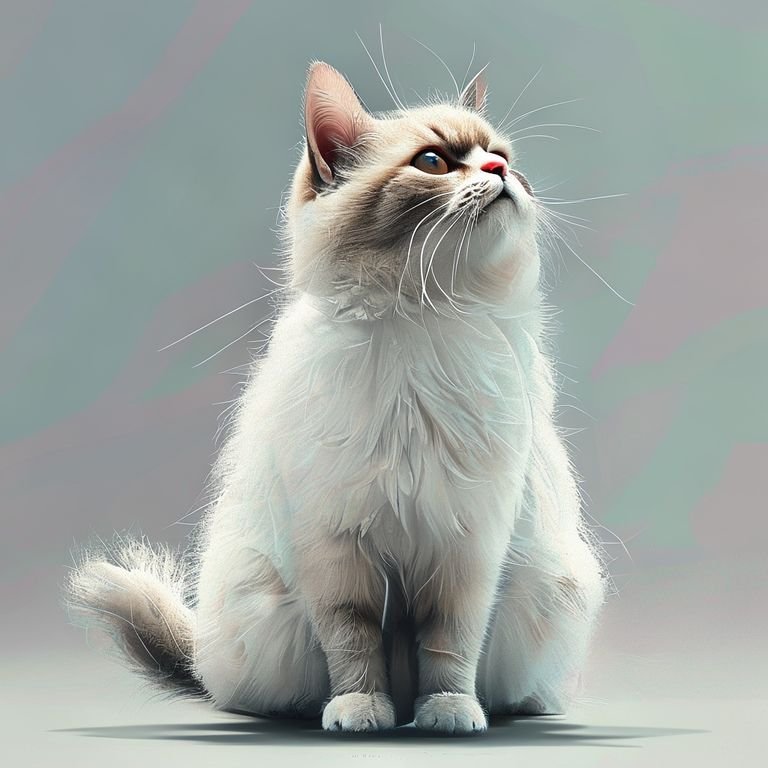
Persian cats, with their luxurious coats and serene expressions, are undeniably captivating companions. Their gentle nature often belies a remarkable resilience, yet this same stoicism can make it incredibly difficult for owners to discern when their beloved feline is experiencing discomfort or illness. Understanding the subtle indicators of declining Persian health is paramount for any devoted owner. Unlike some more vocal breeds, Persians tend to suffer in silence, requiring their human guardians to be vigilant observers and proactive advocates for their well-being. By learning to read their silent signals, you can ensure your cherished feline receives timely care and maintains optimal health.
Understanding the Unique Nature of Persian Cat Health
Persian cats are renowned for their majestic appearance and calm demeanor, making them beloved companions worldwide. However, their stoic nature often means they can hide signs of illness, making it challenging for owners to detect when something is amiss. A keen eye and understanding of normal Persian health are crucial for their well-being. Unlike some more vocal breeds, Persians tend to suffer in silence, requiring their human guardians to be vigilant observers.
Their distinctive flat faces and long coats, while beautiful, also predispose them to certain health concerns, such as respiratory issues, dental problems, and skin fold dermatitis. This makes early detection of subtle changes even more critical. Knowing what to look for can make all the difference in providing timely veterinary care and ensuring your cherished feline lives a long, healthy life, free from preventable suffering.
Appetite, Thirst, and Litter Box Habits: Early Indicators of Trouble
Changes in Eating and Drinking
A sudden change in your Persian cat’s eating habits is often one of the first red flags that something is wrong. Loss of appetite, known as anorexia, can signal a wide range of underlying issues, from dental problems and digestive upset to more serious systemic diseases like kidney failure or cancer. It’s not just about an empty bowl; watch for a decreased interest in food, approaching the bowl but walking away, or struggling to chew.
Conversely, an increase in appetite without corresponding weight gain, or even with weight loss, could indicate conditions like hyperthyroidism or diabetes. Any significant deviation from their normal eating routine warrants attention. Similarly, monitoring water intake is vital for maintaining proper Persian health. Increased thirst (polydipsia) can point to kidney disease, diabetes, or hyperthyroidism, while decreased thirst can lead to dangerous dehydration and further strain on their organs.
Monitoring Litter Box Activity
The litter box offers a treasure trove of information about your Persian’s internal health. Any deviation from their usual routine warrants immediate attention. Note changes in the frequency, volume, and consistency of both urination and defecation. For instance, frequent trips to the litter box with little urine produced could indicate a urinary tract infection or blockage, a potentially life-threatening emergency, especially for male cats.
Straining to urinate or defecate, crying out in the litter box, or finding blood in urine or stool are urgent signs that require immediate veterinary consultation. Diarrhea or constipation persisting for more than 24 hours should also prompt a vet visit. The color, smell, and presence of foreign materials (like worms) in their waste can all provide crucial clues to your veterinarian about the specific Persian health concerns your cat might be facing.
Grooming, Coat Condition, and Skin: More Than Just Aesthetics
The Story Your Persian’s Coat Tells
Persian cats are famous for their luxurious, long coats, which require diligent grooming, both from the cat and their human companions. A well-maintained, shiny coat is often a sign of good Persian health. If your cat suddenly stops grooming themselves, or their coat appears dull, matted, greasy, or dirty, it could indicate pain, lethargy, or a chronic illness preventing them from reaching certain areas to clean. This can also be a sign of arthritis or dental pain.
Over-grooming, on the other hand, can be a sign of stress, allergies, parasitic infestations like fleas, or even an underlying skin condition. Excessive shedding beyond normal seasonal changes, or the appearance of bald patches, could point to nutritional deficiencies, hormonal imbalances, skin infections, or severe allergies. Regular brushing not only prevents matting but also provides an invaluable opportunity to inspect your cat’s skin for any abnormalities that might affect their overall Persian health.
Skin and Hairball Woes
Beneath that thick fur, your Persian’s skin can reveal a lot about their internal well-being. Look for redness, flakiness, scabs, bumps, lesions, or any unusual odors. These could be symptoms of allergies, fungal infections (like ringworm), bacterial infections, or external parasites such as mites or fleas. Pay close attention to areas like the abdomen, inner thighs, and around the ears, which are common spots for skin issues.
Due to their long coats, Persians are particularly prone to hairballs. While occasional hairball vomiting is normal, frequent or severe vomiting, especially if it interferes with eating, is accompanied by lethargy, or if your cat strains without producing anything, indicates a serious problem. Large hairballs can cause intestinal blockages that require immediate veterinary intervention. Ensuring good Persian health often involves implementing a rigorous grooming routine and potentially using specialized diets or supplements designed for hairball prevention.
Behavioral Shifts and Physical Changes: Subtle Cues to Internal Distress
Understanding Your Cat’s Demeanor
Persians are generally known for their calm, affectionate, and sometimes aloof demeanor. Therefore, any significant, uncharacteristic change in their typical behavior should immediately catch your attention. Increased lethargy, hiding more than usual, a sudden decrease in playfulness, or reluctance to engage in usual interactions can all be signs of pain or illness. Cats are masters at concealing discomfort, so even a slight dip in energy or enthusiasm might be profoundly significant for their Persian health.
Conversely, increased irritability, aggression, or a sudden reluctance to be petted or handled, particularly if touched in a certain area, can signal pain or fear. A change in vocalization, either more meowing, excessive purring (which can mask pain), or unusual silence, can also be a subtle indicator. Observe their posture: a hunched back, reluctance to jump onto furniture, a stiff gait, or limping are clear signs of musculoskeletal pain or injury that require investigation.
Physical Manifestations of Illness
Beyond behavior, physical changes can be critical indicators of underlying health problems. Unexplained weight loss or gain, the appearance of new lumps or bumps anywhere on the body, swelling in any part of the body (e.g., face, limbs), or persistent discharge from the eyes or nose all require prompt veterinary attention. Persian cats, with their distinctive brachycephalic (flat) faces, are particularly prone to specific eye and respiratory issues, which often manifest as physical changes.
Excessive tearing or discharge from the eyes (epiphora) and subsequent brown staining are common due to their facial structure. However, changes in the color or consistency of the discharge, or a sudden onset of squinting, redness, or cloudiness of the eyes, could indicate infection, injury, or corneal ulcers. Listen to their breathing; any wheezing, coughing, sneezing, or labored breathing, especially after minimal exertion, should be investigated immediately, as brachycephalic cats can suffer from compromised airways.
Tools for Proactive Persian Health Monitoring
In today’s tech-driven world, several gadgets and smart devices can assist pet owners in proactively monitoring their Persian cat’s health, offering insights that might otherwise go unnoticed. These tools complement, but do not replace, regular veterinary check-ups and your keen observation skills. They can help track activity levels, sleep patterns, and even litter box habits, providing valuable data to share with your veterinarian, aiding in the early detection of subtle changes in Persian health.
Some devices focus on environmental factors, ensuring a comfortable and healthy living space, while others directly monitor your cat’s behavior or physiological signs. Understanding the options available can empower you to take a more active role in your beloved Persian’s well-being and provide objective data for health assessments. It’s important to choose tools that align with your cat’s temperament and your specific monitoring needs.
| Product | Price | Pros | Cons | Best For |
|---|---|---|---|---|
| Smart Pet Feeder (e.g., Petlibro, SureFeed Microchip) | $70 – $200 | Automates feeding, portion control, some track intake & weight | Requires app setup, battery/power dependence, potential for complex programming | Managing diet, tracking appetite consistency, multi-pet households |
| Smart Litter Box (e.g., Litter-Robot, ScoopFree) | $200 – $700 | Self-cleaning, monitors usage frequency, weight, & waste volume | High initial cost, specific litter requirements, can be noisy for some cats | Tracking elimination patterns, early detection of UTIs/GI issues, odor control |
| Pet Activity Monitor (e.g., Whistle GO Explore, Tractive) | $80 – $150 (plus subscription) | GPS tracking, activity level monitoring, sleep patterns, calorie burn | Subscription fees required, battery charging needed, can be bulky for small cats | Monitoring energy levels, detecting changes in routine, outdoor cat safety |
Understanding Pain in Your Persian: The Silent Sufferer
Decoding Subtle Pain Signals
Cats are notoriously adept at hiding pain, a survival instinct from their wild ancestors. For Persian owners, recognizing these subtle signals is paramount to ensuring optimal Persian health. Instead of a dramatic yelp or obvious limp, you might observe a decreased desire to play, reluctance to jump onto furniture, or a change in their preferred resting spots. They might become less tolerant of being handled, especially around a painful area, or shy away from petting.
Other signs include changes in posture, such as a hunched appearance, holding a paw up, or a reluctance to stretch. A reduction in self-grooming, or conversely, an obsessive over-grooming of a specific area (like a sore joint), can also indicate localized pain or discomfort. Any new or unusual aggression, growling, or hissing, especially when touched, should be taken seriously as a sign of underlying pain, as this is very uncharacteristic for the typically docile Persian.
Addressing Chronic Conditions
Many conditions common in Persian cats, such as arthritis, dental disease, or chronic kidney disease, can cause ongoing, subtle pain that significantly impacts their quality of life. Without obvious signs, these conditions can progress silently, leading to advanced stages before detection. Regular veterinary check-ups are therefore crucial for early detection and proactive management of chronic pain. Your vet can assess mobility, check joints for stiffness, and perform thorough dental exams to identify potential sources of discomfort.
If you suspect your Persian is in pain, even subtly, consult your veterinarian promptly. They can provide a proper diagnosis through physical examination, imaging (like X-rays), and blood tests, and recommend appropriate pain management strategies. These might include prescription medication, dietary changes, joint supplements, environmental modifications (e.g., ramps), or even physical therapy. It is critical never to administer human pain medication to your cat, as many are highly toxic and can be fatal to felines.
Being a guardian to a Persian cat means embracing their unique needs and understanding their subtle language. These beautiful felines often mask discomfort and illness, making it crucial for owners to be vigilant observers of their behavior, physical condition, and daily habits. From changes in appetite and litter box usage to shifts in grooming and demeanor, every detail can be a clue to your Persian’s overall well-being. Proactive monitoring, combined with regular veterinary care, is the cornerstone of ensuring excellent Persian health.
Don’t hesitate to consult your veterinarian if you notice any unusual signs, no matter how minor they seem. Early detection and intervention can significantly improve outcomes and allow your cherished companion to live a long, happy, and comfortable life by your side. Take the time to observe, learn, and act—your Persian cat depends on you to be their voice and guardian in matters of health. Continue to educate yourself on Persian-specific care to provide the best life possible for your beloved feline.
Frequently Asked Questions About Persian Cat Health
How often should I take my Persian cat to the vet for check-ups?
For adult Persian cats, an annual veterinary check-up is generally recommended to ensure ongoing health and early detection of issues. Senior cats (typically 7+ years) or those with chronic conditions may require more frequent visits, often every six months, for closer monitoring and management of their Persian health.
What are some common health problems specific to Persian cats?
Persian cats are genetically predisposed to certain conditions due to their unique conformation. These include Polycystic Kidney Disease (PKD), Hypertrophic Cardiomyopathy (HCM), Brachycephalic Airway Syndrome (BAS), progressive retinal atrophy, luxating patellas, and various dermatological and dental issues. Regular vet screenings can help monitor for these specific Persian health concerns.
How can I tell if my Persian cat is in pain if they hide it so well?
Look for subtle changes such as reduced activity, reluctance to jump or play, a hunched posture, decreased appetite, hiding more, unusual aggression when touched, changes in grooming (either less or over-grooming a specific area), or changes in vocalization. Any deviation from their normal, calm behavior can be a significant sign of discomfort.
Is excessive tearing normal for Persian cats?
Due to their brachycephalic facial structure, many Persian cats experience epiphora (excessive tearing) and subsequent brown staining around their eyes. While some tearing is common, changes in the color or consistency of the discharge, redness, squinting, or swelling should be evaluated by a vet, as these can indicate infection, corneal ulcers, or tear duct blockages.
What should I do if my Persian cat stops eating?
If your Persian cat stops eating for more than 24 hours, it is considered a veterinary emergency and you should contact your veterinarian immediately. A lack of appetite can be a symptom of many serious underlying health conditions, and prolonged anorexia can quickly lead to hepatic lipidosis (fatty liver disease) in cats, especially those who are overweight.
Leave a Reply