

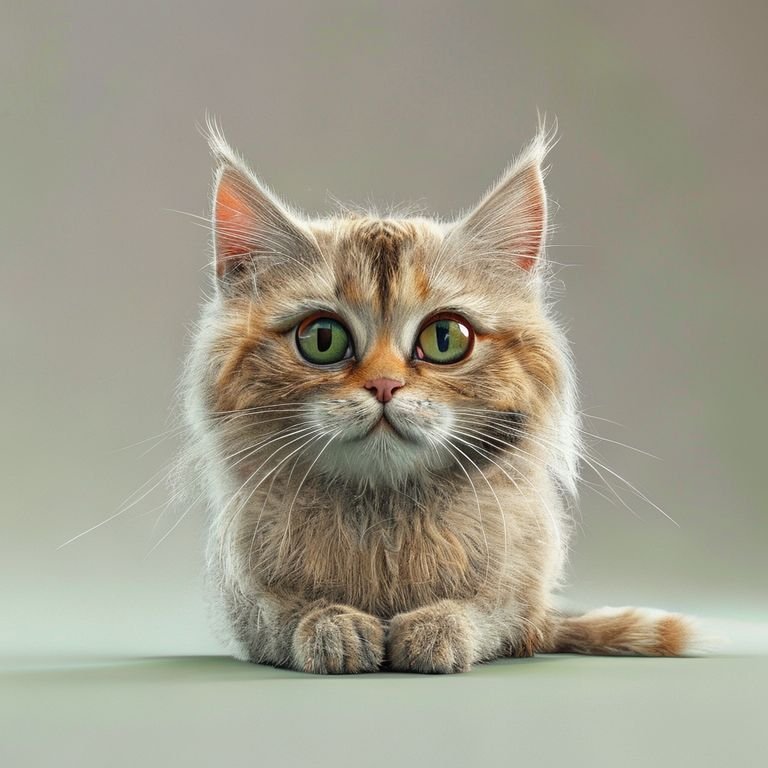
Meta Description: Uncover the true Persian personality! Beyond their luxurious coats, these feline beauties boast unique traits. Discover what makes them truly special companions.
Persian cats are renowned for their stunning looks—a luxurious, flowing coat, a distinctive flat face, and captivating eyes. It’s easy to get lost in their fluffy elegance, but beneath that magnificent exterior lies a rich, often misunderstood, and deeply affectionate Persian personality. Far from being just decorative lap warmers, these cats possess a unique temperament that endears them to their human companions, characterized by a serene demeanor and a surprising depth of character that truly sets them apart in the feline world. Understanding their individual quirks is key to unlocking a truly rewarding relationship with these regal felines.
More Than Just a Pretty Face: The Core Persian Personality
The stereotype of a Persian cat often paints them as aloof or simply pretty objects, but this couldn’t be further from the truth. The typical Persian personality is one of gentle affection and serene companionship. They thrive on calm environments and bond deeply with their families, often forming a special connection with one primary caregiver.
These cats are known for their quiet nature. Unlike some more vocal breeds, Persians communicate through soft meows, purrs, and expressive body language rather than demanding attention loudly. They prefer a peaceful household where they can observe the world from a comfortable vantage point, occasionally seeking out a warm lap for a long, contented cuddle session.
The Gentle Giant in Your Home
Despite their sometimes-regal appearance, Persians are incredibly gentle. They are rarely aggressive and tend to be very tolerant, making them suitable companions for various household dynamics. Their calm disposition often means they are less prone to destructive behaviors that might be seen in more energetic breeds.
-
– **Affectionate but Not Needy:** Persians love affection but in their own quiet way. They will seek out cuddles and head rubs, but they aren’t typically “in your face” demanding attention every second. They appreciate a gentle stroke and a soft word.
– **Observant and Intelligent:** Don’t let their placid nature fool you; Persian cats are intelligent observers. They take in their surroundings and routines, often learning household patterns quickly. They enjoy interactive play that engages their minds without being overly strenuous.
– **Creatures of Habit:** A stable routine brings comfort to a Persian cat. Changes in their environment or daily schedule can be unsettling. A consistent feeding time, grooming routine, and play schedule contribute significantly to their overall well-being and a balanced Persian personality.
Understanding Their Communication Style
Persians may not be the loudest communicators, but they are certainly expressive. Decoding their subtle cues is an art that every Persian owner quickly masters. Their communication is often a symphony of soft purrs, gentle nudges, and deliberate eye contact, all designed to convey their desires without disturbing the peace.
The Art of the Soft Meow and the Purr
A Persian’s meow is usually soft, almost a chirp, and often reserved for specific requests, like dinner time or an invitation to cuddle. A deep, rumbling purr is a clear sign of contentment and affection. It’s their way of saying, “I’m happy, and I love being with you.”
Body Language: A Persian’s Silent Dialogue
Their body language is particularly telling when you want to understand the true Persian personality. A slowly blinking gaze is a sign of trust and affection, often referred to as a “cat kiss.” A relaxed posture, with tail gently swishing or resting, indicates comfort. Conversely, flattened ears or a stiff tail can signal discomfort or apprehension, though these are rare given their typically calm nature.
-
– **Tail Positions:** A high, erect tail signifies happiness and confidence. A tail tucked low or between the legs indicates fear or submission. A gently swishing tail means they are relaxed and content.
– **Ear Movements:** Ears pointed forward mean they are interested and alert. Flattened ears or ears turned sideways suggest irritation or fear.
– **Eye Contact:** Prolonged, soft eye contact is a sign of affection. Dilated pupils can indicate excitement or fear, depending on the context.
– **Head Nudging (Bunting):** When a Persian rubs their head or cheek against you, they are marking you with their scent glands, signifying you as part of their family and showing great affection.
The Social Butterfly (or Wallflower?): Persian Personalities in Different Settings
The social adaptability of a Persian cat can vary significantly. While generally known for their calm and gentle nature, individual Persian personality traits can lean towards being more outgoing or more reserved, depending on early socialization and their innate disposition.
Interacting with Family Members
Persian cats typically adore their human families. They often form a strong primary bond with one person but will show affection to all household members. They enjoy being in the same room as their people, even if they’re not always on a lap. Their ideal family dynamic is one that respects their need for peace and quiet while still offering plenty of gentle interaction and affection.
They are excellent companions for quiet households, retirees, or individuals who appreciate a calm presence. Their patience also makes them suitable for families with older, respectful children who understand how to interact gently with a cat. However, boisterous environments might be overwhelming for some Persians.
Meeting Strangers and Other Pets
When it comes to strangers, a Persian cat’s personality often errs on the side of caution. They might initially retreat to a safe distance to observe newcomers before deciding whether to approach. With time and gentle introductions, many Persians will eventually warm up to visitors, especially if the visitors offer a calm demeanor and perhaps a gentle stroke.
Their interactions with other pets also vary. Many Persians coexist peacefully with other calm cats or even well-behaved dogs, especially if introduced properly. Their non-confrontational nature means they are unlikely to instigate disputes, but they will certainly appreciate having their own quiet spaces to retreat to if needed.
Early socialization plays a crucial role in shaping how comfortable a Persian cat will be in varied social situations. Exposure to different people and gentle experiences during kittenhood can help them develop a more confident and adaptable Persian personality.
Nurturing the Unique Persian Personality: Environment and Care
A significant factor in fostering a happy and well-adjusted Persian personality is providing an environment that caters to their specific needs. Their luxurious coats, brachycephalic (flat) faces, and calm temperament all necessitate particular attention to their surroundings and care routines.
Creating a Calm and Stimulating Environment
Persians thrive in peaceful, predictable homes. Loud noises, constant activity, or sudden changes can be stressful for them. Provide them with comfortable, elevated resting spots where they can observe their surroundings without feeling overwhelmed. Access to sunny spots for napping is always a bonus.
While generally less active than some breeds, Persians still benefit from mental and gentle physical stimulation. Interactive toys, puzzle feeders, and short play sessions with feather wands or laser pointers can keep their minds sharp and bodies active without overexertion. These activities also strengthen the bond between pet and owner.
The Importance of Regular Grooming
Grooming is not just about aesthetics for a Persian; it’s a critical component of their health and comfort, directly impacting their temperament. A matted, uncomfortable cat is unlikely to exhibit its typical serene Persian personality. Daily brushing is essential to prevent mats and tangles in their long fur, which can be painful and lead to skin issues.
Beyond brushing, regular bathing (every 4-6 weeks) and careful cleaning of their facial folds (due to their brachycephalic faces) are necessary. This routine care, when introduced early and performed gently, can become a bonding experience. If not maintained, it can lead to discomfort, irritation, and a more withdrawn or irritable disposition.
Essential Grooming Tools for a Happy Persian
Proper grooming requires the right tools. Investing in quality items makes the process easier for both you and your cat, ensuring they remain comfortable and their coat stays magnificent. Choosing the correct tools can significantly reduce grooming stress, allowing their true Persian personality to shine through.
| Product | Price | Pros | Cons | Best For |
|---|---|---|---|---|
| Slicker Brush | $10-$20 | Excellent for removing loose fur and tangles, stimulating skin circulation. | Can be harsh if used incorrectly, not ideal for severe mats. | Daily general detangling and coat maintenance. |
| Metal Comb (Fine/Coarse) | $8-$15 | Penetrates deep into the coat, effective for checking for mats and smoothing fur. | Requires patience and gentle handling, can pull if tangles are present. | Detailed detangling, mat checking, and finishing touches. |
| Dematting Rake/Tool | $15-$30 | Specifically designed to cut through and remove stubborn mats without pulling too much. | Blades can be sharp, requires careful use to avoid skin injury. | Addressing significant mats or tangles that brushing can’t handle. |
| Cat Nail Clippers | $7-$15 | Essential for keeping claws trimmed, preventing scratches and ingrown nails. | Risk of cutting the quick if not careful, requires proper technique. | Regular nail maintenance to prevent discomfort and damage. |
| Eye & Facial Fold Wipes | $12-$25 | Pre-moistened wipes for gentle cleaning of tear stains and facial folds. | Some brands may contain irritants, always check ingredients. | Daily cleaning of the sensitive facial area to prevent irritation. |
Addressing Common Misconceptions About Persian Temperament
Due to their distinctive appearance and often quiet demeanor, Persian cats are frequently subject to misconceptions about their true Persian personality. It’s important to debunk these myths to truly appreciate the depth and charm of this wonderful breed.
Myth: Persians Are Aloof and Unresponsive
One of the most common myths is that Persian cats are aloof, preferring to be admired from afar rather than engaged with. While it’s true they might not be as boisterous as some other breeds, they are far from unresponsive. They are gentle and loving companions who show their affection through quiet devotion.
They enjoy being near their owners, following them from room to room, and settling down for a nap in the same space. Their calm presence is a form of companionship, and they will readily accept cuddles and pets once they feel comfortable and secure. Their affection is deep, not distant.
Myth: They Are Lazy and Unintelligent
Another misconception is that Persians are lazy and lack intelligence. Their preference for lounging and quiet activities might give this impression, but it’s a misunderstanding of their energy levels and play style. Persians are intelligent cats who enjoy engaging their minds with puzzle toys and gentle interactive games.
They are not typically high-energy cats that will climb curtains or race through the house. Instead, they prefer short bursts of play followed by long periods of rest. This is a characteristic of their breed, not a sign of laziness or lack of mental acuity. Their intelligence is often seen in their ability to adapt to routines and understand human cues.
Myth: All Persians Have the Same Personality
Just like people, individual Persian cats have unique personalities that vary within the breed’s general temperament. While there are overarching traits like calmness and affection, some Persians might be more outgoing, others more shy. Some might be more vocal, others almost completely silent.
Factors such as genetics, early socialization, and the environment they grow up in all contribute to shaping their individual Persian personality. Getting to know a specific cat, rather than relying on broad generalizations, is the best way to understand and appreciate their particular quirks and charms.
Building a Bond: Activities That Suit the Persian Personality
Building a strong bond with your Persian cat is one of the most rewarding aspects of ownership. Understanding their preferences and engaging in activities that resonate with their unique Persian personality will foster trust and deepen your connection. Their calm and gentle nature means that interaction should be respectful of their need for peace.
Gentle Play Sessions
While not known for high-energy antics, Persians enjoy short, focused play sessions. Toys that mimic prey, like feather wands or soft crinkle balls, are often favorites. The key is to keep the play gentle and interactive, allowing them to “hunt” and “catch” their prey without becoming overstimulated.
-
– **Feather Wands:** Great for simulating bird-like movements, engaging their hunting instincts.
– **Laser Pointers:** Use with caution; always end a laser session by allowing them to “catch” a physical toy to prevent frustration.
– **Puzzle Feeders:** Excellent for mental stimulation, challenging them to work for treats or kibble.
– **Soft Toys:** Small, plush toys they can bat around or carry are often appreciated for solo play.
Quiet Cuddle Time
Perhaps the most cherished activity for a Persian is quiet cuddle time. They are masters of the lap nap and will often seek out a warm, comfortable spot on or near their favorite human. These moments are invaluable for bonding, offering mutual comfort and strengthening the affectionate ties.
Gentle petting, soft murmurs, and even brushing can be part of this bonding ritual. Ensure you respect their boundaries; if they wish to move, allow them to do so without restraint. This builds trust and reinforces that their comfort is paramount.
Establishing a Predictable Routine
As creatures of habit, Persians thrive on predictability. A consistent daily routine for feeding, grooming, and play provides a sense of security that allows their true Persian personality to flourish. Knowing what to expect reduces anxiety and makes them feel safe and loved.
Incorporating regular grooming sessions into this routine, especially when done gently and positively, can transform it from a chore into a special bonding time. This consistency shows them they can rely on you, solidifying your relationship.
Beyond their stunning appearance, Persian cats offer a world of gentle affection, quiet companionship, and unique charm. Understanding the nuances of the Persian personality—their preference for calm, their subtle communication, and their need for consistent, loving care—is paramount to fostering a deep and rewarding relationship. They are not just beautiful; they are intelligent, adaptable, and deeply devoted companions who enrich the lives of those fortunate enough to share their homes. By respecting their individual traits and providing an environment tailored to their needs, you’ll uncover a delightful friend whose loyalty and love will last a lifetime. Are you ready to welcome the serene elegance and loving heart of a Persian cat into your life? Explore our other articles on Persian cat care to learn more about nurturing these magnificent felines.
Frequently Asked Questions About Persian Personality
Are Persian cats good with children?
Yes, Persian cats can be good with children, especially if the children are older and respectful. Their gentle and patient nature means they are unlikely to react aggressively. However, very young, boisterous children might overwhelm a quiet Persian, so supervision is always recommended to ensure gentle interactions.
Do Persian cats like to play?
While not as hyperactive as some breeds, Persian cats do enjoy playing. They prefer short, gentle play sessions with interactive toys like feather wands or puzzle feeders. They appreciate mental stimulation and the opportunity to “hunt” without excessive physical exertion, often followed by a nap.
How much attention does a Persian cat need?
Persian cats appreciate attention and companionship but are not typically demanding. They love to be near their human family, often following them from room to room. They enjoy quiet cuddle sessions and gentle petting but are also content to nap nearby, making them suitable for owners who may not be able to provide constant, active engagement.
Are Persian cats vocal?
Generally, no. Persian cats are known for being one of the quieter cat breeds. Their meows are typically soft and infrequent, often reserved for specific requests like food or attention. They communicate more through purrs, body language, and subtle cues than through loud vocalizations.
Do Persian cats get along with other pets?
Many Persian cats can get along well with other calm, well-behaved pets, including other cats and dogs. Their gentle and non-confrontational nature makes them adaptable. Proper, gradual introductions are key, and ensuring they have their own quiet spaces to retreat to is important for their comfort and security.
Leave a Reply