

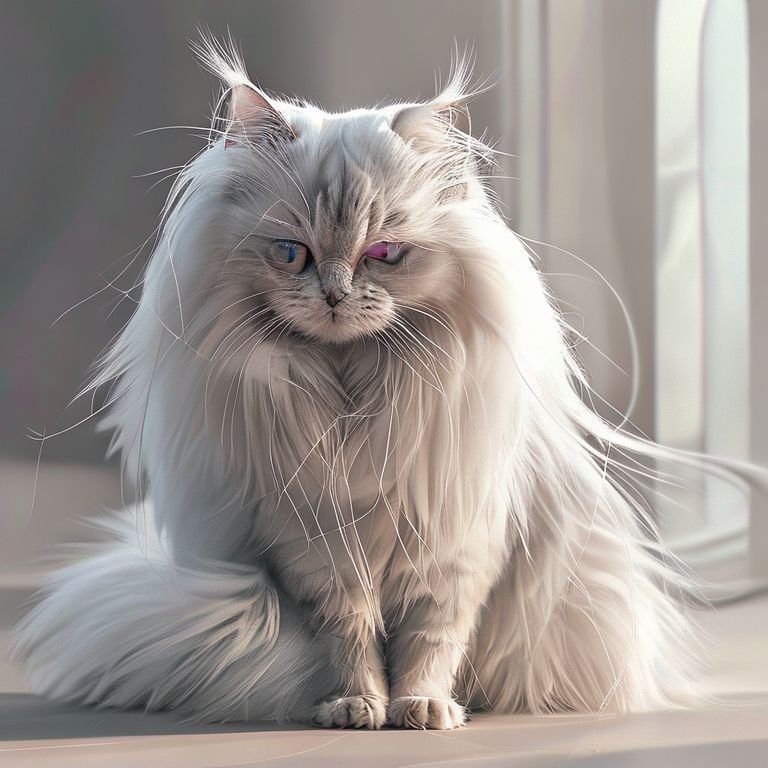
Keep your Persian cat’s luxurious coat pristine with our expert Persian grooming guide. Discover essential tools, step-by-step routines, and tips for a healthy, tangle-free companion.
A Persian cat’s glorious, flowing coat is undoubtedly their most striking feature, a true marvel of feline elegance. But beneath that stunning facade lies a commitment to dedicated care that many new owners might underestimate. Mastering effective Persian grooming is not just about aesthetics; it’s vital for their health, comfort, and overall well-being. This comprehensive guide to Persian grooming will help you unlock the secrets to maintaining that magnificent silky fur, ensuring your beloved companion remains happy, healthy, and tangle-free.
Understanding Your Persian Cat’s Unique Coat Needs
Persian cats are renowned for their long, flowing double coats, which are exceptionally dense and fine-textured. This magnificent fur, while beautiful, is also prone to matting, tangling, and accumulating dirt more easily than shorter coats. Their undercoat is soft and thick, while the topcoat is long and silky, creating a luxurious volume. This combination makes daily attention to Persian grooming absolutely non-negotiable.
The structure of a Persian cat’s coat creates a perfect environment for mats to form if not regularly brushed. Mats can pull on their skin, causing discomfort, pain, and even skin infections. They can also hide parasites and make it difficult for your cat to regulate their body temperature. Understanding these specific challenges is the first step toward successful Persian grooming.
Beyond aesthetics, a well-maintained coat contributes significantly to your cat’s overall health. Regular grooming sessions stimulate blood circulation, distribute natural oils, and allow you to inspect your cat for any skin issues, lumps, or parasites that might otherwise go unnoticed. It’s an act of love and preventive care.
Why Regular Grooming is Crucial for Persians
The sheer length and density of a Persian coat mean that it sheds constantly, not just seasonally. If dead hair isn’t removed, it quickly becomes entangled with the living hair, forming tight knots. These knots can become difficult and painful to remove if left unaddressed.
Daily brushing is the cornerstone of effective Persian grooming. It prevents mat formation, reduces shedding around your home, and minimizes the amount of hair your cat ingests during self-grooming. Excessive ingested hair can lead to hairballs, which can cause digestive upset or, in severe cases, intestinal blockages.
Essential Tools for Effective Persian Grooming
Equipping yourself with the right tools is paramount for efficient and stress-free Persian grooming. Investing in high-quality brushes, combs, and other accessories will not only make the process easier for you but also more comfortable for your feline friend. Cheap or inadequate tools can pull hair, cause pain, and make your cat dread grooming time.
Selecting the Best Brushes and Combs
The market offers a bewildering array of grooming tools, but for a Persian cat, a few specific items are indispensable. Each tool serves a distinct purpose in managing their intricate coat. A good slicker brush will remove loose fur, while a metal comb is essential for detangling.
Having a sturdy grooming table or a non-slip mat on a stable surface can also greatly improve your grooming experience. It keeps your cat secure and at a comfortable height for you to work, reducing strain on your back and improving your ability to reach all areas of their coat. Remember, consistent and gentle use of these tools will build trust with your cat.
Comparison of Essential Persian Grooming Tools
| Product | Price | Pros | Cons | Best For |
|---|---|---|---|---|
| Slicker Brush (e.g., Chris Christensen Big G) | $40-$60 | Excellent for removing loose undercoat and small tangles; stimulates skin. | Can be harsh if not used gently; wires can bend with aggressive use. | Daily general brushing and mat prevention. |
| Metal Comb (Fine/Coarse Teeth) | $10-$25 | Crucial for thoroughly checking for tangles; detangles knots gently. | Can be time-consuming for very dense coats; requires patience. | Detail work, checking for mats after brushing, untangling specific knots. |
| Detangling Spray/Conditioner | $15-$30 | Helps loosen mats and makes brushing smoother; adds shine and reduces static. | Some cats may not like the scent; can leave residue if overused. | Facilitating detangling, reducing static during dry conditions. |
| Grooming Scissors (Blunt-Nose) | $10-$20 | Safe for carefully cutting out stubborn mats close to the skin. | Requires extreme caution to avoid injury; only for very severe mats. | Emergency mat removal when brushing fails. |
| Nail Clippers (Guillotine or Scissor-style) | $8-$18 | Essential for keeping claws trimmed, preventing scratches and snagging. | Risk of cutting the quick if not careful; can be intimidating for some owners. | Routine nail maintenance every 2-4 weeks. |
The Step-by-Step Routine for Immaculate Persian Grooming
Establishing a consistent and comprehensive Persian grooming routine is key to maintaining your cat’s health and happiness. Regularity trumps intensity; short, daily sessions are far more effective than infrequent, long, stressful ones. Aim for at least 15-20 minutes of grooming each day.
1. Daily Brushing and Combing
Begin each session with gentle brushing. Use a slicker brush to work through the coat, starting from the head and moving towards the tail, paying special attention to areas prone to matting: behind the ears, under the armpits, on the belly, and around the “britches” (the long fur on their hind legs). Always brush in the direction of hair growth.
After brushing, follow up with a wide-toothed metal comb. Comb through small sections of fur, ensuring the comb glides smoothly from root to tip. If you encounter a snag, do not pull. Gently work through it with your fingers or a detangling spray. This step ensures no hidden tangles are left behind, a vital part of thorough Persian grooming.
2. Dealing with Mats and Tangles
If you find a mat, resist the urge to pull or cut it out with regular scissors. Instead, use a detangling spray and gently tease the mat apart with your fingers or the coarse teeth of your metal comb. Work from the outside edges of the mat inwards.
For very stubborn mats, you may need to use blunt-nose grooming scissors. Always slide the comb underneath the mat, close to the skin, and cut *above* the comb to prevent accidentally cutting your cat’s skin. If a mat is too close to the skin or too large, it’s best to consult a professional groomer or veterinarian.
3. Bathing Your Persian Cat
While daily brushing is paramount, Persian cats also benefit from occasional baths, typically every 4-6 weeks, or more frequently if they get particularly dirty. Use a shampoo specifically formulated for cats, preferably one that is conditioning and tear-free.
Before bathing, thoroughly brush your cat to remove any mats, as water will tighten them. Use lukewarm water and gently wet your cat, avoiding their eyes and ears. Apply shampoo, lather gently, and rinse thoroughly. Conditioners can help keep the coat soft and prevent future tangles. After rinsing, towel dry as much as possible, then use a low-heat blow dryer specifically designed for pets, keeping it moving to prevent overheating.
4. Eye, Ear, and Nail Care
Persian cats are known for their distinctive flat faces, which can lead to excessive tear staining. Gently wipe around their eyes daily with a soft, damp cloth or a specialized eye-cleaning wipe. This prevents unsightly stains and keeps the area hygienic.
Check their ears weekly for dirt, wax buildup, or any signs of infection. Use a vet-approved ear cleaner and a cotton ball to gently wipe the outer ear canal. Never insert anything into the ear canal.
Trim your cat’s nails every 2-4 weeks. Use sharp, dedicated nail clippers and only snip the very tip of the claw, avoiding the quick (the pink part visible within the nail). If you’re unsure, ask your vet or groomer for a demonstration.
Addressing Common Persian Grooming Challenges
Despite your best efforts, certain challenges can arise during Persian grooming. Knowing how to handle them effectively will ensure your cat remains comfortable and cooperative. Patience and positive reinforcement are your greatest allies.
Managing Shedding
Persian cats shed year-round, with heavier shedding periods in spring and fall. Daily brushing is the best defense against excessive shedding. Consider supplementing with omega-3 fatty acids, which can improve coat health and reduce shedding. A healthy diet also plays a crucial role in minimizing hair loss.
Preventing and Treating Hairballs
Given the length of their coat, hairballs are a common concern for Persian cats. Consistent grooming removes loose hair before your cat can ingest it. In addition to regular brushing, feeding a hairball-control diet and providing hairball remedies (like pastes or treats) can help hair pass through their digestive system more easily. If your cat frequently vomits hairballs, consult your veterinarian.
Dealing with Mat-Prone Areas
Certain areas on a Persian cat are notorious for matting. These include:
– Under the armpits
– Behind the ears
– Inner thighs
– The “britches” area
– The tail (especially if dirty)
Pay extra attention to these zones during your daily Persian grooming routine. Use your metal comb to check them thoroughly. If mats appear, address them immediately before they become larger and more difficult to remove. A small mat today is a large problem tomorrow.
Behavioral Challenges During Grooming
Some cats resist grooming, especially if they weren’t introduced to it early. Start with short, positive sessions. Use treats, praise, and gentle strokes to create a positive association. If your cat becomes agitated, stop and try again later. Never force them, as this can lead to fear and aggression.
Consider professional grooming if you’re struggling with behavioral issues or severe matting. Professional groomers have specialized tools and techniques to handle even the most reluctant cats and can provide valuable advice on ongoing care. They can also perform lion cuts for heavily matted cats, offering a fresh start for coat regrowth.
Beyond the Brush: Holistic Health for a Radiant Coat
While regular brushing and bathing are critical, true coat health stems from a holistic approach to your Persian cat’s well-being. A radiant, silky coat is often a direct reflection of internal health.
Nutrition for a Healthy Coat
A high-quality diet is fundamental. Look for cat food that lists real meat as the primary ingredient and is rich in essential fatty acids, particularly Omega-3 and Omega-6. These nutrients are vital for skin health and coat luster. Many premium cat foods are formulated to support skin and coat health.
Consider supplements if your cat’s diet isn’t providing enough of these vital nutrients, but always consult your veterinarian before introducing any new supplements. Biotin and zinc can also contribute to a strong, healthy coat.
Environmental Factors and Coat Health
The environment your Persian cat lives in can also impact their coat. Dry air, especially in heated homes during winter, can lead to dry skin and static electricity in their fur, making it more prone to tangles. Using a humidifier can help maintain optimal moisture levels.
Ensure your cat has a clean living space. Regular vacuuming and cleaning their bedding will reduce dirt and allergens that can transfer to their coat. A clean environment contributes to easier Persian grooming and a healthier cat overall.
Stress Reduction
Stress can manifest in various physical ways, including dull fur or excessive shedding. Provide a calm and predictable environment for your Persian. Offer plenty of enrichment, such as interactive toys, scratching posts, and cozy sleeping spots. A happy, relaxed cat is more likely to have a healthy, beautiful coat and be more cooperative during Persian grooming sessions.
Consistency is key to effective Persian grooming. By understanding your cat’s unique needs, equipping yourself with the right tools, and committing to a regular routine, you’ll ensure their magnificent coat remains a source of pride, not a challenge. Remember that grooming is also a wonderful bonding opportunity, strengthening the connection between you and your cherished companion. Embrace the journey of maintaining their silky secret, and your Persian cat will reward you with purrs of contentment and a truly majestic appearance.
Frequently Asked Questions About Persian Grooming
How often should I brush my Persian cat?
It is recommended to brush your Persian cat daily for at least 15-20 minutes. Their long, dense coats are highly prone to matting, and daily brushing is the most effective way to prevent tangles and remove loose fur.
What if my Persian cat hates being groomed?
Start with very short, positive sessions, even just a minute or two. Use treats, praise, and gentle handling to build a positive association. Gradually increase the duration as your cat becomes more comfortable. If resistance persists, consult a professional groomer or your vet for advice.
Can I give my Persian cat a “lion cut”?
Yes, a lion cut is a common grooming style for Persian cats, especially those with severe matting or during warmer months. It involves shaving the body short while leaving the head, paws, and tip of the tail untouched. This should always be done by a professional groomer or veterinarian.
How often should a Persian cat be bathed?
Persian cats generally benefit from a bath every 4-6 weeks to keep their coats clean and free from oils and dirt. More frequent baths might be necessary if they get particularly messy or for show cats. Always use a cat-specific shampoo and conditioner.
What are the signs of skin problems hidden by mats?
Mats can hide a variety of skin problems, including redness, irritation, sores, infections, and even parasites like fleas or ticks. If you notice your cat scratching excessively, have an unpleasant odor, or seem sensitive when touched, it’s crucial to address any matting and inspect their skin.
Leave a Reply