

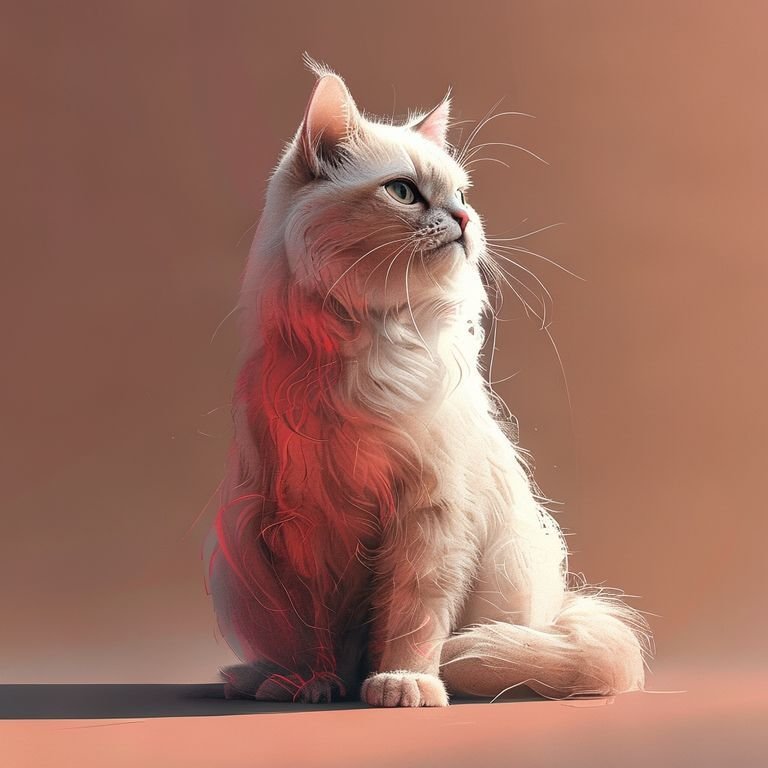
Unlock the secrets to your Persian cat’s lifelong health in 2026! Discover expert tips on nutrition, grooming, common health issues, and preventive care for a vibrant feline life.
Persian cats, with their majestic coats and sweet dispositions, are truly a joy to behold and cherish. Ensuring their well-being is paramount for any devoted owner. Understanding the specific needs of this unique breed is the cornerstone of optimal Persian Health, laying the foundation for a long, happy, and vibrant life.
This comprehensive guide delves into actionable strategies and insights to help you navigate the nuances of Persian cat care, empowering you to provide the best possible environment and support for your beloved companion. From tailored nutrition plans to essential grooming routines and proactive veterinary approaches, we’ll cover everything you need to know to promote excellent Persian Health.
Understanding Your Persian’s Unique Health Profile
Persian cats are known for their distinctive brachycephalic (flat) faces, luxurious long coats, and generally calm temperament. While these features contribute to their undeniable charm, they also predispose them to certain health considerations that owners must be aware of. Recognizing these breed-specific traits is the first step in providing targeted care.
Their flattened facial structure can lead to respiratory issues, such as stenotic nares (narrow nostrils) or an elongated soft palate, which can make breathing difficult, especially during exercise or in warm weather. Owners should observe their cat for any signs of labored breathing, snoring, or excessive panting. Regularly monitoring these symptoms is crucial for maintaining good Persian Health.
Another common concern stems from their prominent eyes and shallow eye sockets, often resulting in epiphora, or excessive tearing. This can lead to tear staining on their fur, which, if not properly managed, can cause skin irritation and bacterial infections. Daily cleaning of the eye area is a simple yet vital practice.
Common Breed-Specific Health Predispositions
Beyond the facial structure, Persians are also prone to certain genetic conditions. Being informed about these helps in early detection and management, significantly enhancing their quality of life.
Polycystic Kidney Disease (PKD)
PKD is a hereditary condition where cysts form in the kidneys, gradually increasing in size and numbers, eventually leading to kidney failure. Many reputable breeders now screen their breeding cats for PKD using genetic testing. If you are acquiring a kitten, inquire about the parents’ PKD status. Regular veterinary check-ups, including kidney function tests, are essential for early detection.
Hypertrophic Cardiomyopathy (HCM)
HCM is a heart disease characterized by the thickening of the heart muscle, making it harder for the heart to pump blood effectively. While it can affect any cat breed, Persians have a higher predisposition. Symptoms can range from lethargy and difficulty breathing to sudden collapse. Annual cardiac screenings, especially for breeding cats, can help identify the condition early.
Progressive Retinal Atrophy (PRA)
PRA is another genetic eye condition that leads to the degeneration of the retina, eventually causing blindness. While not as common as other issues, it’s something to be aware of. Affected cats often adapt well to blindness within a familiar environment, but early diagnosis allows owners to prepare and make necessary adjustments.
Optimal Nutrition: Fueling Persian Health from Within
Diet plays a pivotal role in your Persian cat’s overall health, directly impacting their coat quality, energy levels, immune system, and organ function. Choosing the right food is not just about filling their bowl; it’s about providing precise nutrition tailored to their unique needs.
Due to their brachycephalic faces, some Persians may find it challenging to pick up standard kibble. Opt for larger, flatter kibble shapes designed for brachycephalic breeds, or consider a mix of wet and dry food to ensure adequate hydration and easier consumption. High-quality protein sources should always be the first ingredient.
Consider the life stage of your Persian – kitten, adult, or senior – as their nutritional requirements change over time. Kittens need more calories and specific nutrients for growth, while seniors may benefit from diets lower in phosphorus and with joint support. Discussing your cat’s specific dietary needs with your veterinarian is highly recommended.
Key Nutritional Components for Excellent Persian Health
A balanced diet for a Persian should include several vital components to support their distinctive physiology and maintain their stunning appearance.
High-Quality Protein
Cats are obligate carnivores, meaning they require a diet rich in animal-based protein. This supports strong muscles, a healthy immune system, and the production of keratin for their luxurious coat. Look for foods where meat is the primary ingredient, not by-products or fillers.
Omega Fatty Acids
Omega-3 and Omega-6 fatty acids are crucial for maintaining a healthy skin barrier and a lustrous, tangle-free coat. Sources include fish oil, flaxseed, and certain animal fats. These fatty acids also have anti-inflammatory properties, beneficial for joint health and overall Persian Health.
Limited Carbohydrates and Fillers
Cats derive most of their energy from protein and fat, not carbohydrates. Excessive carbs can lead to weight gain and contribute to health issues. Avoid foods with corn, wheat, or soy as primary ingredients. Fillers offer little to no nutritional value and can sometimes cause digestive upset.
Essential Vitamins and Minerals
A comprehensive vitamin and mineral profile supports all bodily functions, from bone strength to nerve function. Taurine, an amino acid, is particularly vital for feline heart health and vision. Ensure your chosen cat food is “complete and balanced” according to AAFCO (Association of American Feed Control Officials) guidelines.
Grooming Essentials for a Healthy Coat and Skin
The Persian cat’s long, flowing coat is undoubtedly one of its most defining features, but it also requires significant commitment to grooming. Without regular and meticulous care, their fur can quickly become matted, leading to skin irritation, infections, and discomfort. Proper grooming is not just cosmetic; it’s a critical component of their overall Persian Health.
Daily brushing is non-negotiable for a Persian. Use a good quality metal comb (like a Greyhound comb) to gently work through tangles and remove loose hair, paying special attention to areas behind the ears, under the legs, and around the tail. Follow with a slicker brush to smooth the coat and remove any remaining loose fur. This routine prevents matting, stimulates blood flow to the skin, and distributes natural oils.
Regular bathing, typically every 4-6 weeks, is also important to keep their coat clean and free of oils and debris that can accumulate. Use a shampoo specifically formulated for long-haired cats, and ensure thorough rinsing to prevent skin irritation. Blow-drying on a low, cool setting can help prevent tangles and ensure the coat is completely dry, preventing fungal growth.
Detailed Grooming Routine for Optimal Persian Health
Beyond daily brushing and regular bathing, several other grooming practices are essential to maintain your Persian’s health and comfort.
Eye Care
As mentioned, Persians are prone to excessive tearing. Daily cleaning of their tear stains with a soft, damp cloth or a veterinarian-approved eye-cleaning solution is crucial. This prevents skin irritation and potential infections under the eyes. Always use a separate clean cloth for each eye to prevent cross-contamination.
Ear Cleaning
Regularly check your Persian’s ears for dirt, wax buildup, or signs of infection (redness, odor, discharge). Clean their ears with a veterinarian-approved ear cleaner and a cotton ball, never inserting anything into the ear canal. If you notice any unusual signs, consult your vet immediately.
Nail Trimming
Trim your Persian’s nails every 2-4 weeks to prevent them from becoming too long, which can cause discomfort, make walking difficult, or even lead to ingrown nails. Use sharp cat nail clippers and be careful to avoid cutting into the quick, which is painful and can bleed.
Dental Hygiene
Dental health is often overlooked but is vital for overall Persian Health. Regular tooth brushing with cat-specific toothpaste can prevent plaque and tartar buildup, which can lead to periodontal disease. Dental treats and water additives can also help, but brushing is the most effective method. Annual professional dental cleanings by your vet may also be necessary.
Proactive Veterinary Care and Common Persian Health Concerns
Consistent veterinary care is the cornerstone of preventing serious health issues and ensuring a long, happy life for your Persian cat. Regular check-ups allow your vet to monitor your cat’s overall health, administer necessary vaccinations, and catch potential problems early, often before they become severe. This proactive approach is fundamental to maintaining excellent Persian Health throughout their lives.
Annual wellness exams typically include a thorough physical examination, weight check, discussion of diet and behavior, and parasite control recommendations. For older Persians, or those with known conditions like PKD or HCM, more frequent check-ups and specialized tests might be recommended. Blood work, urinalysis, and sometimes imaging studies can provide a deeper insight into your cat’s internal health.
Vaccinations and Parasite Control
Keeping your Persian up-to-date on vaccinations is vital for protecting them from common feline diseases. Core vaccines typically include feline panleukopenia (distemper), feline herpesvirus, and feline calicivirus. Depending on your cat’s lifestyle (e.g., outdoor access), your vet might also recommend vaccines for rabies and feline leukemia virus.
Effective parasite control is equally important. This includes regular deworming and prevention against fleas and ticks. Even indoor cats can be exposed to parasites, so year-round protection is advised. Your veterinarian can recommend the best products and schedule based on your cat’s risk factors.
Recognizing and Addressing Specific Persian Health Issues
While we’ve touched on some breed-specific conditions, it’s helpful to know what signs to look for that might indicate a health problem. Early intervention can make a significant difference.
Respiratory Distress
Given their brachycephalic nature, watch for heavy breathing, gasping, blue gums, or excessive drooling. These are signs of respiratory distress and require immediate veterinary attention. Keeping your Persian cool in warm weather and avoiding strenuous play can help mitigate these risks.
Eye Issues
Beyond tear staining, look for redness, swelling, cloudiness, or any discharge from the eyes. Persians can be prone to corneal ulcers due to their prominent eyes. Any significant change in eye appearance or behavior (squinting, pawing at eyes) warrants a vet visit.
Skin and Coat Problems
Despite diligent grooming, Persians can still develop skin issues like hot spots, fungal infections (ringworm), or bacterial dermatitis, especially if mats pull at the skin. Excessive scratching, licking, bald patches, or scabs are signs of a problem. A healthy coat is a good indicator of overall Persian Health.
Urinary Tract Issues
Changes in urination frequency, straining to urinate, crying in the litter box, or blood in the urine can indicate a urinary tract infection or more serious issues like bladder stones. Persians, like many cat breeds, can be susceptible to these conditions. Ensuring adequate water intake is a key preventive measure.
Creating a Safe and Stimulating Environment for Your Persian
A safe, clean, and mentally stimulating home environment is just as crucial as nutrition and veterinary care for your Persian cat’s overall well-being. A well-designed living space reduces stress, encourages natural behaviors, and contributes significantly to their physical and mental Persian Health.
Ensure your home is cat-proofed, especially for a curious Persian. Remove toxic plants, secure loose cords, and store hazardous chemicals out of reach. Create safe, elevated spaces where your Persian can retreat and observe their surroundings from a height. Vertical space is important for all cats, even calmer breeds.
Maintain a clean living area, particularly the litter box. Cats are fastidiously clean animals, and a dirty litter box can lead to behavioral issues, stress, and even urinary problems. Scoop at least once daily and completely change the litter and clean the box weekly.
Enrichment and Mental Stimulation
While Persians are generally more laid-back than some other breeds, they still require mental and physical enrichment to prevent boredom and maintain good health. Boredom can lead to destructive behaviors or lethargy, impacting their quality of life.
Interactive Play
Engage your Persian in daily play sessions using wand toys, laser pointers, or puzzle feeders. Even 15-20 minutes of interactive play can help them burn energy, stimulate their hunting instincts, and strengthen your bond. Remember that while Persians are not as energetic as some other breeds, they still enjoy playtime.
Scratching Posts and Cat Trees
Provide sturdy scratching posts and cat trees. Scratching is a natural and necessary behavior for cats to maintain their claws, stretch their muscles, and mark their territory. A good cat tree offers scratching surfaces, climbing opportunities, and perches for napping.
Safe Outdoor Access (Optional)
If you wish to provide outdoor stimulation, consider a secure catio (cat patio) or supervised walks on a harness and leash. This allows them to experience fresh air, sunshine, and new scents safely, without the risks associated with free-roaming outdoors. Always ensure their safety and monitor them closely.
Social Interaction
Persians thrive on companionship and affection from their human family. Spend quality time petting, cuddling, and talking to your cat. Consistent positive interaction helps build trust and reinforces their sense of security and belonging, which is vital for their emotional Persian Health.
Tools and Technologies for Enhanced Persian Health Monitoring
In 2026, technology offers incredible advancements to help cat owners monitor and support their Persian’s health more effectively. From smart feeders to activity trackers, these gadgets can provide valuable insights into your cat’s well-being and assist in maintaining peak Persian Health. Integrating these tools can add an extra layer of care to your routine.
These devices can help track eating habits, hydration, activity levels, and even litter box usage, which are all key indicators of a cat’s health. Early detection of changes in these patterns can alert you to potential issues before they become serious, allowing for prompt veterinary intervention.
While these tools are excellent aids, they are not a substitute for regular veterinary check-ups and your own keen observation. They are designed to complement traditional care by providing data and convenience, empowering you to be a more informed and proactive pet parent.
Comparison of Smart Pet Health Gadgets
Here’s a comparison of some popular smart gadgets that can help monitor and support your Persian’s health:
| Product | Price | Pros | Cons | Best For |
|---|---|---|---|---|
| PetSafe Smart Feed Automatic Feeder | $150 | Automates feeding, customizable meal times/portions, remote control via app. | Requires Wi-Fi, occasional jamming with certain kibble shapes. | Busy owners wanting strict feeding schedules and portion control. |
| Petkit Eversweet Smart Water Fountain | $80 | Ensures fresh, filtered water; tracks water intake via app; quiet operation. | Requires filter replacements, app connectivity can be finicky for some. | Encouraging hydration and monitoring water consumption for kidney health. |
| Whistle Go Explore GPS Pet Tracker | $100 (plus subscription) | Tracks activity levels, monitors sleep patterns, GPS tracking for safety. | Monthly subscription fee required for full features, battery needs regular charging. | Monitoring activity and sleep, especially for indoor/outdoor cats or those needing weight management. |
Investing in these technologies can provide peace of mind and valuable data points to share with your veterinarian, making your Persian’s health journey a truly collaborative effort. Remember, the goal is to leverage these tools to enhance, not replace, the loving care you already provide.
Maintaining optimal Persian Health in 2026 involves a holistic approach, blending attentive daily care with modern insights and technology. From understanding their unique predispositions to providing a tailored diet, meticulous grooming, and proactive veterinary engagement, every aspect contributes to their overall well-being. Creating a stimulating and safe home environment further enriches their lives, preventing boredom and promoting mental health.
By implementing the strategies outlined in this guide, you are not just caring for a pet; you are fostering a thriving companion who can enjoy a full, vibrant life by your side. Your commitment to their specific needs is the ultimate testament to your bond, ensuring your majestic Persian truly flourishes. Continue to educate yourself, consult with your veterinarian regularly, and embrace the joy that comes with nurturing such a special breed.
For more insights into feline care and to explore a wider range of health topics, consider subscribing to our newsletter or exploring our other articles. If you have specific questions or need personalized advice for your cat, please reach out to your veterinarian directly. For general inquiries, you can also contact us through our website at Dax.AI/contact.
Frequently Asked Questions (FAQ)
What is the average lifespan of a Persian cat?
Persian cats typically live between 12 to 17 years, with many living longer with excellent care. Factors like genetics, diet, and regular veterinary check-ups significantly influence their lifespan.
How often should I groom my Persian cat?
Daily brushing is essential to prevent matting, along with regular bathing every 4-6 weeks. Daily eye cleaning is also crucial to manage tear staining and prevent skin irritation.
Are Persian cats prone to any specific dental problems?
Yes, due to their brachycephalic (flat) faces, Persians can be prone to dental overcrowding and misalignment, which increases the risk of plaque buildup, tartar, and periodontal disease. Regular dental hygiene is very important.
What kind of food is best for a Persian cat?
A high-quality, animal-protein-rich diet is best. Many brands offer formulas specifically designed for Persians, often featuring larger, flatter kibble shapes to accommodate their facial structure. Wet food can also be beneficial for hydration.
How can I tell if my Persian cat is experiencing respiratory distress?
Signs of respiratory distress include heavy breathing, open-mouth breathing (especially without exertion), gasping, blue-tinged gums, excessive snoring, or increased effort when breathing. If you observe any of these symptoms, seek immediate veterinary attention.
Is it necessary to use smart pet gadgets for my Persian?
While not strictly “necessary,” smart pet gadgets can be highly beneficial. They provide valuable data on your cat’s eating habits, hydration, activity levels, and can help you identify subtle changes that might indicate a health issue, enhancing your ability to provide proactive care.
Leave a Reply