

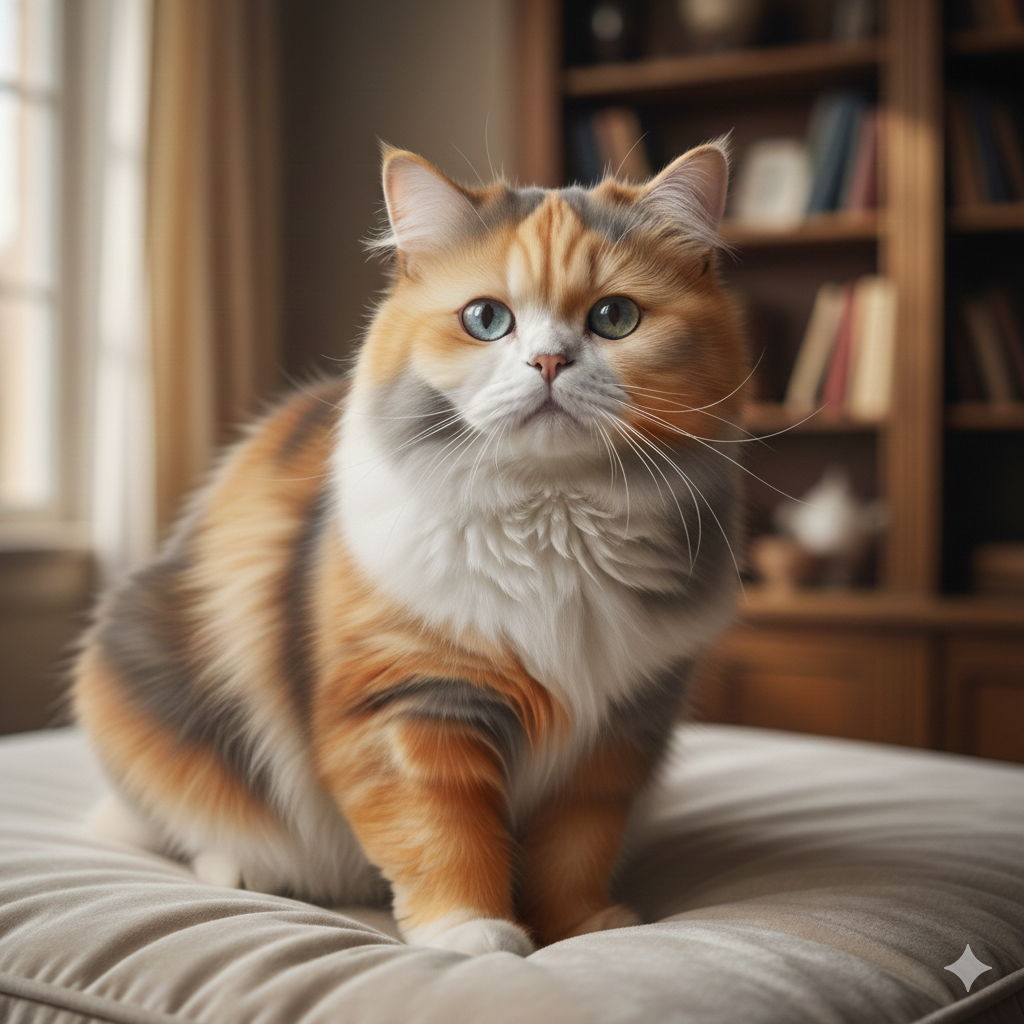
Meta Description: Discover expert tips and the ultimate 2026 guide for Persian grooming. Unlock the secret to a silky coat, prevent matting, and keep your beloved feline healthy.
Every Persian cat owner dreams of that iconic, flowing, luxurious coat. It’s a hallmark of the breed, a testament to their regal beauty, but maintaining it requires dedication and the right techniques. Masterful Persian grooming is not just about aesthetics; it’s crucial for your cat’s health, comfort, and well-being. This comprehensive 2026 guide will equip you with everything you need to know to ensure your Persian’s coat remains breathtakingly beautiful, free from mats, and irresistibly soft. Understanding proper Persian grooming is the first step towards a happy, healthy cat and a stronger bond with your furry companion.
Understanding the Persian Coat: The Challenge and Reward
The Persian cat’s signature feature is undoubtedly its magnificent long coat. This luxurious fur is beautiful to behold but also presents unique grooming challenges that new and experienced owners alike must understand. A deep dive into the nature of their coat helps set the stage for effective Persian grooming strategies.
The Unique Double Coat
Persians possess a dense double coat, consisting of a long, flowing outer layer and a thick, woolly undercoat. This combination, while stunning, is specifically designed to provide insulation. However, it’s also the primary reason why Persians are so prone to matting and tangling if not regularly maintained. The fine undercoat sheds consistently, easily getting caught within the longer guard hairs, forming knots that can quickly turn into painful mats.
Common Grooming Challenges
The inherent structure of the Persian coat leads to several common issues that can impact your cat’s health and comfort. Matting is perhaps the most significant, leading to skin irritation, infections, and even restricting movement. Beyond matting, Persians are also susceptible to hairballs due due to excessive self-grooming, and their flat faces often result in tear staining and potential eye irritation. Consistent Persian grooming is the most effective preventative measure against these challenges, safeguarding both their beauty and well-being.
Essential Tools for Effective Persian Grooming
Having the right arsenal of tools is fundamental to successful Persian grooming. Investing in quality equipment not only makes the process easier but also ensures your cat’s comfort and the effectiveness of your efforts. Think of these as your essential grooming toolkit.
The Must-Have Brushes and Combs
The core of your grooming kit should revolve around effective detangling and dematting tools. Each serves a specific purpose in maintaining that silky Persian coat.
– Slicker Brush: Ideal for removing loose hair and light tangles from the topcoat and working through the undercoat gently. Its fine, wire bristles are excellent for fluffy areas.
– Metal Comb: A sturdy metal comb with both wide and fine teeth is indispensable. The wide teeth are perfect for initial detangling, while the fine teeth help smooth the coat and check for any remaining knots.
– Dematting Comb or Mat Splitter: For tackling those stubborn mats safely. These tools are designed to cut through mats without pulling the surrounding healthy fur, minimizing discomfort for your cat. Always use these with extreme caution.
Shampoos and Conditioners Tailored for Persians
When it comes to bathing, generic products simply won’t do for a Persian’s delicate skin and specific coat type. Look for specialized formulas.
– Hypoallergenic and Tearless Shampoos: Persians often have sensitive skin and facial structures prone to irritation. A gentle, tearless formula ensures a comfortable bathing experience.
– Shampoos for Long Coats: These are formulated to detangle, reduce static, and provide extra conditioning, leaving the coat soft and manageable.
– Dry Shampoos or Waterless Washes: Excellent for quick touch-ups between full baths, especially for cats who are not keen on water. They help absorb oils and freshen the coat.
Other Vital Grooming Aids
Beyond brushes and bath products, several other tools complete a comprehensive Persian grooming kit.
– Nail Clippers: Choose a sharp, cat-specific clipper (scissor or guillotine style) to ensure clean cuts and prevent splitting.
– Ear Cleaner: A vet-approved ear cleaning solution and cotton balls (never cotton swabs) are crucial for maintaining ear hygiene.
– Eye Wipes or Solutions: Specially formulated wipes or solutions help keep the delicate eye area clean and minimize tear staining.
– Grooming Powder: Also known as cornstarch or talc-free baby powder, this can be lightly applied to very oily or stained areas to absorb moisture and make brushing easier, especially on white coats.
Comparison of Top Persian Grooming Tools
Selecting the right tools can make all the difference in your Persian grooming routine. Here’s a comparison of some popular and highly recommended grooming aids designed to keep your Persian’s coat in pristine condition.
| Product | Price | Pros | Cons | Best For |
|---|---|---|---|---|
| Chris Christensen Big G Slicker Brush | $50-$70 | Exceptional for detangling and removing undercoat, gentle on skin. | Higher price point, can be overwhelming for small kittens. | Heavy shedding, thick coats, professional results. |
| Safari De-Matting Comb | $10-$15 | Effectively cuts through small to medium mats with minimal pulling. | Requires careful use to avoid skin nicks, not for severe matting. | Early mat removal, preventing small tangles from worsening. |
| Earthbath All Natural Hypo-Allergenic Shampoo | $15-$20 | Gentle, soap-free formula, tearless, great for sensitive skin. | May require a second wash for very dirty coats, scent is very subtle. | Cats with allergies, frequent bathing, sensitive skin. |
| Paw Brothers 7.5″ Fine/Coarse Comb | $8-$12 | Versatile with two tooth spacings, excellent for finishing and checking. | Can pull if used too aggressively on tangles, not a primary dematting tool. | Everyday finishing, checking for missed knots, general coat maintenance. |
Daily Rituals: Brushing and Detangling Mastery
The secret to a mat-free, luxurious Persian coat lies in consistency. Daily brushing isn’t just a chore; it’s a vital component of successful Persian grooming that prevents problems before they start and strengthens the bond between you and your cat.
Establishing a Routine
Aim for at least 10-15 minutes of daily brushing. Consistency is more important than duration. Starting this routine when your Persian is a kitten will help them acclimatize and view grooming as a positive, even relaxing, experience. Always make it enjoyable with treats, praise, and a calm environment. A relaxed cat is a cooperative cat, making Persian grooming a breeze.
The Proper Brushing Technique
Effective brushing requires a systematic approach to ensure no section of the coat is missed.
1. Start from the Extremities: Begin brushing from your cat’s legs, belly, and tail, areas where mats often form first. Work your way up towards the back and neck.
2. Section the Coat: Gently part the fur with your hand and brush small sections at a time. This “line brushing” method ensures you reach down to the skin, removing loose undercoat that would otherwise cause mats.
3. Use Gentle Strokes: Always brush in the direction of hair growth. Use soft, even strokes to avoid pulling or irritating the skin. For sensitive areas like the armpits or groin, be extra gentle.
4. Alternate Tools: Start with a slicker brush to remove loose fur and small tangles, then follow with a metal comb to ensure no knots remain. The comb should glide smoothly through the coat without snagging.
Tackling Mats and Tangles Safely
Despite your best efforts, some mats may still occur. Addressing them correctly is crucial to avoid pain and skin damage.
– Never Pull: Attempting to pull or force a brush through a mat will only cause pain and further tighten the knot.
– Use a Dematting Comb: Carefully isolate the mat and use a dematting comb or splitter to gently work through it. Hold the fur at the base of the mat close to the skin to minimize pulling.
– Powders for Assistance: A light dusting of cornstarch or grooming powder on the mat can sometimes help loosen the hairs, making it easier to separate.
– When to Seek Professional Help: If mats are severe, large, close to the skin, or your cat is uncooperative, do not hesitate to contact a professional groomer or your veterinarian. They have specialized tools and techniques to remove mats safely without causing injury or trauma. Ignoring severe mats can lead to serious skin infections and discomfort, highlighting why consistent Persian grooming is so important.
Bathing Your Persian Cat: A Step-by-Step Guide
Bathing a Persian cat can seem daunting due to their long coats, but it’s an essential part of their grooming routine, especially for lighter-colored cats or those prone to oiliness. With preparation and patience, it can be a smooth process.
Preparation is Key
A well-prepared bathing session minimizes stress for both you and your cat.
1. Gather All Supplies: Have your shampoo, conditioner, towels, and a grooming brush ready and within reach before you even bring your cat to the bath area.
2. Pre-Brushing: Thoroughly brush your Persian’s coat before bathing. Any mats or tangles will tighten when wet, making them incredibly difficult, if not impossible, to remove. This pre-bath Persian grooming step is non-negotiable.
3. Set Up a Calm Environment: Choose a warm, quiet bathroom. Place a non-slip mat in the tub or sink to give your cat secure footing. Consider using a shower attachment for easier rinsing.
The Bathing Process
Approach bathing with calm confidence. Your demeanor will greatly influence your cat’s reaction.
1. Water Temperature: Ensure the water is lukewarm—comfortable for your hand. Start by wetting your cat gradually, avoiding their face initially.
2. Apply Shampoo: Dilute a small amount of cat-specific shampoo with water to help it spread evenly through the dense coat. Work it gently into the fur, paying attention to the back, belly, and legs.
3. Rinsing Thoroughly: This is the most crucial step. Residue left in the coat will attract dirt and cause skin irritation. Rinse, rinse, and rinse again until the water runs completely clear and you feel no slipperiness in the fur.
4. Conditioning: Apply a cat-specific conditioner, focusing on the ends and thicker parts of the coat. Let it sit for a few minutes as per product instructions, then rinse thoroughly.
Drying Techniques
Proper drying is vital to prevent matting and ensure your cat’s comfort after a bath.
– Towel Drying: Gently blot and squeeze excess water from the coat with soft, absorbent towels. Do not rub vigorously, as this can cause tangles.
– Low-Heat Blow Dryer: For Persians, a pet-specific blow dryer on a low, cool setting is often necessary. Use one hand to gently comb or brush the coat while blow-drying with the other. This helps straighten the fur and prevents matting as it dries. Ensure the dryer is never too hot and keep it moving.
– Air Drying: While some short-haired cats can air dry, a Persian’s dense coat will take too long and almost certainly mat if not brushed and dried properly with a dryer.
– Keep Brushing: Continue to brush and comb the coat until it is completely dry. This ensures that the long fur dries straight and tangle-free, contributing significantly to successful Persian grooming.
Beyond the Brush: Nails, Ears, and Eyes Care
While the magnificent coat often takes center stage, comprehensive Persian grooming extends to other vital areas. Neglecting nails, ears, and eyes can lead to discomfort, health issues, and detract from your cat’s overall well-being.
Nail Trimming Essentials
Regular nail trims are crucial for preventing painful ingrown nails, protecting your furniture, and ensuring your cat’s comfort.
– Frequency: Aim to trim your Persian’s nails every 2-4 weeks. If you hear them clicking on the floor, it’s definitely time.
– The Right Clippers: Use sharp, cat-specific nail clippers. Scissor-style clippers are often preferred for their precision.
– Avoiding the Quick: The “quick” is the pink part inside the nail that contains blood vessels and nerves. Only snip the very tip of the nail, avoiding the quick. If you accidentally cut the quick, apply styptic powder to stop the bleeding.
– Making it Stress-Free: Introduce nail trimming gradually. Handle your cat’s paws regularly from a young age. Offer treats and praise during and after the process to build a positive association.
Keeping Ears Clean and Healthy
Persian cats generally have clean ears, but it’s important to monitor them for any signs of trouble.
– Checking for Issues: Weekly checks for redness, swelling, unusual odor, or excessive wax buildup are recommended. These could be signs of an infection or mites.
– Gentle Cleaning: If cleaning is needed, use a vet-approved ear cleaning solution. Apply a few drops into the ear canal, gently massage the base of the ear, then use a cotton ball or soft cloth to wipe away any discharge or wax from the outer ear. Never insert anything into the ear canal itself.
– When to See a Vet: If you notice persistent redness, strong odor, excessive scratching, or discharge, consult your veterinarian immediately.
Addressing Eye Stains
Due to their brachycephalic (flat-faced) structure, Persians are prone to excessive tearing and tear staining around their eyes. This isn’t just an aesthetic concern; prolonged moisture can lead to skin irritation and infection.
– Daily Wiping: Use soft, lint-free cloths or specialized eye wipes designed for pets. Gently wipe the area around the eyes daily to remove tear stains and keep the fur dry.
– Specialized Solutions: There are various pet-safe eye cleaning solutions on the market that can help reduce staining. Follow the product instructions carefully.
– Keep Facial Fur Dry: Ensuring the fur around the eyes is kept as dry as possible is key. A light dusting of cornstarch or pet-safe grooming powder can help absorb moisture.
– Veterinary Consultation: If the tearing is excessive, appears cloudy, or is accompanied by redness, swelling, or discomfort, consult your vet. There might be an underlying medical issue, like blocked tear ducts or an infection, that requires professional attention. Regular care of this delicate area is a crucial aspect of overall Persian grooming.
Nutrition, Supplements, and Professional Help
While hands-on grooming is paramount, other factors significantly contribute to the health and beauty of your Persian’s coat. A holistic approach that includes diet, appropriate supplements, and knowing when to enlist expert help ensures your feline friend truly thrives.
The Role of Diet in Coat Health
What goes into your cat directly reflects on their outward appearance. A high-quality diet is the foundation for a lustrous coat and healthy skin.
– High-Quality Protein: Cats are obligate carnivores, meaning they require a diet rich in animal protein. This provides the essential amino acids needed for healthy hair growth. Look for cat foods with real meat as the first ingredient.
– Omega Fatty Acids: Omega-3 and Omega-6 fatty acids are crucial for skin hydration and coat shine. Ingredients like fish oil, flaxseed, and chicken fat are excellent sources. Many premium cat foods are fortified with these.
– Hairball Formulas: Given their long coats, Persians are particularly prone to hairballs. Specific cat food formulas designed to aid in hairball control contain increased fiber to help ingested hair pass through the digestive system more easily.
Supplements for a Silky Coat
Even with a great diet, some Persians can benefit from targeted supplements to enhance coat quality. Always consult your veterinarian before introducing any new supplements.
– Fish Oil: A popular choice, fish oil is rich in EPA and DHA omega-3 fatty acids, which are known to improve skin health, reduce inflammation, and impart a beautiful shine to the coat.
– Biotin: This B-vitamin is often associated with healthy skin and hair growth. Some pet supplements include biotin specifically for improving coat condition.
– Coconut Oil: While not a traditional supplement, a very small amount of virgin coconut oil can be added to food or even applied topically (though carefully, as they’ll lick it off) for its moisturizing properties.
When to Call a Professional Groomer
Despite your best efforts in daily Persian grooming, there are times when professional help is invaluable.
– Severe Matting: If your cat develops extensive or severely matted fur that you cannot safely remove, a professional groomer can often handle it with specialized tools and techniques, sometimes requiring sedation from a vet. Attempting to cut out large mats at home can result in serious injury to your cat.
– Cat’s Temperament: Some cats simply do not tolerate home grooming, even with the most patient owner. A professional groomer has experience with difficult cats and can often complete the session with less stress for everyone involved.
– Owner’s Inability or Time Constraints: If you lack the time, physical ability, or confidence to perform thorough grooming, a professional can ensure your Persian receives the consistent care it needs.
– Regular “Spa Days”: Even if you manage daily maintenance, occasional professional Persian grooming sessions can provide a deep clean, thorough dematting, and expert styling that keeps your cat looking and feeling their best. Professional groomers can also spot potential skin issues or other concerns you might miss.
Maintaining your Persian cat’s magnificent coat is a journey of dedication, patience, and love. By embracing daily brushing, mastering bathing techniques, diligently caring for their nails, ears, and eyes, and supporting their health with a proper diet, you unlock the secret to that coveted silky, mat-free coat. This comprehensive approach to Persian grooming not only ensures their striking beauty but also contributes significantly to their overall health and happiness. The time and effort invested create a profound bond and a truly contented companion.
Ready to give your Persian the ultimate pampering? Explore our range of premium grooming tools and supplements designed specifically for long-haired breeds on the Dax AI blog, or sign up for our newsletter for the latest expert tips and exclusive offers. For personalized advice, consult your veterinarian or a certified professional groomer.
Frequently Asked Questions (FAQ)
How often should I groom my Persian cat?
Ideally, daily brushing for 10-15 minutes is recommended for Persian cats to prevent mats and remove loose fur. Full baths might be needed every 4-8 weeks, depending on your cat’s activity level and coat oiliness.
What if my Persian cat hates being groomed?
Start grooming early in life to get them accustomed. Keep sessions short, use gentle techniques, and reward generously with treats and praise. If your cat is highly resistant, consult a professional groomer or your vet for advice, as stress can worsen the situation.
Can I shave my Persian cat’s coat?
While some owners opt for a “lion cut” or shave their Persian during hot weather, it’s generally not recommended without careful consideration. Shaving can alter coat regrowth, expose sensitive skin to sunburn, and some cats find the process stressful. Discuss this option with a professional groomer or veterinarian.
How do I prevent eye stains on my Persian?
Daily cleaning with a soft, lint-free cloth or pet-safe eye wipes is crucial. Keep the fur around their eyes dry and consider specialized tear stain removers. Ensure their diet is high-quality, as poor nutrition can sometimes contribute to excessive tearing. Consult your vet if staining is severe or persistent.
References and Further Reading
– The American Veterinary Medical Association (AVMA)
– Cornell Feline Health Center
– International Cat Care (iCatCare)
– PetMD: Persian Cat Grooming Guide
Leave a Reply