

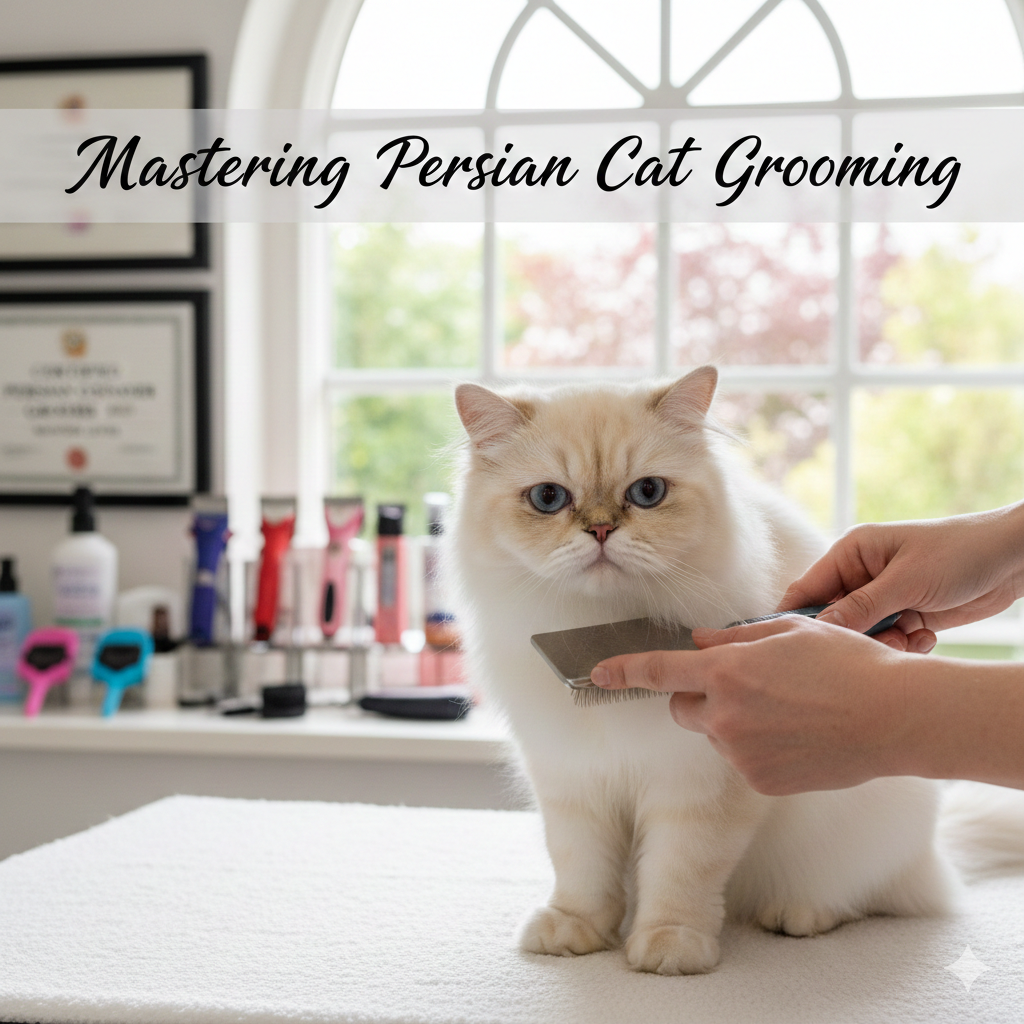
Unlock secrets to luxurious Persian Grooming! Dive into essential tips, tools, and techniques for a healthy, happy, and stunning Persian cat in 2026.
The majestic Persian cat, with its flowing, opulent coat and serene demeanor, is a true sight to behold. Yet, behind that breathtaking beauty lies a significant commitment to coat care. Mastering Persian Grooming is not just about aesthetics; it’s crucial for their health and comfort, preventing painful mats and skin issues. As we step into 2026, the techniques and tools for maintaining their magnificent fur continue to evolve, making the process more efficient and enjoyable for both feline and owner. This guide will help you navigate the unique challenges of their long, dense coat, transforming grooming from a chore into a cherished bonding experience.
Understanding the Persian Coat: A Foundation for Fluffy Success
Before diving into the specifics of brushing and bathing, it’s vital to understand the unique characteristics of the Persian cat’s coat. Unlike many other breeds, Persians boast a luxurious double coat: a soft, dense undercoat and a long, silky topcoat. This combination, while stunning, is highly prone to matting and tangling if not meticulously maintained.
The length and density of their fur mean that dirt, loose hair, and even litter can easily become trapped, leading to skin irritation and discomfort. Regular, thorough Persian grooming is not just about aesthetics; it’s a critical preventative health measure. A matted coat can pull on the skin, restrict movement, and conceal parasites or underlying skin conditions.
Furthermore, Persian cats have a brachycephalic (flat) face, which often leads to tear staining issues. These stains can accumulate bacteria and lead to skin problems around the eyes if not cleaned regularly. Understanding these breed-specific traits is the first step towards effective Persian grooming and ensuring your feline friend remains healthy and happy.
The Dynamics of Persian Fur
A Persian cat’s coat continuously sheds, with seasonal changes often bringing heavier shedding periods. The undercoat sheds more frequently, and if not removed, it quickly becomes tangled with the longer guard hairs. This shedding cycle makes daily brushing an indispensable part of their care routine.
New hair growth pushes out old, dead hair. Without proper grooming, this dead hair forms dense mats close to the skin. Mats can become very tight and painful, potentially requiring professional intervention. Early and consistent grooming habits are the best defense against these common coat problems.
Essential Tools and Technologies for Mastering Persian Grooming
Having the right tools is paramount for efficient and stress-free Persian grooming. Investing in quality equipment can make a significant difference in maintaining your cat’s magnificent coat. As we move into 2026, advancements in pet care technology offer even better solutions for discerning owners, enhancing the Persian grooming experience.
A basic grooming kit should include several types of brushes, combs, nail clippers, and specialized shampoos. However, modern innovations are making the process smoother and more effective, reducing the time and effort required for such an intensive grooming regimen.
Must-Have Grooming Tools for Your Persian
– **Slicker Brush:** Essential for removing loose hair and small tangles from the topcoat. Choose one with fine, bent wire bristles that aren’t overly sharp.
– **Metal Comb (Wide-toothed and Fine-toothed):** A wide-toothed comb is excellent for detangling larger knots. The fine-toothed end is perfect for delicate areas like the face and behind the ears, and for checking for fleas.
– **Undercoat Rake:** Designed specifically to penetrate the dense undercoat and remove loose fur before it mats. Use gently to avoid scratching the skin.
– **Dematter Tool/Mat Splitter:** A specialized tool with guarded blades to safely break up and remove mats too tight for a comb. Use with extreme caution.
– **Cat-Specific Nail Clippers:** Essential for regular nail trims, which should be done every 2-4 weeks. Start early to get your cat accustomed to the process.
– **Pet Dryer (Low-heat, Quiet):** A crucial tool for thoroughly drying your Persian after a bath, preventing matting and skin issues caused by damp fur.
– **High-Quality Cat Shampoo and Conditioner:** Always use products specifically formulated for cats, ideally those designed for long-haired breeds or sensitive skin. Human shampoos can irritate their skin and strip essential oils.
Comparison of Smart Grooming Gadgets for Persians
As technology advances, new gadgets emerge to simplify and enhance pet care. Here’s a look at some innovative tools that can aid in your Persian grooming efforts in 2026.
| Product | Price | Pros | Cons | Best For |
|---|---|---|---|---|
| Smart Pet Brush with Moisture Sensor | $75-120 | Detects skin dryness/oiliness, suggests specific products. Ergonomic design. | Requires app connectivity, battery dependent. | Owners seeking data-driven grooming insights. |
| Quiet Ionic Pet Dryer | $150-250 | Ultra-quiet operation, multiple heat settings, quick drying. Reduces static. | Higher initial cost, larger footprint than standard dryers. | Anxious cats, professional-level drying at home. |
| Automated Pet Grooming Table (Entry-Level) | $300-500 | Adjustable height, integrated lighting. Helps maintain proper posture during grooming. | Significant investment, requires dedicated space. | Owners who groom frequently or have multiple long-haired cats. |
The Daily Ritual: Brushing Techniques for a Pristine Persian
Daily brushing is the cornerstone of effective Persian grooming. Consistency is key to preventing mats and keeping their coat healthy and shiny. A dedicated 15-20 minute session each day can save hours of struggling with severe tangles later on.
Establish a routine early in your cat’s life. Choose a quiet, comfortable time when your cat is relaxed. Positive reinforcement, such as treats and praise, will make the experience much more pleasant for both of you. Never force your cat if they are resistant; try again later or break the session into shorter intervals.
Step-by-Step Daily Brushing Guide
1. **Preparation:** Gather all your tools (slicker brush, metal comb, undercoat rake, treats). Find a comfortable, elevated surface like a grooming table or even your lap if your cat is cooperative.
2. **Start Gentle:** Begin with the slicker brush, gently working through the topcoat. Always brush in the direction of hair growth. Start from the head and work your way down the body, including the legs, belly, and and tail.
3. **Address the Undercoat:** Once the topcoat is free of superficial tangles, use an undercoat rake. Carefully comb through the denser undercoat, holding down the skin with one hand to minimize pulling. Pay special attention to areas prone to matting: behind the ears, armpits, flanks, and hindquarters.
4. **Detailing with a Metal Comb:** Follow up with the wide-toothed metal comb to check for any remaining tangles or small mats. If you encounter a knot, gently try to work it out with the comb’s teeth, starting from the outside of the tangle and working your way in.
5. **Finish with Fine-Toothed Comb:** Use the fine-toothed end of your metal comb around the face, especially under the chin and around the eyes, to remove any debris or tear stains. Gently wipe tear stains with a damp cloth or a pet-safe eye wipe.
6. **The Tail:** The Persian’s tail is magnificent but can be sensitive. Brush it gently, fanning out the fur and using slow, deliberate strokes. Avoid excessive pulling.
Handling Matting and Tangles
Even with daily brushing, mats can occasionally form. Never try to cut out mats with scissors, as it’s incredibly easy to accidentally cut your cat’s thin, loose skin, which is prone to injury.
If you encounter a mat, try to work it out gently with your fingers, then use the wide-toothed comb. If it’s too tight, a mat splitter can be used carefully to slice through the mat, allowing it to be brushed out. Proceed with extreme caution when using any sharp tools near your cat’s skin.
When to Seek Professional Help
For severe or painful mats, a professional groomer or veterinarian should be consulted. They can safely shave out the mats without causing discomfort or potential injury to your cat. Attempting to remove large, tight mats at home can be stressful for your cat and lead to skin damage.
Bathing Your Persian: A Guide to Squeaky Clean Fluff
While daily brushing keeps the fur tangle-free, regular bathing is essential for maintaining the overall cleanliness and health of a Persian’s coat, particularly given their long hair and facial structure. Depending on your cat’s lifestyle and coat condition, a bath every 4-8 weeks is usually sufficient. Some show cats may be bathed more frequently.
Bathing a Persian can be a daunting task, but with proper preparation and a calm demeanor, it can be a manageable, even positive, experience. Remember, patience is key, and positive reinforcement will help condition your cat to tolerate baths.
Preparing for the Bath
1. **Pre-Bath Brushing:** Thoroughly brush your cat before bathing. Any mats or tangles will only tighten when wet, becoming nearly impossible to remove. This pre-bath Persian grooming step is non-negotiable.
2. **Gather Supplies:** Have everything ready: two towels (one for immediate drying, one for wrapping), cat-specific shampoo and conditioner, cotton balls for ears, and a non-slip mat for the tub or sink. Fill the tub with a few inches of lukewarm water beforehand to avoid startling your cat with running water.
3. **Eye and Ear Protection:** Place a cotton ball gently in each ear to prevent water from entering the ear canal, which can lead to infections. A small dab of ophthalmic ointment in each eye can also protect against shampoo irritation.
The Bathing Process
1. **Gentle Introduction:** Gently place your cat into the lukewarm water. Reassure them with a calm voice and gentle strokes. Start by wetting their fur thoroughly, avoiding their face initially. Use a handheld sprayer if you have one, or a small cup.
2. **Shampoo Application:** Apply a small amount of cat shampoo, working it into a lather. Focus on areas that get dirtiest, like the belly and hindquarters. Be thorough but gentle. Rinse completely. Residual shampoo can irritate the skin and dull the coat.
3. **Conditioning:** Follow with a cat-specific conditioner. This helps to moisturize the skin and coat, making it easier to comb through later. Leave it on for the recommended time, then rinse thoroughly until the water runs clear and the fur feels squeaky clean.
4. **Face Cleaning:** For their face, use a damp cloth (without shampoo) to gently wipe around their eyes, nose, and mouth. Special tear stain removers can be used at this stage if needed, following product instructions.
5. **Drying:** This is arguably the most critical step for a Persian. Immediately after rinsing, wrap your cat in a towel and gently squeeze out excess water. Replace with a dry towel and continue blotting. Then, use a low-heat, quiet pet dryer while continuously brushing their fur to prevent matting. Ensure they are completely dry, especially the undercoat, to avoid skin issues and re-matting.
Beyond the Brush: Addressing Common Persian Grooming Challenges
While daily brushing and regular bathing form the core of Persian grooming, owners will encounter specific challenges that require extra attention. Addressing these proactively contributes significantly to your cat’s comfort and long-term health.
Tear Stains and Facial Care
Persians’ distinctive flat faces often lead to epiphora, or excessive tearing, which can cause dark tear stains and skin irritation around the eyes. Regular cleaning is essential to manage this.
– **Daily Wiping:** Use a soft, damp cloth or specialized pet eye wipes to gently clean around your cat’s eyes every day. This removes discharge before it can dry and stain the fur.
– **Professional Products:** Various tear stain removers are available, from topical solutions to dietary supplements. Consult your vet before using any new product, especially oral ones.
– **Keeping Hair Short:** Carefully trim the hair around the eyes with blunt-nosed scissors (or have a groomer do it) to prevent it from soaking up tears and exacerbating staining.
Nail Trimming
Regular nail trims are crucial for your Persian’s health and comfort. Overgrown nails can snag, break, or even grow into their paw pads, causing pain and infection. Aim for a trim every 2-4 weeks.
– **Technique:** Use sharp, cat-specific nail clippers. Hold your cat’s paw and gently press the paw pad to extend the claw. Only snip the very tip of the nail, avoiding the pink ‘quick’ (blood vessel) inside, which is painful if cut. If unsure, ask your vet or groomer for a demonstration.
– **Start Early:** Introduce nail trims when your Persian is a kitten to get them accustomed to the process. Make it a positive experience with treats and praise.
Dental Hygiene
While not strictly a “grooming” task in the traditional sense, dental care is an integral part of your Persian’s overall health, often overlooked by owners focusing solely on their magnificent coat. Poor dental hygiene can lead to painful gum disease, tooth loss, and even systemic health issues.
– **Brushing:** Daily or every-other-day brushing with a pet-specific toothbrush and toothpaste is the gold standard. Never use human toothpaste, as it can be toxic to cats.
– **Dental Treats and Water Additives:** These can supplement brushing but should not replace it. Look for products with the Veterinary Oral Health Council (VOHC) seal of acceptance.
– **Professional Cleanings:** Regular veterinary check-ups should include an oral examination. Your vet may recommend professional dental cleanings under anesthesia to remove tartar buildup.
The Future of Persian Grooming: Trends and Tips for 2026 and Beyond
As we advance further into 2026, the world of pet care, including Persian grooming, continues to innovate. New products, techniques, and philosophies are emerging, all aimed at making pet ownership easier and more beneficial for our feline companions. Staying abreast of these trends can elevate your grooming routine and ensure your Persian always looks and feels their best.
Embracing Holistic Grooming Approaches
There’s a growing emphasis on holistic well-being, where grooming is seen as part of a larger picture of health, diet, and mental stimulation. This means considering how nutrition impacts coat health, using natural or organic grooming products, and ensuring grooming sessions are stress-free and positive experiences for the cat.
– **Nutrition for Coat Health:** A high-quality diet rich in omega fatty acids (like those found in fish oil supplements) can significantly improve coat luster and skin health, reducing dryness and shedding. Consult your veterinarian for dietary recommendations tailored to your Persian.
– **Stress-Free Environment:** Create a calm and quiet grooming space. Use calming pheromone sprays or diffusers if your cat is particularly anxious. Short, frequent sessions are often better than long, infrequent ones.
Smart Technology Integration
Beyond the smart brushes and quiet dryers, expect to see more integration of AI and smart home technology into pet care. Imagine smart cameras that detect early signs of skin issues or apps that remind you of your grooming schedule based on shedding cycles. The goal is to provide proactive care and personalized recommendations for Persian grooming.
– **Grooming Reminders:** Smart calendars and apps can help you stay on schedule with daily brushing, weekly nail trims, and monthly baths, ensuring consistency in your routine.
– **Tele-Grooming Consultations:** With advancements in connectivity, virtual consultations with professional groomers might become more common, offering advice and troubleshooting tips from the comfort of your home.
Sustainable Grooming Practices
Environmental consciousness is impacting pet product choices. Look for grooming products with eco-friendly packaging, biodegradable ingredients, and cruelty-free certifications. Supporting brands that prioritize sustainability contributes to a healthier planet for everyone, including our beloved pets.
– **Water-Saving Techniques:** Consider water-saving shower nozzles and efficient drying methods to reduce resource consumption during baths.
– **Long-Lasting Tools:** Invest in durable, high-quality grooming tools that last for years, reducing waste from frequently replaced items.
Mastering the art of Persian grooming is an ongoing journey of learning and adaptation. By staying informed about the latest tools, techniques, and philosophies, you can ensure your fluffy companion not only looks exquisite but also enjoys a life of optimal health and comfort. The bond forged during these dedicated grooming sessions is a unique expression of love and care, creating a deeper connection between you and your cherished Persian.
Ready to pamper your Persian? Explore our comprehensive guides on pet nutrition and wellness for even more ways to enhance your cat’s life. Subscribe to our newsletter for the latest tips and product reviews!
For personalized advice on your Persian’s specific grooming needs, feel free to contact us through our website. We’re here to help!
Frequently Asked Questions (FAQ)
How often should I brush my Persian cat?
Persian cats should be brushed daily for at least 15-20 minutes. Their long, dense double coat is highly prone to matting and tangling, and daily brushing is crucial to prevent these painful issues and maintain coat health.
What type of shampoo is best for Persian cats?
Always use a high-quality shampoo and conditioner specifically formulated for cats, especially those designed for long-haired breeds or sensitive skin. Avoid human shampoos, as they can be too harsh and strip essential oils from your cat’s skin and coat.
Can I use human hair clippers to groom my Persian cat?
It is not recommended to use human hair clippers. Pet clippers are designed with different blade types and motors suitable for animal fur, which is often thicker and denser. Using human clippers can pull hair, irritate skin, or lead to uneven cuts.
How can I prevent tear stains on my Persian cat?
Daily cleaning of the area around the eyes with a damp cloth or pet-specific eye wipes is essential. You can also use specialized tear stain removers or supplements after consulting with your veterinarian. Keeping the hair around the eyes trimmed can also help.
Is it necessary to bathe a Persian cat?
Yes, regular bathing is necessary, typically every 4-8 weeks, depending on the cat’s lifestyle and coat condition. Baths help remove dirt, excess oil, and dander that brushing alone cannot, preventing skin issues and keeping the coat pristine.
Leave a Reply