

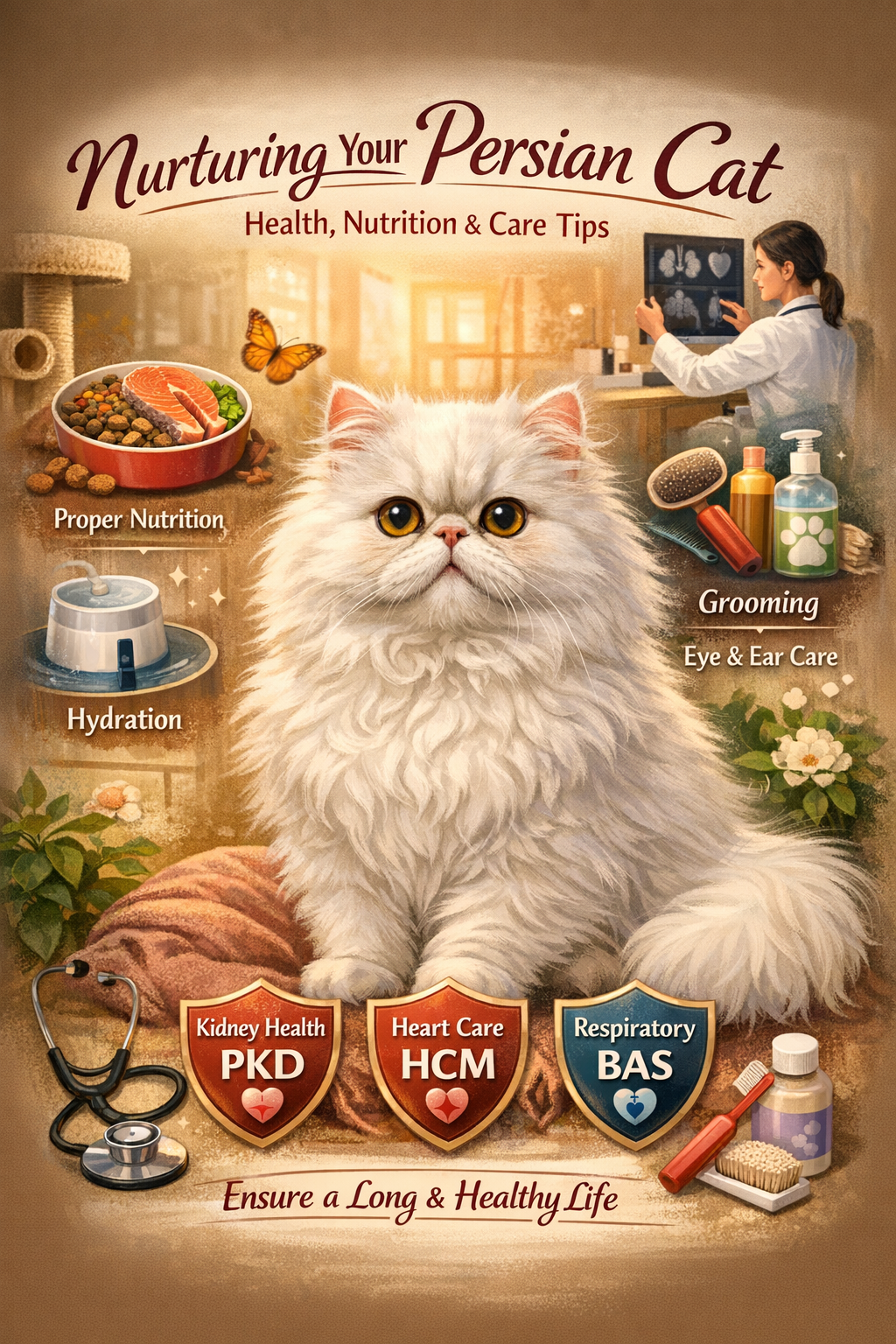
Ensure your Persian feline thrives! Discover the ultimate health guide for longevity, covering nutrition, grooming, common conditions, and smart care tips. Optimize your Persian’s health.
Nurturing the Unique Needs of Your Persian Feline
Bringing a Persian cat into your home is an invitation to experience unparalleled beauty and charm. These majestic felines, with their luxurious coats and distinctive flat faces, are beloved companions. However, their unique characteristics also come with specific health considerations. Focusing on optimal Persian health from day one is crucial for a long, happy life together. This comprehensive guide will equip you with the knowledge and strategies to ensure your cherished Persian thrives for years to come.
From diet and grooming to understanding common genetic predispositions, every aspect contributes to their overall well-being. Proactive care and attention to detail are paramount in maintaining their unique health requirements. By understanding their needs, you can provide the best possible environment for your beloved companion.
Nutrition: The Cornerstone of Persian Health and Vitality
Proper nutrition is arguably the single most important factor in maintaining excellent Persian health. Their specific dietary needs go beyond just offering any cat food. Persians require a diet that supports their dense coat, manages potential sensitivities, and promotes overall organ function.
Choosing the right food can prevent a multitude of issues down the line. It impacts everything from their energy levels to the luster of their fur. A high-quality diet is an investment in their longevity.
Understanding Persian Nutritional Needs
Persian cats, like all felines, are obligate carnivores. This means their diet must be rich in animal protein. Unlike some other breeds, their unique jaw structure can sometimes make eating certain kibble shapes challenging. Look for foods specifically designed for brachycephalic breeds, often featuring flatter or smaller kibble pieces.
Beyond protein, a balanced diet includes healthy fats, essential vitamins, and minerals. Avoid foods with excessive fillers like corn, wheat, and soy, as these offer little nutritional value and can sometimes trigger allergies or digestive upset in sensitive cats.
Choosing the Right Food for Your Persian
When selecting cat food, scrutinize the ingredient list. The first few ingredients should be identifiable meat sources such as chicken, turkey, salmon, or beef. Grain-free options are popular and can be beneficial, but always consult your veterinarian before making significant dietary changes.
Wet food can be particularly advantageous for Persians due to its high moisture content. This contributes significantly to hydration, which is vital for kidney health and can help prevent urinary tract issues. Many owners opt for a mixed diet of high-quality wet and dry food.
Consider the life stage of your Persian as well. Kittens, adults, and senior cats have different caloric and nutrient requirements. Ensure the food is formulated for their current age, providing tailored support for their growth or maintenance.
Here are some key considerations:
– High animal protein content.
– Appropriate kibble shape for easy consumption.
– Limited fillers and artificial additives.
– High moisture content, especially through wet food.
– Formulation specific to their life stage (kitten, adult, senior).
Hydration and Water Intake for Optimal Persian Health
Hydration is paramount for all cats, but especially for Persians. Their susceptibility to certain kidney conditions makes adequate water intake critical. While wet food helps, always ensure fresh, clean water is available.
Many cats, including Persians, are not naturally inclined to drink from stagnant water bowls. Consider investing in a pet drinking fountain. The circulating, filtered water often encourages cats to drink more, significantly boosting their daily fluid intake.
Grooming Essentials for a Luxurious Coat and Pristine Skin
The Persian’s crowning glory is its magnificent long coat. While undeniably beautiful, this coat requires dedicated and consistent grooming to prevent mats, tangles, and skin issues. Proper grooming is a non-negotiable aspect of maintaining excellent Persian health.
Neglecting grooming can lead to painful mats that pull on the skin, causing discomfort, infections, and making veterinary examinations difficult. It’s a daily commitment that pays off in comfort and aesthetics.
Daily Brushing Techniques for Mat Prevention
Daily brushing is essential. A combination of tools works best: a wide-toothed comb for initial detangling, a slicker brush for removing loose hair and dander, and a metal comb for checking for hidden mats. Start grooming your Persian from a young age to accustom them to the routine.
Brush gently, working through small sections of fur at a time. Pay close attention to areas prone to matting, such as under the legs, behind the ears, and around the tail. Regular brushing also helps distribute natural oils, promoting a healthy, shiny coat.
For particularly dense areas, a grooming powder or cornstarch can help loosen tangles before brushing. Always be patient and make the experience positive with treats and praise.
Bathing and Mat Prevention Strategies
While daily brushing is key, occasional bathing is also necessary for Persians. Aim for a bath every 4-6 weeks, or as needed, using a specialized cat shampoo and conditioner. Ensure the water is lukewarm and never leave your cat unsupervised.
Thoroughly rinse all shampoo and conditioner to prevent skin irritation. After bathing, gently towel dry your Persian and then use a low-heat hairdryer, brushing their coat as it dries to prevent new mats from forming. Never air-dry a Persian’s coat, as this significantly increases the risk of matting.
If you encounter a mat that cannot be gently brushed out, do not pull or cut it with scissors. This can easily injure your cat’s delicate skin. Professional groomers have the tools and expertise to safely remove stubborn mats.
Eye and Ear Care
The Persian’s brachycephalic (flat) face often leads to excessive tearing, resulting in tear stains around their eyes. Daily cleaning with a soft, damp cloth or specialized pet eye wipes is crucial to prevent irritation and infection. Gently wipe away any discharge from the inner corner of the eye outwards.
Regularly check your Persian’s ears for dirt, wax buildup, or any signs of infection (redness, odor, excessive scratching). Clean them gently with a vet-approved ear cleaner and cotton balls, never using cotton swabs that could push debris further into the ear canal. If you notice any unusual discharge or odor, consult your veterinarian.
Common Health Concerns and Proactive Care for Persian Health
Due to their distinctive features and breeding history, Persian cats are predisposed to certain health conditions. Understanding these potential issues allows you to be proactive in prevention, early detection, and management, significantly contributing to their overall Persian health and quality of life.
Regular veterinary check-ups are the cornerstone of managing these predispositions. Early diagnosis often leads to more effective treatment and better outcomes.
Brachycephalic Airway Syndrome (BAS)
The flattened face of the Persian, while aesthetically appealing, can lead to respiratory difficulties known as Brachycephalic Airway Syndrome. This condition encompasses several anatomical abnormalities, including narrowed nostrils, an elongated soft palate, and everted laryngeal saccules, all of which obstruct airflow.
Symptoms include noisy breathing, snoring, exercise intolerance, and difficulty cooling down in warm weather. In severe cases, surgical correction may be recommended to improve their breathing. Keep your Persian cool, avoid strenuous activity, and monitor their breathing closely.
Polycystic Kidney Disease (PKD)
PKD is a common hereditary condition in Persian cats, characterized by the development of fluid-filled cysts in the kidneys. These cysts gradually enlarge, eventually leading to kidney failure. It is typically inherited as an autosomal dominant trait.
Symptoms usually appear in middle to older age and can include increased thirst and urination, weight loss, lethargy, and poor coat quality. Genetic testing is available for PKD, allowing breeders to screen cats and prevent passing the gene to offspring. If you are acquiring a Persian, inquire about PKD test results for the parents.
Feline Hypertrophic Cardiomyopathy (HCM)
HCM is the most common heart disease in cats, causing the muscular walls of the heart to thicken, reducing its pumping efficiency. Persians are one of the breeds with a higher prevalence of HCM.
Symptoms can range from subtle (lethargy, decreased appetite) to severe (difficulty breathing due to fluid in the lungs, sudden collapse, or hind-leg paralysis). Regular veterinary check-ups, including listening for heart murmurs, are important for early detection. Echocardiograms (ultrasounds of the heart) are the definitive diagnostic tool. While there is no cure, medication can help manage the condition.
Dental Health is Key to Overall Persian Health
Dental disease is rampant in cats, and Persians are no exception. Plaque and tartar buildup can lead to gingivitis, periodontitis, and eventually tooth loss. Poor dental health can also contribute to systemic health issues, as bacteria from infected gums can enter the bloodstream.
Daily tooth brushing with a cat-specific toothbrush and toothpaste is the gold standard for prevention. Dental treats and water additives can offer some benefit, but nothing replaces mechanical brushing. Regular professional dental cleanings under anesthesia are often necessary to remove tartar and address existing issues.
Regular Veterinary Check-ups
Annual or bi-annual veterinary visits are crucial for preventive care and early detection of potential health issues. Your vet will perform a thorough physical examination, discuss nutrition and behavior, and recommend necessary vaccinations and parasite control.
For older Persians or those with known predispositions, your vet may recommend routine blood work, urine tests, or imaging to monitor organ function. These proactive measures are invaluable in safeguarding your Persian’s health.
Creating an Enriched and Safe Environment for Your Persian
Beyond physical health, a stimulating and safe environment plays a critical role in your Persian’s overall well-being. A happy cat is often a healthy cat. Providing mental and physical enrichment helps prevent boredom, stress, and behavioral issues that can indirectly impact their health.
Consider their natural instincts and how to best accommodate them within your home. A comfortable and secure setting reduces anxiety.
Mental Stimulation and Play
Despite their calm demeanor, Persians still need mental and physical stimulation. Interactive play sessions with wand toys, laser pointers (used responsibly), or puzzle feeders can keep them engaged. Regular playtime also helps maintain a healthy weight and muscle tone.
Provide a variety of toys to prevent boredom. Rotational play, where you introduce different toys periodically, can keep things fresh and exciting for your feline friend. Cat trees and elevated perches also allow them to satisfy their natural urge to climb and observe their surroundings from a safe vantage point.
A Safe Indoor Environment
Persians should always be indoor cats. Their long coats make them vulnerable to outdoor elements, and their gentle nature and lack of agility compared to other breeds make them easy targets for predators or accidents. An indoor environment protects them from traffic, other animals, and infectious diseases.
Ensure your home is cat-proofed: secure windows and doors, remove toxic plants, and store household chemicals safely. Provide a quiet, comfortable space where your Persian can retreat when they need solitude, such as a cozy cat bed or a private room.
Managing Stress and Anxiety
Cats are creatures of habit and can be sensitive to changes in their environment. Stress can manifest in various ways, including changes in appetite, litter box accidents, excessive grooming, or aggression. Identify potential stressors and mitigate them where possible.
Maintain a consistent routine for feeding, playtime, and grooming. If significant changes are unavoidable (e.g., moving, new pet, new baby), introduce them gradually and provide extra reassurance and resources (like pheromone diffusers or calming supplements) to help your Persian cope.
Utilizing Smart Pet Technology for Optimal Persian Health Monitoring
In today’s digital age, technology offers innovative ways to monitor and enhance your Persian’s health. Smart pet gadgets can provide valuable insights into their eating habits, activity levels, and even their hydration, allowing for proactive intervention.
These tools can be particularly useful for busy owners or those wanting an extra layer of insight into their cat’s daily routines and potential health shifts. They offer peace of mind and data-driven care.
Comparison of Top Smart Pet Monitors/Feeders
| Product | Price | Pros | Cons | Best For |
|---|---|---|---|---|
| SureFeed Microchip Pet Feeder | $140 – $160 | Prevents food theft from other pets; ideal for multi-cat households or prescription diets. Ensures only the designated Persian gets its specific food. | Requires microchip or RFID collar tag; battery operated (requires regular replacement). Can be pricey for a simple feeder. | Multi-pet homes, cats on specific diets, preventing overeating by specific cats. |
| PetSafe Smart Feed Automatic Feeder | $170 – $200 | App-controlled scheduling and portioning; slow-feed option; alerts for low food. Excellent for consistent feeding schedules. | Can be complex to set up initially; requires Wi-Fi connectivity. Some cats may try to ‘break into’ the feeder. | Owners wanting precise control over feeding times and portion sizes, managing cat weight. |
| Petlibro Automatic Cat Feeder with Camera | $150 – $180 | Integrated HD camera for live monitoring; two-way audio; customizable feeding schedule. Provides visual confirmation of eating habits. | Requires Wi-Fi and power; privacy concerns for camera; higher price point. Monitoring can be addictive. | Owners who travel frequently, want to check in on their cat, or monitor eating behavior remotely. |
| Pura Air Smart Pet Odor Eliminator | $60 – $80 | Automatically eliminates litter box odors; motion-activated; non-toxic. Improves home air quality for cats and humans. | Requires replacement filters; battery life varies. Effectiveness can depend on litter box size and placement. | Improving litter box environment, reducing odors in multi-cat homes, promoting a cleaner space. |
Proactive Measures for Your Persian’s Longevity
Beyond routine care, a proactive approach to your Persian’s health involves anticipating needs and responding promptly to changes. This includes careful weight management, considering appropriate supplements, and diligently observing their behavior for any subtle cues of discomfort or illness.
These extra steps can make a significant difference in preventing serious conditions and extending their healthy years. It’s about being an attentive and informed pet parent.
Weight Management and Exercise
Obesity is a growing problem in domestic cats and can exacerbate many health issues, including joint problems, diabetes, and heart disease. Monitor your Persian’s weight regularly. You should be able to feel their ribs easily without seeing them, and they should have an hourglass figure when viewed from above.
Encourage regular, gentle play sessions to help them maintain a healthy weight. Their brachycephalic nature means they can’t tolerate intense exercise, so focus on short, frequent play sessions rather than long, strenuous ones. Puzzle feeders can also slow down eating and provide mental stimulation, aiding in weight control.
Supplements and When to Consider Them
Supplements are not a substitute for a balanced diet but can complement it under veterinary guidance. Omega-3 fatty acids, often derived from fish oil, can support skin and coat health, reduce inflammation, and aid joint mobility. Probiotics may be beneficial for cats with sensitive stomachs or digestive issues.
Joint supplements containing glucosamine and chondroitin can be helpful for older Persians or those predisposed to arthritis. Always consult your veterinarian before introducing any supplements to your cat’s diet to ensure they are appropriate and correctly dosed.
Monitoring Behavioral Changes
Cats are masters at hiding pain or illness, a remnant of their wild ancestors. Subtle changes in behavior are often the first indicators of a health problem. Pay close attention to changes in appetite, thirst, litter box habits, activity levels, grooming habits, and social interactions.
Any sudden or persistent change warrants a call to your veterinarian. For example, increased vocalization could indicate pain, while decreased grooming might suggest discomfort or lethargy. Being attuned to these nuances allows for early intervention, which is critical for maintaining robust Persian health.
Caring for a Persian cat is a commitment that brings immense joy and companionship. By focusing on their unique needs—from specialized nutrition and meticulous grooming to understanding their health predispositions and creating a nurturing environment—you lay the foundation for a long and vibrant life together. Regular veterinary care, attentive observation, and a willingness to adapt your care routine as they age are key components of unlocking longevity for your cherished feline.
Embrace the journey of being a Persian parent with confidence, knowing that your dedication to their specific health requirements will be rewarded with years of purrs, head boops, and unwavering affection. Your proactive efforts in maintaining their Persian health are truly invaluable.
For further assistance or to discuss your Persian’s specific health plan, please contact our expert team. We are dedicated to supporting you and your feline companion.
Frequently Asked Questions (FAQ)
What are the most common health issues for Persian cats?
Persian cats are prone to several hereditary conditions due to their unique breeding. These include Polycystic Kidney Disease (PKD), Brachycephalic Airway Syndrome (BAS), Feline Hypertrophic Cardiomyopathy (HCM), and various eye conditions due to their flat faces. Dental disease is also very common. Regular veterinary check-ups and genetic screening are vital for early detection and management.
How often should I groom my Persian cat?
Daily brushing is essential for Persian cats to prevent mats and tangles in their long, dense coats. A bath every 4-6 weeks with appropriate cat shampoo and conditioner is also recommended. Daily cleaning of their eyes is necessary to prevent tear stains and irritation. Consistent grooming is a cornerstone of Persian health.
What kind of food is best for a Persian cat?
Persian cats require a high-quality diet rich in animal protein. Look for foods with real meat as the primary ingredient. Due to their flat faces, kibble designed for brachycephalic breeds (flatter, smaller shapes) can be beneficial. Wet food is highly recommended to ensure adequate hydration. Always choose food appropriate for their life stage and consult your vet for specific dietary advice.
How can I tell if my Persian cat is stressed?
Signs of stress in Persian cats can be subtle but may include changes in appetite or thirst, inappropriate urination or defecation outside the litter box, excessive grooming (leading to bald spots), decreased activity, increased hiding, aggression, or changes in vocalization. Identifying and addressing stressors, such as changes in routine or environment, is crucial for their well-being.
Are Persian cats good with children and other pets?
Persian cats are generally known for their sweet, gentle, and docile temperament, making them well-suited for families with children and other pets, provided proper introductions and supervision occur. They are typically calm and enjoy peaceful environments. Their long coats and specific care needs mean children should be taught how to interact gently and respectfully with them.
Leave a Reply