

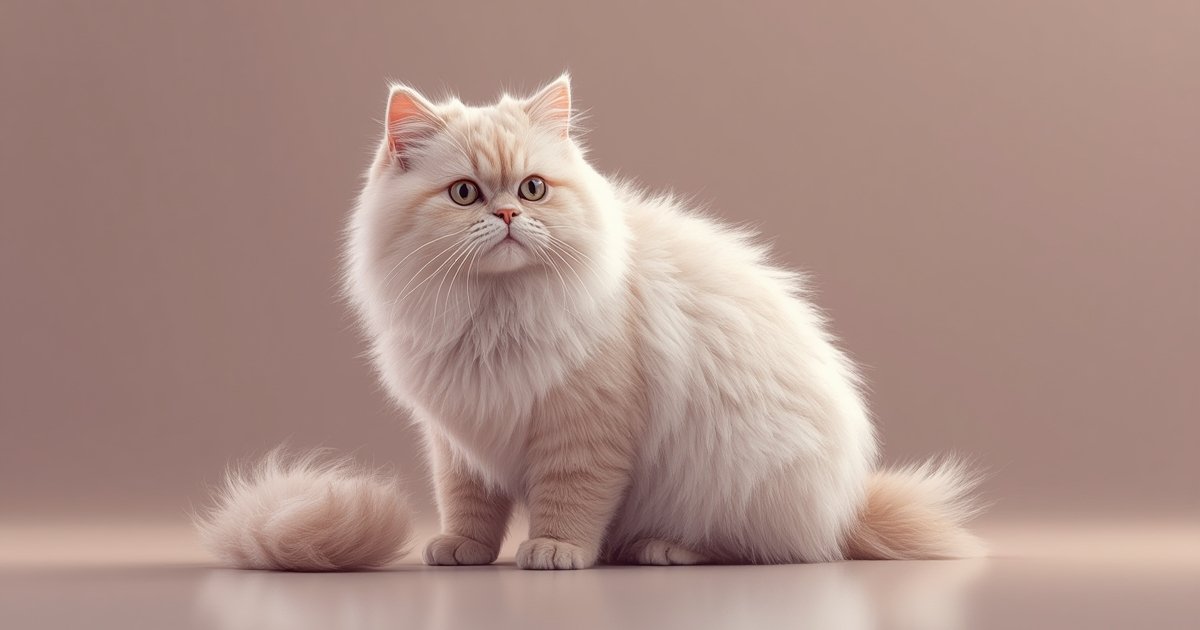
Transform your Persian cat’s coat into a magnificent, healthy spectacle with our expert grooming tips for 2026. Discover the latest tools and techniques to maintain their luxurious fur, prevent matting, and ensure their comfort.
The Royal Treatment: Understanding Your Persian Cat’s Unique Coat
Persian cats are renowned for their stunning, long, flowing coats, which are a hallmark of their regal appearance. However, this magnificent fur comes with a commitment to consistent and proper Persian grooming. Unlike many other breeds, a Persian’s coat is dense, fine, and prone to tangles and mats if not meticulously cared for. Understanding the unique characteristics of their fur is the first step towards a happy, healthy, and stunning feline companion.
Their double coat consists of a thick, woolly undercoat and a long, silky topcoat. This combination, while beautiful, is a magnet for loose hair, dander, and environmental debris. Neglecting their coat, even for a few days, can lead to severe matting, which can be painful for your cat and may even require professional intervention, including shaving. Regular Persian grooming not only keeps them looking their best but also promotes skin health, prevents discomfort, and strengthens the bond between you and your cherished pet.
Daily attention is not just about aesthetics; it’s a crucial part of their overall well-being. A matted coat can hide skin infections, parasites, and other issues that might go unnoticed. Furthermore, a well-groomed cat is less likely to ingest excessive hair during self-grooming, reducing the risk of hairballs. By embracing a proactive grooming routine, you are investing in your Persian cat’s health and happiness for years to come.
Essential Tools for Effective Persian Grooming
Equipping yourself with the right tools is paramount for successful Persian grooming. Investing in high-quality grooming instruments will make the process more efficient, comfortable for your cat, and ultimately more effective in maintaining their luxurious coat. With the right arsenal, you can tackle everything from daily brushing to more intensive mat removal and bathing.
Brushes and Combs for Daily Maintenance
The foundation of any good Persian grooming routine starts with the right brushes and combs. These tools are designed to penetrate their dense fur, remove loose hair, and prevent matting without irritating their sensitive skin.
– **Stainless Steel Comb:** A must-have tool with both wide and fine teeth. The wide teeth are ideal for initial detangling, while the fine teeth help to remove smaller knots and smooth the coat. Always use this gently to avoid pulling.
– **Slicker Brush:** Featuring fine, short wires packed closely together on a flat surface, a slicker brush is excellent for removing loose hair and small tangles from the topcoat. Use short, gentle strokes, being careful not to scratch the skin.
– **Pin Brush:** With longer, widely spaced pins, this brush is good for general brushing and distributing natural oils throughout the coat, adding shine. It’s particularly useful for the longer parts of their fur, like the ruff and tail.
Specialized Tools for Advanced Care
Beyond the daily essentials, some specialized tools are invaluable for more intensive Persian grooming tasks, especially if your cat is prone to mats or needs a bath.
– **Mat Splitter/Remover:** These tools are designed to safely break up severe mats without causing undue stress or pain to your cat. They should be used with extreme caution and only when necessary, often best handled by experienced groomers for large mats.
– **Undercoat Rake:** Specifically designed for breeds with dense undercoats, this tool helps to pull out loose undercoat fur, which significantly reduces shedding and prevents matting at the skin level.
– **Blunt-nosed Scissors:** Essential for trimming around sensitive areas like the eyes, paws, and sanitary region. Always use blunt-nosed scissors to minimize the risk of injury.
– **Cat-Specific Nail Clippers:** Regular nail trims are a crucial part of overall Persian grooming. Choose clippers designed for cats to make the process safe and quick.
Grooming Product Comparison: Shampoos and Conditioners
Choosing the right grooming products, particularly shampoos and conditioners, is vital for maintaining the health and luster of your Persian’s coat. Their long fur requires gentle yet effective formulas that clean without stripping natural oils, and often feature detangling or conditioning properties. Here’s a comparison of some popular options suitable for Persian grooming.
| Product | Price | Pros | Cons | Best For |
|---|---|---|---|---|
| Earthbath Oatmeal & Aloe Shampoo | $15-$20 | Natural ingredients, soothes dry/itchy skin, gentle on sensitive cats. | May not be strong enough for heavily soiled coats, less intense detangling. | Cats with sensitive skin, regular maintenance. |
| TropiClean Medicated Oatmeal & Tea Tree Shampoo | $18-$25 | Helps with skin irritation and dryness, good for moderate skin issues. | Stronger scent, may be too intense for very sensitive cats. | Cats with mild dermatological concerns, occasional deep cleaning. |
| Chris Christensen Systems White on White Shampoo | $30-$40 | Brightens white coats without harsh chemicals, deep cleaning, excellent conditioning. | Higher price point, might require specific dilution instructions. | Show cats, maintaining pristine white Persian coats. |
| Petology Botanical Detangling Spray | $12-$18 | Excellent for detangling mats and knots, leaves coat soft and shiny. | Additional product purchase, some cats may dislike spray sound. | Post-bath detangling, daily spritz for mat prevention. |
Mastering the Daily Persian Grooming Routine
Consistency is key when it comes to Persian grooming. Establishing a daily routine will prevent major issues, keep your cat comfortable, and make the grooming process enjoyable for both of you. Daily attention, even if brief, can save hours of work and potential stress down the line.
The Daily Brush-Out: A Step-by-Step Guide
A thorough daily brush-out is the cornerstone of effective Persian grooming. This not only keeps their coat free of tangles but also helps distribute natural oils, stimulate circulation, and provide a moment of bonding.
1. **Preparation is Key:** Find a quiet, comfortable spot where your cat feels secure. Place a non-slip mat or towel on your lap or a table. Have all your tools ready: a stainless steel comb, a slicker brush, and perhaps a pin brush.
2. **Start Gentle:** Begin by gently combing through the coat with the wide-toothed side of your stainless steel comb, working from the tips of the fur towards the skin. Always comb in the direction of hair growth.
3. **Section by Section:** Divide your cat’s coat into manageable sections. Start with the back, then move to the sides, belly, chest, and legs. Pay special attention to areas prone to matting, such as the armpits, behind the ears, and the “britches” (fur on the back of the thighs).
4. **Target Tangles:** If you encounter a tangle, do not pull. Gently work it out with your fingers, then use the fine-toothed side of the comb or a slicker brush, holding the fur at the base to prevent pulling on the skin. For stubborn mats, a mat splitter might be necessary, but use it with extreme caution.
5. **Finish with a Shine:** Once the comb glides smoothly through the entire coat without catching, you can finish with a slicker brush or a pin brush to smooth the fur and add a healthy sheen.
6. **Reward and Reinforce:** Always end the grooming session with praise, gentle petting, and perhaps a small treat. This positive reinforcement will make future sessions easier.
Eyes, Ears, and Paws: The Often Overlooked Details
Beyond the magnificent coat, proper Persian grooming extends to other vital areas that require specific attention. Neglecting these can lead to discomfort, infection, or other health issues.
– **Eye Care:** Persian cats are known for their brachycephalic (flat) faces, which can lead to excessive tearing and tear stains. Gently wipe around their eyes daily with a soft, damp cloth or a specialized eye wipe. Use a fresh part of the cloth for each eye to prevent cross-contamination.
– **Ear Cleaning:** Check your cat’s ears weekly for dirt, wax buildup, or any signs of redness or odor, which could indicate an infection. Use a vet-approved ear cleaner and a cotton ball to gently wipe the visible parts of the ear. Never insert anything into the ear canal.
– **Paw and Nail Maintenance:** Trim your Persian’s nails every 2-4 weeks using cat-specific clippers. Only clip the clear tip to avoid the quick. Regularly check their paw pads for mats, dirt, or injuries, especially between the toes where fur can get very long and tangled. Trimming the fur between the pads can prevent slipping and matting.
Bathing Your Persian: A Guide to Squeaky Clean Luxury
While daily brushing is essential, occasional baths are also a crucial part of comprehensive Persian grooming. Bathing helps remove dirt, dander, and loose hair that brushing alone might miss, keeping their coat truly clean and healthy. For show cats or those with specific skin conditions, bathing might be more frequent, but generally, a bath every 4-6 weeks is sufficient for most Persians.
Preparing for a Stress-Free Bath
A successful bath begins long before the water runs. Proper preparation can significantly reduce stress for both you and your cat.
1. **Gather Your Supplies:** Have everything within arm’s reach before you start: cat-specific shampoo and conditioner, several towels (one for drying, one for the bottom of the tub/sink), a non-slip mat, a pitcher or handheld shower sprayer, and a comb.
2. **Pre-Bath Grooming:** Crucially, brush your cat thoroughly before the bath. Water will tighten mats, making them almost impossible to remove post-bath. Ensure all tangles are worked out.
3. **Set the Environment:** Choose a warm, quiet bathroom. Close the door to prevent escape. Ensure the water temperature is lukewarm, not hot or cold, before your cat enters the tub or sink.
4. **Positive Reinforcement:** Offer treats and gentle praise throughout the preparation phase to associate it with positive experiences.
The Bathing Process: From Lather to Rinse
Bathing a long-haired cat like a Persian requires patience and a gentle touch. Always prioritize your cat’s comfort and safety.
1. **Secure and Wet:** Gently place your cat in the tub or sink, ensuring they have a non-slip surface under their paws. Slowly and carefully wet their coat thoroughly, starting from the neck down, avoiding the eyes and ears. Use a pitcher or a gentle shower sprayer.
2. **Apply Shampoo:** Apply a small amount of cat-specific shampoo, working it into a lather across their entire body. Pay attention to greasy or dirty areas. Massage gently, never scrubbing harshly, to avoid tangling the fur.
3. **Rinse Thoroughly:** This is arguably the most critical step in Persian grooming. Rinse, rinse, and rinse again until absolutely no suds remain. Residual shampoo can cause skin irritation and make the coat feel sticky.
4. **Condition (Optional but Recommended):** For a luxurious and tangle-free finish, apply a cat-specific conditioner. Let it sit for a few minutes as per product instructions, then rinse it out completely.
5. **Initial Drying:** Gently squeeze excess water from their coat. Wrap your cat snugly in a clean, absorbent towel and pat dry. Avoid rubbing vigorously, which can create mats.
Drying Techniques for a Flawless Finish
Proper drying is just as important as the wash itself to prevent mats and ensure your Persian’s coat looks its best.
– **Towel Drying:** Continue to pat dry with fresh towels until your cat is mostly damp.
– **Blow Drying (Caution!):** If your cat tolerates it, a pet-specific force dryer on a low, cool setting can significantly speed up drying and help fluff the coat. Keep the dryer moving constantly and never use high heat, which can burn their skin. Brush gently with a pin brush during blow-drying to separate the fur and prevent tangles.
– **Air Drying:** In warm environments, your cat can finish air drying, but ensure they are in a draft-free space and continue to comb them periodically as they dry to prevent mats from forming. Never leave a long-haired cat to air dry completely without brushing, as their dense undercoat can hold moisture and mat easily.
Tackling Common Persian Grooming Challenges
Despite your best efforts, certain challenges can arise during Persian grooming. Knowing how to address them effectively can save you stress and keep your cat comfortable. Being prepared for these common issues is a vital part of owning a long-haired breed.
Dealing with Mats and Tangles
Mats are the bane of every Persian owner’s existence. Prevention through daily brushing is always best, but when they do occur, careful and gentle removal is crucial.
– **Small Tangles:** For small knots, try to work them out gently with your fingers first. Then use a wide-toothed comb, holding the hair at the base to minimize pulling on the skin. A detangling spray can also be immensely helpful here.
– **Moderate Mats:** If a mat is more substantial but not skin-tight, you might carefully use a mat splitter. Always follow the directions, and work slowly from the outside of the mat inward.
– **Severe Matting:** If a mat is large, close to the skin, or widespread, do not attempt to cut it out with scissors yourself. This is incredibly risky and can easily injure your cat. Seek a professional groomer or veterinarian who can safely shave the mats, often under sedation if necessary. Prevention is truly the best cure here.
Managing Shedding and Hairballs
Persian cats shed year-round, with heavier shedding periods seasonally. This abundant loose hair, if not properly managed through Persian grooming, can lead to hairballs, which can be distressing and even dangerous for your cat.
– **Increased Brushing:** During shedding seasons, increase the frequency of your brushing to twice daily. An undercoat rake can be particularly effective during these times to remove dead undercoat before it becomes a problem.
– **Dietary Support:** Consider adding hairball-control food or supplements to your cat’s diet. These often contain ingredients like psyllium fiber that help hair pass through the digestive system more easily. Consult your vet before making significant dietary changes.
– **Hydration:** Ensure your cat has constant access to fresh water. Good hydration aids digestion and can help with the passage of hair through the digestive tract.
Addressing Tear Stains and Skin Issues
The brachycephalic face of Persian cats makes them prone to tear stains, and their dense coat can sometimes hide skin issues.
– **Consistent Tear Stain Removal:** Daily wiping of the tear ducts with a damp cloth or specialized wipe is the best way to prevent severe staining. For existing stains, there are veterinary-approved tear stain removers available, but always use them with caution and as directed.
– **Skin Checks:** During your daily Persian grooming sessions, use the opportunity to thoroughly check your cat’s skin. Part their fur in different areas and look for redness, bumps, scabs, flaking, or parasites. Early detection of skin issues can prevent them from becoming more severe.
– **Professional Advice:** If you notice persistent skin irritation, excessive scratching, or any unusual growths, consult your veterinarian promptly. They can diagnose the issue and recommend appropriate treatment.
The Future of Persian Grooming: Innovations for 2026
The world of pet care is constantly evolving, and Persian grooming is no exception. As we look to 2026, new technologies and approaches are making it easier and more effective to care for your Persian’s magnificent coat. Embracing these innovations can enhance your grooming routine and your cat’s overall well-being.
Smart Grooming Tools and Technologies
The integration of technology into pet care is providing new avenues for efficient and comfortable grooming.
– **Quiet, Cordless Clippers:** Advancements in motor technology mean quieter, more powerful cordless clippers. These reduce the stress often associated with noisy grooming tools and offer greater maneuverability for precise trims, especially for sanitary areas or paw pads.
– **Ionic Blow Dryers:** Designed to reduce static and promote a smoother, shinier coat by emitting negative ions, these dryers can make the post-bath drying process quicker and result in a more luxurious finish. They also often feature precise temperature control, making them safer for your cat’s skin.
– **Deshedding Vacuums with Grooming Attachments:** These integrated systems combine brushing with powerful suction to remove loose fur directly into a canister, minimizing shedding around the house and making the grooming process cleaner and more efficient. They are particularly useful during heavy shedding seasons, ensuring thorough Persian grooming.
– **UV-C Sanitizing Brushes:** Emerging tools that incorporate UV-C light to sanitize brush bristles, helping to kill bacteria and fungi, preventing their transfer back to your cat’s coat and promoting better skin health.
Nutritional Advancements for Coat Health
Beyond external grooming, internal health plays a significant role in coat quality. Nutritional science continues to develop specific formulations to support skin and coat health.
– **Targeted Supplements:** Look for supplements rich in Omega-3 and Omega-6 fatty acids, biotin, and zinc. These nutrients are crucial for maintaining skin integrity, reducing dryness, and promoting a healthy, shiny coat. Many come in palatable liquid or chewable forms.
– **Breed-Specific Diets:** Some premium pet food brands are developing kibble specifically formulated for long-haired breeds like Persians, often with higher levels of essential fatty acids and specialized fiber blends to help manage hairballs and support coat luster. Always consult with your veterinarian before introducing new supplements or making significant dietary changes.
The Role of Telemedicine in Grooming Consultations
Veterinary telemedicine is increasingly offering convenient access to expert advice, including for grooming-related concerns.
– **Virtual Consultations:** If you’re struggling with persistent mats, skin issues, or have questions about safe grooming practices, a quick video consultation with a vet or certified groomer can provide personalized guidance without a trip to the clinic. They can assess the situation visually and offer tailored advice, ensuring proper Persian grooming techniques.
– **Product Recommendations:** Experts can review your current grooming product lineup and recommend specific shampoos, conditioners, or tools that are best suited for your Persian’s unique coat type and any existing skin conditions.
Your Persian cat’s regal beauty is a testament to both their genetics and your dedication to their care. By understanding their unique needs, using the right tools, and committing to a consistent Persian grooming routine, you can ensure their coat remains magnificent and their health pristine. Regular grooming is more than just maintenance; it’s a vital act of love that strengthens your bond and enhances their quality of life. Embrace these tips and innovations, and watch your royal feline companion shine even brighter in 2026 and beyond.
Want to unlock even more secrets to feline wellness or have specific questions about your Persian’s unique needs? Don’t hesitate to reach out! Our team of experts at Dax AI is always ready to assist you. Visit our Contact Us page or subscribe to our newsletter for the latest tips and insights.
Frequently Asked Questions (FAQ)
How often should I brush my Persian cat?
Ideally, Persian cats should be brushed daily. Their long, dense coats are prone to matting and tangling, and a daily brush-out helps to prevent these issues, remove loose hair, and keep their fur healthy and shiny.
Can I use human shampoo on my Persian cat?
No, you should never use human shampoo on your Persian cat. Human shampoos have a different pH balance than cat skin and can be too harsh, stripping natural oils and potentially causing dryness, irritation, or skin problems. Always use a cat-specific shampoo.
What should I do if my Persian cat has a severe mat?
For severe or skin-tight mats, it is highly recommended to seek professional help from a veterinarian or a certified professional groomer. Attempting to cut out severe mats yourself can easily injure your cat’s delicate skin.
How often should a Persian cat be bathed?
The frequency of bathing can vary, but generally, a Persian cat should be bathed every 4 to 6 weeks. This helps to keep their coat clean, remove dander, and prevent oil buildup that can contribute to matting.
Are tear stains on Persian cats normal?
Yes, due to their unique facial structure, Persian cats are prone to excessive tearing and tear stains. While it’s common, regular cleaning with a damp cloth or specialized eye wipes is important to prevent build-up and potential irritation. If staining is excessive or accompanied by discharge, consult your vet.
References and Further Reading
- ASPCA: Cat Grooming Tips
- Cornell Feline Health Center: General Cat Care
- AAHA: Dog and Cat Grooming Tips
- The Cat Fanciers’ Association (CFA) Official Persian Breed Standard (refer to CFA.org for official breed information).
- Your local veterinarian or certified professional groomer for personalized advice on Persian grooming.
Leave a Reply