

Meta Description: Discover 7 critical health problems every Persian cat parent must know for 2026. Learn symptoms, prevention, and vital tips for optimal Persian Health.
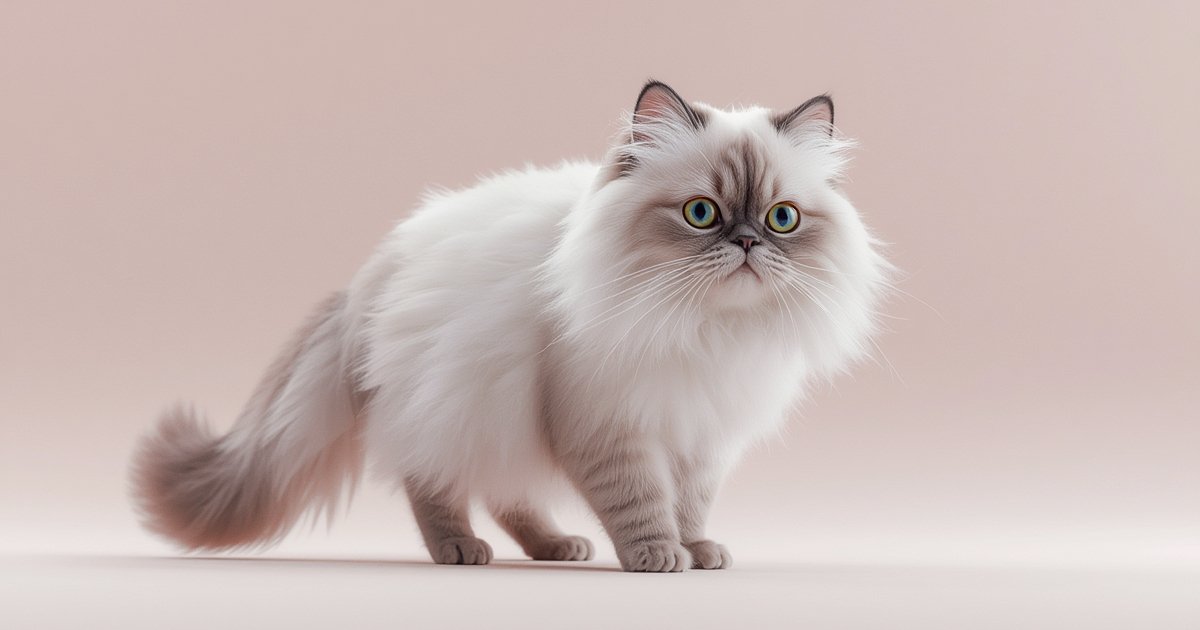
Your Persian cat, with its luxurious coat and sweet, docile demeanor, is a true masterpiece of feline beauty. But beneath that plush exterior and calm gaze lies a genetic predisposition to several health challenges that can silently compromise their well-being. Ensuring optimal Persian Health requires vigilance, proactive care, and a deep understanding of these specific vulnerabilities. By being informed about the common ailments specific to this beloved breed, you can take crucial steps to safeguard your cherished companion’s quality of life. This guide will equip you with essential knowledge about the top health concerns facing Persian cats in 2026.
Understanding the Unique Vulnerabilities of Persian Health
Persian cats are renowned for their distinctive flat faces, long flowing coats, and calm temperament. While these traits make them incredibly appealing, they also contribute to certain breed-specific health predispositions. Genetic factors, along with their unique physical characteristics, place them at a higher risk for several conditions that might not be as prevalent in other breeds. Proactive monitoring and early intervention are paramount for maintaining excellent Persian Health throughout their lives.
Many of these health problems are inherited, making responsible breeding practices crucial. However, even with the best breeding, vigilance from owners is irreplaceable. Regular veterinary check-ups are not just routine appointments; they are critical for catching subtle signs of developing issues before they become severe.
Why Proactive Monitoring is Essential for Persian Cats
The stoic nature of cats often means they hide signs of illness until a condition is quite advanced. For Persians, whose health can be subtly undermined by hereditary factors, proactive monitoring becomes even more important. Understanding potential issues allows you to observe your cat more closely for specific symptoms. This vigilance directly contributes to better long-term Persian Health outcomes.
– Regular at-home health checks, including inspecting their eyes, ears, teeth, and skin.
– Paying attention to changes in appetite, water consumption, litter box habits, and activity levels.
– Noticing any unusual breathing patterns or sounds, especially relevant for brachycephalic breeds.
– Maintaining a consistent grooming routine, which can also double as a health check.
Staying ahead of potential problems is the best defense. This includes not only physical examinations but also understanding the genetic background of your cat if possible. Knowledge truly is power when it comes to safeguarding your pet’s future.
Polycystic Kidney Disease (PKD): A Genetic Burden
Polycystic Kidney Disease (PKD) is arguably one of the most significant hereditary health concerns for Persian cats. This genetic disorder causes multiple cysts to form in the kidneys, gradually enlarging and impairing kidney function over time. It is inherited in an autosomal dominant manner, meaning only one copy of the affected gene is needed for a cat to develop the disease and pass it on to its offspring.
Symptoms typically do not appear until a cat is older, often between 3 to 10 years of age. This delayed onset makes early detection tricky without specific screening. Common signs include increased thirst, frequent urination, weight loss, lethargy, poor coat quality, and eventually, kidney failure. Maintaining excellent Persian Health requires screening for this condition.
Diagnosis and Management of PKD
The most reliable way to diagnose PKD is through a genetic test or an ultrasound scan of the kidneys. A simple cheek swab can determine if a cat carries the PKD gene, allowing breeders to make informed decisions and owners to understand their cat’s risk. Ultrasound is effective in detecting cysts even in young cats, typically by 7-8 months of age.
Unfortunately, there is no cure for PKD, but management focuses on slowing the progression of kidney disease and improving the cat’s quality of life. This often involves:
– Special prescription diets formulated for kidney health.
– Medications to control symptoms like nausea or high blood pressure.
– Increased water intake to support kidney function, often encouraged through wet food or water fountains.
– Regular veterinary check-ups to monitor kidney function through blood and urine tests.
Early diagnosis allows for earlier intervention, which can significantly extend the life and comfort of affected cats. This proactive approach is a cornerstone of responsible Persian Health management.
Brachycephalic Airway Syndrome (BAS): The Cost of a Flat Face
The hallmark flat face of the Persian cat, while adorable, predisposes them to Brachycephalic Airway Syndrome (BAS). This condition encompasses a combination of anatomical abnormalities that obstruct the upper airway, making breathing difficult. Common components include stenotic nares (narrow nostrils), an elongated soft palate, and everted laryngeal saccules.
Cats with BAS often exhibit noisy breathing, especially during activity or stress. Other symptoms can include snoring, gagging, difficulty eating, and heat intolerance. In severe cases, they may experience respiratory distress, collapse, or even sudden death. Addressing BAS is crucial for ensuring comfortable Persian Health.
Symptoms and Surgical Solutions for BAS
Recognizing the signs of BAS is the first step toward intervention. Owners might notice:
– Loud, labored breathing, even at rest.
– Snorting or gasping sounds.
– Open-mouth breathing more frequently.
– Reduced exercise tolerance.
– Episodes of choking or regurgitation.
Mild cases might be managed with weight control and avoiding overheating. However, many Persian cats with significant BAS require surgical correction to improve their breathing. Procedures include widening the nostrils (nares resection) and shortening the elongated soft palate. These surgeries can dramatically improve a cat’s quality of life and reduce the risk of secondary complications.
While surgery can alleviate symptoms, it’s essential for owners to be aware of the ongoing need for careful temperature regulation and stress avoidance. Ensuring a comfortable environment is a vital aspect of their long-term Persian Health.
Hypertrophic Cardiomyopathy (HCM): A Silent Heart Threat
Hypertrophic Cardiomyopathy (HCM) is the most common heart disease in cats, and Persian cats are recognized as a predisposed breed. This condition involves the thickening of the muscular walls of the heart, particularly the left ventricle, which makes it harder for the heart to pump blood effectively. HCM can lead to heart failure, blood clots, and sudden death.
Often, HCM progresses silently with no outward symptoms in its early stages. This makes routine veterinary screenings incredibly important. When symptoms do appear, they can include lethargy, loss of appetite, difficulty breathing, or open-mouth breathing due to fluid in the lungs (congestive heart failure).
Detection and Management of HCM for Optimal Persian Health
Diagnosis of HCM typically involves a veterinary cardiologist performing an echocardiogram (an ultrasound of the heart). This allows visualization of the heart’s structure and function. Genetic testing is also available for some breeds, including Persians, to identify a specific mutation associated with HCM. However, a negative genetic test doesn’t entirely rule out the disease, as other mutations or factors can contribute.
There is no cure for HCM, but medications can help manage the condition and improve the cat’s quality of life. These may include:
– Beta-blockers or calcium channel blockers to reduce heart rate and improve heart relaxation.
– Diuretics to reduce fluid accumulation in the lungs.
– Anticoagulants to prevent blood clot formation, a serious complication of HCM.
Regular follow-up echocardiograms are crucial to monitor the progression of the disease and adjust medication as needed. Early detection and proactive management are key components of safeguarding Persian Health when it comes to this serious heart condition.
Progressive Retinal Atrophy (PRA): Guarding Their Vision
Progressive Retinal Atrophy (PRA) is a group of inherited degenerative eye diseases that affect the retina, leading to progressive vision loss and eventual blindness. In Persian cats, a specific form of PRA, known as early-onset PRA, has been identified, meaning symptoms can appear in kittens or young adults.
Initially, affected cats may show signs of night blindness, becoming hesitant in dimly lit environments. As the disease progresses, their daytime vision will also deteriorate, eventually leading to complete blindness. Despite the severity of the disease, cats are remarkably adaptable to blindness, especially if it occurs gradually and they remain in a familiar environment.
Genetic Testing and Living with PRA
Genetic testing is available for the specific mutation causing early-onset PRA in Persian cats. This allows breeders to screen their breeding stock and avoid passing the gene to future generations. For pet owners, genetic testing can provide an early warning, allowing for preparation and adaptation.
If a Persian cat is diagnosed with PRA, management focuses on helping them adapt to their vision loss:
– Maintaining a consistent home environment by avoiding rearranging furniture.
– Keeping food, water, and litter boxes in familiar, easily accessible locations.
– Using scent cues or different textures on the floor to guide them.
– Ensuring their environment is safe, blocking off potential hazards like stairs or balconies.
While there is no treatment to reverse PRA, providing a safe, predictable, and loving environment allows cats with vision loss to lead full, happy lives. Awareness and genetic screening are vital for promoting optimal Persian Health and preserving their sight.
Idiopathic Facial Dermatitis (Dirty Face Syndrome): A Unique Skin Challenge
Idiopathic Facial Dermatitis (IFD), often colloquially known as “Dirty Face Syndrome,” is a skin condition almost exclusively seen in Persian and Himalayan cats. It manifests as crusting, matting, and inflammation around the eyes, nose, and mouth, often leading to a greasy, “dirty” appearance. The exact cause is unknown, hence “idiopathic,” but it’s believed to involve abnormal sebum production and potentially a secondary bacterial or yeast infection.
This condition is not just a cosmetic issue; it can be uncomfortable and itchy for the cat. If left unmanaged, the inflammation can worsen, leading to skin infections, hair loss, and even pain. Maintaining a clean face is key for good Persian Health.
Managing and Preventing IFD Flares
Managing IFD requires a consistent and dedicated approach. Treatment typically involves a multi-pronged strategy:
– **Daily Cleaning:** Gentle cleaning of the affected areas with a veterinarian-recommended antiseptic or medicated wipe is crucial to remove crusts and debris.
– **Topical Treatments:** Medicated shampoos, creams, or ointments may be prescribed to reduce inflammation and control secondary infections.
– **Systemic Medications:** In more severe cases, oral antibiotics or antifungals might be necessary to combat infections, and steroids could be used to control inflammation.
– **Grooming:** Keeping the facial fur trimmed short can help prevent matting and make cleaning easier.
Because the cause is unknown, prevention focuses on diligent hygiene and quick intervention at the first sign of a flare-up. Regular grooming and a keen eye for changes in their facial skin are vital for maintaining good Persian Health and preventing discomfort from IFD.
Dental Disease: More Than Just Bad Breath
Dental disease, encompassing gingivitis and periodontitis, is one of the most common health problems in cats overall, and Persian cats are particularly prone. Their brachycephalic (flat-faced) skull structure can lead to dental crowding and misalignment of teeth. This creates crevices where food particles and bacteria can easily accumulate, forming plaque and tartar.
Untreated dental disease can lead to painful infections, tooth loss, and even systemic health issues if bacteria from the mouth enter the bloodstream, affecting organs like the heart and kidneys. Bad breath (halitosis) is a primary indicator, but other signs include difficulty eating, pawing at the mouth, drooling, and visible redness or bleeding of the gums. Prioritizing dental care is essential for overall Persian Health.
Preventative Dental Care and Professional Cleanings
The cornerstone of dental health for Persian cats, and all felines, is preventative care. This includes:
– **Daily Brushing:** Regular brushing with a cat-specific toothpaste is the most effective way to remove plaque.
– **Dental Diets/Treats:** Certain foods and treats are designed to help reduce plaque and tartar buildup. Look for products approved by the Veterinary Oral Health Council (VOHC).
– **Water Additives:** Some additives can help reduce oral bacteria.
Despite best efforts at home, most cats will require professional dental cleanings under anesthesia at a veterinary clinic. During these cleanings, the vet will scale and polish the teeth, just like a human dentist, and can identify and address any underlying issues like resorptive lesions or extractions needed. Regular veterinary check-ups should always include an oral examination.
Early intervention and consistent home care are critical. Addressing dental health isn’t just about their teeth; it significantly impacts their overall Persian Health and quality of life.
Feline Lower Urinary Tract Disease (FLUTD): Stress, Diet, and Hydration
Feline Lower Urinary Tract Disease (FLUTD) is a broad term encompassing conditions that affect a cat’s bladder or urethra. While not exclusive to Persians, certain factors common in indoor, purebred cats, such as stress, diet, and hydration levels, can increase their susceptibility. This condition often manifests as painful, frequent, or difficult urination, and sometimes inappropriate urination outside the litter box.
The most common form of FLUTD is Feline Idiopathic Cystitis (FIC), where inflammation of the bladder occurs without a known cause, often linked to stress. Other causes can include urinary stones, bacterial infections, or anatomical defects. This can be a very uncomfortable condition for your cat and requires prompt veterinary attention to maintain proper Persian Health.
Recognizing Symptoms and Effective Management
Symptoms of FLUTD require immediate attention as they can indicate a painful blockage, which is a life-threatening emergency, especially in male cats. Look for:
– Straining to urinate (often mistaken for constipation).
– Frequent trips to the litter box, producing little urine.
– Crying or vocalizing while attempting to urinate.
– Urinating outside the litter box.
– Blood in the urine.
– Excessive licking of the genital area.
Diagnosis involves urinalysis, urine culture, blood tests, and imaging (X-rays or ultrasound) to identify the underlying cause. Treatment depends on the diagnosis but often includes:
– **Pain Management:** Medications to alleviate discomfort.
– **Dietary Changes:** Special prescription diets designed to promote urinary health, control pH, or dissolve certain types of stones.
– **Increased Water Intake:** Encouraging more water consumption through wet food, water fountains, or adding water to meals.
– **Stress Reduction:** For FIC, environmental enrichment, consistent routines, and potentially anti-anxiety medications can be vital.
Proactive measures, including a high-quality diet, ample fresh water, and a low-stress environment, are crucial for supporting urinary Persian Health. Never ignore signs of urinary issues; they are always a veterinary emergency.
Smart Health Monitoring Tools for Your Persian
In today’s connected world, technology offers exciting new ways to monitor your pet’s health and well-being. From smart litter boxes that track urinary habits to activity monitors and automatic feeders, these gadgets can provide valuable insights, helping you stay ahead of potential issues and support optimal Persian Health. While they don’t replace veterinary care, they can be powerful tools for proactive management.
Comparison of Top Smart Pet Health Gadgets
| Product | Price | Pros | Cons | Best For |
|---|---|---|---|---|
| Litter-Robot 4 | $699 | Self-cleaning, tracks weight, waste volume, frequency. Odor control. | High upfront cost, requires specific litter. | Multi-cat households, monitoring urinary health & weight changes. |
| PetSafe Smart Feed | $199 | Schedules meals, delivers precise portions, connects to smartphone. | Requires Wi-Fi, occasional jamming with certain kibble. | Weight management, consistent feeding schedules, remote feeding. |
| SureFeed Microchip Pet Feeder Connect | $229 | Only opens for specific microchipped cat, tracks consumption, app alerts. | High price, requires pet microchip or RFID tag. | Multi-pet homes (dietary separation), monitoring individual food intake for specific health conditions. |
| Vetri-Science Vetriscience Perio Support Powder | $30 | Easy to add to food, natural ingredients for dental health. | Not a substitute for brushing or professional cleaning. | Daily preventative dental care support. |
These tools offer convenience and data that can be incredibly helpful for early detection and ongoing management of health concerns. Integrating them into your routine can give you peace of mind and contribute significantly to maintaining excellent Persian Health.
Being a Persian cat parent is a deeply rewarding experience, but it comes with the responsibility of understanding and addressing their unique health needs. From genetic predispositions like PKD and HCM to structural issues like BAS and dental problems, and even skin conditions like Idiopathic Facial Dermatitis, awareness is your most powerful tool. Proactive care, including regular veterinary check-ups, genetic screening, and attentive observation, is not just recommended—it’s essential for ensuring your beloved Persian lives a long, healthy, and happy life. The health landscape for Persians in 2026 demands informed decisions and dedicated commitment.
By staying vigilant, embracing preventative strategies, and leveraging modern monitoring tools, you can actively shape a future of excellent Persian Health for your furry family member. Your dedication to their well-being will allow their regal personality and affectionate nature to shine brightest.
Got questions or want to share your Persian cat’s health journey? Reach out to us at [email protected] or connect with our community on social media!
Frequently Asked Questions (FAQ)
How often should my Persian cat visit the vet?
Adult Persian cats should have at least one annual wellness check-up. Kittens and senior cats (typically 7+ years) may require more frequent visits, as advised by your veterinarian, for vaccinations, early detection of age-related issues, or managing chronic conditions.
Is there a specific diet recommended for Persian cats?
While there isn’t one universal “Persian cat diet,” many veterinarians recommend high-quality, protein-rich wet food to ensure adequate hydration and support overall health. For cats with specific conditions like PKD or FLUTD, prescription diets may be necessary. Their brachycephalic structure can make eating certain kibble shapes difficult, so consider this when choosing dry food.
Can Persian cats be exercised like other breeds?
Persian cats are generally less active than some other breeds. While they enjoy play, their brachycephalic nature means they can become easily overheated and suffer respiratory distress with intense exercise. Short, gentle play sessions are best, especially in a cool environment. Always observe for signs of breathing difficulty.
How can I tell if my Persian cat is in pain?
Cats are masters at hiding pain. Signs can be subtle and include changes in behavior (lethargy, hiding, aggression), loss of appetite, changes in litter box habits, reluctance to move or jump, excessive grooming or not grooming at all, and vocalization when touched. Any noticeable change in behavior warrants a vet visit.
Are genetic tests always accurate for Persian cat health conditions?
Genetic tests are highly accurate for specific mutations they are designed to detect. For example, the test for PKD in Persians is very reliable. However, a negative test doesn’t guarantee a cat will never develop a condition, as other genes or environmental factors might be involved, or there could be other genetic mutations not covered by the test. They are powerful tools but should be used in conjunction with regular veterinary screenings.
References and Further Reading
- Cornell Feline Health Center – Polycystic Kidney Disease (PKD)
- American College of Veterinary Surgeons – Brachycephalic Syndrome
- Cornell Feline Health Center – Hypertrophic Cardiomyopathy
- VCA Animal Hospitals – Idiopathic Facial Dermatitis in Cats
- AAHA – Dental Care Guidelines for Dogs and Cats
- American Association of Feline Practitioners – Feline Lower Urinary Tract Disease
Leave a Reply