

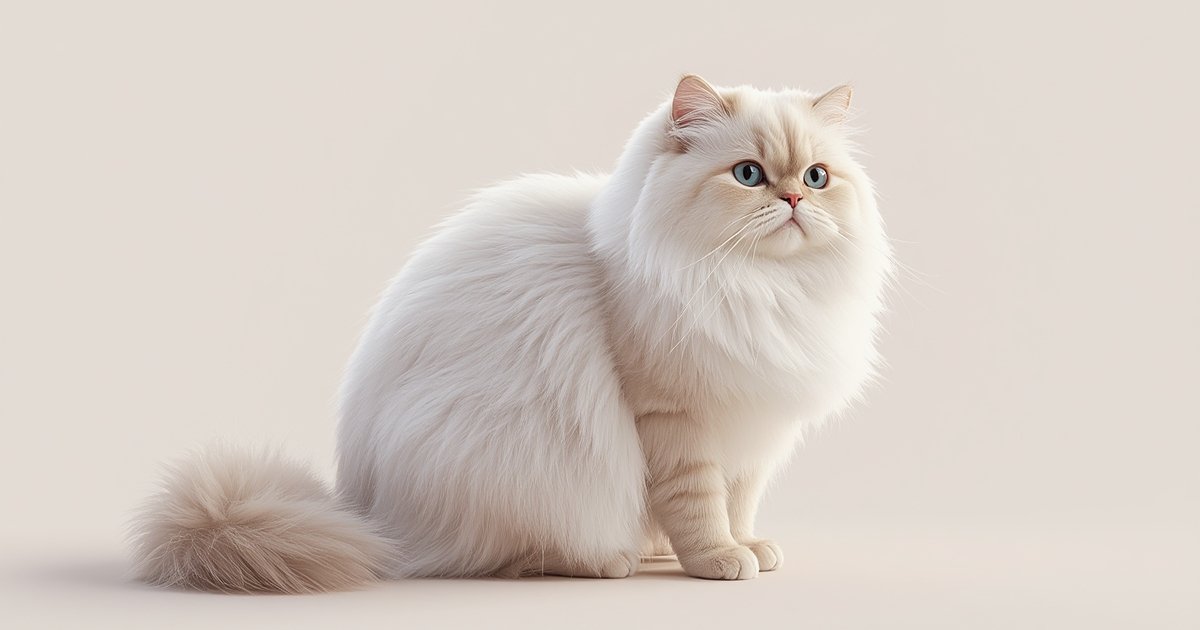
Meta Description: Unlock the secrets to a flawless Persian cat coat in 2026. This guide covers essential grooming techniques, tools, and tips for maintaining your fluffy feline’s magnificent mane.
Embracing the Majesty: Understanding Your Persian Cat’s Coat
The iconic Persian cat, with its luxurious long coat and sweet, expressive face, is a picture of feline elegance. However, maintaining that magnificent mane requires dedication and knowledge. For any Persian owner, understanding the unique challenges of Persian grooming is the first step towards ensuring their beloved pet remains healthy, happy, and stunningly beautiful. A well-groomed Persian isn’t just about aesthetics; it’s vital for their comfort and overall well-being.
Unlike many short-haired breeds, Persians possess a double coat: a soft, dense undercoat and a long, flowing topcoat. This combination, while beautiful, is prone to matting, tangling, and accumulating dirt and debris. Effective Persian grooming prevents painful knots, skin issues, and even potential digestive problems from excessive hair ingestion. Establishing a consistent routine early on will make the process easier for both you and your feline companion.
Essential Tools for Effective Persian Grooming
Equipping yourself with the right arsenal of grooming tools is paramount for successful Persian grooming. Trying to tackle a thick Persian coat with inadequate tools will lead to frustration for both you and your cat. Investing in high-quality items designed specifically for long-haired breeds will make the entire process more efficient and enjoyable, ultimately resulting in a happier, healthier cat with a gorgeous, tangle-free coat.
The market offers a wide array of brushes, combs, and bathing products, so choosing the best ones can be daunting. We’ve outlined the key categories of tools you’ll need and provided a comparison of top picks to help you make informed decisions. Remember, regular use of these tools, combined with patience and positive reinforcement, will transform grooming into a bonding experience.
Key Grooming Tools You’ll Need
– **Slicker Brush:** Essential for removing loose hair and detangling the outer coat. Look for one with fine, flexible wires.
– **Metal Comb (Fine and Wide-toothed):** A dual-sided comb is crucial for getting through mats and ensuring the undercoat is thoroughly brushed. The wide teeth are for initial detangling, and the fine teeth for finishing and checking for small knots.
– **Pin Brush:** Great for general brushing, stimulating skin circulation, and distributing natural oils.
– **Undercoat Rake:** Designed to gently remove loose undercoat without damaging the topcoat, significantly reducing shedding and preventing mats.
– **Grooming Scissors (Blunt-nosed):** For carefully trimming around sensitive areas like the eyes, paws, and sanitary regions. Always use blunt-nosed scissors for safety.
– **Nail Clippers:** Choose clippers specifically designed for cats. Guillotine or scissor-style clippers are common.
– **Cat-Specific Shampoo and Conditioner:** Never use human products, as they can irritate your cat’s skin and dry out their coat. Opt for tear-free, moisturizing formulas.
– **Cotton Balls or Pads:** For cleaning ears and around the eyes.
– **Ear Cleaner:** A vet-approved solution for gentle ear cleaning.
Comparison of Top Persian Grooming Tools (2026)
| Product | Price | Pros | Cons | Best For |
|---|---|---|---|---|
| PawPals Pro Slicker Brush | $25 | Excellent for removing loose hair and small mats, comfortable grip. | Wires can bend if not stored carefully. | Daily detangling and removing shedding fur. |
| FurryFriends Dual-Sided Metal Comb | $18 | Two tooth densities for versatility, durable stainless steel construction. | Can pull hair if used too aggressively on large mats. | Thorough undercoat work and finishing touches. |
| SilkyCoat Deshedding Rake | $35 | Effectively removes dense undercoat, significantly reduces shedding. | Higher price point, requires careful use to avoid skin irritation. | Seasonal heavy shedding and preventing deep mats. |
| Purrfect Paws Cat Nail Clippers | $15 | Ergonomic design, sharp blades for clean cuts, integrated safety guard. | Blades may dull over time with very thick nails. | Regular nail maintenance and preventing overgrown claws. |
| Fluffy Feline Hydrating Shampoo & Conditioner | $30 | Gentle, tear-free formula, leaves coat soft and shiny, pleasant scent. | Requires thorough rinsing, may be too rich for very oily coats. | Bathing and conditioning for sensitive skin and dry coats. |
The Daily and Weekly Grooming Ritual: Mastering Brushing Techniques
A consistent brushing routine is the cornerstone of effective Persian grooming. Daily brushing is ideal to prevent mats from forming, while weekly deeper sessions can ensure every strand is cared for. This commitment will save you from the stress and expense of professional dematting, and more importantly, prevent discomfort for your cat. Making grooming a positive experience from a young age is key to long-term success.
Start with short, positive sessions and gradually increase duration as your cat becomes accustomed to it. Always offer praise and treats. Remember, patience is your most valuable tool. Never force your cat if they are resistant; instead, try again later or break the session into smaller segments.
Step-by-Step Brushing Guide for Persian Cats
1. **Preparation:** Find a quiet, comfortable spot. Place your cat on a non-slip surface, like a grooming table or a towel on your lap. Gather all your tools before you begin.
2. **Initial Detangling with a Wide-toothed Comb:** Gently work through the coat, starting from the extremities (paws, tail) and moving towards the body. Hold the hair at the root while combing to minimize pulling. Address any small tangles carefully.
3. **Slicker Brush for Loose Hair:** Use the slicker brush in short, gentle strokes, working in the direction of hair growth. This helps remove loose hair and smooth out the topcoat. Pay special attention to areas prone to matting, such as under the legs, behind the ears, and around the tail.
4. **Undercoat Rake (Weekly):** For weekly deeper sessions, use the undercoat rake. Work in sections, gently pulling through the dense undercoat to remove shedding hair that the slicker brush might miss. This is crucial for preventing mats from forming deep within the coat.
5. **Pin Brush for Finishing:** Finish with a pin brush to add shine and stimulate blood circulation, which promotes a healthy coat. This also helps to distribute natural oils throughout the fur.
6. **Check with a Fine-toothed Comb:** Once you believe the coat is free of tangles, run a fine-toothed metal comb through the entire coat. If the comb glides smoothly, you’ve done an excellent job. If it catches, you’ve found a hidden tangle that needs to be addressed.
7. **Address Mats (Carefully!):** If you encounter a mat, do not pull aggressively. Try to gently work it apart with your fingers first. Then, use the wide-toothed comb to tease the mat out, starting from the edges. If a mat is too tight or large, it’s safer to use blunt-nosed scissors to carefully cut it out, always pointing away from the skin. For severe mats, a professional groomer is the safest option.
Bathing Your Persian: A Guide to Spotless Silky Fur
While daily brushing is essential, bathing is an integral part of comprehensive Persian grooming, typically needed every 4-6 weeks, or more often if your cat gets particularly dirty. Persian cats, especially those with lighter coats, can accumulate oils and debris that lead to greasy, clumpy fur and skin issues if not bathed regularly. A good bath helps maintain the coat’s natural luster and prevents serious matting.
Preparing for bath time can make a significant difference. Have everything within reach before you start: shampoo, conditioner, towels, and a non-slip mat for the tub or sink. Remember, a cat’s first few baths might be stressful, but with patience and a gentle approach, most Persians can learn to tolerate, and even enjoy, their bathing routine. Consistency helps.
The Art of Bathing Your Persian Cat
1. **Pre-Bath Brush:** Thoroughly brush your cat before the bath to remove as many tangles and loose hairs as possible. Mats will tighten when wet, making them nearly impossible to remove without professional intervention or shaving.
2. **Water Temperature and Setup:** Fill a sink or tub with 3-4 inches of lukewarm water (about body temperature). Place a non-slip mat on the bottom. Have a pitcher or cup ready for rinsing.
3. **Wetting the Coat:** Gently place your cat in the water. Use a cup or shower sprayer on a low setting to thoroughly wet their coat, avoiding their face and ears. You can use a damp cotton ball to wipe their face.
4. **Shampoo Application:** Apply a small amount of cat-specific shampoo, starting from the neck and working your way down the body, including the legs and tail. Gently massage the shampoo into the coat, ensuring it reaches the skin. Be extra gentle around the face and eyes.
5. **Rinsing:** This is the most crucial step. Rinse thoroughly until no shampoo residue remains. Residue can irritate the skin and dull the coat. Use clear, running water and check carefully, especially under the armpits and around the sanitary area.
6. **Conditioner (Optional but Recommended):** For long-haired breeds like Persians, a good conditioner can help detangle and moisturize the coat, making it softer and shinier. Apply as directed, usually leaving it on for a few minutes before rinsing.
7. **Final Rinse:** Rinse one last time to ensure all conditioner is removed.
8. **Towel Drying:** Wrap your cat immediately in a large, absorbent towel. Gently blot and squeeze excess water from the coat. Do not rub vigorously, as this can create tangles.
9. **Blow Drying (Optional):** Many Persians benefit from careful blow-drying, especially in cooler climates, to prevent chills and ensure the undercoat is completely dry. Use a pet-specific dryer on a low, cool setting. Keep the dryer moving constantly to avoid overheating any area. Brush through the coat as you dry to prevent tangles and achieve a fluffy finish. If your cat tolerates it, this helps prevent mats.
10. **Post-Bath Brush:** Once the coat is completely dry, give your Persian a final brush-through to ensure it’s free of any new tangles and to fluff it out.
Beyond the Brush: Nail Trims, Ear Cleaning, and Dental Care
While coat care is central to Persian grooming, a holistic approach includes other vital aspects of hygiene. Neglecting these areas can lead to health problems, discomfort, and even infections for your feline friend. Integrating these tasks into your regular routine will ensure your Persian is healthy from head to paw.
Consistency is key for all these tasks, just as it is for brushing and bathing. Start early in your cat’s life to help them get used to being handled, making these essential procedures much less stressful for everyone involved. Regular checks can also help you spot potential health issues early, allowing for timely veterinary intervention.
Nail Trimming
Trimming your Persian’s nails every 2-4 weeks prevents them from becoming too long, which can cause discomfort, make walking difficult, or even lead to ingrown nails.
– **Technique:** Gently press on your cat’s paw pad to extend the claw. Identify the “quick,” the pink part containing blood vessels and nerves. Only snip the very tip of the white nail, avoiding the quick. Cutting into the quick is painful and can cause bleeding.
– **Safety:** Always use sharp, cat-specific nail clippers. If you’re unsure, ask your vet or a professional groomer for a demonstration. Keep styptic powder handy in case you accidentally cut too far.
Ear Cleaning
Persians can have more earwax buildup due to their facial structure and coat. Inspect your cat’s ears weekly and clean them as needed, typically every 2-4 weeks.
– **Technique:** Use a vet-approved ear cleaner and cotton balls or pads. Apply a few drops of cleaner into the ear canal (as per product instructions) and gently massage the base of the ear for 30 seconds. Allow your cat to shake their head. Then, use a clean cotton ball wrapped around your finger to gently wipe away any visible dirt or wax from the outer ear and ear folds.
– **Caution:** Never use cotton swabs inside the ear canal, as this can push debris deeper or damage the eardrum. If you notice a foul odor, excessive discharge, redness, or your cat is shaking their head frequently, consult your vet immediately, as these could be signs of an ear infection.
Dental Care
Dental hygiene is often overlooked but crucial for your cat’s overall health. Poor dental health can lead to painful gum disease, tooth loss, and even affect internal organs.
– **Brushing:** Ideally, brush your cat’s teeth daily using a cat-specific toothbrush and toothpaste (never human toothpaste). Start slowly, allowing them to lick the toothpaste first, then gradually introduce the brush. Focus on the outer surfaces of the teeth.
– **Alternatives:** If daily brushing isn’t feasible, consider dental treats, dental-specific diets, or water additives recommended by your vet.
– **Professional Cleanings:** Regular veterinary check-ups should include a dental examination. Many vets recommend professional dental cleanings under anesthesia every few years, depending on your cat’s individual needs.
Common Grooming Mistakes to Avoid and Expert Tips for Flawless Persian Grooming
Even with the best intentions, it’s easy to fall into common pitfalls when it comes to Persian grooming. Recognizing these mistakes and adopting expert advice can elevate your grooming game, ensuring your beloved feline’s coat remains flawless and their well-being is prioritized. Avoid unnecessary stress and potential health issues by learning from common errors.
Remember, every Persian cat is an individual, and what works perfectly for one may need slight adjustments for another. Observe your cat’s reactions, be patient, and don’t hesitate to seek professional help when needed. A partnership with a skilled professional groomer can be invaluable, especially for challenging situations.
Mistakes to Avoid
– **Ignoring Small Mats:** A small mat today is a large, painful mat tomorrow. Address tangles immediately. Waiting only makes the problem worse and more difficult to resolve without pain or shaving.
– **Using Human Products:** Human shampoos and conditioners are not pH-balanced for cats and can strip their skin of natural oils, leading to dryness, irritation, or allergic reactions. Always use cat-specific products.
– **Aggressive Brushing:** Pulling too hard on tangles or mats can hurt your cat, making them fear grooming sessions. Always be gentle and patient.
– **Skipping Regular Baths:** While some owners try to avoid bathing, regular baths (every 4-6 weeks) are crucial for Persian coats. They remove excess oils, dander, and dirt that contribute to matting and skin issues.
– **Neglecting Sanitary Trims:** Hair around the sanitary area can become soiled, leading to hygiene issues and discomfort. Regular trims are essential.
– **Not Introducing Grooming Early:** Starting grooming practices when your Persian is a kitten helps them become accustomed to the routine, making future sessions much easier.
– **Lack of Patience:** Grooming a Persian takes time and patience. Rushing through it will only cause stress for both of you and lead to a less effective outcome.
Expert Tips for Optimal Persian Grooming
– **Establish a Routine:** Consistency is key. Daily short brushing sessions and regular deeper dives will keep the coat manageable.
– **Positive Reinforcement:** Always associate grooming with positive experiences. Offer treats, praise, and cuddles before, during, and after sessions.
– **”Line Brushing” Technique:** This advanced technique ensures you reach the undercoat. Part the hair in sections, and brush one layer at a time, working your way up from the bottom. This prevents hidden mats.
– **Invest in a Grooming Table:** A sturdy, non-slip grooming table at waist height can save your back and provide a stable surface for your cat, making the process more efficient.
– **Sanitary Trim:** Regularly trim the fur around your cat’s rear end and undercarriage to prevent fecal matter from getting stuck. Use blunt-nosed scissors cautiously.
– **Eye Care:** Persians are prone to tear staining. Gently wipe around their eyes daily with a damp cotton ball or a special tear stain remover approved for cats.
– **Professional Help:** Don’t hesitate to consult a professional groomer for challenging mats, lion cuts (a popular option for heavily matted Persians), or if you simply need a break from the intensive routine. Professional groomers have specialized tools and expertise to handle difficult situations safely and efficiently.
– **Hydration and Nutrition:** A high-quality diet rich in Omega-3 and Omega-6 fatty acids contributes significantly to a healthy, shiny coat from the inside out. Ensure your cat has constant access to fresh water.
Maintaining the glorious coat of a Persian cat is a commitment, but the rewards are immeasurable. A well-groomed Persian is not only beautiful but also healthier and happier. By implementing these detailed Persian grooming strategies and investing in the right tools, you’re set to unlock the silky secrets for a flawless coat in 2026 and beyond. Regular care prevents discomfort, promotes bonding, and ensures your feline companion lives their best, most magnificent life.
Remember, consistent effort and a loving touch are the most powerful tools in your grooming kit. For more insights on feline care, or to connect with other dedicated Persian owners, explore our community resources. Your cat deserves nothing less than a life of comfort and elegance.
Frequently Asked Questions (FAQ)
How often should I groom my Persian cat?
Ideally, Persian cats should be brushed daily to prevent mats and tangles from forming. A deeper grooming session, including thorough brushing and potential undercoat raking, should be done weekly. Baths are typically needed every 4-6 weeks, or more frequently if your cat gets dirty.
What is the best type of brush for a Persian cat?
A combination of tools works best. A slicker brush is excellent for the topcoat and general detangling, a metal comb (wide and fine-toothed) is crucial for the undercoat and mat checks, and an undercoat rake is highly recommended for shedding seasons.
Is it okay to shave my Persian cat?
Shaving a Persian cat (often into a “lion cut”) can be a good option for severe matting that cannot be brushed out, or for cats who struggle with heat in warmer climates. It should always be done by a professional groomer, as it requires specialized tools and expertise to avoid injuring the cat’s delicate skin.
How can I prevent mats in my Persian cat’s fur?
The best way to prevent mats is through consistent daily brushing, focusing on areas prone to tangles like under the legs, behind the ears, and around the sanitary area. Regular bathing with appropriate shampoo and conditioner also helps keep the coat healthy and less prone to matting.
My Persian cat hates grooming. What can I do?
Start with short, positive grooming sessions, offering treats and praise. Gradually increase the duration as your cat becomes more comfortable. Use a gentle touch and never force them. If they’re highly resistant, consider consulting a professional groomer or your vet for advice on desensitization techniques or calming aids.
Leave a Reply