

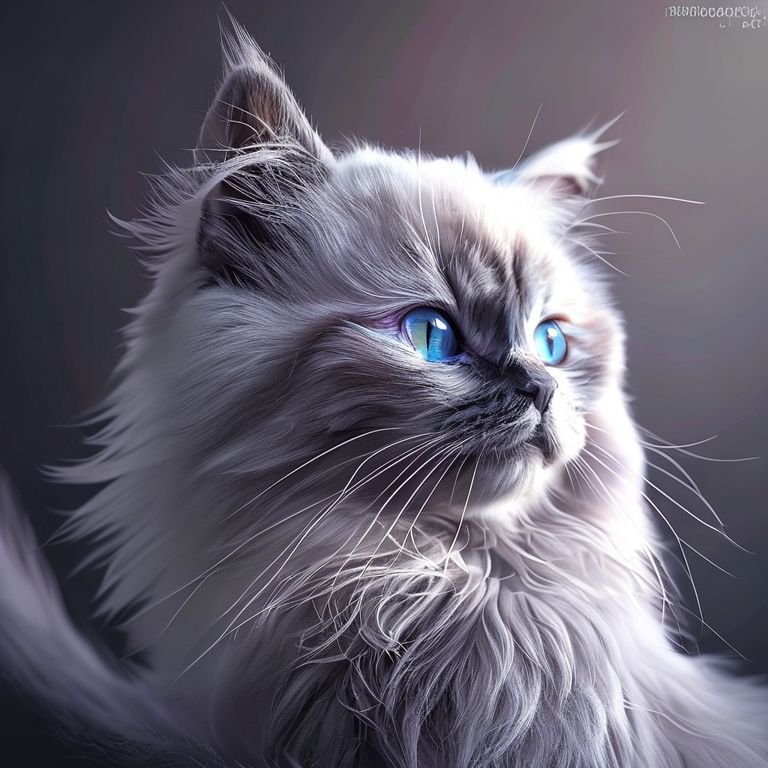
Meta Description: Unlock the secrets to a magnificent coat for your Persian cat in 2026. Discover expert grooming tips, essential tools, and daily routines for a healthy, happy feline.
The Majestic World of Persian Grooming: Beyond Just a Pretty Face
The Persian cat, with its luxurious long coat and sweet, expressive face, is undeniably one of the most beautiful breeds. However, maintaining that breathtaking beauty requires dedication and specific care. Effective Persian grooming isn’t just about aesthetics; it’s vital for your cat’s health, comfort, and overall well-being. From preventing painful mats to reducing shedding, mastering the art of Persian grooming is a commitment that truly pays off, ensuring your feline companion remains magnificent and content for years to come.
In this comprehensive guide, we’ll delve into expert grooming secrets for 2026, offering actionable strategies to keep your Persian’s coat pristine. We’ll cover everything from daily routines to advanced techniques, ensuring your beloved cat enjoys the pampering they deserve.Understanding Your Persian’s Unique Coat
The hallmark of a Persian cat is its distinctive, long double coat. This coat consists of a dense undercoat and long, silky guard hairs, which can reach up to 8 inches in length. While stunning, this opulent fur is also highly prone to tangles, mats, and the accumulation of dirt and debris. Understanding its structure is the first step in successful Persian grooming.
Unlike many other breeds, a Persian’s coat requires daily attention. Neglecting their grooming regimen for even a few days can lead to severe matting, which is not only uncomfortable but can also cause skin infections and pain. The texture can vary slightly, from cottony to silkier, but all require diligent care.
The Science Behind the Sheen: Coat Structure Explained
A Persian cat’s coat is designed for insulation, providing warmth in colder climates. The dual-layer system means that loose undercoat hairs can easily get trapped within the longer topcoat, forming dense clumps if not regularly brushed out. This is why regular brushing is paramount in effective Persian grooming.
Additionally, Persian cats produce natural oils that help keep their skin and coat healthy. However, if not distributed properly through brushing, these oils can build up, leading to greasiness and dullness. Proper grooming helps stimulate oil production and spread it evenly, maintaining that iconic sheen.
Common Coat Challenges and How to Address Them
Even with the best intentions, Persian owners often face several common coat challenges. These include matting, excessive shedding, and eye staining, all of which require specific approaches for effective management.
– **Matting:** This is the most prevalent issue. Mats form when fur becomes tangled and compacts, often in areas of high friction like under the legs, behind the ears, or around the tail. Regular, thorough brushing is the primary defense.
– **Shedding:** Persians are heavy shedders, especially during seasonal changes. While you can’t stop shedding entirely, consistent brushing removes loose hair, significantly reducing the amount found around your home and ingested by your cat.
– **Eye Staining:** Due to their brachycephalic (flat) faces, Persians often have tear duct issues leading to brown or reddish stains beneath their eyes. Daily cleaning with a damp cloth or specialized tear stain remover is essential to prevent buildup and irritation.
Essential Tools for Superior Persian Grooming
Equipping yourself with the right tools is non-negotiable for successful Persian grooming. Investing in high-quality brushes, combs, and bathing supplies will make the process easier for both you and your cat, transforming grooming from a chore into a bonding experience.
Having a dedicated grooming kit ensures you’re always prepared. Consider durability and ergonomic design when selecting your tools, as you’ll be using them frequently. Remember, cheaper tools often break faster or can be less effective, potentially causing discomfort for your cat.
Must-Have Brushes and Combs
No single brush does it all for a Persian. A combination of tools is needed to tackle the various layers and types of hair. Each serves a distinct purpose in keeping the coat healthy and mat-free.
– **Slicker Brush:** Ideal for removing loose hair from the undercoat and detangling minor knots. Choose one with fine, bent wire bristles that are gentle on the skin. Use with light, short strokes.
– **Metal Comb (Wide-toothed and Fine-toothed):** This is your most important tool for identifying and working out mats. Start with the wide-toothed end to gently separate larger tangles, then move to the fine-toothed end for finishing and checking for small knots. Always comb down to the skin.
– **Pin Brush:** Useful for general brushing, especially on longer topcoat hairs, and for distributing natural oils. The pins should have rounded tips to avoid scratching the skin.
– **Rubber Grooming Mitt:** Great for removing loose surface hair and providing a gentle massage, which many cats enjoy. Can be used daily for a quick touch-up.
Bathing Supplies and Nail Care
Bathing a Persian cat is a ritual in itself, and requires the right products to avoid stripping essential oils or irritating their sensitive skin. Nail care is also an often-overlooked but crucial part of their overall hygiene.
– **Cat-Specific Shampoo and Conditioner:** Always use products formulated for cats, ideally those designed for long-haired breeds. Look for gentle, moisturizing formulas that won’t dry out the skin. Avoid human shampoos entirely.
– **Blotting Towels:** Have several absorbent towels ready to blot excess water after the bath. Consider a pet dryer designed for cats with a low heat setting to speed up drying without causing discomfort or fear.
– **Nail Clippers:** Choose clippers specifically designed for cats. A guillotine style or scissor-style clipper works well. Always have styptic powder on hand in case you accidentally cut too far back into the quick.
Comparison of Essential Grooming Gadgets for 2026
The grooming world is constantly evolving, with new gadgets promising to make Persian grooming easier and more efficient. Here’s a look at some popular and effective tools you might consider adding to your kit.
| Product | Price | Pros | Cons | Best For |
|---|---|---|---|---|
| Dyson Pet Grooming Kit | $129-$169 | Vacuum attachment for shedding control, self-cleaning slicker brush, hygienic. | High initial cost, requires compatible Dyson vacuum, some cats may fear vacuum noise. | Reducing shedding significantly, keeping home clean, efficient hair removal. |
| Pet Grooming Scissors Set (Blunt-tip) | $25-$45 | Essential for safely trimming mats and small tangles, precision work around eyes/paws. | Requires careful handling to avoid nicks, not for large mats, needs regular sharpening. | Detail work, safely removing small mats, trimming hygiene areas. |
| Force Dryer (Low-Heat Pet Dryer) | $150-$300 | Dramatically reduces drying time after baths, helps blow out loose undercoat, less matting. | Can be noisy for sensitive cats, requires practice to use effectively. | Professional-level drying, thorough undercoat removal, preventing mats after bathing. |
| Deshedding Tool (e.g., Furminator Long Hair) | $30-$50 | Excellent for removing significant amounts of loose undercoat, reduces shedding. | Can cut guard hairs if overused or used improperly, not for tangled coats. | Seasonal shedding, maintaining a healthy undercoat, preventing hairballs. |
| Tear Stain Remover Wipes (Gentle Formula) | $15-$25 | Convenient, pre-moistened for quick daily cleaning, helps prevent stain buildup. | Requires consistent use for best results, may not remove old, deep stains. | Daily eye area hygiene, preventing new tear stains, gentle for sensitive skin. |
Mastering the Daily Persian Grooming Routine
Consistency is key when it comes to keeping your Persian’s coat in top condition. A daily grooming routine prevents problems before they start, making the process quicker and more pleasant for everyone involved. This routine should become a regular part of your cat’s day.
Establishing a routine early in your cat’s life helps them become accustomed to the process. Positive reinforcement, such as treats and praise, can create a positive association with Persian grooming sessions.
Step-by-Step Daily Brushing Protocol
Daily brushing is the cornerstone of effective Persian grooming. It helps remove loose hair, prevent mats, stimulate circulation, and distribute natural oils.
1. **Gather Your Tools:** Have your slicker brush and metal comb ready. Find a quiet, comfortable spot where your cat feels secure.
2. **Start Gently:** Begin with the slicker brush, using short, gentle strokes, working from head to tail. Pay close attention to areas prone to matting: under the legs, behind the ears, and around the ruff and britches.
3. **Work in Sections:** Instead of trying to brush the entire cat at once, divide the coat into manageable sections. Lift the topcoat and brush the undercoat first, then lay the topcoat back down and brush through.
4. **Follow with a Metal Comb:** After slicker brushing, go through the entire coat with your metal comb. This is crucial for catching any small tangles the slicker brush might have missed. If the comb snags, gently work out the tangle with the wide-toothed end before proceeding.
5. **Address Eye and Nose Areas:** Gently wipe your cat’s eyes and nose with a damp cloth or specialized pet wipe to remove any discharge and prevent staining. This is a critical part of comprehensive Persian grooming.
6. **Check for Mats:** Run your fingers through their coat after combing, feeling for any small knots or mats. Address them immediately, as they grow quickly.
Dealing with Mats and Tangles Safely
Despite daily brushing, mats can sometimes form. It’s vital to address them promptly and safely to prevent discomfort and skin issues.
– **Small Tangles:** For minor tangles, sprinkle a little cornstarch on the mat. Gently work it in with your fingers, then use the wide-toothed comb to tease the strands apart from the outside in. Never pull directly on the mat.
– **Larger Mats:** If a mat is too large or tight to comb out, it might need to be carefully trimmed. Use blunt-nosed grooming scissors, inserting the blunt tip *under* the mat, parallel to the skin, and carefully snip upwards. Always err on the side of caution. If unsure, consult a professional groomer.
– **Never Pull or Rip:** Attempting to pull or rip out mats will cause severe pain and can injure your cat’s skin. Patience and gentle technique are paramount.
Bathing Techniques for a Flawless Persian Coat
Bathing is an essential, albeit sometimes challenging, part of Persian grooming. Regular baths (typically every 4-6 weeks) help remove dirt, excess oils, and loose hair that brushing alone can’t tackle. Proper technique is crucial for a positive experience.
Acclimating your Persian to bathing from a young age can make the process much smoother. Always speak in a calm, soothing voice and offer treats.
Pre-Bath Preparation and Setup
Preparation is key to a successful bath. Having everything ready beforehand minimizes stress and speeds up the process.
1. **Brush Thoroughly:** Always brush your cat meticulously *before* bathing. Water will tighten any existing mats, making them impossible to remove once wet.
2. **Gather Supplies:** Have cat-specific shampoo, conditioner, a couple of towels, a rubber mat for the tub (to prevent slipping), and cotton balls ready. The cotton balls can be placed gently in your cat’s ears to prevent water from entering.
3. **Prepare the Water:** Fill the tub or basin with 3-4 inches of lukewarm water. Test the temperature on your wrist to ensure it’s comfortable for your cat. Too hot or too cold can be shocking.
4. **Stay Calm:** Your cat will pick up on your anxiety. Maintain a calm, confident demeanor. Having an extra pair of hands can be very helpful.
The Bathing Process: Step-by-Step
A gentle and efficient bathing process will help keep your Persian calm and cooperative.
1. **Wet the Coat:** Gently place your cat in the tub. Use a handheld sprayer or a cup to thoroughly wet their coat, avoiding their face directly. Start from the neck and work your way down.
2. **Apply Shampoo:** Dilute cat shampoo with a little water in a separate cup to make it easier to distribute. Gently massage the shampoo into the coat, ensuring it reaches the skin. Work up a gentle lather, paying attention to greasy areas. Be careful around the eyes and ears.
3. **Rinse Thoroughly:** This is arguably the most critical step in Persian grooming. Rinse the shampoo out completely. Any residue left behind can cause skin irritation, flaking, or attract dirt faster. Rinse until the water runs clear and the coat feels squeaky clean.
4. **Apply Conditioner:** Follow with a cat-specific conditioner, which helps to moisturize the skin and detangle the coat. Leave it on for the recommended time, then rinse thoroughly once more.
5. **Face Washing:** Use a damp washcloth or a specially formulated tear stain wipe to gently clean your cat’s face, being extremely careful around the eyes and inside the ears.
Drying Techniques to Prevent Matting
Improper drying can lead to new mats forming quickly, negating all your hard work. Patience is key during this stage of Persian grooming.
1. **Blot, Don’t Rub:** Immediately after rinsing, lift your cat out and gently blot their fur with a towel. Do not rub vigorously, as this can tangle the coat and create mats.
2. **Towel Wrap:** Wrap your cat in a fresh, dry towel for 10-15 minutes to absorb as much moisture as possible. You may need to use a second towel.
3. **Blow Drying:** Use a low-heat, pet-specific blow dryer. Never use a human hairdryer on high heat, as it can burn your cat’s skin. While blow-drying, continuously brush the coat with a slicker brush or pin brush to prevent tangles and ensure thorough drying down to the skin. Work in sections, just like when brushing dry.
4. **Air Drying (Caution):** If your cat absolutely cannot tolerate a blow dryer, ensure they are in a warm, draft-free environment. However, air drying a long-haired Persian significantly increases the risk of matting, so monitor closely and brush frequently as they dry.
5. **Final Comb-Through:** Once completely dry, perform a final, thorough comb-through with your metal comb to ensure no tangles formed during the drying process. This final step is crucial for perfect Persian grooming.
Advanced Tips and Troubleshooting for Persian Grooming
Even with a solid routine, you might encounter specific challenges or seek ways to elevate your Persian grooming game. These advanced tips can help you address more persistent issues and maintain peak coat health.
Sometimes, external factors or even your cat’s diet can influence their coat quality. Addressing these aspects can complement your grooming efforts.
Managing Seasonal Shedding and Hairballs
Persians are known for their dense coats and corresponding shedding. This can lead to hairballs, which are not only unpleasant for you but can be dangerous for your cat.
– **Increase Brushing Frequency:** During shedding seasons (typically spring and fall), increase your brushing sessions to twice a day if possible. A deshedding tool can also be highly effective during these times, but use sparingly to avoid coat damage.
– **Dietary Support:** Consider adding a hairball control food or supplement to your cat’s diet. These often contain fiber that helps ingested hair pass through the digestive system more easily. Consult your vet before making significant dietary changes.
– **Hydration:** Ensure your cat has access to plenty of fresh water. Good hydration supports overall skin and coat health and can aid digestion.
Addressing Persistent Tear Stains and Facial Care
Tear stains are a common aesthetic concern for Persians. While they can be challenging to eliminate entirely, consistent care can minimize their appearance and prevent irritation.
– **Daily Cleaning:** Use a damp, soft cloth or specialized tear stain wipes every day to gently clean the area around your cat’s eyes. Wipe away any discharge before it dries and stains the fur.
– **Professional Products:** There are various over-the-counter tear stain removers available. Look for products that are safe for use around the eyes and free from harsh chemicals. Some contain natural enzymes or mild bleaching agents. Always follow product instructions carefully.
– **Underlying Health Issues:** If tear staining is excessive, sudden, or accompanied by redness, swelling, or discomfort, consult your veterinarian. There might be an underlying medical issue, such as blocked tear ducts, allergies, or an infection, that requires treatment.
– **Regular Facial Trims:** For show cats or those with very long facial hair, a very gentle trim around the eyes with blunt-nosed scissors can help prevent hair from wicking tears onto the face, reducing staining. This should only be done by an experienced hand.
When to Call a Professional Groomer
While DIY Persian grooming is achievable, there are times when professional help is invaluable. Don’t hesitate to seek expertise when needed.
– **Severe Matting:** If your cat has extensive, tight mats that you cannot safely remove, a professional groomer or veterinarian can humanely shave them down. Attempting to cut out severe mats yourself can result in serious injury.
– **Grooming Phobia:** If your cat becomes highly stressed, aggressive, or fearful during grooming sessions, a professional can often handle them more effectively, potentially using specialized techniques or tools to reduce anxiety.
– **Show Preparation:** For owners of show Persians, professional groomers have the expertise to achieve the perfect show-ready coat, understanding breed standards and specific styling requirements.
– **Regular Maintenance:** Even if you groom at home, an occasional visit to a professional can provide a deep clean, thorough deshedding, and a fresh start for your at-home maintenance. They can also offer personalized tips for your specific cat’s coat type.
Maintaining Overall Health for a Luminous Coat
A beautiful coat is often a reflection of internal health. Beyond external Persian grooming, diet, environment, and general well-being play significant roles in the luster and condition of your cat’s fur.
A holistic approach ensures that your Persian is not only looking their best but also feeling their best, from the inside out.
Nutrition’s Role in Coat Quality
What your Persian eats directly impacts the health and appearance of their coat. A high-quality diet provides the necessary building blocks for healthy skin and hair.
– **High-Quality Protein:** Ensure your cat’s food contains high-quality animal-based protein as the first ingredient. Protein is essential for hair growth and strength.
– **Essential Fatty Acids:** Look for foods rich in Omega-3 and Omega-6 fatty acids (e.g., from fish oil, flaxseed). These promote healthy skin, reduce dryness, and contribute to a shiny, soft coat. Many premium cat foods include these.
– **Vitamins and Minerals:** A balanced diet rich in vitamins (especially A and E) and minerals (like zinc and copper) supports overall skin and coat health. Avoid generic or filler-heavy foods.
– **Supplements:** If your cat has a dull or dry coat, discuss omega fatty acid supplements with your vet. Do not administer supplements without veterinary guidance, as too much of certain nutrients can be harmful.
Environmental Factors and Stress Reduction
Your cat’s environment can also affect their coat and skin health. Minimizing stress and providing a suitable living space can help maintain their beauty.
– **Humidity Control:** Very dry environments can lead to dry, flaky skin and a dull coat. Consider a humidifier, especially in winter months, to add moisture to the air.
– **Clean Living Space:** A clean home environment means less dirt and debris getting trapped in your Persian’s long fur. Regular vacuuming and cleaning can also reduce allergens that might irritate your cat’s skin.
– **Stress-Free Environment:** Stress can manifest in various ways, including excessive shedding or poor coat condition. Provide a calm, consistent routine, plenty of enrichment, and safe spaces for your cat to retreat to.
– **Regular Vet Check-ups:** Routine veterinary visits ensure that any underlying health issues that could affect coat quality (like parasites, allergies, or systemic diseases) are identified and treated early. Your vet is a crucial partner in your Persian’s overall health and grooming journey.
Achieving and maintaining your Persian cat’s dream coat is a rewarding endeavor that strengthens the bond between you and your feline companion. By committing to a consistent Persian grooming routine, utilizing the right tools, and paying attention to their overall health, you’ll ensure your cat not only looks stunning but also lives a comfortable, healthy, and happy life.
The gentle art of Persian grooming is an ongoing journey of care and affection. Embrace these expert secrets for 2026, and watch your beloved Persian truly shine, a testament to your dedication and love. For more expert advice and personalized grooming tips, feel free to reach out to our team of feline care specialists.
Frequently Asked Questions About Persian Grooming
How often should I bathe my Persian cat?
Most Persian cats benefit from a bath every 4 to 6 weeks. However, this can vary depending on their activity level, coat type, and if they have any skin conditions. Some show cats may be bathed more frequently, while less active cats might stretch it to 8 weeks.
What should I do if my Persian cat hates being groomed?
Start grooming sessions young and keep them short and positive, using treats and praise. If your adult cat is highly resistant, try breaking grooming into very brief sessions. For extreme cases, consult a professional groomer or your veterinarian, who may offer techniques for calming anxious cats or suggest a veterinary behavioralist.
Is shaving a Persian cat’s coat ever a good idea?
Shaving is generally not recommended unless medically necessary (e.g., severe matting, skin conditions, surgery) or if recommended by a vet for heat intolerance in extreme climates. Shaving can alter coat texture, lead to uneven regrowth, and sometimes cause psychological stress. A lion cut can be an option if your cat regularly mats despite diligent grooming, but consult a professional groomer.
How can I prevent hairballs in my Persian?
Consistent daily brushing is the best prevention, as it removes loose hair before it can be ingested. Additionally, feeding a diet formulated for hairball control, offering hairball remedies (like gels or treats), and ensuring adequate hydration can help. Regular veterinary check-ups are also important to rule out any underlying digestive issues.
My Persian’s coat looks dull and feels greasy. What can I do?
A dull or greasy coat can indicate a need for more frequent bathing with a good quality cat shampoo. It might also point to a dietary deficiency; ensure your cat is eating a high-quality diet rich in essential fatty acids. Sometimes, it can also be a sign of an underlying health issue, so a vet visit is recommended if the problem persists despite regular grooming and a good diet.
Leave a Reply