

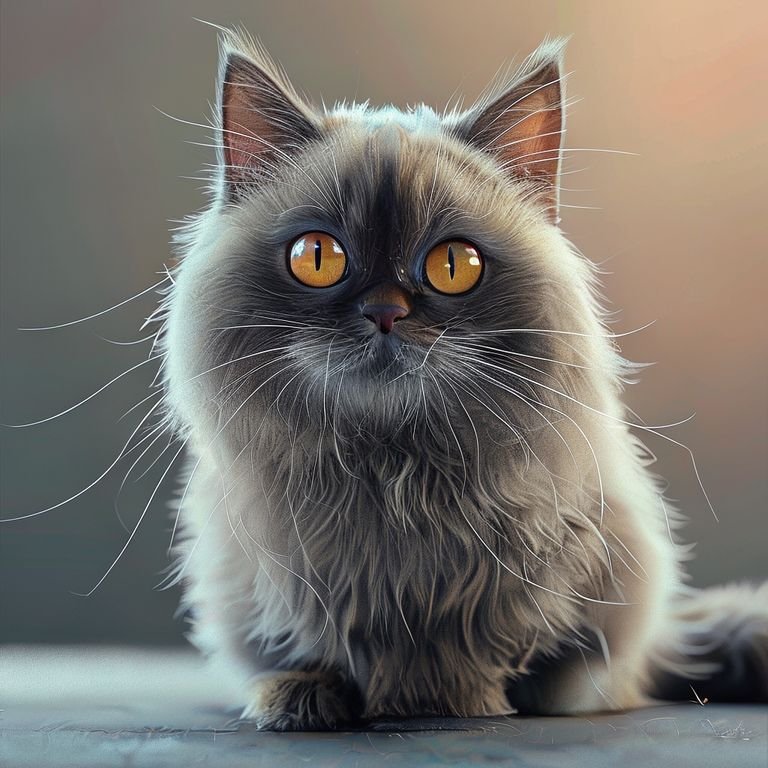
Discover the unique charm of Persian cats! This deep dive explores distinct Persian characteristics, essential care needs, and helps you determine if this gentle, long-haired breed is the perfect addition to your home.
The Allure of the Persian Cat: Understanding Their Core Traits
Persian cats are renowned for their striking beauty and serene disposition, captivating hearts worldwide. Understanding their unique Persian characteristics is crucial for any potential owner. These felines are not just pets; they are living works of art, requiring specific care and a lifestyle that complements their calm nature. Their long, flowing coats, distinctive flat faces, and expressive eyes are immediately recognizable, setting them apart from other breeds.
Beyond their aesthetic appeal, Persian cats possess a personality that is as luxurious as their fur. They are known for being affectionate, docile, and generally quiet companions, making them wonderful pets for individuals or families seeking a calm presence. Delving into their physical and temperamental traits will provide a comprehensive picture of what to expect when welcoming a Persian into your life.
Physical Distinctions: The Iconic Look
The physical Persian characteristics are arguably their most famous attribute. They are medium to large-sized cats, typically weighing between 7 and 12 pounds, with a sturdy, well-muscled body and short, thick legs. Their overall appearance is one of robust elegance and roundness.
– **Coat:** The hallmark of the Persian is its magnificent long, thick, and flowing coat. It comes in an astonishing array of colors and patterns, including solid, tabby, bicolor, calico, shaded, and smoke. This luxurious fur requires daily grooming to prevent mats and tangles, a commitment we will explore further.
– **Face:** The most distinctive facial feature is the brachycephalic (flat) face, with a short nose, full cheeks, and large, round eyes that often appear wide-set. This facial structure is adorable but also necessitates careful attention to their breathing and tear ducts.
– **Ears:** Their ears are small, rounded at the tips, and set low on the head, often adorned with long tufts of hair. This contributes to their soft, plush appearance.
– **Tail:** A short, well-plumed tail is carried low and in proportion to their body length, adding to their balanced and regal silhouette.
Temperamental Traits: A Gentle Companion
While their looks are captivating, the Persian characteristics extend deeply into their personality, revealing a gentle and loving nature. These cats are known for their quiet demeanor and often prefer lounging in a cozy spot over boisterous play.
– **Docile and Affectionate:** Persians are typically calm and easygoing, enjoying peaceful interactions. They thrive on human companionship and form strong bonds with their families, often following their owners from room to room simply to be near them.
– **Quiet and Serene:** Unlike more vocal breeds, Persians are generally not prone to excessive meowing. Their communication often involves soft purrs, gentle head rubs, and expressive gazes. This makes them ideal for apartment living or quiet households.
– **Playful, But Not Overly Energetic:** While they appreciate interactive play, especially with feather wands or soft toys, their energy levels are moderate. They enjoy short bursts of play followed by long periods of rest and observation. They are not typically high-jumping or destructive cats.
– **Adaptable:** With proper introductions, Persian cats usually adapt well to living with children and other calm pets. Their tolerant nature means they are less likely to be stressed by household activity, provided they have a quiet retreat when needed. Their docile Persian characteristics make them an excellent fit for many homes.
Daily Life with a Persian: Care and Commitment
Owning a Persian cat is a rewarding experience, but it comes with a significant commitment to their specialized care. Their stunning appearance is not maintenance-free; it requires daily attention to ensure their health and comfort. Understanding these responsibilities before bringing a Persian home is paramount.
The unique physical Persian characteristics dictate much of their daily care routine. From meticulous grooming to specific health considerations and environmental needs, a Persian owner must be prepared for consistent dedication. This section outlines the essential aspects of caring for these magnificent felines.
Grooming Essentials: Maintaining That Magnificent Coat
The Persian’s long, flowing coat is its crowning glory, but without diligent daily grooming, it can quickly become matted, leading to skin irritation, infections, and discomfort. This is perhaps the most demanding aspect of Persian care.
– **Daily Brushing:** A minimum of 15-20 minutes of daily brushing is required. Use a wide-toothed comb to gently work through tangles and a slicker brush to remove loose hair and stimulate the skin. Pay special attention to areas prone to matting, such as under the legs, behind the ears, and around the tail.
– **Regular Bathing:** Persians benefit from monthly baths to keep their coats clean and free of grease and debris. Use a shampoo specifically formulated for long-haired cats and ensure thorough rinsing to prevent skin irritation. Blow-drying on a cool setting is often necessary to fully dry their dense undercoat.
– **Eye and Face Care:** Due to their brachycephalic facial structure, Persians are prone to excessive tearing and tear staining. Their eyes need to be gently wiped daily with a soft, damp cloth or a veterinary-approved eye wipe to prevent staining and potential skin irritation beneath their eyes.
– **Nail Trimming and Ear Cleaning:** Regular nail trimming every 2-4 weeks is essential to prevent overgrowth. Their ears should be checked weekly for dirt or wax buildup and cleaned gently with a vet-approved solution if necessary. This helps prevent ear infections.
Comparison of Essential Grooming Tools for Persian Cats
To keep your Persian’s coat in pristine condition, investing in the right grooming tools is essential. Here’s a comparison of some must-have items:
| Product | Price | Pros | Cons | Best For |
|---|---|---|---|---|
| Slicker Brush | $15-$30 | Excellent for removing loose fur and preventing mats on the topcoat. Gentle bristles are less likely to irritate skin. | May not penetrate very dense undercoats effectively. Can pull hair if used incorrectly. | Daily general brushing and fluffing the coat. |
| Wide-Tooth Steel Comb | $10-$25 | Indispensable for detangling deeper knots and separating individual hairs, especially after brushing. | Not suitable for removing loose surface hair. Requires careful use to avoid pulling. | Working out stubborn tangles and checking for mats close to the skin. |
| Dematting Rake/Tool | $20-$40 | Specifically designed blades to safely cut through severe mats and tangles without hurting the cat. | Requires skill to use properly; can cut skin if not careful. Not for daily use. | Breaking up large, stubborn mats that cannot be combed out. |
| Pet Grooming Glove | $10-$20 | Offers a gentle massage while removing loose fur, mimicking petting. Great for cats sensitive to brushes. | Less effective on deep mats or very dense coats compared to brushes/combs. | Bonding, quick daily touch-ups, and sensitive cats. |
Health Considerations: What to Watch For
While generally robust, Persian cats are predisposed to certain health conditions, largely due to their specific Persian characteristics, particularly their brachycephalic facial structure and extensive breeding for specific traits. Regular veterinary check-ups are vital for early detection and management.
– **Respiratory Issues:** Their flattened faces can lead to stenotic nares (narrow nostrils) and an elongated soft palate, potentially causing breathing difficulties, especially in warm weather or during strenuous activity. Observe for noisy breathing or panting.
– **Eye Problems:** Excessive tearing can lead to tear duct blockages. Persians are also prone to conditions like entropion (inward-folding eyelids) and progressive retinal atrophy (PRA), which can lead to blindness.
– **Polycystic Kidney Disease (PKD):** This is a hereditary condition where cysts form in the kidneys, progressively impairing kidney function. Responsible breeders screen their cats for PKD using DNA tests or ultrasound. Ask for health clearances.
– **Hypertrophic Cardiomyopathy (HCM):** A common heart condition in many cat breeds, HCM involves the thickening of the heart muscle. Regular vet check-ups can help monitor for signs, and some breeders screen for this via echocardiograms.
– **Dental Disease:** Like all cats, Persians are susceptible to dental issues. Regular dental care, including brushing with a cat-specific toothpaste and professional cleanings, can prevent problems.
Enrichment and Environment: Keeping Your Persian Content
A happy Persian cat thrives in a calm, predictable environment. While they are not overly demanding in terms of physical activity, mental stimulation and a secure space are essential for their well-being.
– **Quiet Retreats:** Ensure your Persian has several quiet, comfortable spots where they can relax undisturbed. This could be a soft bed in a sunny window, a cat tree, or a cozy blanket on the sofa.
– **Interactive Play:** Despite their low energy, Persians enjoy short play sessions with their owners. Feather wands, laser pointers, and soft toys can provide mental and physical stimulation. Interactive puzzle feeders can also keep their minds engaged.
– **Scratching Posts:** Provide sturdy scratching posts or boards to satisfy their natural urge to scratch and help maintain their claws. This also protects your furniture.
– **Safe Indoors:** Due to their long coats and generally docile nature, Persians are best kept as indoor cats. This protects them from predators, traffic, parasites, and extreme weather conditions, which can be particularly challenging for their brachycephalic features.
Addressing Common Misconceptions About Persian Cats
Like many popular breeds, Persian cats are often subject to various myths and misunderstandings. Dispelling these can help prospective owners form a more accurate picture of life with these charming felines and better appreciate their unique Persian characteristics.
One common misconception is that all Persians are aloof and unresponsive. While they are not typically as boisterous as some other breeds, they are profoundly affectionate and loyal to their families. Their affection is often displayed through quiet companionship, gentle purrs, and soft nudges rather than demanding attention.
Another myth suggests that Persians are unhealthy due to their flat faces. While certain health predispositions exist, responsible breeding practices and diligent veterinary care can ensure a long and healthy life. Many health issues are manageable with proactive care, and not all Persians suffer from severe conditions.
Some people also believe that grooming a Persian is an impossible task. While it is certainly a commitment, it is a manageable one with the right tools and a consistent routine. Daily brushing becomes a bonding experience, and professional grooming can supplement home care if needed. It’s an investment in their comfort and well-being, directly tied to their prominent Persian characteristics.
Is a Persian Cat Right for Your Lifestyle?
Deciding whether a Persian cat is the right companion for you involves more than just admiring their beautiful Persian characteristics. It requires an honest assessment of your lifestyle, living situation, and willingness to commit to their specific needs. These cats thrive in certain environments and with owners who understand and appreciate their particular demands.
Consider the time and resources you can dedicate to grooming, health monitoring, and providing a calm, enriching home. A Persian can bring immense joy and a serene presence to your life, but only if their needs are met consistently.
Evaluating Your Home Environment
Persian cats are known for their adaptability, but they generally prefer a peaceful and predictable environment. Their ideal home is one where they feel secure and have plenty of comfortable places to nap.
– **Indoors Only:** As mentioned, Persians are best suited as indoor cats. Their long coats make them susceptible to matting from outdoor elements, and their docile nature can make them vulnerable to outdoor hazards. Your home must be a safe, stimulating indoor space.
– **Quiet vs. Bustling:** While adaptable, a home with constant loud noise or high-energy activity might not be the best fit for a typically calm Persian. They appreciate a calm atmosphere, though they can learn to tolerate a moderate level of household activity.
– **Compatibility with Children and Other Pets:** Persians can get along well with respectful children and other gentle pets. Introductions should be slow and supervised. Ensure children understand how to interact gently with a cat, especially one with long fur that can be sensitive to rough handling.
– **Space for Grooming:** You’ll need a designated, comfortable space for daily grooming sessions, preferably somewhere well-lit and easy to clean up stray hairs.
Time Commitment and Financial Investment
Owning a Persian cat is a long-term commitment, typically spanning 12-17 years. This means dedicating time and financial resources throughout their entire life.
– **Time for Grooming:** This is non-negotiable. Daily brushing and regular bathing take a significant amount of time. If you cannot commit to this, a Persian is likely not the right breed for you.
– **Time for Play and Companionship:** While not demanding, Persians thrive on interaction. Set aside daily time for gentle play, petting, and simply being in their presence. Their affectionate Persian characteristics make them crave connection.
– **Veterinary Care:** Factor in the cost of annual check-ups, vaccinations, parasite prevention, and potential treatments for breed-specific health issues. Pet insurance can be a wise investment for Persian owners.
– **Quality Food:** A high-quality diet is essential for maintaining their luxurious coat and overall health. Some Persians may benefit from specific diets tailored for long-haired breeds or those with sensitive digestive systems.
– **Supplies:** Budget for litter, scratching posts, toys, beds, and grooming tools. Investing in good quality items initially can save money in the long run.
Choosing Your Persian Companion: Reputable Breeders and Adoption
Once you’ve decided that a Persian cat is indeed the right choice for you, the next step is finding your new feline family member. It’s crucial to prioritize responsible sourcing, whether you choose to go through a breeder or opt for adoption. The health and temperament of your new pet will largely depend on their early environment and genetic background.
A reputable breeder will be transparent about their breeding practices, health screenings, and the lineage of their cats. They will also prioritize the well-being of their animals over profit. If adopting, look for rescue organizations specializing in Persians or long-haired breeds, as they will have a deep understanding of these cats’ specific needs and histories.
What to Look for in a Reputable Breeder
– **Health Clearances:** A good breeder will provide proof of health screenings for common Persian ailments, such as PKD, HCM, and hip dysplasia, for the parent cats. They should be able to explain their breeding goals related to maintaining good health and temperamental Persian characteristics.
– **Clean and Safe Environment:** The kittens and parent cats should be raised in a clean, safe, and stimulating home environment, not in cages. They should appear well-socialized and comfortable around people.
– **No Rush to Sell:** A responsible breeder will ask you questions about your home and lifestyle to ensure a good match. They won’t pressure you into making a quick decision and will be available for support even after you take your kitten home.
– **Vaccinations and Vet Checks:** Kittens should come with their first vaccinations, a health certificate from a veterinarian, and ideally, a spay/neuter agreement.
– **References:** A reputable breeder should be able to provide references from previous buyers or their veterinarian.
Considering Adoption
Adopting a Persian from a rescue organization or shelter can be a wonderfully rewarding experience. Many adult Persians end up in shelters through no fault of their own, often due to owners unable to meet their grooming or health needs. These cats are often already spayed/neutered, vaccinated, and microchipped.
– **Adult Personalities:** Adopting an adult cat means their personality and Persian characteristics are already developed, giving you a clearer idea of what to expect. You might even find a house-trained cat that needs minimal adjustment.
– **Support from Rescues:** Many Persian-specific rescues have extensive experience with the breed and can offer valuable advice on care, health, and integration into your home. They often have comprehensive health records and can share insights into the cat’s background.
– **Giving a Second Chance:** Adopting provides a loving home to a cat in need, freeing up space for another animal waiting for care. It’s a compassionate choice that often results in a deeply grateful and loving companion.
Bringing a Persian cat into your life is a journey filled with warmth, affection, and a touch of elegance. Their unique beauty and serene temperament make them truly special companions. While their grooming and health needs require dedication, the rewards of their gentle nature and loving presence are immeasurable. By understanding their distinct Persian characteristics and committing to their care, you can ensure a happy, healthy life together.
For more expert advice and personalized recommendations, feel free to contact us.
Frequently Asked Questions About Persian Cats
Do Persian cats shed a lot?
Yes, Persian cats are known for their heavy shedding due to their long, dense double coats. Daily brushing is essential to manage shedding, prevent matting, and keep their fur healthy. Regular bathing also helps reduce the amount of loose hair.
Are Persian cats good with children and other pets?
Persians are generally docile and tolerant, making them good companions for respectful children and other calm pets. Slow, supervised introductions are key to ensuring a harmonious environment. Their quiet nature means they prefer gentle interactions over boisterous play.
What is the average lifespan of a Persian cat?
With proper care, a healthy diet, and regular veterinary check-ups, Persian cats typically live for 12 to 17 years. Genetics and lifestyle factors play a significant role in their longevity.
Do Persian cats need special food?
While not strictly “special” food, Persians benefit from high-quality cat food that supports skin and coat health. Some owners opt for formulas designed for long-haired breeds or those with sensitive digestive systems. Due to their flat faces, some Persians may find it easier to eat from shallow bowls or flat plates.
Are Persian cats high maintenance?
Yes, Persian cats are considered a high-maintenance breed, primarily due to their extensive grooming requirements. Daily brushing, regular bathing, and consistent eye cleaning are necessary. They also require diligent attention to their health, especially related to their brachycephalic features.
Leave a Reply