

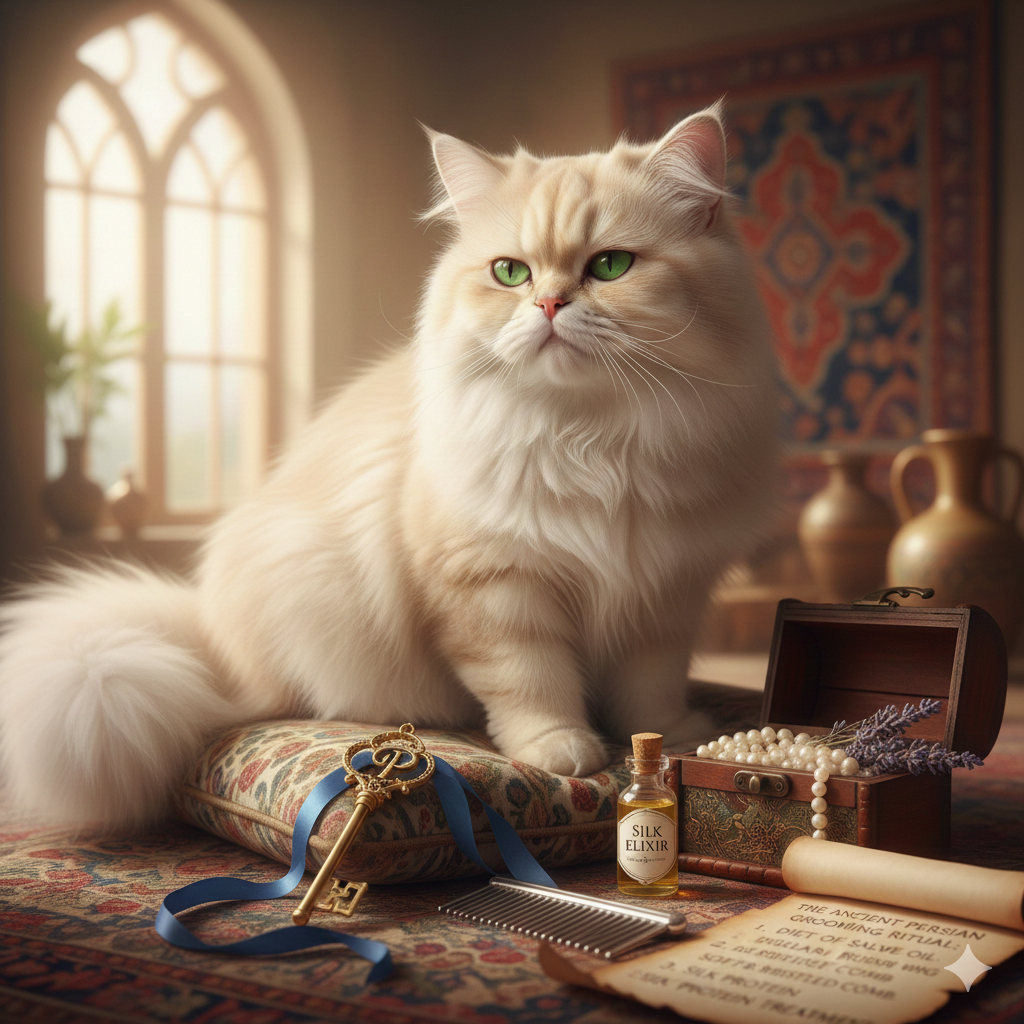
Meta Description: Unlock the secrets to a stunning Persian coat in 2026. Discover expert Persian grooming techniques, essential tools, and nutrition tips for unparalleled silkiness.
The Unique Splendor of the Persian Coat
The Persian cat, with its luxurious long hair and distinctive flat face, is a creature of unparalleled elegance. Its magnificent coat is arguably its most defining feature, flowing in soft, dense layers that captify admirers worldwide. However, this stunning beauty doesn’t come without dedication. Maintaining that iconic silky texture and preventing mats requires consistent, specialized Persian grooming practices.
Many new owners underestimate the commitment involved, but with the right techniques and a loving approach, keeping your Persian’s coat pristine can be a rewarding bonding experience. By 2026, advancements in pet care and a deeper understanding of feline dermatology provide even more sophisticated ways to ensure your Persian remains comfortable, healthy, and breathtakingly beautiful.
Daily Rituals: Essential Tools for Effective Persian Grooming
Consistent daily care is the bedrock of a healthy Persian coat. Skipping even a day can lead to tangles and mats that are much harder to remove later. Establishing a routine early in your cat’s life will make the process stress-free for both of you.
Brushing Techniques for Optimal Coat Health
Brushing is the most crucial aspect of Persian grooming. It removes loose hair, prevents mats, distributes natural oils, and stimulates circulation. Start with short, positive sessions to get your cat accustomed to the brush.
- Pin Brush: Ideal for the initial detangling and reaching deeper into the dense undercoat without pulling too much. Use gentle, sweeping motions.
- Metal Comb (Wide-toothed then Fine-toothed): Essential for getting through the entire coat, section by section. Start with the wide-toothed side to tackle any larger knots, then follow with the finer side to ensure thorough detangling. Pay special attention to areas prone to matting: behind the ears, armpits, britches, and tail.
- Slicker Brush: Excellent for removing dead hair from the topcoat and adding fluffiness. Use lightly, as the wire bristles can be harsh if pressed too hard against the skin.
Always brush in the direction of hair growth. If you encounter a mat, do not pull. Instead, gently work it apart with your fingers, or use a mat splitter if necessary, being extremely careful not to cut the skin. A little cornstarch can sometimes help loosen stubborn mats.
The Importance of Regular Eye and Ear Cleaning
Persians are known for their brachycephalic (flat) faces, which can lead to tear staining around the eyes. Daily cleaning is vital to prevent bacterial growth and maintain comfort.
- Eye Cleaning: Use a soft, damp cloth or a specialized feline eye wipe to gently clean around the eyes. Wipe from the inner corner outwards. For stubborn stains, consult your vet about safe, cat-specific tear stain removers.
- Ear Cleaning: Check your cat’s ears weekly for dirt, wax buildup, or any signs of infection (redness, odor, excessive scratching). Use a cotton ball dampened with a vet-approved ear cleaner. Never insert cotton swabs deep into the ear canal.
Both these aspects are integral to complete Persian grooming, contributing not just to aesthetics but also to overall health.
Beyond the Brush: Bathing, Drying, and Detangling Techniques
While daily brushing is paramount, periodic bathing is also necessary to keep a Persian’s coat truly clean and free of oils that can lead to matting and skin issues. Unlike some other breeds, Persians generally require more frequent baths.
The Art of Bathing Your Persian Cat
Bathing a long-haired cat can be daunting, but with preparation and patience, it can be a smooth process. Aim for a bath every 4-6 weeks, or as needed, depending on your cat’s lifestyle and coat condition.
- Preparation is Key: Before the bath, thoroughly brush your cat to remove all tangles and loose hair. Mats become almost impossible to remove when wet and will tighten further. Clip their nails to protect yourself.
- Gather Supplies: Have everything ready before you start: two towels, cat-specific shampoo and conditioner, a cup for rinsing, and a non-slip mat for the tub.
- Gentle Immersion: Use lukewarm water. Slowly and gently lower your cat into the water, speaking to them calmly. Avoid getting water in their eyes or ears.
- Shampooing: Lather with a gentle, moisturizing cat shampoo, working from the neck down to the tail. Rinse thoroughly, ensuring no shampoo residue remains, as this can irritate the skin and dull the coat.
- Conditioning: Apply a feline-specific conditioner, focusing on the ends and longer parts of the coat. Let it sit for a few minutes, then rinse even more thoroughly than the shampoo.
This process is a vital part of effective Persian grooming, ensuring the coat stays clean and manageable.
Proper Drying Methods to Prevent Matting
Drying a Persian cat properly is just as important as the bath itself. Improper drying can lead to matting and skin problems.
- Towel Dry First: Immediately after rinsing, wrap your cat in a clean, absorbent towel. Gently blot and squeeze excess water from the fur. You might need a second dry towel.
- Blow Drying: Use a pet-specific force dryer or a human hairdryer on a cool or low-heat setting. Keep the dryer moving constantly to avoid overheating any one spot. Brush the fur as you dry, gently working through any emerging tangles. This helps fluff the coat and ensures it dries completely, right down to the skin.
- Air Drying Warning: Never allow a Persian cat to air dry completely, especially if they have a very dense coat. This can lead to severe matting and potential skin infections due to prolonged dampness.
The goal is a completely dry, fluffy, and tangle-free coat. This meticulous approach to drying is crucial for successful Persian grooming.
Nutrition and Health: The Inner Secret to Outer Radiance
A silky, lustrous coat is not just a result of external care; it’s a direct reflection of your cat’s internal health. Proper nutrition, hydration, and regular veterinary check-ups play a pivotal role in maintaining the splendor of your Persian’s fur.
Dietary Essentials for a Healthy Coat
What your Persian eats directly impacts the quality of their coat. A diet rich in specific nutrients can significantly enhance shine, reduce shedding, and promote overall skin health.
- High-Quality Protein: Look for cat foods with real meat (chicken, fish, turkey) as the primary ingredient. Protein is essential for hair growth and strength.
- Omega-3 and Omega-6 Fatty Acids: These are crucial for skin and coat health, promoting a healthy sheen and reducing dryness and flakiness. Many premium cat foods include these, often from sources like fish oil or flaxseed. You can also discuss supplements with your vet.
- Vitamins and Minerals: Biotin, zinc, and Vitamin E are particularly beneficial for healthy skin and fur. Ensure your cat’s diet provides a balanced intake of all essential vitamins and minerals.
- Hydration: Adequate water intake is vital for overall health, including skin elasticity and coat quality. Encourage drinking by providing fresh water daily, multiple water bowls, or even a pet water fountain. Wet food can also contribute significantly to hydration.
Consult with your veterinarian to choose a diet that specifically supports the unique needs of your Persian, especially concerning their long coat and potential for hairballs.
Regular Veterinary Check-ups and Parasite Prevention
Underlying health issues can manifest in a dull, dry, or excessively shedding coat. Regular vet visits are essential for catching and addressing these problems early.
- Annual Health Checks: Your vet can monitor your Persian’s overall health, including skin and coat condition, and detect any nutritional deficiencies or health problems that might affect their fur.
- Parasite Control: Fleas, ticks, and mites can cause intense itching, leading to scratching and damage to the coat. A good parasite prevention program is a non-negotiable part of comprehensive Persian grooming and health care.
- Addressing Allergies and Skin Conditions: If your Persian suffers from chronic skin issues, allergies, or persistent matting despite diligent grooming, your vet can diagnose the root cause and recommend appropriate treatment, which might include special diets, medications, or topical treatments.
A healthy cat from the inside out will naturally boast a more beautiful, manageable coat, making daily Persian grooming easier and more effective.
Preventative Care and Common Grooming Challenges
Even with the most diligent routine, Persian owners can encounter specific challenges. Being prepared and knowing how to prevent common issues will save time, stress, and expense.
Managing Hairballs and Digestive Health
Due to their extensive self-grooming and long coats, Persians are particularly prone to hairballs. These can range from minor discomfort to serious digestive blockages.
- Frequent Brushing: This is your first line of defense. The more loose hair you remove with brushing, the less your cat will ingest.
- Hairball Control Diet: Many cat food brands offer specialized formulas designed to help hair pass through the digestive system more easily, often high in fiber.
- Hairball Remedies: Over-the-counter hairball pastes or supplements can help lubricate the digestive tract and aid in the passage of swallowed hair. Consult your vet before using these regularly.
- Hydration: Adequate water intake helps keep the digestive system moving smoothly.
Effective hairball management is a critical aspect of holistic Persian grooming and care.
Tackling Matting: Prevention and Removal
Matting is the biggest challenge for Persian owners. Mats are tight tangles of fur that can pull on the skin, cause pain, restrict movement, and lead to skin infections if left untreated.
- Daily Brushing: As emphasized, daily, thorough brushing is the best preventative measure. Focus on high-friction areas like armpits, behind ears, belly, and inner thighs.
- Professional Grooming: If mats become severe or widespread, professional grooming is often the safest and most humane solution. A professional groomer can safely shave out mats without injuring your cat.
- Mat Splitters and Dematting Tools: For small, isolated mats, a specialized mat splitter or dematting comb can be used with extreme caution. Always work slowly and gently, pulling the tool away from the skin. If unsure, seek professional help.
- Consider a “Lion Cut”: For cats prone to severe matting or those who dislike grooming, a summer “lion cut” where the body fur is shaved short, leaving a mane, tail tuft, and boots, can be a practical solution. This should always be done by a professional groomer.
Prevention is always better than cure when it comes to mats in Persian grooming.
Innovations in Persian Grooming: Tools for the Modern Owner
The pet care industry continually evolves, offering new and improved tools to make Persian grooming more efficient and effective. Leveraging modern technology can significantly enhance your grooming routine and your cat’s comfort.
Comparison of Advanced Grooming Tools
Keeping up with the latest gadgets can be a game-changer for maintaining that pristine Persian coat. Here’s a look at some essential and innovative tools available in 2026.
| Product | Price | Pros | Cons | Best For |
|---|---|---|---|---|
| PetSafe Smart Groom Dryer | $180 | Quiet operation, multiple heat settings, quick drying for dense coats. Hands-free stand available. | Higher initial cost, can be bulky for small spaces. | Owners seeking efficient, stress-free home drying after baths. |
| Furminator De-shedding Tool (Long Hair Cat) | $45 | Effectively removes loose undercoat, significantly reduces shedding and hairballs. | Can be overused, potentially damaging topcoat if not used correctly. | Reducing shedding and preventing mats in high-shedding seasons. |
| Andis ProClip Detachable Blade Clipper | $220 | Professional-grade, powerful motor, interchangeable blades for various coat lengths, excellent for sanitary clips and mat removal. | Requires training to use safely, blades need maintenance/sharpening. | Experienced owners or those performing regular touch-ups and mat shaves. |
| Pet Grooming Vacuum Attachment Kit | $70 | Attaches to standard vacuums, suctions loose hair directly into the canister, minimizing mess. | Some cats dislike the vacuum noise, less effective on severe mats. | Daily maintenance and reducing hair around the house. |
| Pet Wellbeing Itch & Skin Relief Spray | $30 | Natural ingredients, soothes irritated skin, reduces scratching, helps maintain coat health. | May not be suitable for all skin types, requires consistent application. | Addressing minor skin irritations and dryness between baths. |
Professional Grooming vs. DIY: When to Seek Expert Help
While DIY Persian grooming is achievable, there are times when professional intervention is necessary or highly recommended. A professional groomer has specialized tools, techniques, and experience that can be invaluable.
- Severe Matting: If your cat develops extensive or very tight mats, attempting to remove them yourself can be painful and dangerous. Professional groomers can often remove these safely, sometimes requiring sedation from a vet.
- Sanitary Clips: Persians often need a “sanitary clip” around their rear to prevent fecal matter from getting trapped in their fur. This requires precision and skill best left to a professional.
- Nail Trimming: While you can trim nails at home, if your cat is resistant or you’re nervous about cutting too short, a groomer or vet can do it quickly and safely.
- Regular Maintenance Schedule: Some owners opt for professional grooming every few months to supplement their home routine, ensuring a consistently pristine coat.
Remember, a professional groomer is a partner in your cat’s well-being and can offer tailored advice for your specific Persian grooming needs.
Achieving and maintaining the secret to a Persian cat’s silky coat in 2026 is a journey that combines daily dedication, the right tools, a healthy diet, and a proactive approach to potential challenges. From meticulous brushing and regular bathing to vigilant eye care and smart nutrition, every step contributes to your cat’s comfort, health, and undeniable beauty. By embracing these comprehensive Persian grooming practices, you’re not just caring for a pet; you’re nurturing a cherished companion whose radiant coat reflects the love and attention you provide.
For more expert tips and personalized advice on Persian Grooming, feel free to reach out to our team of dedicated cat care specialists. We’re here to help you achieve that stunning, silky coat your Persian deserves!
Frequently Asked Questions (FAQ)
How often should I brush my Persian cat?
Persian cats should ideally be brushed daily. Their long, dense coats are highly prone to matting, and daily brushing helps remove loose hair, prevent tangles, and distribute natural oils, keeping their coat silky and healthy.
What kind of shampoo should I use for my Persian?
Always use a cat-specific shampoo, preferably one designed for long-haired cats or sensitive skin. Human shampoos can be too harsh and disrupt your cat’s skin pH. Look for moisturizing formulas and consider a feline conditioner as well.
My Persian cat hates baths. What should I do?
Start bath training early with positive reinforcement. Use lukewarm water, speak calmly, and ensure the process is gentle. Thoroughly brush beforehand to remove mats. If your cat is extremely stressed, consider professional grooming, as they have techniques and facilities to make it less traumatic.
How can I prevent tear stains on my Persian’s face?
Daily cleaning of the eye area with a damp cloth or specialized feline eye wipes is crucial. You can also discuss vet-approved tear stain removers or dietary changes with your veterinarian, as some food sensitivities can exacerbate staining.
Is it okay to shave my Persian cat?
A “lion cut” (shaving the body while leaving a mane, tail tuft, and boots) can be a practical solution for Persians prone to severe matting or those who dislike grooming. However, this should always be done by a professional groomer to ensure safety and proper technique, and it’s best done in warmer months to prevent chill.
Leave a Reply