

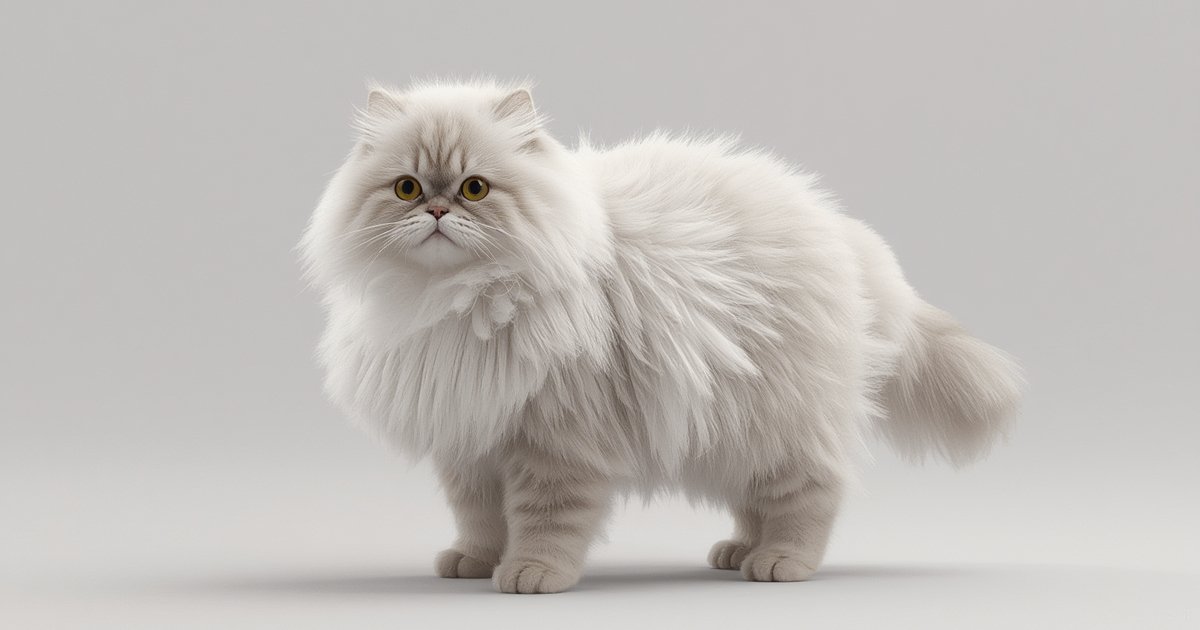
Unlock the secrets to a stunning, tangle-free Persian cat coat in 2026. This guide covers essential Persian grooming techniques, tools, and routines for a healthy, beautiful feline.
Persian cats are renowned for their luxurious, flowing coats, a hallmark of their majestic beauty. Yet, this magnificent fur comes with a unique set of challenges, particularly the dreaded tangle. Maintaining a pristine, mat-free coat requires dedication and the right approach to Persian grooming. As we look towards 2026, understanding the latest techniques and tools is more crucial than ever for ensuring your beloved feline companion remains comfortable and stunning. This comprehensive guide will arm you with the knowledge to conquer tangles, ensuring your Persian’s coat is always a testament to their regal nature.
Understanding the Persian Coat: The Anatomy of Fluff
The hallmark of a Persian cat is undeniably its long, dense, and luxuriant coat. This isn’t just ordinary fur; it’s a double coat system comprising a soft, downy undercoat and a longer, coarser outer coat. This unique structure, while beautiful, is a primary reason why Persian cats are so prone to matting and tangles.
The undercoat acts as insulation, providing warmth, but its fine texture easily catches loose hairs and debris. The longer guard hairs then wrap around these trapped elements, quickly forming knots and eventually painful mats if not addressed promptly. Understanding this intricate design is the first step in mastering effective Persian grooming.
Several factors influence the condition of your Persian’s coat, including genetics, diet, and environmental humidity. Cats with finer, softer hair textures often experience tangles more frequently than those with slightly coarser coats. Environmental factors such as dry indoor air can also contribute to static electricity, making the coat more prone to knotting.
The Life Cycle of a Persian Hair Strand
Each hair on your Persian cat goes through a growth cycle: anagen (growth), catagen (transition), and telogen (resting). Persian cats have a prolonged anagen phase, leading to their incredible length. However, when these long hairs naturally shed during the telogen phase, they can easily become entangled with live hairs, accelerating mat formation.
Regular grooming helps to remove these shed hairs before they cause problems. Without consistent intervention, the sheer volume of dead hair can quickly overwhelm the coat, creating a dense, felt-like texture that is impossible to brush out without causing discomfort to your cat.
Paying attention to seasonal changes is also vital. Most Persian cats will experience heavier shedding periods, typically in spring and fall. During these times, increasing the frequency and intensity of your Persian grooming routine can significantly mitigate the risk of severe matting.
Essential Tools for Effective Persian Grooming
Equipping yourself with the right tools is paramount to successful Persian grooming. Skimping on quality here can lead to frustration for both you and your cat, and ultimately, a less-than-perfect coat. Investing in high-quality grooming tools will save you time, effort, and vet bills in the long run.
The market offers a vast array of brushes and combs, but not all are suited for the delicate yet dense Persian coat. It’s important to select tools designed to penetrate the thick undercoat without scratching the skin or causing discomfort. Proper tools make the grooming process more efficient and enjoyable for your feline companion.
Your Persian Grooming Arsenal: A Comparison
| Product | Price | Pros | Cons | Best For |
|---|---|---|---|---|
| Slicker Brush (Pin Brush) | $15 – $30 | Excellent for removing loose fur, stimulating skin, and distributing natural oils. Good for general detangling. | Can be too harsh if not used gently, pins can bend easily if cheap. May not penetrate very dense mats. | Daily brushing, removing superficial tangles, stimulating circulation. |
| Stainless Steel Comb (Wide-toothed) | $10 – $25 | Essential for deeper detangling, getting to the undercoat, and checking for mats after brushing. Very durable. | Can pull hair if used on large knots, requires gentle, patient work. | Deep detangling, mat checking, finishing touches after brushing. |
| Undercoat Rake | $20 – $40 | Specifically designed to remove loose undercoat without damaging the topcoat. Reduces shedding significantly. | Can be sharp; requires careful technique to avoid scratching skin. Not for superficial brushing. | Heavy shedding periods, reducing overall coat density, preventing large mats. |
| Dematting Tool (Blade Rake) | $25 – $50 | Effectively cuts through small, stubborn mats with minimal pulling. Saves time on severe tangles. | Sharp blades; must be used with extreme caution to avoid cutting skin. Not a preventative tool. | Emergency mat removal, particularly for small, tight knots. |
| Grooming Powder/Spray | $10 – $25 | Helps absorb oils, reduce static, and make brushing easier by providing slip. Can add volume. | Some cats may not tolerate sprays; powders can be messy if overused. Check ingredients for safety. | Enhancing brushing, reducing static, light deodorizing between baths. |
Beyond these core tools, you might also consider a pair of blunt-nosed scissors for carefully trimming small, unreachable mats or areas around the sanitary region. Nail clippers designed for cats are also essential for keeping claws trimmed, preventing them from snagging on the coat and causing further tangles.
Always ensure your tools are clean and in good condition. Dull brushes or bent comb teeth can damage the coat or irritate your cat’s skin. Regularly inspecting and cleaning your grooming tools will prolong their life and effectiveness.
The Daily Routine: Preventing Tangles Before They Start
Consistency is the golden rule of Persian grooming. A daily routine, even a short one, is far more effective than infrequent, marathon grooming sessions. Establishing a regular schedule not only keeps tangles at bay but also strengthens the bond between you and your cat.
Aim for at least 15-20 minutes of dedicated grooming each day. This might sound like a lot, but breaking it down into manageable segments can make it easier. For example, a thorough brush in the morning and a quick comb-through in the evening can be highly effective.
Step-by-Step Daily Persian Grooming
1. **Preparation is Key:** Find a quiet, comfortable space where your cat feels secure. Lay down a non-slip mat or towel on a table to prevent accidents. Have all your tools within reach to avoid interruptions.
2. **Gentle Beginning:** Start with a soft-bristled brush or a wide-toothed comb to gently go over the entire coat. This helps to loosen superficial debris and introduce your cat to the grooming session in a calming manner. Always brush in the direction of hair growth.
3. **Section by Section:** Tackle the coat in small sections. Start from the head and work your way down the back, sides, belly, and legs. Pay special attention to “hot spots” – areas prone to matting like behind the ears, armpits, flanks, and the pantaloons (the fur on their hind legs).
4. **Deep Dive with the Comb:** Once you’ve brushed a section, follow up with a stainless steel comb. Use the wide-toothed side first, then the finer side. Ensure the comb glides smoothly through the hair from root to tip. If you encounter resistance, stop and address the tangle.
5. **Addressing Minor Tangles:** For small knots, gently separate the hair with your fingers. Use a small amount of grooming powder or spray to lubricate the tangle. Work from the outside edges of the knot, gradually teasing it apart with the wide-toothed comb. Never pull or yank the hair, as this can be painful and damage the coat.
6. **Finishing Touches:** Once the entire coat is tangle-free, you can use a slicker brush for a final polish, leaving the coat smooth and shiny. Offer praise and a treat to reinforce positive associations with Persian grooming.
Handling Sensitive Areas with Care
Certain areas require extra diligence. The fur on the belly and under the armpits is extremely fine and prone to knotting due to friction. Always support your cat gently when reaching these areas, and use a soft touch. The tail fur, while beautiful, is also delicate and can easily break if roughly handled; use only gentle strokes.
Regularly check the sanitary area around the rear. Long hair here can become soiled, leading to discomfort and potential health issues. A sanitary trim every few weeks can prevent this problem, keeping your cat clean and hygienic. If unsure, consult a professional groomer for this delicate procedure.
Tackle the Toughest Tangles: Advanced Strategies for Mat Removal
Despite a diligent daily routine, stubborn tangles and even mats can sometimes develop, especially in areas of high friction or if a grooming session is missed. Addressing these effectively and humanely is a critical aspect of Persian grooming. Patience and the right technique are your best allies.
Attempting to brush out a large, tight mat can be incredibly painful for your cat and should generally be avoided. Instead, focus on careful, strategic removal. If a mat is close to the skin, extremely large, or your cat is showing signs of distress, it’s always best to consult a professional groomer or veterinarian.
Safe and Effective Mat Removal Techniques
1. **Assess the Mat:** Determine the size and location of the mat. Is it small and superficial, or large and tight against the skin? Understanding its severity will guide your approach. Never try to brush out a solid mat.
2. **Protect the Skin:** Before attempting any mat removal, gently separate the mat from the underlying skin with your fingers. Always place a finger or a comb between the mat and the skin to prevent accidental nicks or cuts if using scissors.
3. **Sprinkle or Spray:** Apply a small amount of cornstarch, grooming powder, or a detangling spray directly onto the mat. These products can help lubricate the hairs, making them easier to separate without tearing. Work the product into the mat gently with your fingers.
4. **The “Split and Conquer” Method:** For moderate mats, use a dematting tool or the blunt tip of a seam ripper (used with extreme caution) to gently split the mat into smaller sections. Work slowly, from the outer edge towards the center, creating several smaller tangles instead of one large one.
5. **Tease Apart with a Comb:** Once the mat is split, use the wide-toothed side of a stainless steel comb to carefully tease out individual strands of hair. Start from the very end of the mat and work your way up, little by little. Hold the hair closer to the skin to minimize pulling on your cat’s skin.
6. **Blunt-Nosed Scissors for Last Resort:** If a mat is too tight or too close to the skin to comb out, carefully use blunt-nosed scissors. Slide the scissors *under* the mat, parallel to the skin, with your fingers or a comb protecting the skin. Make small snips into the mat, not *across* it, to break it into smaller pieces. This is a delicate process and should only be done if you are confident and your cat is calm.
When to Seek Professional Help
There are times when even the most dedicated owner should defer to professional expertise. If your cat has multiple large, tight mats, especially in sensitive areas, or if they are showing signs of pain or aggression during grooming attempts, a professional groomer or vet is the best option.
A professional groomer has specialized tools and techniques, including clippers, to safely remove severe mats without injuring your cat. They can also offer advice on preventative measures and demonstrate proper Persian grooming techniques for your specific cat. Sedation may be required for very severe cases, which a vet can provide safely.
Beyond the Brush: Diet, Environment, and Professional Help
While daily brushing is the cornerstone of a tangle-free Persian coat, other factors play a significant role in coat health. A holistic approach to your cat’s well-being will reflect directly in the luster and manageability of their fur. Optimal Persian grooming extends beyond just the physical act of brushing.
Considering your cat’s diet, living environment, and when to seek professional intervention can make a substantial difference in maintaining their magnificent mane. These elements work synergistically to promote overall health, which naturally includes coat quality.
The Nutritional Link to a Healthy Coat
A high-quality diet rich in essential fatty acids, particularly Omega-3 and Omega-6, is vital for skin and coat health. These nutrients help maintain skin elasticity, reduce dryness, and promote a healthy, shiny coat that is less prone to breakage and tangles.
Look for cat foods that list real meat as the primary ingredient and are fortified with fish oils or flaxseed. Supplements, such as salmon oil or specific skin and coat formulations, can also be beneficial, but always consult your veterinarian before adding any supplements to your cat’s diet.
Proper hydration is also crucial. Ensure your Persian always has access to fresh, clean water. Dehydration can lead to dry skin and a brittle coat, which is more susceptible to matting. A water fountain can encourage your cat to drink more, as many cats prefer running water.
Environmental Considerations for Coat Health
The environment your Persian lives in can directly impact their coat. High humidity can sometimes make coats feel heavy and greasy, while very dry air can lead to static electricity, causing hairs to cling together and tangle more easily.
Regularly cleaning your home, especially vacuuming, helps reduce the amount of loose hair and dust that can get trapped in your cat’s coat. Providing clean bedding and dedicated sleeping spots can also minimize debris accumulation. Consider using a humidifier in dry climates to help maintain coat moisture.
Ensure your cat has access to suitable resting places. Rough surfaces can create friction that leads to mats, particularly on the belly and sides. Soft blankets and designated cat beds can protect their fur while they relax.
When to Call in the Experts
Even with the most dedicated home grooming, professional groomers are invaluable resources. They possess the skills and equipment to handle full baths, blow-drying (which can be tricky with a Persian’s thick coat), and complex mat removal. A professional groomer can also provide sanitary trims, lion cuts (a popular style for matted Persians or those who struggle with heat), and nail trims.
Scheduling a professional grooming session every 2-3 months can greatly complement your daily home Persian grooming routine. This ensures a deep clean and thorough detangling that might be difficult to achieve at home, keeping your cat in optimal condition.
Veterinary check-ups are also crucial. Skin conditions, allergies, or underlying health issues can manifest as poor coat quality or excessive shedding. Regular vet visits ensure any such problems are identified and treated promptly, contributing to overall coat health.
The Future of Feline Coat Care: Innovations for 2026
As we move towards 2026, the world of pet care is continually evolving, offering exciting innovations that can further simplify and enhance Persian grooming. From advanced smart tools to specialized nutritional supplements, staying informed about these developments can give you an edge in maintaining your cat’s magnificent coat.
Technological advancements are making grooming more efficient and less stressful for both pets and owners. New insights into feline nutrition and behavior are also contributing to more holistic and effective care strategies, improving the overall well-being of our Persian companions.
Emerging Technologies in Persian Grooming
One area of innovation is in smart grooming tools. We’re seeing brushes with integrated sensors that can analyze coat condition, reporting on moisture levels or potential skin issues. While still niche, these tools offer real-time insights, allowing for more targeted and preventative Persian grooming.
Low-noise, handheld pet vacuums designed specifically to gently remove loose fur directly from the coat are becoming more sophisticated. These devices can capture shedding hair before it has a chance to form tangles or spread around the house, making daily maintenance quicker and cleaner.
Advanced ionic pet dryers are also gaining popularity. These dryers reduce drying time significantly while minimizing heat damage and static, resulting in a smoother, shinier coat after baths. Their quieter operation also helps reduce stress for noise-sensitive cats.
Nutritional Science and Coat Health
The field of feline nutrition continues to advance, with a greater focus on coat-specific formulations. Expect to see more targeted supplements in 2026, featuring specialized blends of ceramides, collagen, and specific amino acids designed to strengthen hair follicles and improve coat resilience against tangles.
Personalized nutrition is also on the horizon. Genetic testing may soon inform dietary recommendations tailored to your individual cat’s needs, optimizing their coat health based on their unique biological makeup. This bespoke approach promises to unlock even greater potential for lustrous, tangle-free coats.
The Role of Behavioral Science in Stress-Free Grooming
Understanding feline behavior is key to making grooming a positive experience. Future innovations will likely include more interactive grooming tools designed with feline psychology in mind, incorporating play elements or pheromone diffusers to calm anxious cats.
Virtual reality and augmented reality applications could potentially be used in educational settings to train owners on proper grooming techniques in a risk-free environment. This could empower more owners to confidently handle complex Persian grooming tasks, reducing reliance on professional services for minor issues.
Overall, the future of Persian cat coat care is bright, promising a blend of cutting-edge technology, scientific breakthroughs, and a deeper understanding of feline needs. By embracing these advancements, we can ensure our Persian companions not only look their best but also live healthier, happier lives.
Maintaining a tangle-free Persian cat coat is a rewarding endeavor that speaks volumes about your dedication to your feline friend. It requires a blend of understanding their unique coat, equipping yourself with the right tools, establishing a consistent daily routine, and knowing when to seek professional assistance. By embracing a proactive and holistic approach to Persian grooming, you ensure your cat remains comfortable, healthy, and majestically beautiful.
The journey to a perfect coat is ongoing, but with patience and persistence, it’s entirely achievable. Remember that every brush stroke is an act of love and care, strengthening the bond you share with your exquisite Persian.
Ready to elevate your Persian’s grooming routine? Explore more of our expert guides on feline care, or share your own grooming tips in the comments below! We love hearing from our community.
For personalized advice or to connect with our pet care specialists, feel free to reach out to us at support@daxai.com.
Frequently Asked Questions About Persian Cat Grooming
How often should I brush my Persian cat?
Ideally, your Persian cat should be brushed daily for at least 15-20 minutes. This consistent routine is crucial to prevent mats and tangles from forming in their dense double coat.
What kind of brush is best for a Persian cat?
A combination of tools is best. A slicker brush is excellent for general brushing and removing loose fur, while a wide-toothed stainless steel comb is essential for deep detangling and checking for mats. An undercoat rake can also be very helpful during shedding seasons.
Can I bathe my Persian cat? How often?
Yes, Persian cats generally need regular baths, typically once every 4-6 weeks, to keep their coats clean and free of excessive oil and debris. Use a shampoo specifically formulated for cats and ensure thorough rinsing and drying to prevent skin issues and matting.
What should I do if my Persian cat has a severe mat?
For severe mats, especially those close to the skin or causing discomfort, it is highly recommended to seek professional help. A professional groomer or veterinarian has the tools and expertise to safely remove mats without injuring your cat. Do not attempt to cut large mats with scissors if you are unsure.
How can diet affect my Persian’s coat?
A high-quality diet rich in Omega-3 and Omega-6 fatty acids, found in ingredients like fish oil, is vital for a healthy, shiny coat. Proper nutrition helps maintain skin elasticity and reduces dryness, making the coat less prone to tangles and breakage. Ensure your cat is well-hydrated.
Is a lion cut good for Persian cats?
A lion cut, where most of the body fur is clipped short, can be beneficial for Persian cats that struggle with severe matting, excessive shedding, or heat in warmer climates. It provides a fresh start for coat regrowth and can significantly reduce grooming demands, though it is a temporary solution.
Leave a Reply