

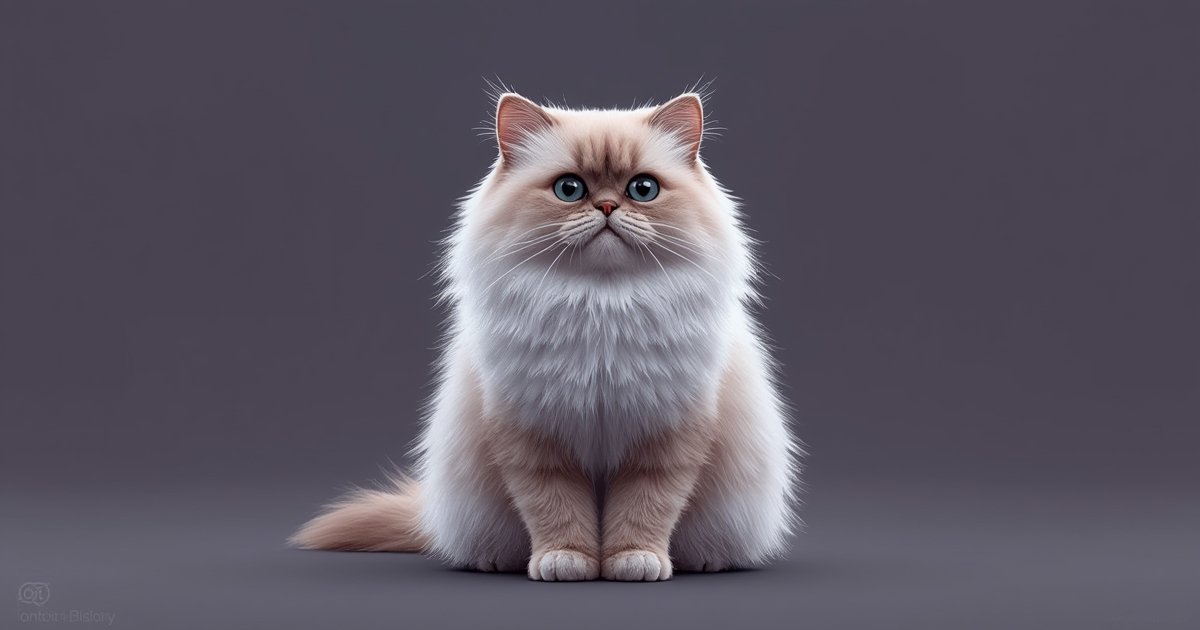
Meta Description: Unravel the secrets to a magnificent Persian cat coat in 2026! Discover expert Persian grooming techniques, essential tools, and health tips for a truly stunning feline. Get ready for their best look!
Understanding the Unique Persian Coat
The majestic Persian cat is renowned for its luxurious, long-haired coat, a hallmark of the breed’s elegance. This flowing mane isn’t just beautiful; it’s a double coat, consisting of a dense undercoat and a longer, silkier topcoat. Understanding this unique structure is the first step toward effective Persian grooming.
Many owners underestimate the commitment required to maintain such a magnificent coat. Without consistent care, the Persian’s fur can quickly become matted, leading to discomfort, skin issues, and a less-than-stellar appearance. Regular and thorough Persian grooming is not merely cosmetic; it’s vital for their health and well-being.
The length and density of a Persian’s fur make it prone to tangles, especially in areas like the armpits, behind the ears, and around the ruff and hindquarters. Seasonal shedding cycles also intensify the need for diligent grooming, as loose hair can contribute significantly to mat formation. Being proactive with your Persian grooming routine can save both you and your feline friend a lot of stress in the long run.
The Daily Ritual: Essential Persian Grooming Practices
Maintaining a Persian cat’s opulent coat demands a consistent daily routine. This isn’t a task to be done sporadically; it’s a commitment that ensures their comfort and keeps them looking their best. Establishing a regular schedule for Persian grooming is crucial for preventing mats and promoting a healthy skin and coat.
Daily Brushing: Your First Line of Defense
The cornerstone of any effective Persian grooming regimen is daily brushing. This helps remove loose hair, prevent tangles, and distribute natural oils throughout the coat, keeping it shiny and healthy. Without this daily ritual, mats can form rapidly, becoming painful and difficult to remove.
-
– Start with a wide-toothed comb to gently untangle larger sections of fur, working from the ends of the hair towards the skin. Be extremely gentle to avoid pulling.
– Follow with a slicker brush to remove loose undercoat and smooth out the topcoat. Use short, soft strokes, always brushing in the direction of hair growth.
– Pay special attention to high-friction areas such as the “pants” on their hind legs, armpits, and under the chin. These spots are notorious for matting.
– Finish with a metal comb, ensuring you can comb through the entire coat without snagging. If the comb catches, gently work out any remaining tangles.
Eye and Face Cleaning
Persian cats are known for their brachycephalic (flat) faces, which can lead to excessive tear staining. Regular cleaning is an essential part of their daily Persian grooming to prevent irritation and infection. This simple act can make a significant difference in their overall hygiene and appearance.
-
– Use a soft, damp cloth or a specialized feline eye wipe to gently clean around their eyes daily. Wipe away any discharge or tear stains.
– Ensure the cloth is clean and separate for each eye to prevent potential spread of bacteria.
– Regularly check the folds of their face for any trapped moisture or food particles, which can lead to skin irritation.
Advanced Persian Grooming Techniques for a Show-Stopping Look
While daily brushing is fundamental, occasional advanced techniques are necessary to keep your Persian cat’s coat truly pristine. These methods address deeper cleaning, specific coat issues, and overall presentation. Mastering these elements of Persian grooming will ensure your feline companion is always ready for their close-up.
Bathing Your Persian Cat
Contrary to popular belief, Persian cats do require baths, typically every 4-6 weeks, or more frequently if they get particularly dirty or have skin conditions. Regular bathing is a critical component of thorough Persian grooming, helping to remove excess oil, dirt, and dander that brushing alone cannot.
1. Prepare everything beforehand: specialized cat shampoo and conditioner, towels, a non-slip mat for the tub, and a small cup for rinsing.
2. Wet your cat gently with lukewarm water, avoiding their eyes and ears. Many owners find a detachable shower head helpful.
3. Apply a small amount of shampoo, lathering gently. Focus on working the shampoo through the entire coat, paying attention to the belly and paws.
4. Rinse thoroughly. This is crucial; residual shampoo can cause skin irritation and matting. Rinse until the water runs clear.
5. Apply a cat-safe conditioner, allowing it to sit for a few minutes as per product instructions, then rinse thoroughly again.
6. Gently squeeze excess water from their coat and wrap them in a towel. Avoid vigorous rubbing, which can cause tangles.
7. Blow-dry your cat on a low, cool setting. Keep the dryer moving to prevent overheating. Brush gently as you dry to prevent matting and ensure the coat dries straight and fluffy. Patience is key here.
8. Finish with a final comb-through to ensure no tangles remain. This step is vital for impeccable Persian grooming post-bath.
Dealing with Mats and Tangles
Despite best efforts, mats can sometimes form. Prompt and careful removal is essential to prevent them from becoming larger and more painful. Never try to cut out mats with scissors unless you are a trained professional, as it is extremely easy to cut their delicate skin.
-
– For small tangles, use a detangling spray designed for cats. Gently work the tangle apart with your fingers, then use a comb with widely spaced teeth.
– For larger or tighter mats, a mat splitter or a professional dematting tool can be used with extreme caution. Always insert the tool *under* the mat, close to the skin, and pull away from the body to cut through it.
– If a mat is very large, close to the skin, or causing pain, it is always best to consult a professional groomer or veterinarian. They can safely shave the mat out without injuring your cat.
Nail Trimming and Ear Cleaning
These often-overlooked aspects are vital for your cat’s overall comfort and health. Incorporate them into your regular Persian grooming schedule.
-
– **Nail Trimming**: Use sharp, cat-specific nail clippers. Gently press on your cat’s paw pad to extend the claw, and only clip the very tip, avoiding the pink quick. Trimming every 2-4 weeks prevents overgrown nails that can get caught or cause discomfort.
– **Ear Cleaning**: Check your cat’s ears weekly for dirt, wax buildup, or any signs of infection (redness, odor, excessive scratching). Use a veterinarian-approved ear cleaner and a cotton ball. Gently wipe the visible parts of the ear. Never insert anything into the ear canal.
Choosing the Right Tools for Flawless Persian Grooming
Investing in high-quality Persian grooming tools is non-negotiable for any owner committed to their cat’s comfort and coat health. The right equipment can make the grooming process smoother, more effective, and more enjoyable for both of you. Don’t skimp on these essentials; they are an investment in your cat’s well-being.
Comparison of Essential Persian Grooming Tools
| Product | Price | Pros | Cons | Best For |
|---|---|---|---|---|
| Slicker Brush (Long-Pin) | $15-30 | Excellent for removing loose undercoat and detangling surface knots. Soft, angled pins prevent scratching. | Can be uncomfortable if used too vigorously; pins can bend over time. | Daily brushing, removing shed fur, creating fluff. |
| Metal Comb (Fine/Wide-Tooth) | $10-25 | Indispensable for checking for mats near the skin and working out small tangles. Two tooth densities offer versatility. | Can pull hair if not used carefully; not ideal for initial detangling of very matted fur. | Finishing groom, mat detection, undercoat work. |
| Mat Splitter/Dematter | $20-40 | Designed specifically to cut through mats without pulling hair or contacting skin, safer than scissors. | Requires careful handling to avoid injury; only for cutting mats, not general grooming. | Targeted mat removal, especially larger, tighter mats. |
| Cat-Specific Nail Clippers | $8-20 | Ergonomic design for safe and precise clipping of feline claws; various types (scissor, guillotine). | Can cause fear if introduced improperly; risk of cutting the quick if not careful. | Regular nail maintenance to prevent overgrowth. |
| Feline Detangling Spray | $12-25 | Helps loosen tangles, moisturize fur, and reduce static, making combing easier and more comfortable. | Some cats may dislike the scent or spraying sound; results vary on mat severity. | Preventing new tangles, easing comb-through, adding shine. |
Shampoos and Conditioners
Always opt for cat-specific grooming products. Human shampoos can be too harsh for feline skin, altering their pH balance and causing dryness or irritation. Look for formulas designed for long-haired breeds or those with detangling properties.
-
– **Hypoallergenic formulas**: Ideal for cats with sensitive skin or allergies.
– **Detangling shampoos**: Contain ingredients that help smooth the hair shaft, making combing after the bath much easier.
– **Whitening shampoos**: Can help brighten white or light-colored Persian coats, but use with caution to avoid dryness.
Beyond the Brush: Diet, Health, and Environmental Factors
While hands-on Persian grooming is paramount, a truly magnificent coat is also a reflection of overall health. Diet, underlying health conditions, and even the environment play significant roles in the quality and manageability of your Persian’s fur. Addressing these factors complements your grooming efforts.
The Role of Nutrition in Coat Health
A high-quality diet is fundamental to a healthy, shiny coat. Nutritional deficiencies can lead to dull, dry, brittle fur that is more prone to matting and shedding. Just like humans, what a cat eats shows on the outside.
-
– **High-quality protein**: Essential for hair growth and strength. Look for cat foods with real meat as the first ingredient.
– **Omega fatty acids**: Omega-3 and Omega-6 fatty acids (found in fish oils, flaxseed) are crucial for skin hydration and a glossy coat. Supplements can be beneficial if not adequately provided in food.
– **Vitamins and minerals**: A balanced diet ensures your cat receives all necessary nutrients for optimal skin and coat health.
Impact of Underlying Health Conditions
Changes in coat quality, excessive shedding, or difficulty in grooming can sometimes signal an underlying health issue. Any sudden or persistent changes warrant a veterinary visit.
-
– **Parasites**: Fleas, ticks, and mites can cause skin irritation, itching, and lead to poor coat condition as your cat scratches excessively.
– **Allergies**: Environmental or food allergies can manifest as skin problems, leading to dry, flaky skin and dull fur.
– **Hormonal imbalances**: Conditions like hyperthyroidism can affect hair growth and shedding patterns.
– **Arthritis or pain**: Older cats with joint pain may struggle to groom themselves effectively, leading to mats, especially in hard-to-reach areas.
Environmental Considerations
Your cat’s living environment also plays a subtle but important role in coat maintenance. Factors like humidity and cleanliness can impact coat health and the ease of Persian grooming.
-
– **Humidity**: Extremely dry environments can lead to static electricity in the fur, making it more prone to tangles and breakage. A humidifier might help in arid climates.
– **Cleanliness**: A clean home environment means less dirt and dust accumulating in your cat’s coat, reducing the frequency of deep cleaning required.
– **Comfortable resting spots**: Providing soft, clean bedding helps protect the coat from friction and dirt.
Troubleshooting Common Coat Problems
Even with the most diligent Persian grooming routine, you might encounter specific coat challenges. Knowing how to troubleshoot these common problems effectively can save you stress and keep your cat comfortable.
Excessive Shedding
While Persians are naturally heavy shedder, excessive or unusual shedding can be a cause for concern. It is a critical aspect to consider during Persian grooming.
-
– **Dietary adjustments**: Ensure your cat is on a high-quality diet rich in omega fatty acids.
– **Increased brushing**: During shedding seasons (typically spring and fall), increase daily brushing frequency to twice a day to remove loose hair before it spreads or mats.
– **Veterinary check**: Rule out parasites, allergies, or underlying health issues that might contribute to excessive hair loss.
Dull or Dry Coat
A lack of luster can indicate a problem with diet, hydration, or inadequate grooming.
-
– **Nutritional boost**: Consider adding a veterinarian-approved omega-3 supplement to their diet.
– **Hydration**: Ensure your cat has access to fresh, clean water at all times. Consider a water fountain to encourage drinking.
– **Proper bathing**: Use moisturizing cat shampoos and conditioners. Avoid over-bathing, which can strip natural oils.
– **Humidity**: If your environment is very dry, a humidifier can help maintain skin and coat moisture.
Skin Irritations and Hot Spots
These often occur under matted fur or due to persistent scratching. Addressing them quickly is vital for your cat’s comfort.
-
– **Immediate mat removal**: If irritation is under a mat, the mat must be carefully removed by a professional to allow air to the skin.
– **Veterinary consultation**: Hot spots or persistent skin irritations often require veterinary attention for diagnosis and treatment (e.g., topical creams, antibiotics).
– **Allergy management**: Identify and manage any potential allergies that are causing itching and subsequent skin issues.
By integrating these troubleshooting tips into your comprehensive Persian grooming strategy, you can proactively manage and resolve coat issues, ensuring your Persian always looks and feels their best.
Mastering the art of Persian grooming is an ongoing journey that strengthens the bond with your beloved feline. From understanding their unique coat structure to implementing daily brushing, strategic bathing, and utilizing the right tools, every step contributes to their health and stunning appearance. Remember, a glossy, mat-free coat is not just a testament to your dedication but a key indicator of your Persian’s overall well-being. By considering diet, health, and environmental factors alongside hands-on care, you are setting your Persian up for a magnificent look and a comfortable life, well into 2026 and beyond. Consistency and patience are your greatest allies in this rewarding endeavor.
For more expert tips and personalized advice, feel free to reach out to our team of feline specialists. Your cat’s well-being is our priority!
Frequently Asked Questions (FAQ)
How often should I groom my Persian cat?
Persian cats require daily brushing to prevent mats and tangles, given their long, dense double coats. Additionally, they typically need a bath every 4-6 weeks to keep their fur clean and prevent skin issues. Nails should be trimmed every 2-4 weeks, and eyes cleaned daily.
What causes matting in Persian cats?
Matting in Persian cats is primarily caused by loose undercoat hair getting tangled with the longer guard hairs. Factors contributing to matting include infrequent brushing, incomplete drying after baths, high humidity, lack of essential fatty acids in the diet, and a cat’s inability to self-groom due to age or health issues.
Can I bathe my Persian cat at home, or should I take them to a professional groomer?
You can bathe your Persian cat at home, but it requires patience, the right tools (cat-specific shampoo/conditioner, powerful dryer), and a gentle approach. For initial baths, very matted cats, or if you’re uncomfortable, a professional groomer is highly recommended. They have the expertise and equipment to ensure a stress-free and thorough bath and groom.
What are the signs of a healthy Persian cat coat?
A healthy Persian coat should be soft, shiny, and free of mats and tangles. The skin underneath should be clear, free of redness, flakes, or bumps. Minimal shedding outside of seasonal changes is also a good sign, and there should be no strong odors coming from the fur.
Are there specific dietary supplements that can improve my Persian’s coat?
Yes, supplements rich in Omega-3 and Omega-6 fatty acids, such as fish oil or flaxseed oil, can significantly improve coat health, making it shinier and less prone to dryness and shedding. Always consult your veterinarian before adding any supplements to your cat’s diet to ensure proper dosage and suitability.
Leave a Reply