

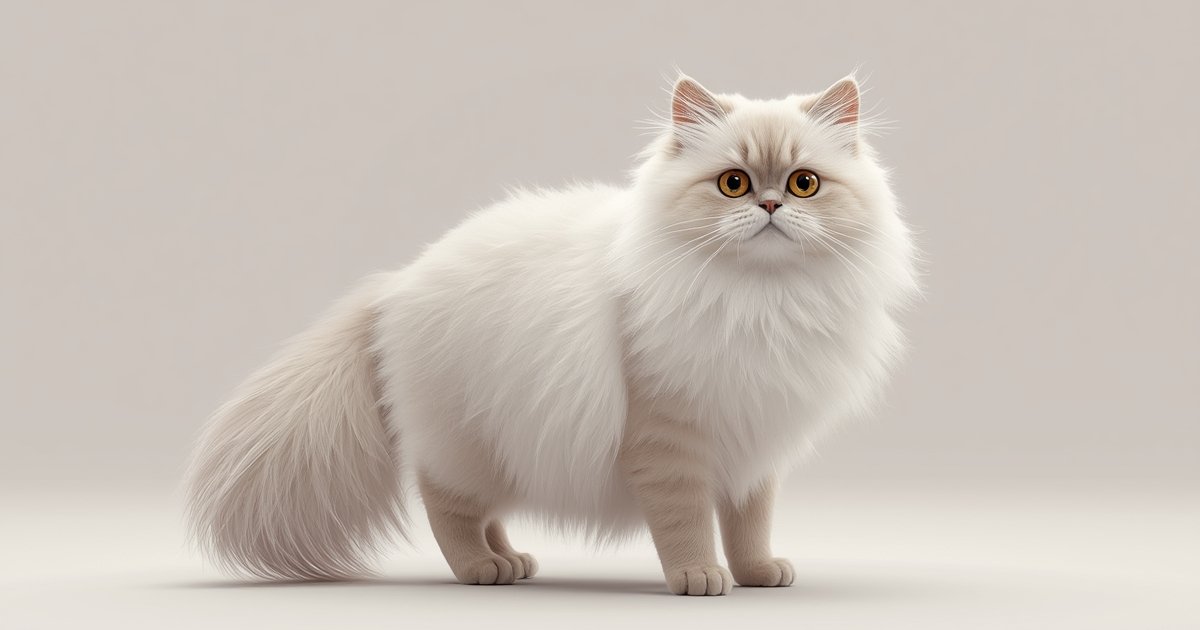
Discover professional Persian grooming secrets for a majestic mane. Learn expert tips, tools, and routines to keep your feline royal and healthy in 2026.
The Persian cat, with its distinctive flat face and luxurious long coat, is undeniably one of the most majestic breeds in the feline world. However, maintaining that opulent fur requires consistent dedication and the right techniques. If you’re wondering how to keep your Persian’s coat pristine, you’re in the right place. Mastering Persian grooming is not just about aesthetics; it’s fundamental to their health and well-being, preventing painful mats and skin issues. This comprehensive guide will transform your approach to caring for your regal companion, ensuring they look and feel their absolute best.
Understanding the Persian Cat’s Unique Coat
The hallmark of a Persian cat is its magnificent, long, flowing double coat. This dense fur, while beautiful, is also prone to tangles, mats, and collecting debris. The outer coat is long and silky, while the undercoat is thick and woolly, providing insulation but also contributing to shedding and matting if not properly managed. Understanding the nature of this coat is the first step towards effective Persian grooming.
Their fur can grow up to eight inches long in some areas, making it a constant project to keep it clean and knot-free. Without regular attention, mats can quickly form, pulling at the skin and causing discomfort, pain, and even skin infections. Shedding is also a year-round affair, with seasonal peaks, meaning regular brushing is not just a recommendation but a necessity. Proper Persian grooming prevents these common issues and maintains the integrity of their coat and skin.
Essential Tools for Professional Persian Grooming
Equipping yourself with the right tools is paramount to successful Persian grooming. Skimping on quality here will only make the task more difficult and less effective. Professional groomers rely on a specific arsenal of brushes, combs, and hygiene products designed to tackle the unique challenges of a Persian’s coat.
Comparison of Top Grooming Tools for Persian Cats
Investing in high-quality tools tailored for long-haired breeds will significantly ease your Persian grooming routine and improve outcomes. From detangling to shining, each tool plays a vital role in maintaining their regal appearance and health.
| Product | Price | Pros | Cons | Best For |
|---|---|---|---|---|
| Chris Christensen Oval Pin Brush | $40-$60 | Gently detangles without static, high-quality pins won’t scratch skin. Durable construction. | Higher price point, may not remove all loose undercoat. | Daily brushing, maintaining coat health and shine. |
| Andis Steel Pet Comb (Coarse/Fine) | $10-$15 | Essential for checking for mats, separates individual hairs effectively. Dual-sided for versatility. | Can pull if not used carefully, requires patience for severe tangles. | Mat detection, finishing, delicate facial areas. |
| Safari De-matting Comb | $15-$25 | Specifically designed blades to safely cut through small mats without pulling. Ergonomic handle. | Requires careful handling to avoid cutting skin, not for general brushing. | Targeted mat removal, especially behind ears and under legs. |
| Bio-Groom Silky Cat Shampoo | $15-$25 | Formulated for long-haired cats, leaves coat soft and manageable, pH-balanced. Pleasant scent. | Might require a conditioner for optimal results on very dry coats. | Regular bathing, deep cleaning, enhancing silkiness. |
| Paw Brothers Nail Clippers (Small) | $10-$18 | Sharp blades for clean cuts, comfortable grip, safety guard to prevent over-cutting. | Blades can dull over time, requires periodic replacement. | Routine nail trimming, preventing snagging and discomfort. |
Beyond these, you’ll also need:
– **Slicker Brush:** Great for removing loose fur and stimulating the skin, though use gently to avoid irritation.
– **Undercoat Rake:** A specialized tool for safely removing loose undercoat, reducing shedding and preventing mats.
– **Cat-Specific Shampoo and Conditioner:** Always choose pH-balanced, tearless formulas designed for cats. Look for products that promote detangling and coat health.
– **High-Velocity Pet Dryer:** Essential for thoroughly drying their thick coat after bathing to prevent matting and skin issues like hot spots.
– **Eye Wipes and Ear Cleaner:** Persians are prone to tear staining and ear wax buildup due to their facial structure, making these items vital.
– **Scissors with Blunt Tips:** For carefully trimming small mats or sanitary areas.
The Step-by-Step Royal Grooming Routine
A consistent Persian grooming routine is the backbone of a healthy, beautiful cat. This isn’t a once-a-month task; it’s an ongoing commitment that pays dividends in your cat’s comfort and appearance.
Daily Brushing Ritual
Daily brushing is non-negotiable for a Persian cat. Aim for 10-15 minutes each day.
1. **Start with a Pin Brush:** Gently work through the entire coat, section by section. Pay close attention to areas prone to matting: behind the ears, armpits, belly, and “britches” (the fur around their hind legs).
2. **Follow with a Metal Comb:** Use the wide-toothed side first, then the fine-toothed side, to ensure all tangles are removed. If the comb glides through the fur without snagging, the coat is thoroughly brushed. This step is crucial for effective Persian grooming.
3. **Check for Mats:** Run your fingers through the fur to feel for any knots that might have been missed. Address any small tangles immediately with a de-matting comb or blunt-tipped scissors if necessary, being extremely careful not to nick the skin.
Weekly Bathing Techniques
Bathing a Persian cat can be a daunting task, but a proper weekly or bi-weekly bath is essential to keep their long coat clean and free of oils that can cause matting.
1. **Pre-Bath Preparation:** Thoroughly brush and comb your cat to remove any tangles or mats before bathing. Water will only tighten mats, making them impossible to remove. Trim their nails beforehand to protect yourself.
2. **Gather Supplies:** Have everything ready: shampoo, conditioner, towels, and a high-velocity dryer.
3. **The Bath:** Use lukewarm water and a non-slip mat in the tub. Gently wet your cat, apply a cat-specific shampoo, and work it into a lather, paying attention to all areas. Rinse thoroughly until no suds remain. Residual shampoo can irritate the skin.
4. **Conditioning:** Apply a cat conditioner, let it sit for a few minutes as per product instructions, then rinse thoroughly.
5. **Drying is Key:** This is perhaps the most critical step in Persian grooming. Wrap your cat in a towel to absorb excess water, then immediately use a high-velocity pet dryer on a low, cool setting. Keep the nozzle moving to avoid overheating. Brush the coat as you dry it, ensuring every layer, down to the skin, is completely dry. Any dampness can lead to mats and skin problems.
Nail Trimming and Paw Care
Regular nail trims prevent ingrown nails and discomfort. Aim for every 2-4 weeks.
1. **Identify the Quick:** The quick is the blood vessel within the nail. Always trim only the tip, avoiding the quick. If your cat has clear nails, you can see it; for dark nails, err on the side of caution.
2. **Use Sharp Clippers:** Hold the paw firmly and clip quickly and cleanly. If you accidentally nick the quick, use styptic powder to stop the bleeding.
3. **Paw Pad Health:** Check paw pads for dryness, cracks, or foreign objects. Keep the fur between their paw pads trimmed to prevent matting and improve traction.
Eye and Ear Cleaning Protocol
Persians are prone to tear staining due to their brachycephalic (flat) faces, and their ears can accumulate wax.
1. **Eye Cleaning:** Use a soft, damp cloth or a specialized eye wipe daily to gently clean away tear stains and discharge around their eyes. Be careful not to irritate the eye itself.
2. **Ear Cleaning:** Check ears weekly. If you see dirt or wax, use a vet-approved ear cleaner and cotton balls. Never use cotton swabs inside the ear canal. If there’s excessive wax, odor, or redness, consult your vet as it could indicate an infection.
Addressing Mats and Tangles
Even with diligent daily Persian grooming, mats can sometimes appear.
– **Small Mats:** Try to gently tease them apart with your fingers or the fine end of a metal comb. Use a detangling spray to help loosen the fur.
– **Stubborn Mats:** For more stubborn mats, a de-matting tool can be used with extreme caution. Always pull the mat away from the skin before attempting to cut or comb it out.
– **Severe Matting:** If a mat is too close to the skin, large, or painful, do not attempt to remove it yourself. This is a job for a professional groomer or veterinarian, who can safely shave the area. Attempting to cut out severe mats can easily injure your cat.
Advanced Tips and Troubleshooting for Persian Grooming
Beyond the basics, there are several advanced techniques and considerations that can elevate your Persian grooming skills and address specific challenges.
Dealing with excessive shedding can be frustrating. While regular brushing is key, incorporating an undercoat rake a few times a week can significantly reduce the amount of loose fur. Additionally, supplementing your cat’s diet with Omega-3 and Omega-6 fatty acids can improve coat health, making it stronger and reducing shedding. Always consult your vet before adding supplements.
Dietary considerations play a crucial role in coat health. A high-quality cat food rich in essential fatty acids, vitamins, and minerals will be reflected in a shiny, healthy coat. Conversely, poor nutrition can lead to a dull, brittle coat more prone to matting. Researching premium cat food brands specifically formulated for long-haired breeds can make a noticeable difference in your Persian grooming efforts.
Deciding between professional grooming and DIY Persian grooming depends on your comfort level, time, and your cat’s temperament. Professional groomers have specialized equipment, skills, and knowledge to handle difficult cases and perform advanced services like lion cuts, which can be beneficial for cats prone to severe matting or during hot summer months. However, daily home care remains essential, even with professional help.
Handling difficult cats during grooming requires patience, positive reinforcement, and sometimes, a little creativity. Introduce grooming tools slowly, use treats and praise generously, and keep sessions short initially. If your cat becomes overly stressed, stop and try again later. For extremely resistant cats, discussing mild sedatives with your vet or seeking professional grooming assistance might be necessary to ensure their health and safety.
Recognizing skin issues during your regular Persian grooming routine is vital for early intervention. Look for redness, flakiness, bumps, sores, or excessive licking/scratching. These could indicate allergies, parasites, fungal infections, or other dermatological problems. Any unusual findings warrant a visit to the veterinarian for diagnosis and treatment.
Maintaining Health and Hygiene Beyond the Brush
While a beautiful coat is a clear indicator of a well-cared-for Persian, holistic health and hygiene extend beyond the visible fur. A truly regal cat is healthy from nose to tail, inside and out.
Dental care is often overlooked but is crucial for your cat’s overall health. Just like humans, cats can suffer from plaque buildup, tartar, gingivitis, and periodontal disease. These issues can lead to pain, tooth loss, and even systemic health problems. Brushing your cat’s teeth daily with a cat-specific toothbrush and toothpaste is ideal. Dental treats, water additives, and professional dental cleanings by your vet can also contribute to good oral hygiene.
Regular vet check-ups are fundamental to preventative care. Even if your Persian appears healthy, annual visits allow your veterinarian to catch potential issues early, administer necessary vaccinations, and provide advice tailored to your cat’s specific needs. These check-ups are also an opportunity to discuss any grooming challenges or skin concerns you might have observed.
Environmental considerations also impact your Persian’s coat and skin. A clean home free of excessive dust and allergens can reduce skin irritation and the need for frequent bathing. Maintaining appropriate humidity levels, especially in dry climates, can prevent skin and coat from becoming brittle. Regular vacuuming and cleaning of your cat’s bedding are simple yet effective ways to support their hygiene.
By incorporating these additional aspects of health and hygiene into your routine, you are not just grooming a cat; you are nurturing a truly healthy and happy companion. The dedication you put into their care reflects the deep bond you share, ensuring your Persian lives a long, comfortable, and majestic life.
The journey to mastering Persian grooming is one of patience, consistency, and love. By committing to a regular routine, utilizing the right tools, and understanding your cat’s unique needs, you can ensure their magnificent coat remains a source of pride and comfort. This isn’t just about superficial beauty; it’s about safeguarding their health and enhancing their quality of life. Embrace the daily ritual, and you’ll not only keep your Persian looking like royalty but also strengthen the incredible bond you share.
For more expert advice on pet care and advanced grooming techniques, connect with us at Dax AI. We’re here to help you unlock the full potential of your pet’s well-being journey.
Frequently Asked Questions About Persian Grooming
What is the best type of brush for a Persian cat?
The best combination for Persian grooming is a good quality pin brush for daily detangling, followed by a wide-toothed metal comb to ensure no mats are missed. A slicker brush can also be used gently to remove loose undercoat, and an undercoat rake is excellent for shedding seasons.
How often should I bathe my Persian cat?
Persian cats typically need a bath every 1-2 weeks due to their long, dense coats that can easily collect oils and debris. Regular bathing helps prevent matting and keeps their fur clean and healthy. Always ensure thorough drying after each bath to prevent skin issues.
Can I use human shampoo on my Persian cat?
No, you should never use human shampoo on a cat. Human shampoos are formulated for a different pH level than a cat’s skin and can cause dryness, irritation, and skin problems. Always use a cat-specific, pH-balanced shampoo and conditioner.
My Persian cat hates being groomed. What should I do?
Start with short, positive grooming sessions, rewarding your cat with treats and praise. Introduce tools slowly and gently. If your cat is severely stressed, try wrapping them in a towel (a “kitty burrito”) for brief periods, or consult with your vet about calming aids or professional grooming services.
How do I prevent tear stains on my Persian’s face?
Tear stains are common in Persians due to their flat faces. Daily cleaning with a soft, damp cloth or specialized eye wipes can help. Ensure their diet is high-quality, and address any underlying issues like eye infections or blocked tear ducts with your veterinarian.
When should I consider a professional groomer?
Consider a professional groomer if your cat has severe matting you can’t safely remove, if you struggle with bathing or nail trimming, or if you want specialized services like a sanitary trim or a “lion cut” for summer. Professional groomers have the expertise and tools to handle challenging situations.
Leave a Reply