

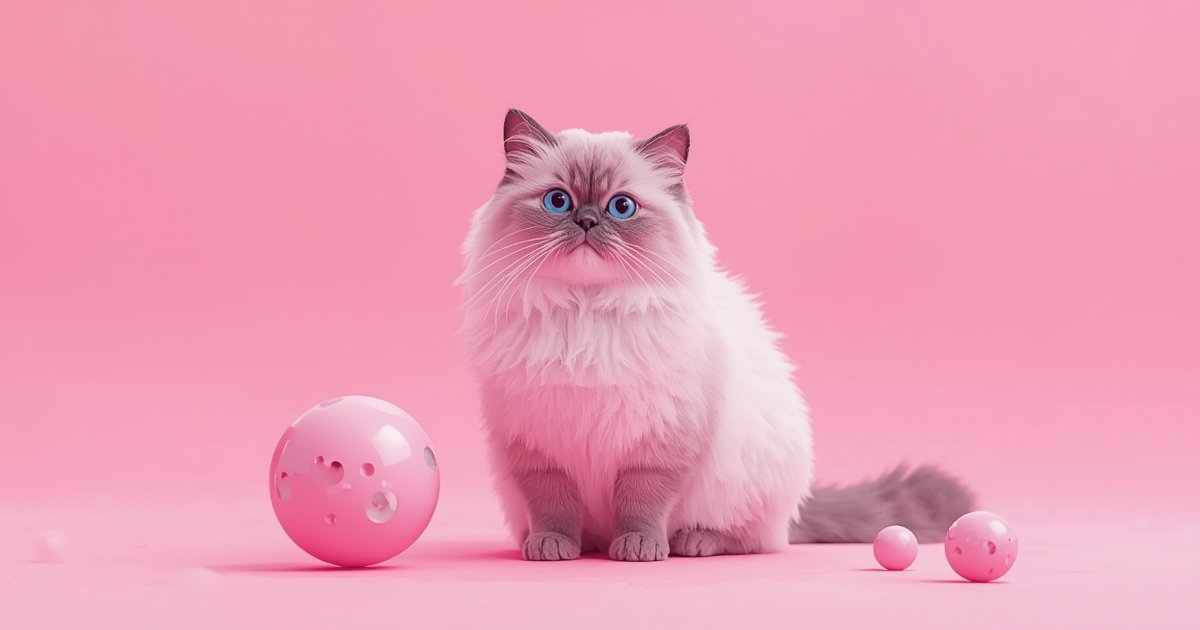
Meta description: Unlock the secrets to optimal Persian Health in 2026 with our ultimate guide! Learn about grooming, nutrition, common issues, and vet care for your beloved feline.
Understanding the Unique Needs of Persian Health
Welcoming a Persian cat into your home is an invitation to a world of elegance, affection, and unique care requirements. These magnificent felines, with their distinctive flat faces and luxurious coats, require a specialized approach to ensure their well-being. Achieving optimal Persian Health isn’t just about addressing issues as they arise; it’s about proactive care and understanding their specific predispositions. This comprehensive guide will illuminate the path to a thriving life for your cherished Persian companion in 2026 and beyond, focusing on preventative strategies and attentive daily routines.
The distinct physical characteristics of Persians, from their long fur to their brachycephalic (flat) facial structure, directly impact their health needs. Their beauty comes with responsibilities, demanding dedicated attention to grooming, diet, and environmental considerations. Without this understanding, even minor oversights can lead to significant health challenges. Prioritizing Persian Health means becoming an informed and vigilant guardian, ready to adapt to their evolving needs.
Mastering the Art of Persian Grooming
Persian cats are renowned for their magnificent, long, flowing coats, which are undoubtedly one of their most captivating features. However, this stunning fur demands significant commitment to grooming to prevent matting, skin issues, and discomfort. Regular and thorough grooming is not just about aesthetics; it is a cornerstone of excellent Persian Health. Neglecting this crucial aspect can lead to painful tangles, skin infections, and even digestive problems from excessive hair ingestion.
Daily Brushing for a Healthy Coat
Daily brushing is non-negotiable for a Persian cat. Their double coat, consisting of a dense undercoat and long guard hairs, easily traps loose hair and debris, forming mats quickly. A gentle, consistent routine will keep their fur smooth and free of knots. Investing in the right tools is paramount, as using inappropriate brushes can damage their delicate skin or pull their fur unnecessarily.
– Start with a wide-toothed comb to gently untangle any surface knots.
– Follow with a slicker brush to remove loose undercoat and dead hair, being careful around sensitive areas.
– Finish with a metal comb to ensure no mats have been missed, working section by section.
– Always brush in the direction of hair growth, and be particularly attentive to areas prone to matting, such as behind the ears, armpits, and under the tail.
Bathing Your Persian: A Necessary Ritual
While brushing is daily, regular bathing is also essential for maintaining the pristine condition of a Persian’s coat and skin. Depending on their lifestyle and coat type, a bath every 4-6 weeks is often recommended. Use cat-specific shampoos and conditioners designed for long-haired breeds to prevent skin irritation and dryness.
– Prepare all your supplies before starting, including towels, shampoo, conditioner, and a non-slip mat for the tub.
– Use lukewarm water and thoroughly wet your cat, being careful to avoid their eyes and ears.
– Lather gently, focusing on removing dirt and oil, then rinse meticulously until all shampoo residue is gone.
– Towel dry thoroughly, then use a low-heat hairdryer while brushing to ensure the coat dries completely, preventing matting and chills.
Eye and Ear Care for Brachycephalic Breeds
Due to their unique facial structure, Persians are prone to excessive tearing, which can stain their fur and lead to skin irritation or infection. Daily cleaning of the eye area is vital. Use a soft, damp cloth or a specialized eye wipe to gently remove tear stains and discharge. Similarly, check their ears weekly for dirt, wax buildup, or signs of infection. Clean with a vet-approved ear cleaner, only cleaning the outer ear canal and never inserting anything deep into the ear. This routine care significantly contributes to overall Persian Health.
Comparison of Essential Grooming Tools for Persians
Selecting the right grooming tools can make a significant difference in the effectiveness and comfort of your Persian’s grooming routine. High-quality tools are an investment in your cat’s well-being and can help prevent common issues like matting and skin irritation.
| Product | Price | Pros | Cons | Best For |
|---|---|---|---|---|
| Safari Slicker Brush for Cats | $10-15 | Excellent for removing loose fur and preventing mats, gentle on sensitive skin. | Can be less effective on very dense, deep mats; some cats dislike the bristles. | Daily maintenance brushing and undercoat removal. |
| GoPets Dematting Comb with 2 Sided Rake | $20-25 | Specifically designed to tackle severe mats and tangles without pulling the fur. | Requires careful handling to avoid cutting skin; not for everyday use. | Breaking down existing mats and tangles. |
| Hertzko Self Cleaning Slicker Brush | $15-20 | Easy to clean with a push-button retraction, good for regular brushing. | Might not penetrate very thick coats as deeply as other slickers. | Convenient daily brushing and quick cleanup. |
| Chris Christensen Big G Slicker Brush | $50-60 | Premium quality, effective for fluffy coats, reduces static, durable. | High price point, may be overkill for cats with less dense coats. | Professional groomers or owners seeking top-tier performance for show cats. |
Optimizing Your Persian’s Diet for Longevity
Nutrition plays a pivotal role in maintaining robust Persian Health. A well-balanced diet provides the energy, nutrients, and immune support necessary for their long, healthy lives. Given their specific physical traits, Persians benefit from carefully chosen food that addresses their unique needs, such as their brachycephalic jaw structure and propensity for hairballs.
Choosing the Right Food Type and Kibble Shape
When selecting food for your Persian, consider premium quality options that list meat as the first ingredient. Look for formulas designed for long-haired breeds, which often contain specific ingredients to support coat health and reduce hairball formation. Crucially, the shape and size of the kibble matter for Persians. Their flattened faces can make it difficult to pick up and chew standard kibble shapes.
– Opt for wider, flatter kibble shapes that are easier for them to scoop up with their tongue and chew.
– Wet food can also be an excellent addition, providing hydration and often being easier for them to consume.
– Always introduce new foods gradually over 7-10 days to avoid digestive upset.
Addressing Hairball Management Through Diet
Hairballs are a common concern for long-haired cats like Persians. While regular grooming significantly reduces ingested fur, dietary support can further mitigate the problem. Many high-quality cat foods include ingredients like natural fibers (e.g., beet pulp, psyllium) that help move ingested hair through the digestive tract.
– Consider foods specifically marketed for hairball control.
– Incorporate small amounts of specialized hairball remedies (e.g., a paste) with vet approval, particularly during shedding seasons.
– Ensure constant access to fresh water, as good hydration aids digestion and hairball passage.
Nutritional Supplements and Hydration
While a complete and balanced commercial diet should provide most necessary nutrients, some Persians may benefit from specific supplements under veterinary guidance. Omega-3 and Omega-6 fatty acids, for instance, can further enhance skin and coat health. Probiotics can support digestive health, which is crucial for nutrient absorption and overall Persian Health.
Hydration is just as vital as food. Many cats do not drink enough water from a bowl, especially if they are primarily fed dry kibble.
– Encourage water intake by offering multiple water stations around the house.
– Consider a pet drinking fountain, as many cats prefer flowing water over still water.
– Incorporate wet food into their diet, as it has a higher moisture content.
Common Health Concerns and Preventive Measures
Persian cats, despite their generally robust nature, are predisposed to certain genetic and breed-specific health conditions. Understanding these potential challenges is key to early detection and effective management, ensuring the best possible Persian Health throughout their lives. Preventive measures and regular veterinary check-ups are paramount.
Brachycephalic Airway Syndrome (BAS)
Due to their flattened facial structure, Persians can suffer from Brachycephalic Airway Syndrome (BAS). This condition encompasses several anatomical abnormalities that obstruct airflow, including stenotic nares (narrow nostrils), an elongated soft palate, and hypoplastic trachea (narrow windpipe).
– **Symptoms:** Noisy breathing, snoring, difficulty exercising, heat intolerance, and in severe cases, respiratory distress.
– **Prevention/Management:** Keep your Persian cool, avoid strenuous exercise, maintain a healthy weight. Surgical correction can significantly improve quality of life for severe cases. Early diagnosis is crucial.
Polycystic Kidney Disease (PKD)
PKD is a hereditary condition common in Persian cats, characterized by the development of multiple cysts in the kidneys. These cysts gradually enlarge, eventually leading to kidney failure.
– **Symptoms:** Increased thirst and urination, weight loss, lethargy, poor coat quality, vomiting. Symptoms typically appear later in life, often between 7-10 years of age.
– **Prevention/Management:** Responsible breeders should screen their cats for PKD using genetic testing (DNA test). If you are considering a Persian kitten, ensure the parents have been tested clear. Regular veterinary check-ups with blood work and urinalysis can monitor kidney function.
Hypertrophic Cardiomyopathy (HCM)
HCM is the most common heart disease in cats, causing the muscular walls of the heart to thicken, reducing its efficiency. Persians are genetically predisposed to this condition.
– **Symptoms:** Can be subtle or absent in early stages. May include lethargy, loss of appetite, difficulty breathing, or sudden collapse.
– **Prevention/Management:** Regular cardiac screenings (echocardiograms) by a veterinary cardiologist are recommended for breeding cats and can help detect the condition early in pets. There is no cure, but medication can manage symptoms and improve quality of life.
Progressive Retinal Atrophy (PRA)
PRA is another inherited eye disorder that causes the progressive degeneration of the retina, leading to blindness.
– **Symptoms:** Night blindness, dilated pupils, reluctance to enter dark rooms.
– **Prevention/Management:** Like PKD, responsible breeding practices involving genetic testing are the primary preventive measure. While there’s no treatment, affected cats can adapt well to blindness in a familiar environment.
Other Common Issues and Preventive Steps
– **Dental Disease:** Persians are prone to dental issues. Regular brushing with cat-specific toothpaste, dental treats, and professional dental cleanings under anesthesia are essential.
– **Ringworm:** A common fungal infection. Maintain good hygiene and seek vet attention for bald patches or skin lesions.
– **Obesity:** Overfeeding and lack of exercise can lead to obesity, exacerbating other health issues. Monitor food portions and encourage play.
Regular veterinary examinations, at least once a year for adults and more frequently for kittens and seniors, are the cornerstone of preventive Persian Health. These visits allow your vet to perform thorough physical exams, discuss any concerns, and recommend appropriate screenings or vaccinations.
Creating a Stimulating and Safe Environment
A Persian cat’s environment plays a crucial role in their physical and mental well-being. A safe, clean, and stimulating home supports their natural behaviors, reduces stress, and directly contributes to their overall Persian Health. Considering their unique needs, designing a comfortable space for your feline friend is an act of love and responsible pet ownership.
Indoor Living and Safety Considerations
Persian cats are almost exclusively indoor cats due to their delicate features, long coats, and gentle temperament. Keeping them indoors protects them from outdoor hazards such as traffic, predators, parasites, and infectious diseases. However, an indoor environment needs to be safe and engaging.
– **Secure Windows and Doors:** Ensure all windows have secure screens and doors are always closed to prevent accidental escapes.
– **Remove Toxins:** Keep all household cleaners, medications, toxic plants (lilies, sago palms, etc.), and small ingestible items out of reach.
– **Temperature Control:** Due to their brachycephalic nature, Persians are highly sensitive to heat. Maintain a comfortable, cool indoor temperature, especially during warmer months. Air conditioning or fans are essential.
Enrichment and Mental Stimulation
While often perceived as placid lap cats, Persians still require mental and physical stimulation to prevent boredom and promote good health. A bored cat can develop behavioral problems or become lethargic.
– **Interactive Toys:** Provide a variety of toys that encourage chasing, pouncing, and batting. Rotate toys regularly to keep things interesting.
– **Puzzle Feeders:** These can slow down eating and provide mental engagement as your cat “works” for their food.
– **Scratching Posts and Cat Trees:** Offer vertical space for climbing and scratching, which are natural cat behaviors. Look for sturdy cat trees that allow them to observe their surroundings from a height.
– **Window Perches:** A secure perch near a window provides endless entertainment as they watch birds and squirrels.
Maintaining a Clean Living Space
A clean environment prevents the spread of bacteria, parasites, and allergens, all of which contribute to better Persian Health.
– **Litter Boxes:** Scoop litter boxes at least once daily, and thoroughly clean and refill them weekly. Provide at least one litter box per cat, plus one extra, and place them in quiet, accessible locations.
– **Bedding:** Regularly wash your cat’s bedding to remove dander, hair, and potential allergens.
– **Vacuuming:** Frequent vacuuming helps control shedding and reduces allergens in the home.
The Vital Role of Regular Veterinary Care
Even with the most diligent home care, regular professional veterinary attention is indispensable for maintaining optimal Persian Health. Your veterinarian is your primary partner in disease prevention, early diagnosis, and ongoing health management. Establishing a consistent schedule of check-ups ensures that any potential issues are caught and addressed promptly.
Scheduled Check-ups and Vaccinations
For adult Persian cats, an annual wellness examination is generally recommended. For kittens, a series of visits are needed for their initial vaccinations and deworming. Senior Persians (typically over 7-8 years old) may benefit from semi-annual check-ups, as health conditions can progress more rapidly with age.
During these visits, your vet will perform a comprehensive physical exam, checking their weight, teeth, ears, eyes, coat, and palpating their abdomen. They will also discuss:
– **Vaccination Status:** Ensuring your cat is protected against common feline diseases like Feline Panleukopenia, Feline Rhinotracheitis, Feline Calicivirus, and Rabies.
– **Parasite Control:** Discussing flea, tick, and heartworm prevention tailored to your cat’s lifestyle and local risks.
– **Diet and Nutrition:** Reviewing their current diet and making recommendations based on their age, weight, and health status.
– **Behavioral Changes:** Addressing any new or concerning behaviors that might indicate underlying health issues.
Diagnostic Screenings and Early Detection
Beyond the physical exam, your veterinarian may recommend various diagnostic screenings, especially for breeds prone to specific conditions like Persians. These can include:
– **Blood Work (Complete Blood Count and Chemistry Panel):** Provides insights into organ function, screens for infections, and checks for anemia. Recommended annually for seniors or if specific health concerns arise.
– **Urinalysis:** Assesses kidney function and screens for urinary tract infections or other urinary conditions.
– **Genetic Testing:** Particularly important for conditions like PKD and PRA. If you adopted your Persian cat and their genetic history is unknown, your vet might recommend specific tests.
– **Echocardiogram:** For monitoring heart health, especially given the Persian predisposition to HCM.
Early detection through these screenings can significantly impact the prognosis and management of many conditions. For instance, catching kidney disease early can allow for dietary changes and medications that slow its progression.
Emergency Preparedness and Knowing When to Seek Help
Despite all preventive measures, emergencies can still occur. Knowing when to contact your vet immediately is crucial for preserving your Persian Health.
– **Signs requiring immediate veterinary attention:** Difficulty breathing, persistent vomiting or diarrhea, lethargy, sudden lameness, loss of appetite for more than 24 hours, unexplained swelling, urinating outside the litter box (especially if straining), or any signs of pain.
– **Emergency Kit:** Have a basic first-aid kit for cats ready, including bandages, antiseptic wipes, and your vet’s emergency contact information.
– **Communicate:** Don’t hesitate to call your vet if you’re unsure about a symptom. It’s always better to err on the side of caution.
Your proactive involvement in regular veterinary care ensures that your Persian cat receives the best possible medical attention throughout their life, allowing them to thrive and enjoy many happy years as a cherished family member.
Adopting these practices and staying informed about the nuances of Persian Health will pave the way for a long, joyful life for your elegant companion. From meticulous grooming to a tailored diet and vigilant veterinary care, every step you take contributes significantly to their overall well-being. The distinctive needs of Persian cats require a dedicated approach, but the boundless affection and serene presence they bring to your home make every effort worthwhile. Continue to educate yourself, consult with your veterinarian, and cherish the unique bond you share.
Frequently Asked Questions About Persian Health
What are the most common health problems in Persian cats?
Persian cats are predisposed to several breed-specific conditions, including Brachycephalic Airway Syndrome (BAS) due to their flat faces, Polycystic Kidney Disease (PKD), Hypertrophic Cardiomyopathy (HCM), and Progressive Retinal Atrophy (PRA). Dental disease and hairballs are also common concerns.
How often should I groom my Persian cat?
Daily brushing is essential for a Persian’s long coat to prevent matting and tangles. Baths are typically recommended every 4-6 weeks, and daily cleaning of their eyes is crucial to prevent tear staining and irritation.
What kind of food is best for a Persian cat?
Choose a high-quality cat food with meat as the primary ingredient. Look for formulas designed for long-haired breeds, which often contain specific fibers to help with hairball control. Importantly, select kibble with a shape and size that is easy for their brachycephalic jaws to pick up and chew.
Are Persian cats prone to obesity?
Yes, Persian cats can be prone to obesity, especially if overfed and not adequately stimulated with play. Their calm demeanor means they might not be as active as other breeds, making proper portion control and encouraging interactive play crucial for maintaining a healthy weight.
How can I tell if my Persian cat is in pain or unwell?
Signs of illness or pain in Persian cats can be subtle and include changes in appetite or thirst, lethargy, hiding, changes in litter box habits, difficulty breathing, vomiting, diarrhea, limping, or unusual vocalizations. If you observe any of these symptoms, consult your veterinarian promptly.
Leave a Reply