

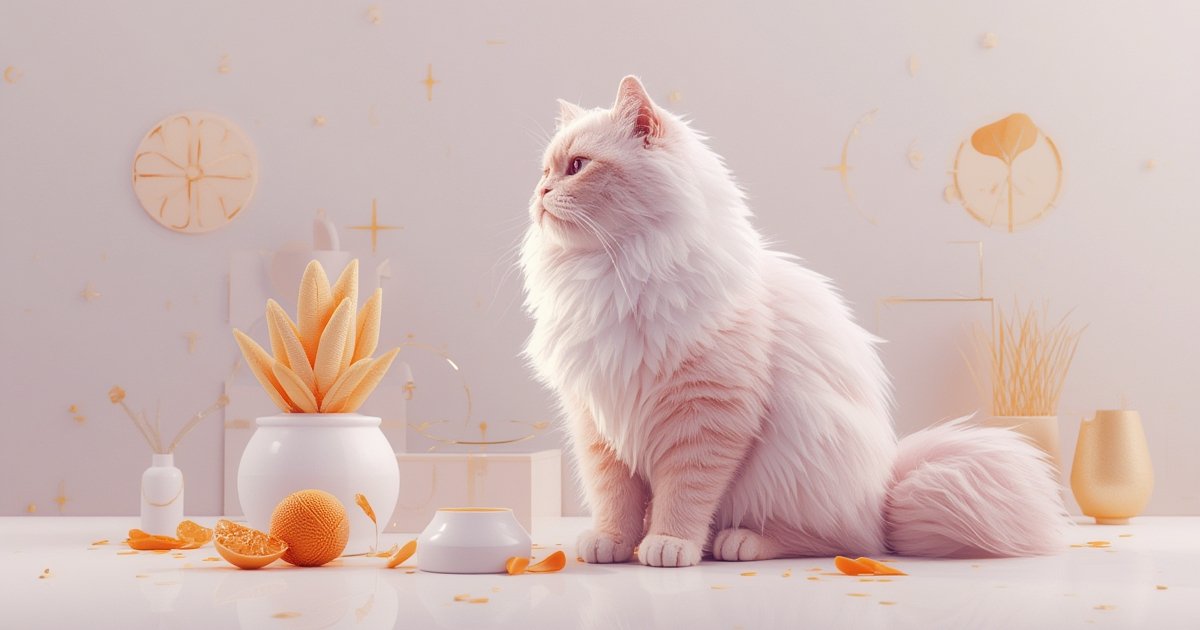
Discover the ultimate Persian Nutrition guide for 2026. Learn about diet, supplements, and feeding strategies to ensure your Persian cat thrives with optimal health and vitality.
Persian cats, with their luxurious long coats and sweet, docile temperaments, are truly magnificent companions. Their distinctive flat faces and elegant build make them one of the most beloved breeds worldwide. However, their unique physical characteristics also come with specific care requirements, especially when it comes to their diet. Ensuring proper Persian Nutrition is paramount for their longevity, coat health, and overall well-being. This guide will delve deep into everything you need to know to provide your beloved feline with the best possible dietary foundation, setting them up for a vibrant and healthy life in 2026 and beyond.
Understanding the nuances of their digestive system, recognizing potential health challenges, and selecting the right food are crucial steps. A well-balanced diet not only fuels their playful spirit but also helps manage common breed-specific issues. From kittenhood to their senior years, tailored Persian Nutrition can make all the difference in their quality of life.
The Unique Nutritional Needs of Persian Cats
Persian cats are not just any domestic feline; they are a breed with specific anatomical features that influence their dietary needs and how they consume food. Their brachycephalic (flat) faces, while endearing, mean they can struggle with picking up certain kibble shapes and sizes. This physical trait necessitates careful consideration when choosing their food, as it impacts both their ability to eat efficiently and their overall enjoyment of mealtime.
Beyond their eating mechanics, their long, dense coats demand a diet rich in specific nutrients to maintain their luster and prevent matting. Skin and coat health are often direct reflections of internal nutrition. A poor diet can lead to dull fur, excessive shedding, and skin irritations, all of which require more intensive grooming and can cause discomfort for your cat.
Digestive Sensitivities and Common Health Concerns
Like many purebred cats, Persians can be prone to certain genetic conditions and digestive sensitivities. These can include kidney disease, polycystic kidney disease (PKD), and a predisposition to hairballs due to their extensive grooming. Optimal Persian Nutrition plays a crucial role in managing these risks and supporting their health proactively.
For instance, a diet with controlled phosphorus levels can support kidney health, while specific fiber blends can aid in hairball management. Understanding these potential vulnerabilities allows you to tailor their diet to mitigate risks and promote resilience. It’s not just about feeding them; it’s about nourishing them to prevent future health issues.
Breed-Specific Dietary Requirements
A Persian cat’s diet should be high in quality animal-based protein, moderate in healthy fats, and low in carbohydrates. This mirrors the natural diet of their wild ancestors. Essential fatty acids, particularly Omega-3 and Omega-6, are vital for skin and coat health, reducing inflammation, and supporting cognitive function. Vitamins and minerals, in the correct balance, ensure proper bodily functions from bone strength to immune response.
Because of their susceptibility to hairballs, diets containing specific fibers (like beet pulp or psyllium) can be highly beneficial. These fibers help move ingested hair through the digestive tract, preventing blockages. The right Persian Nutrition is a holistic approach, considering every aspect of their unique physiology.
Choosing the Right Diet for Optimal Persian Nutrition
With countless cat food options available, selecting the best one for your Persian can seem daunting. The key is to look for high-quality, reputable brands that specifically cater to breed-specific needs or offer formulas for long-haired cats. Prioritize ingredients and nutritional content over flashy marketing.
Dry Kibble vs. Wet Food: A Balanced Approach
Many Persian owners opt for a combination of dry kibble and wet food. Dry kibble can help with dental health by reducing plaque and tartar buildup through mechanical abrasion. However, it’s essential that the kibble is designed with a shape and size that flat-faced cats can easily pick up and chew. Look for disc-shaped or triangular kibble.
Wet food provides excellent hydration, which is crucial for kidney health, especially given the breed’s predisposition to kidney issues. It can also be more palatable for some picky eaters. A good balance of both can offer the benefits of each, ensuring comprehensive Persian Nutrition.
Ingredient Spotlights for a Healthy Persian Diet
When scrutinizing food labels, prioritize ingredients. The first few ingredients should always be animal protein sources like chicken, turkey, salmon, or beef. Avoid foods with excessive fillers like corn, wheat, or soy, which offer little nutritional value and can sometimes trigger allergies or sensitivities.
Look for ingredients that support their coat and digestion:
– **Omega-3 and Omega-6 Fatty Acids:** From fish oil, flaxseed, or chicken fat, these are critical for skin health, a shiny coat, and reducing inflammation.
– **Prebiotics and Probiotics:** Support a healthy gut microbiome, which is vital for nutrient absorption and immune function.
– **Specific Fiber Blends:** Help with hairball control and promote healthy digestion.
– **Antioxidants:** Vitamins E and C, along with taurine, support overall cellular health and boost the immune system.
Comparison of Top Persian Cat Food Options
To help you navigate the market, here’s a comparison of some popular cat food brands often recommended for Persian cats, considering their unique nutritional and physical needs:
| Product | Price | Pros | Cons | Best For |
|---|---|---|---|---|
| Royal Canin Persian Adult Dry Cat Food | $$$ | Specifically designed kibble shape for brachycephalic jaws, supports long coat and hairball reduction. | Higher price point, some recipes contain corn. | Persian owners seeking a breed-specific, comprehensive solution. |
| Hill’s Science Diet Adult Hairball Control Dry Cat Food | $$ | Natural fiber blend to reduce hairballs, high-quality protein for muscle maintenance. | Not specifically formulated for flat faces, may require smaller portion sizes. | Persians prone to hairballs who need a balanced, general adult formula. |
| Purina ONE Hairball Formula Adult Dry Cat Food | $ | Affordable, high in protein, contains natural fibers for hairball control. | Ingredient quality might be lower than premium brands, smaller kibble can be difficult for some. | Budget-conscious owners looking for basic hairball control and good Persian Nutrition. |
| Instinct Raw Boost Healthy Weight Grain-Free Chicken | $$$$ | Grain-free, high-protein kibble with freeze-dried raw chicken for palatability and nutrient density. | Very expensive, may not be suitable for all cats with sensitive stomachs. | Owners wanting to incorporate raw food benefits, weight management, and high-quality protein. |
| Blue Buffalo Indoor Hairball Control Adult Dry Cat Food | $$$ | Contains LifeSource Bits (antioxidant-rich kibble), natural fibers, and high-quality animal protein. | Kibble size can be challenging for some Persians, occasional stomach upset reported. | Persian cats living indoors who need a natural approach to hairball management. |
Understanding Key Nutrients: Protein, Fats, Carbs, and More
A deeper dive into the macronutrients and micronutrients will empower you to make informed decisions about your Persian’s diet. Each component plays a vital role in their health and well-being, directly impacting their energy levels, coat quality, and disease prevention.
The Power of Protein in Persian Nutrition
Protein is the cornerstone of any cat’s diet, and especially so for a breed like the Persian. Cats are obligate carnivores, meaning their bodies are designed to derive nutrients primarily from animal sources. Protein provides essential amino acids, the building blocks for muscles, organs, skin, hair, enzymes, and hormones.
For Persian cats, high-quality animal protein supports their dense musculature and helps maintain their magnificent coat. Look for foods where protein constitutes at least 30-40% of the dry matter. Ingredients like chicken meal, salmon meal, or deboned turkey are excellent sources. Inadequate protein can lead to muscle wasting, a dull coat, and a weakened immune system.
Fats: Energy, Skin, and Coat Health
Dietary fats are a concentrated source of energy for cats, providing more than twice the calories per gram compared to protein or carbohydrates. But their role extends far beyond energy. Healthy fats, particularly essential fatty acids like Omega-3s (EPA and DHA) and Omega-6s, are crucial for skin and coat health, reducing inflammation, and supporting brain and vision development.
For a Persian cat, the right balance of fats ensures a lustrous, healthy coat and helps prevent dry, flaky skin. Sources like fish oil, flaxseed oil, and chicken fat are beneficial. Aim for a fat content of around 15-20% in their diet, depending on their activity level and life stage. Too little fat can lead to a dry coat and skin issues, while too much can cause obesity.
Carbohydrates: Minimal but Necessary
While cats don’t have a dietary requirement for carbohydrates, a small amount can provide easily digestible energy and contribute to stool quality. However, excessive carbohydrates, often found in cheaper fillers, can contribute to weight gain and digestive upset in some cats. High-quality sources include peas, sweet potatoes, and rice, in moderation.
The focus for Persian Nutrition should always be on animal-based ingredients. If a food contains carbohydrates, ensure they are complex and easily digestible, rather than simple sugars or large amounts of grain fillers. Always check the ingredient list to understand the carbohydrate sources.
Vitamins and Minerals: The Micronutrient Foundation
Vitamins and minerals are vital micronutrients that support every physiological process in a cat’s body, from bone growth to immune function. A complete and balanced cat food will provide all necessary vitamins (A, D, E, K, B vitamins) and minerals (calcium, phosphorus, magnesium, zinc, iron, selenium) in appropriate amounts.
Of particular importance for Persians is taurine, an essential amino acid found exclusively in animal protein. Cats cannot synthesize taurine, and a deficiency can lead to serious heart problems (dilated cardiomyopathy) and vision loss. Reputable cat foods will always supplement taurine to ensure adequate levels. Your Persian Nutrition plan must cover all these vital micronutrients.
Supplements and Special Dietary Considerations
Even with a high-quality diet, some Persian cats may benefit from supplements, especially if they have specific health concerns or are in particular life stages. However, always consult your veterinarian before introducing any supplements to avoid over-supplementation or adverse interactions.
Hairball Control Supplements
Given their long coats and meticulous grooming habits, hairballs are a common issue for Persians. While diet can help, some cats benefit from additional hairball control supplements. These typically contain a blend of fibers (e.g., psyllium, cellulose) and mild lubricants (e.g., petroleum jelly or mineral oil) to help ingested hair pass through the digestive tract smoothly.
Consistent use of these supplements, combined with regular grooming and a hairball-friendly diet, can significantly reduce the frequency and severity of hairball episodes. This is a critical aspect of comprehensive Persian Nutrition.
Omega Fatty Acid Boosts for Skin and Coat
If your Persian’s coat appears dull, dry, or they experience flaky skin, an Omega-3 fatty acid supplement might be beneficial. Fish oil (salmon, sardine, anchovy) is an excellent source of EPA and DHA, known for their anti-inflammatory properties and ability to promote healthy skin and a shiny, soft coat. Always choose a high-quality, mercury-tested fish oil specifically formulated for pets.
These supplements can also support joint health, especially in older Persian cats, and contribute to cognitive function. Integrating them can elevate their Persian Nutrition to the next level.
Probiotics for Digestive Health
For Persians with sensitive stomachs, occasional diarrhea, or those recovering from antibiotic treatment, probiotics can help restore a healthy balance of gut bacteria. A healthy gut microbiome is crucial for digestion, nutrient absorption, and a robust immune system.
Choose feline-specific probiotic supplements that contain beneficial bacterial strains. Administering probiotics can help improve stool quality and overall digestive comfort, making a significant difference in their daily well-being.
Feeding Strategies and Common Pitfalls
Beyond *what* you feed your Persian, *how* and *when* you feed them are equally important. Establishing a consistent feeding routine and avoiding common mistakes can prevent obesity, digestive upset, and behavioral issues.
Establishing a Consistent Feeding Schedule
Most adult Persian cats thrive on two meals a day, typically in the morning and evening. This schedule helps regulate their metabolism, prevents overeating, and ensures they receive consistent energy throughout the day. Kittens, however, require more frequent smaller meals due to their rapid growth and higher energy needs.
Free-feeding (leaving food out all day) can be convenient but often leads to overeating and obesity, especially in indoor cats. If you must free-feed, consider using a puzzle feeder or an automatic feeder that dispenses measured portions. Consistent Persian Nutrition timing can improve digestion and overall health.
Portion Control and Weight Management
Obesity is a significant health risk for cats, leading to conditions like diabetes, joint problems, and heart disease. Persian cats, being less active than some other breeds, are particularly susceptible. Always follow the feeding guidelines on your cat food packaging, adjusting as needed based on your cat’s age, activity level, and body condition.
Regularly monitor your cat’s weight and body condition score. You should be able to easily feel their ribs without pressing hard, and they should have a discernible waist. If you notice weight gain, consult your vet for advice on dietary adjustments and increased activity.
Addressing Picky Eaters and Slow Eaters
Persians can sometimes be picky eaters, or their brachycephalic faces can make eating certain foods challenging. If your cat is a slow eater or struggles with kibble, try using a shallow, wide bowl or a specialized brachycephalic bowl that allows them to access food without putting pressure on their whiskers or face.
Warming wet food slightly can enhance its aroma and palatability. If your cat consistently refuses food or shows a sudden change in eating habits, it’s crucial to consult your veterinarian, as this can be a sign of an underlying health issue. Good Persian Nutrition is about ensuring they actually consume their food.
Hydration and Water Intake: An Overlooked Aspect of Persian Nutrition
Often overlooked, adequate hydration is a critical component of your Persian cat’s overall health and a vital part of their nutrition. Cats, by nature, have a low thirst drive, primarily evolved to get most of their water from their prey. This can make ensuring sufficient water intake a challenge for domestic cats, especially those on a dry kibble diet.
The Importance of Water for Kidney and Urinary Health
Persian cats are genetically predisposed to certain kidney conditions, such as Polycystic Kidney Disease (PKD). Sufficient water intake is essential for flushing toxins from the kidneys and maintaining urinary tract health, helping to prevent urinary crystals and infections. Dehydration can exacerbate existing kidney issues and stress the urinary system.
Water helps all bodily functions, including digestion, nutrient transport, and temperature regulation. It’s the silent hero of Persian Nutrition, ensuring everything runs smoothly within their delicate systems.
Strategies to Encourage Water Consumption
To encourage your Persian to drink more water, try several strategies:
– **Multiple Water Stations:** Place several water bowls throughout your home, in quiet, accessible locations.
– **Water Fountain:** Many cats prefer moving water to still water. A circulating water fountain can entice them to drink more due to its fresh taste and enticing flow.
– **Ceramic or Stainless Steel Bowls:** Plastic bowls can sometimes harbor bacteria or impart an unpleasant taste, which might deter some cats.
– **Add Wet Food:** Incorporating wet food into their diet significantly boosts their daily water intake. Wet food is typically 70-80% water.
– **Add Water to Dry Food:** You can sometimes add a small amount of warm water or low-sodium broth to dry kibble to soften it and increase moisture content.
– **Cleanliness is Key:** Ensure water bowls are cleaned daily to prevent bacterial buildup and keep the water fresh and appealing. Stale or dirty water is a major deterrent.
By implementing these strategies, you can significantly improve your Persian’s hydration levels, thereby supporting their kidney function, aiding digestion, and contributing to their overall vitality. A well-hydrated cat is a healthier cat, making water a cornerstone of effective Persian Nutrition.
Providing optimal Persian Nutrition is an ongoing commitment that evolves with your cat’s age, health, and activity levels. By understanding their unique needs, choosing high-quality foods, and implementing smart feeding strategies, you can significantly contribute to their health, happiness, and longevity. Remember, a healthy diet is the foundation for a vibrant life, ensuring your majestic Persian cat continues to charm and delight for many years to come.
Always consult with your veterinarian for personalized dietary advice, especially if your cat has specific health conditions or dietary restrictions. They can provide tailored recommendations to ensure your Persian receives the best possible care.
Ready to unlock your Persian cat’s best life? Dive deeper into our resources or contact a pet nutrition specialist to customize a plan today!
Frequently Asked Questions (FAQ) About Persian Nutrition
What is the best type of food for a Persian cat?
The best food for a Persian cat is typically a high-quality, animal-protein-rich diet, often a combination of dry kibble and wet food. Look for formulas designed for long-haired breeds or those that address hairball control, and kibble shapes suitable for their brachycephalic faces. Always prioritize real meat as the first ingredient.
How often should I feed my Persian cat?
Most adult Persian cats benefit from being fed twice a day, usually once in the morning and once in the evening. Kittens, however, require more frequent, smaller meals due to their higher energy demands and rapid growth. Consistent meal times can aid digestion and prevent overeating.
Can Persian cats eat human food?
While some human foods are safe in small amounts (like plain cooked chicken or salmon), it’s generally best to avoid feeding human food to your Persian cat. Many human foods are harmful or toxic, and even safe foods can disrupt their balanced diet or cause digestive upset. Always consult your vet before offering any human food.
How can I help my Persian cat with hairballs through diet?
To help with hairballs, choose cat foods that contain specific fiber blends (like beet pulp, psyllium, or cellulose) which aid in moving ingested hair through the digestive tract. Omega fatty acids can also promote a healthier coat, reducing excessive shedding. Regular grooming, along with a hairball-friendly diet, is key.
What should I do if my Persian cat is a picky eater?
If your Persian is a picky eater, try using shallow, wide bowls or specialized brachycephalic bowls. You can also try warming wet food slightly to enhance its aroma, or experimenting with different textures and protein sources. If pickiness persists or is accompanied by other symptoms, consult your veterinarian to rule out underlying health issues.
Leave a Reply