

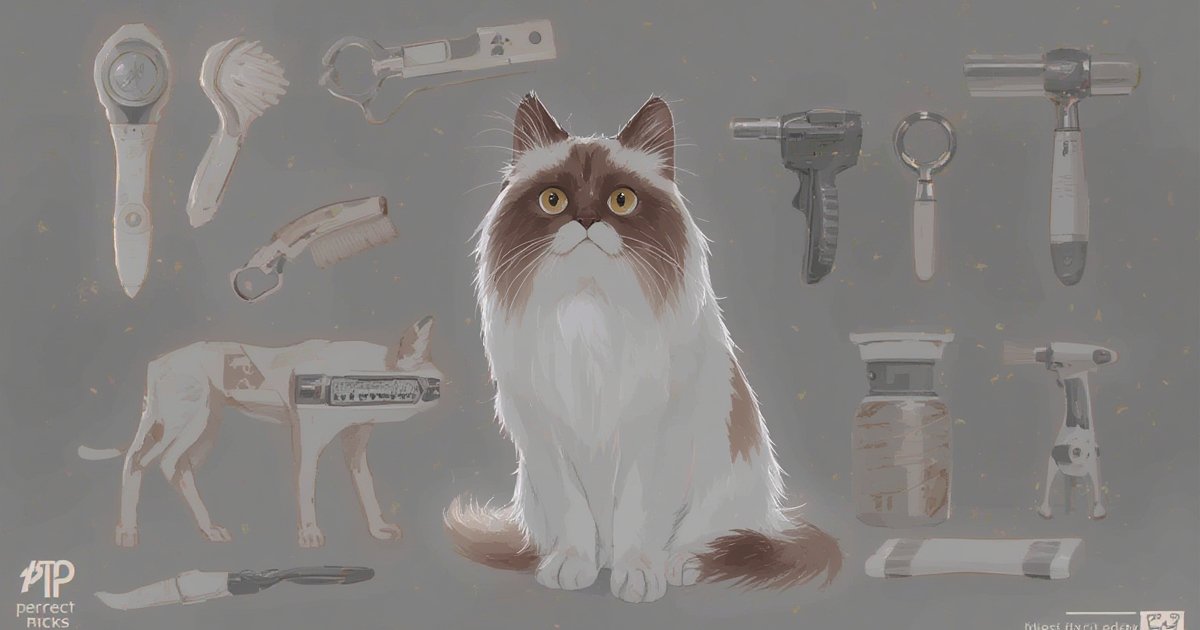
Discover the best grooming tools for your Persian cat in 2026! Keep their luxurious coat mat-free and healthy with our top 5 picks and expert tips.
The Unique Grooming Needs of Persian Cats
Persian cats are renowned for their stunning, luxurious long coats, elegant features, and gentle temperaments. However, maintaining that magnificent fur requires dedication and the right set of grooming tools. Without a consistent grooming routine, their long, fine hair can quickly become matted, tangled, and uncomfortable, leading to skin issues and even pain.
Their dense undercoat and long guard hairs are prone to shedding and mat formation, especially around the neck, behind the ears, under the armpits, and on the belly. Regular grooming not only keeps them looking pristine but also prevents hairballs, promotes healthy skin, and strengthens the bond between you and your feline companion. Investing in quality grooming tools is paramount for their well-being.
Why Specialized Grooming Tools are Essential for Persian Cats
Unlike short-haired breeds, Persian cats require specialized grooming tools designed to penetrate their thick coats without causing discomfort or irritation. Generic brushes or combs often fall short, failing to reach the undercoat or effectively remove loose fur and nascent mats. Using the wrong tools can break delicate hairs, pull at the skin, and make grooming an unpleasant experience for your cat, leading to resistance.
The correct grooming tools empower you to tackle common Persian grooming challenges head-on. These include managing shedding, preventing and removing mats, distributing natural oils, and ensuring their overall comfort. Properly chosen tools make the grooming process more efficient and enjoyable for both of you, transforming a chore into a cherished routine.
The Essential Five: Top Grooming Tools for Your Persian in 2026
To keep your Persian cat’s coat in show-stopping condition, a well-stocked grooming kit is indispensable. Here are the top five grooming tools every Persian cat owner should consider for 2026, carefully selected for their effectiveness and cat comfort.
1. High-Quality Slicker Brush
A slicker brush is your primary defense against everyday tangles and loose fur. It features fine, short wires packed closely together on a flat or slightly curved surface. When used correctly, a slicker brush can effectively remove dead hair from both the topcoat and the undercoat, preventing mat formation and reducing shedding around your home.
How to Use a Slicker Brush Effectively
Always brush in the direction of hair growth, using short, gentle strokes. Pay special attention to areas prone to matting, such as the legs, belly, and behind the ears. For Persian cats, choose a slicker brush with flexible pins that have coated tips to prevent scratching their delicate skin. Regular use, ideally daily or every other day, is crucial for maintaining a healthy, tangle-free coat.
2. Wide-toothed and Fine-toothed Metal Comb
While a slicker brush removes loose hair, a sturdy metal comb is vital for detangling and checking for mats and knots that the brush might miss. A good quality comb will have both wide-set and fine-set teeth to handle different coat densities and levels of tangling. The wide teeth are perfect for initial detangling, while the finer teeth help smooth the coat and detect smaller knots.
Mastering the Metal Comb Technique
Start with the wide-toothed section to gently work through larger sections of fur, then follow up with the fine-toothed side. Always comb from the roots to the tips, holding the fur near the skin to avoid pulling and discomfort. This tool is particularly effective after a slicker brush session to ensure no small tangles remain. It’s also excellent for gently combing through the delicate facial fur around your Persian’s flat face.
3. Specialized Deshedding Tool
Shedding is a natural process for all cats, but for Persians, it can lead to significant hairball issues and excessive loose fur. A specialized deshedding tool, often resembling a fine-toothed comb with a unique blade design, is engineered to safely reach through the topcoat and remove the loose undercoat without cutting the guard hairs.
Benefits of a Deshedding Tool for Long-Haired Breeds
Using a deshedding tool once or twice a week can drastically reduce shedding by up to 90%, significantly cutting down on hairballs and preventing serious matting. Always follow the manufacturer’s instructions and use it gently, as overuse can irritate the skin or damage the coat. These grooming tools are excellent for maintaining overall coat health.
4. Dematting Rake or Tool
Despite best efforts, mats can still form in a Persian cat’s dense coat. A dematting rake is specifically designed to safely break up and remove these stubborn tangles without causing excessive pulling or discomfort. It features sharp, curved blades set within a handle, allowing you to carefully slice through mats rather than ripping them out.
Safe and Effective Mat Removal
Dematting should always be approached with extreme caution. Start at the edge of the mat and work your way in, using short, gentle strokes. Never pull directly on the mat, as this can be very painful for your cat. If a mat is too large or too close to the skin, it’s best to consult a professional groomer or veterinarian. These grooming tools are a must-have for emergencies.
5. Cat-Specific Nail Clippers
Nail care is an often-overlooked but vital part of your Persian cat’s grooming routine. Overly long nails can get caught on carpets, furniture, or even grow into their paw pads, causing pain and infection. Cat-specific nail clippers come in various styles, including scissor-style and guillotine-style, each designed for a clean, quick cut.
Tips for Stress-Free Nail Trimming
Introduce nail clipping early in your cat’s life to get them accustomed to the process. Trim only the very tip of the nail, avoiding the quick (the pink part containing nerves and blood vessels). If you accidentally cut the quick, have styptic powder on hand to stop the bleeding. Regular trims every 2-4 weeks will keep your cat comfortable and prevent potential issues.
Choosing the Best Grooming Tools: A Comparison
When selecting your grooming tools, quality and suitability for your Persian cat’s specific needs are paramount. Investing in durable, ergonomic tools will make the grooming experience more pleasant for both you and your cat. Here’s a comparison of some popular options across these categories, keeping 2026’s advancements and consumer reviews in mind.
Comparison of Top Persian Cat Grooming Tools
| Product | Price | Pros | Cons | Best For |
|---|---|---|---|---|
| “Purrfect Paws” Slicker Brush (Large) | $25 | Ergonomic handle, effective on thick coats, gentle pin tips. | Can be cumbersome for very small kittens. | Daily detangling and removing loose fur. |
| “Royal Mane” Double-Sided Metal Comb | $18 | Two-in-one wide and fine teeth, durable stainless steel. | Handles can sometimes be slippery when wet. | Deep coat checking and fine detangling after brushing. |
| “ShedNoMore” Deshedding Tool (Medium) | $35 | Reduces shedding significantly, comfortable grip, good for undercoat. | Requires careful use to avoid skin irritation; not for daily use. | Weekly or bi-weekly deep deshedding sessions. |
| “KnotAway” Dematting Rake | $22 | Efficiently breaks up small to medium mats, safe blade design. | Requires skill to use without pulling; not for very large, tight mats. | Targeted mat removal and prevention. |
| “Claw Care” Scissor-Style Clippers | $15 | Sharp blades for clean cuts, safety guard, easy to handle. | Can be intimidating for new users. | Regular nail trimming for all cat sizes. |
Establishing a Consistent Grooming Routine
Having the right grooming tools is only half the battle; establishing a consistent routine is just as important. Persian cats thrive on routine, and regular grooming sessions will become a normal, even enjoyable, part of their day. Start grooming your Persian cat when they are young to get them accustomed to the process.
Begin with short sessions, focusing on positive reinforcement with treats and praise. Gradually increase the duration as your cat becomes more comfortable. Consistency is key to preventing mats and ensuring your cat’s coat remains healthy and beautiful. Aim for daily brushing, with a deeper session once or twice a week involving the deshedding tool and thorough combing.
Tips for Making Grooming Enjoyable for Your Persian
– Choose a quiet, calm environment where your cat feels safe and relaxed.
– Use a soft, reassuring voice throughout the grooming session.
– Keep sessions short, especially when starting out, to prevent your cat from becoming overwhelmed.
– Always reward your cat with their favorite treats, toys, or cuddles immediately after grooming.
– Be patient and never force your cat. If they become stressed, take a break and try again later.
– Regularly check for any skin irritations, lumps, or parasites during grooming, as early detection can prevent more serious issues. These grooming tools help with this.
Beyond the Basics: Supplementary Grooming Considerations
While the top five grooming tools form the foundation of your Persian’s care, there are other aspects to consider for their overall health and cleanliness. Regular bathing, appropriate diet, and professional grooming can complement your home routine, ensuring your Persian cat looks and feels their best.
Bathing Your Persian Cat
Persian cats typically need baths more frequently than other breeds due to their long, oily coats. Aim for a bath every 4-6 weeks to prevent grease and maintain coat cleanliness. Use a cat-specific shampoo and conditioner to avoid skin irritation. Always ensure your cat is thoroughly dried afterwards, as damp fur can quickly mat.
A quiet, low-heat pet dryer can be invaluable for thorough drying, especially if your cat is comfortable with it. Introduce it gradually and ensure the noise level is not too high. A well-dried coat is essential to prevent matting and fungal infections.
The Role of Diet in Coat Health
A high-quality diet plays a significant role in the health and luster of your Persian cat’s coat. Look for cat food rich in omega-3 and omega-6 fatty acids, which contribute to healthy skin and a shiny, strong coat. Supplements like fish oil can also be beneficial, but always consult your veterinarian before adding anything new to your cat’s diet.
Good nutrition reduces excessive shedding and promotes a stronger hair shaft, making their fur less prone to breakage and matting. This works in tandem with the physical grooming tools you use.
When to Seek Professional Grooming
Even with the best home routine and the finest grooming tools, there may be times when professional help is needed. If your cat develops severe mats that you cannot safely remove, or if they are particularly resistant to grooming, a professional groomer can be a lifesaver. They have specialized equipment and experience with difficult coats.
Professional groomers can also provide services like sanitary clips, lion cuts (for extremely matted cats), and thorough bathing and drying, offering a fresh start for your cat’s coat. Regular professional visits, perhaps once or twice a year, can support your at-home efforts and ensure your Persian remains comfortable and beautiful.
Frequently Asked Questions (FAQ)
How often should I groom my Persian cat?
For optimal coat health, daily brushing with a slicker brush and metal comb is recommended. A deeper session with a deshedding tool should occur once or twice a week. Nails should be trimmed every 2-4 weeks, and baths typically every 4-6 weeks.
What if my Persian cat hates being groomed?
Start with short, positive sessions and use plenty of treats and praise. Be patient and never force them. If they are highly resistant, try introducing one tool at a time or consult a professional groomer or veterinarian for advice on desensitization techniques or sedation options.
Can I use human hair products on my Persian cat?
No, you should never use human hair products on your cat. Human shampoos and conditioners have different pH levels and ingredients that can irritate a cat’s skin, strip essential oils, or be toxic if ingested. Always use cat-specific products.
How do I prevent mats from forming in my Persian cat’s coat?
The best prevention is consistent, daily grooming using the recommended grooming tools: a slicker brush, metal comb, and deshedding tool. Regular bathing and a high-quality diet also contribute significantly to mat prevention. Address small tangles immediately before they become large mats.
Is it normal for Persian cats to shed a lot?
Yes, Persian cats are known for shedding, especially during seasonal changes. Their thick double coat naturally sheds to make way for new growth. Regular use of a deshedding tool can significantly manage and reduce the amount of loose hair around your home and prevent hairballs.
Mastering the art of grooming your Persian cat is a journey that pays dividends in their comfort and happiness. By equipping yourself with the right grooming tools and committing to a consistent routine, you ensure their magnificent coat remains a source of pride, not pain. Dive into the world of proper Persian cat care and discover the joy of a beautifully maintained feline companion.
Ready to pamper your Persian with the best care? Explore more of our articles on feline health and beauty, or connect with our community of cat lovers for shared tips and tricks!
Contact us at info@daxai.com for further inquiries.
Leave a Reply