

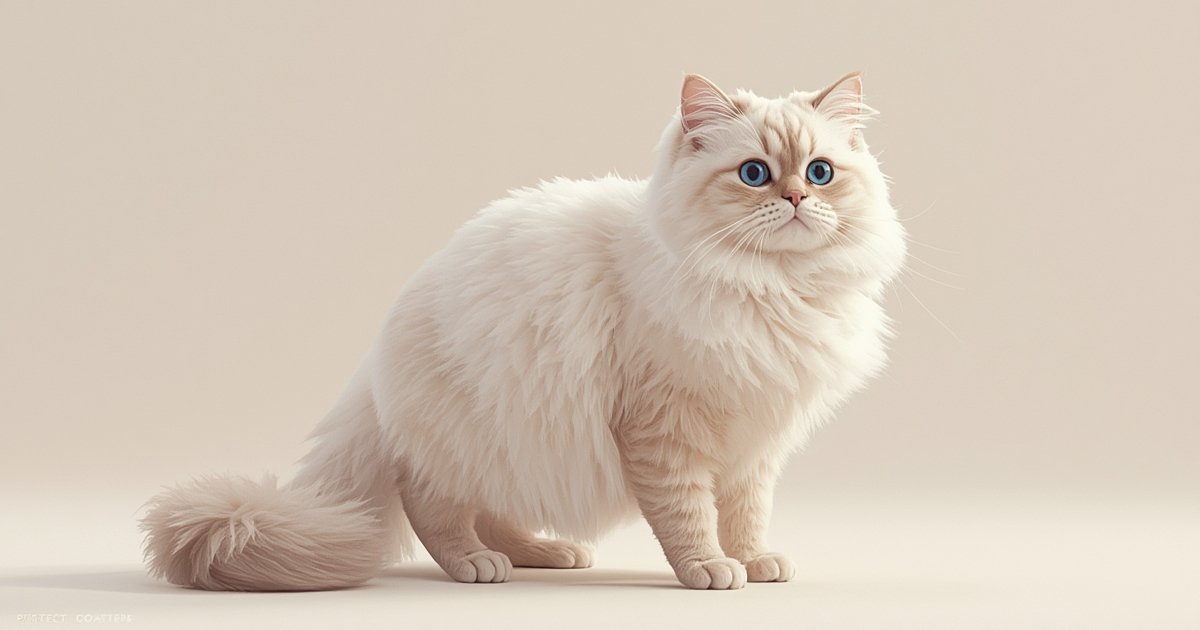
Unlock the secrets to pristine Persian grooming! Learn expert tips and essential tools for maintaining your Persian cat’s luxurious coat, preventing mats, and ensuring their health and happiness in 2026.
Understanding the Persian Coat: More Than Just Fluff
Picture your majestic Persian, a fluffy cloud of serenity, gliding through your home. This image of elegance is no accident; it’s the direct result of diligent Persian grooming. Without consistent care, that beautiful, flowing coat can quickly become a tangled, uncomfortable mess, impacting your cat’s health and happiness. Understanding the unique needs of a Persian’s long, dense fur is crucial for every owner, and in 2026, new insights and tools make this task more manageable than ever.
The Persian cat’s coat is a marvel of the feline world, but its beauty comes with specific care requirements. Unlike many short-haired breeds, Persians boast a luxurious double coat: a soft, downy undercoat for insulation and a long, silky outer coat that can reach several inches in length. This combination creates that distinctive, voluminous appearance cherished by enthusiasts worldwide.
This magnificent fur, while stunning, is highly susceptible to matting and tangling. The fine texture of the undercoat combined with the length of the guard hairs can easily knot together, especially in areas of high friction such as under the legs, around the neck ruff, and on the belly. Even minimal movement or a lack of regular grooming can lead to the formation of painful mats, which pull on the skin and can cause irritation, skin infections, and discomfort for your beloved pet.
Beyond the aesthetic appeal, the condition of your Persian’s coat can be a significant indicator of their overall health. A dull, greasy, or excessively shedding coat might point to nutritional deficiencies, underlying medical conditions, or even stress. Therefore, an effective Persian grooming routine is not just about keeping your cat looking good; it’s a vital component of their holistic well-being.
Proper coat care also plays a role in reducing hairballs. Persians naturally ingest a lot of fur during self-grooming. Regular brushing significantly reduces the amount of loose hair available for ingestion, thus minimizing the risk of hairball formation, which can lead to digestive issues and discomfort.
The Daily Ritual: Essential Persian Grooming Steps
Consistent, daily attention is the cornerstone of effective Persian grooming. Establishing a routine early in your cat’s life will make the process easier for both of you and prevent more significant issues down the line. Each step is crucial for maintaining the health and beauty of their unique coat.
Daily Brushing Techniques
Brushing is the most critical aspect of Persian grooming. It should ideally be a daily activity, taking about 10-15 minutes. The goal is to remove loose hair, prevent mats, and distribute natural oils through the coat.
You’ll need a few key tools:
- – A high-quality slicker brush: This is excellent for removing loose undercoat and surface mats.
- – A metal comb (with both wide and fine teeth): Essential for detangling and ensuring you’ve reached down to the skin.
- – A detangling spray: Can help make brushing easier and prevent breakage.
Start with a detangling spray lightly misted over the coat. Then, use the slicker brush to gently go through sections of fur, working from the ends towards the skin. The “line brushing” technique is particularly effective for Persians: separate the fur into layers and brush one layer at a time, ensuring you reach all the way to the skin. Pay special attention to areas prone to matting:
- – Under the armpits
- – On the belly and groin area
- – Behind the ears and around the neck ruff
- – The tail (brush gently, as the fur here can be delicate)
After using the slicker brush, follow up with the metal comb. The comb helps to find any remaining tangles or small mats the slicker brush might have missed. If you encounter a knot, do not pull. Instead, gently work it out with your fingers, or use a mat splitter if necessary, being extremely careful not to cut the skin. Regular Persian grooming ensures these painful mats are rare.
Eye and Face Cleaning
Persians are known for their distinctive flat faces, which unfortunately make them prone to tear staining. The creases around their eyes can also trap moisture and debris, leading to irritation or even infections if not cleaned regularly.
Daily cleaning of the eye area is essential. Use a soft, damp cloth or a specialized pet eye wipe to gently clean around the eyes. Wipe away any discharge or crust, always wiping away from the eye. For stubborn tear stains, there are veterinary-approved stain removers that can be used, but always consult your vet before introducing new products to avoid irritation.
Make sure the facial folds are kept dry and clean. A cotton swab or ball, dampened with warm water, can be used to carefully clean inside the folds. Ensuring these areas are dry after cleaning is crucial to prevent yeast or bacterial growth.
Ear Cleaning and Nail Trimming
These are often overlooked but vital parts of a complete Persian grooming regimen. Regular checks and maintenance can prevent discomfort and health issues.
For ear cleaning, check your Persian’s ears weekly for any redness, odor, or excessive wax buildup. If needed, use a veterinarian-approved ear cleaner and a cotton ball to gently wipe the visible parts of the ear. Never insert anything into the ear canal, as this can cause damage. If you notice any signs of infection, consult your vet.
Nail trimming should be done every 2-4 weeks. Long nails can get caught, cause discomfort, and even grow into the paw pads, leading to pain and infection. Use sharp, cat-specific nail clippers. Gently press on your cat’s paw pad to extend the claw, and only clip the sharp tip, avoiding the quick (the pink part containing blood vessels and nerves). If you’re unsure, ask your vet or a professional groomer to demonstrate the proper technique.
Beyond Brushing: Advanced Persian Grooming for a Pristine Look
While daily brushing forms the backbone of Persian grooming, sometimes more intensive steps are required to keep their coat truly pristine. Regular bathing and proactive mat prevention are key components of advanced care.
The Importance of Regular Baths
Despite popular belief that cats clean themselves, Persians, with their long, dense coats, greatly benefit from regular baths. Bathing helps to remove dirt, dander, loose hair, and excess oils that brushing alone cannot. Most Persians benefit from a bath every 4-6 weeks, or more frequently if they get particularly dirty or have skin issues.
A successful bath requires preparation and the right products:
- – Specialized cat shampoo: Use a shampoo formulated for long-haired cats or one recommended by your vet for specific skin conditions.
- – Conditioner: A good conditioner will help detangle the fur and add moisture, preventing dryness.
- – Towels: Plenty of absorbent towels.
- – Non-slip mat: For the bottom of the tub or sink.
- – A low-heat pet dryer: Essential for thorough drying.
Before bathing, always give your cat a thorough brush to remove any existing tangles and loose fur. This prevents mats from tightening when wet. Use lukewarm water, making sure to avoid getting water in their ears or eyes. Lather gently, focusing on removing grime, and rinse thoroughly until no shampoo residue remains. Residue can irritate the skin and make the coat dull.
Drying is just as important as washing. Squeeze out excess water, then towel dry as much as possible. Follow with a low-heat pet dryer, brushing as you dry to prevent tangles and ensure the undercoat is completely dry. Leaving a Persian’s coat damp can lead to skin issues and matting.
Preventing Mats and Tangles
Prevention is always better than cure when it comes to mats. Incorporating several strategies into your Persian grooming routine can significantly reduce their occurrence.
- – **Consistent Brushing:** As mentioned, daily brushing is non-negotiable.
- – **Regular Trimming:** Consider sanitary clips around the hindquarters and paw pads to prevent waste buildup and improve traction. Professional groomers can also do a “lion cut” or “teddy bear cut” for easier maintenance, especially in warmer climates or for cats prone to severe matting.
- – **Dietary Support:** Ensure your cat’s diet is rich in Omega-3 and Omega-6 fatty acids, which promote healthy skin and a strong, less brittle coat.
- – **Environmental Control:** Keep your home free of excessive dust and debris that can get caught in fur.
If mats do occur, approach them with extreme caution. Small mats can sometimes be worked out gently with fingers and a detangling spray, followed by a comb. For larger, tighter mats, never try to cut them out with scissors yourself, as it’s incredibly easy to cut the delicate skin underneath. Instead, use a mat splitter or, for severe cases, seek the help of a professional groomer or veterinarian who can safely shave them out.
Comparison of Essential Persian Grooming Tools
Top Grooming Tools for Your Persian Cat
| Product | Price | Pros | Cons | Best For |
|---|---|---|---|---|
| PetFusion Deluxe Slicker Brush | $15 – $25 | Removes loose undercoat effectively; comfortable handle. | Can be sharp if not used gently; teeth might bend over time. | Daily detangling and removing shedding fur. |
| Safari Metal Grooming Comb | $8 – $12 | Two teeth widths for versatile detangling; durable. | Might not be ideal for very thick, dense mats without prior brushing. | Finishing brush-through; finding hidden tangles. |
| Andis Pet Dryer (Low Heat) | $70 – $120 | Powerful airflow, quiet operation, multiple heat settings. | Initial cost is higher; requires training for cats to tolerate. | Thorough drying after baths, especially for dense coats. |
| Eye Envy Tear Stain Remover Kit | $30 – $50 | Effectively reduces and prevents tear stains; natural ingredients. | Requires consistent application for best results; can be messy. | Managing and preventing tear stains around the eyes. |
| FURminator Deshedding Tool (Long Hair) | $35 – $50 | Significantly reduces shedding; reaches deep into the undercoat. | Can over-groom if used too frequently or aggressively; not for everyday use. | Seasonal deshedding to minimize hairballs and loose fur. |
Diet, Health, and Environmental Factors Supporting a Healthy Coat
The saying “you are what you eat” applies just as much to your Persian cat’s coat as it does to their overall health. What goes into their body, along with their environment, plays a crucial role in maintaining that coveted luscious fur. Effective Persian grooming isn’t just external; it’s also about internal wellness.
Nutritional Impact on Fur Quality
A balanced, high-quality diet is fundamental for a healthy, shiny coat. Key nutrients contribute directly to skin and fur health:
- – **Protein:** As hair is primarily made of protein, a diet rich in high-quality animal-based protein sources (like chicken, fish, or beef) is essential for strong, resilient fur growth.
- – **Essential Fatty Acids (Omega-3 and Omega-6):** These healthy fats are crucial for skin hydration and reducing inflammation. Omega-3s (found in fish oil) contribute to a shiny coat, while Omega-6s (found in poultry fat, vegetable oils) support skin barrier function. Look for cat foods that list these fatty acids or consider supplements under veterinary guidance.
- – **Vitamins and Minerals:** Biotin, zinc, Vitamin E, and Vitamin A all play roles in skin cell health and hair growth. A complete and balanced cat food typically provides these.
- – **Hydration:** Ample access to fresh water is vital. Dehydration can lead to dry, brittle fur and flaky skin. Encourage water intake by using ceramic or stainless steel bowls, offering filtered water, or even investing in a pet water fountain.
If your Persian’s coat appears dull, brittle, or excessively oily despite regular Persian grooming, a dietary review with your veterinarian is highly recommended. They can help identify any nutritional gaps or recommend specific supplements.
Environmental Control
Your cat’s living environment also impacts their coat’s condition. Controlling certain factors can significantly aid in maintaining healthy skin and fur.
- – **Humidity Levels:** Extremely dry air can lead to dry, flaky skin and a brittle coat prone to static electricity. Using a humidifier, especially during winter months, can help maintain optimal humidity levels for your cat’s comfort and coat health.
- – **Cleanliness:** A clean home environment means fewer allergens, dust, and debris that can accumulate in your Persian’s long fur. Regular vacuuming and cleaning of pet bedding are important.
- – **Temperature:** While Persians are adapted to cooler climates, extreme heat can cause discomfort, excessive shedding, and even heat stress. Ensure your cat has access to cool, shaded areas, especially in warmer weather.
Recognizing Coat Problems as Health Indicators
Your Persian’s coat is a valuable barometer of their internal health. Any sudden or persistent changes should prompt a closer look and potentially a visit to the veterinarian. Key signs to watch for include:
- – **Excessive Shedding or Hair Loss:** While Persians naturally shed, excessive or patchy hair loss can indicate allergies, parasites (fleas, mites), fungal infections (ringworm), hormonal imbalances, or stress.
- – **Dull, Greasy, or Brittle Coat:** This often points to nutritional deficiencies, metabolic diseases (like thyroid issues), kidney disease, or a lack of proper grooming.
- – **Redness, Rashes, or Bumps on the Skin:** These can be signs of allergies, infections, or external parasites.
- – **Itching or Excessive Licking/Chewing:** This behavior often signals discomfort, allergies, parasites, or anxiety, which can further damage the coat.
- – **Mats Forming Rapidly:** While mats are a common Persian grooming challenge, if they form unusually fast or become severe, it could indicate the cat is too uncomfortable or unwell to groom itself, or has a underlying skin issue.
Never dismiss persistent coat problems. Early detection and treatment of underlying health issues are crucial for your Persian’s long-term well-being and the restoration of their beautiful coat.
Preparing Your Persian for Grooming: Training and Trust
Successful Persian grooming isn’t just about the tools and techniques; it’s profoundly about the bond and trust you share with your cat. A well-adjusted Persian that tolerates or even enjoys grooming makes the entire process stress-free and more effective for both of you.
Start Young: Positive Reinforcement
The golden rule for grooming any pet is to start early. Introduce grooming tools and practices when your Persian is a kitten. This helps them become accustomed to the sensations and makes it a normal part of their life. Think of it as foundational training for future health and happiness.
Use positive reinforcement consistently:
- – **Short Sessions:** Keep initial grooming sessions very brief, perhaps just a minute or two of gentle brushing.
- – **Treats and Praise:** Reward your cat with their favorite treats and plenty of verbal praise after each session, even if it’s a short one.
- – **Gentle Handling:** Always be gentle and calm. Avoid forcing your cat into positions they resist intensely.
- – **Make it Fun:** Associate grooming with positive experiences. Play with them immediately after a short grooming session.
The goal is to build a positive association, teaching them that Persian grooming equals good things and is nothing to fear. This proactive approach will save you countless struggles later on.
Desensitization Techniques
Many cats, especially those not accustomed to handling from a young age, can be sensitive to touch in certain areas. Desensitization helps them become comfortable with being handled and with the various grooming tools.
- – **Handle Paws Gently:** Repeatedly and gently touch your cat’s paws, including between the toe pads, preparing them for nail trims.
- – **Touch Ears and Face:** Gradually acclimate them to having their ears and face touched, which is necessary for cleaning and eye care.
- – **Introduce Tools Gradually:** Let your cat sniff and investigate brushes and combs before using them. Gently touch the tool to their fur for a second, then reward them. Gradually increase the duration.
- – **Sound Familiarization:** If using a pet dryer, turn it on at a distance while your cat is eating or playing, gradually moving it closer so they associate the sound with positive experiences.
Consistency and patience are key. Never punish your cat for resisting, as this will only worsen their fear and make future Persian grooming sessions more challenging.
Professional Groomer Collaboration
While DIY Persian grooming is essential, there’s no shame in seeking professional help. In fact, partnering with a reputable groomer can be highly beneficial for both you and your cat.
- – **Expertise:** Professional groomers have specialized tools and techniques for handling complex coats, removing stubborn mats, and performing services like sanitary trims or full shaves safely.
- – **Routine Maintenance:** Even if you groom daily, a professional groomer can provide deeper cleaning, more thorough deshedding, and a precise trim that helps maintain the coat’s integrity between home sessions.
- – **Skill Transfer:** A good groomer can offer valuable tips, demonstrate proper techniques, and advise on the best products for your specific cat’s coat needs.
- – **Stress Reduction:** For cats that are particularly resistant to certain grooming procedures, a professional can often perform them more efficiently and with less stress.
When choosing a professional groomer, look for someone experienced with Persians, who uses positive reinforcement, and maintains a clean, safe environment. Ask for recommendations, check reviews, and don’t hesitate to visit the salon beforehand to assess the atmosphere. A great groomer will become an invaluable partner in your Persian grooming journey.
Maintaining the magnificent coat of a Persian cat is undeniably a commitment, but it’s a deeply rewarding one. By understanding their unique needs, implementing a consistent Persian grooming routine, and providing holistic care through diet and a supportive environment, you ensure your feline companion not only looks splendid but also feels comfortable and healthy. From daily brushing to regular baths and the careful cleaning of their expressive faces, every step contributes to their well-being. Remember, building trust and making grooming a positive experience from a young age will foster a lifetime of happy, cooperative care. Embrace the journey, and you’ll be rewarded with a purrfectly pristine Persian companion for years to come.
Ready to take your cat’s grooming routine to the next level? Explore more expert tips and product recommendations on our blog, or reach out to our team for personalized advice!
Dax AI, your trusted partner in pet care excellence.
Contact us: info@daxai.com
Frequently Asked Questions (FAQ)
How often should I brush my Persian cat?
Persian cats should ideally be brushed daily. Their long, dense double coats are highly prone to matting, and daily brushing helps to remove loose hair, prevent tangles, and distribute natural skin oils, keeping their fur healthy and knot-free.
What’s the best way to deal with tear stains on my Persian?
For tear stains, daily cleaning with a soft, damp cloth or a pet-specific eye wipe is crucial. Gently wipe away discharge from the eyes, always moving away from the eye itself. For stubborn stains, veterinary-approved tear stain removers can be used, but always consult your vet before applying any new product to ensure it’s safe for your cat.
Can I bathe my Persian cat at home?
Yes, you can bathe your Persian cat at home, and it’s recommended every 4-6 weeks to keep their coat clean and healthy. Use a shampoo and conditioner specifically formulated for cats, and always brush thoroughly before bathing. Ensure you rinse all shampoo out and dry their coat completely with a low-heat pet dryer to prevent matting and skin issues.
When should I consider professional Persian grooming?
You should consider professional grooming if your cat develops severe mats that you cannot safely remove, if they are extremely resistant to home grooming, or if you simply prefer the expertise and specialized equipment of a professional. Professional groomers can provide thorough cleaning, precise trims, and expert advice for ongoing care.
What diet is best for a Persian’s coat?
A high-quality cat food rich in animal-based protein and essential fatty acids (Omega-3 and Omega-6) is best for a Persian’s coat. These nutrients support healthy skin and fur growth, contributing to a shiny, strong coat. Ensure they also have plenty of fresh water to stay hydrated, as dehydration can affect coat quality.
Leave a Reply