

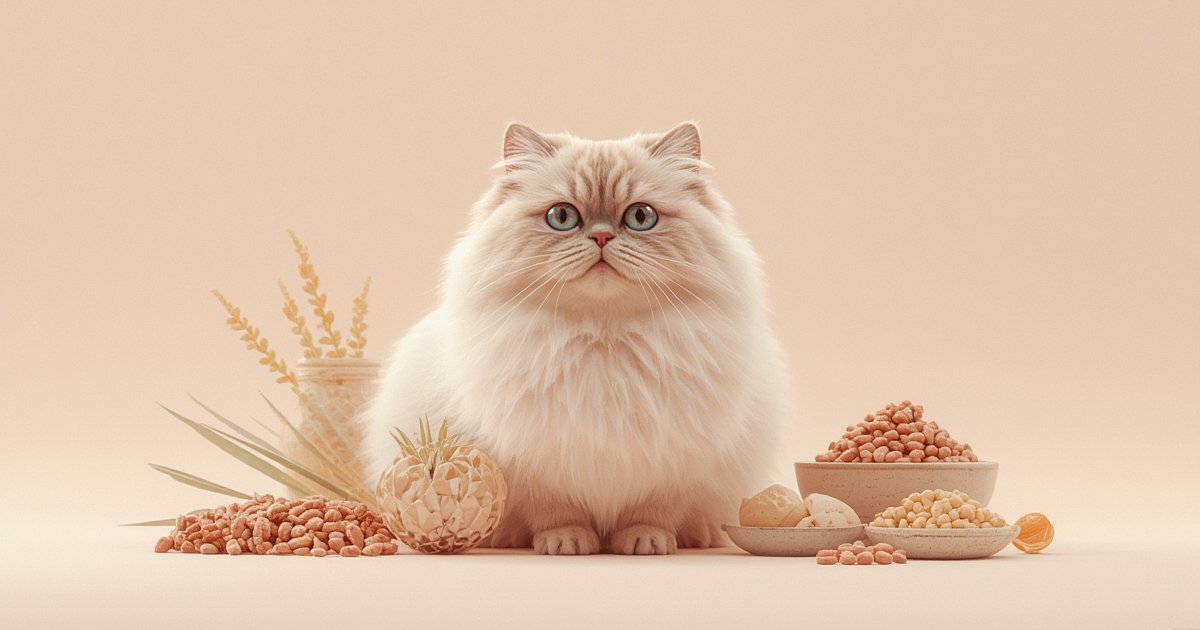
Meta Description: Is your Persian cat getting all essential nutrients? Discover the 5 vital nutrients often missed, why they matter for health, and how to optimize your Persian’s diet for 2026.
Understanding Your Persian Cat’s Unique Nutritional Needs
As devoted owners, we want the very best for our beloved Persian cats. Their majestic coats, distinctive facial structures, and generally calm demeanor make them unique companions, but these same characteristics also mean they have specific dietary requirements. Ensuring your Persian cat receives optimal nutrition is paramount for their longevity and vibrant health, especially concerning certain Persian nutrients that are often overlooked.
Unlike other breeds, Persians can be prone to specific health issues, such as polycystic kidney disease, hypertrophic cardiomyopathy, and dental problems, which can be influenced by diet. Their brachycephalic (flat) faces can also make eating certain kibbles challenging, necessitating careful food selection. This means that a generic cat food might not be enough to provide the full spectrum of Persian nutrients they need to thrive.
The Distinctive Physiology of Persian Cats
Persian cats possess several physical traits that directly impact their nutritional needs. Their long, luxurious coats require an abundance of specific vitamins and fatty acids to maintain health and reduce matting and excessive shedding. Furthermore, their unique jaw structure can sometimes lead to dental issues if their diet doesn’t support good oral hygiene.
Their lower activity levels compared to more agile breeds mean they can be prone to weight gain, making calorie control an important aspect of their diet. Understanding these foundational elements is the first step toward ensuring your Persian receives a diet tailored to their unique physiology, safeguarding their health for years to come.
The 5 Vital Nutrients Your Persian Cat Might Be Missing
Even with the best intentions, it’s easy to miss some crucial elements in your Persian cat’s diet. As we look towards 2026, understanding these specific Persian nutrients becomes even more important. Here are five vital nutrients that your Persian might not be getting enough of, and why they are so critical:
1. Taurine: The Heart and Eye Guardian
Taurine is an essential amino acid for cats, meaning their bodies cannot synthesize enough of it on their own, making dietary intake absolutely critical. While all cats need taurine, it’s a nutrient that can sometimes be deficient in certain cat foods or if a cat is fed an inappropriate diet.
Lack of taurine can lead to severe health problems, including dilated cardiomyopathy (a serious heart condition) and retinal degeneration, which can result in blindness. It also plays a role in reproductive health and bile acid formation.
Sources of Taurine for Your Persian
High-quality animal-based proteins are the best sources of taurine. This includes:
– Muscle meat (beef, chicken, lamb, turkey)
– Fish (though generally fed cooked and in moderation)
– Organ meats (especially heart and liver)
Always ensure your cat’s commercial food is labeled as “complete and balanced” and meets AAFCO (Association of American Feed Control Officials) standards for feline nutrition, as these foods will typically have adequate taurine levels.
2. Omega-3 Fatty Acids: For That Silky Coat and Beyond
Omega-3 fatty acids, particularly eicosapentaenoic acid (EPA) and docosahexaenoic acid (DHA), are crucial for maintaining your Persian’s signature long, silky coat, reducing skin dryness, and minimizing inflammation. They are also vital for brain development in kittens, cognitive function in older cats, and joint health.
Many commercial cat foods contain some omega-3s, but often not in optimal quantities or the most bioavailable forms. The balance between omega-3 and omega-6 fatty acids is also important; an imbalance can contribute to inflammatory conditions.
Boosting Omega-3 Intake
Excellent sources of EPA and DHA include:
– Fish oil (from salmon, sardines, anchovies)
– Krill oil
– Algal oil (a plant-based source of DHA)
While flaxseed oil contains alpha-linolenic acid (ALA), a plant-based omega-3, cats are inefficient at converting ALA into EPA and DHA, so direct animal sources are preferred. Consult your vet before adding any supplements to ensure proper dosage.
3. Vitamin A (Retinol): Essential for Vision and Immunity
Vitamin A is another fat-soluble vitamin crucial for your Persian cat’s health. It plays a significant role in vision (especially night vision), immune function, skin health, and cell growth. Unlike humans, cats cannot convert beta-carotene (found in plants) into active vitamin A; they require preformed vitamin A (retinol) directly from animal sources.
Deficiencies can lead to vision problems, weakened immunity, and poor skin and coat condition. While rare in cats fed commercial diets, it’s worth noting its importance.
Ensuring Adequate Vitamin A
The best sources of preformed Vitamin A are:
– Liver (in moderation due to high vitamin A content, which can be toxic in excess)
– Egg yolks
– Fish oils
Most high-quality complete and balanced cat foods will contain sufficient amounts of Vitamin A. Avoid giving your cat large quantities of liver or other concentrated sources without veterinary guidance.
4. B Vitamins (Especially B12 and Biotin): The Energy and Coat Powerhouses
The B-vitamin complex, including B12 (cobalamin) and biotin, is essential for numerous metabolic processes in cats. They play roles in energy production, nerve function, red blood cell formation, and maintaining healthy skin and coat. B12, specifically, is vital for proper digestion and nutrient absorption.
Persian cats, with their long coats, particularly benefit from adequate biotin for strong hair growth and skin integrity. Deficiencies in B vitamins can manifest as lethargy, digestive issues, nerve problems, and poor coat quality.
Sources for B Vitamins
B vitamins are widely distributed in animal products:
– Meat (especially organ meats like liver and kidney)
– Fish
– Eggs
– Dairy products (in small amounts for cats)
Again, a well-balanced commercial diet should provide these Persian nutrients. If your cat has digestive issues or is on certain medications, a vet might recommend a B-vitamin supplement.
5. Specific Amino Acids (e.g., Arginine, Methionine): The Building Blocks of Life
While taurine is a key amino acid, others like arginine and methionine are equally critical for cats. Amino acids are the building blocks of proteins, and proteins are fundamental for every bodily function, from muscle repair and enzyme production to hormone synthesis and immune response.
Cats have a high protein requirement and cannot survive on a vegetarian diet because they require specific amino acids found predominantly in animal tissue. Arginine is particularly vital; a deficiency can lead to severe ammonia toxicity, while methionine is crucial for healthy skin and coat and is a precursor to taurine.
Meeting Amino Acid Needs
The best way to ensure your Persian cat gets all essential amino acids is through a diet rich in high-quality animal-based protein sources:
– Chicken
– Beef
– Fish
– Lamb
– Turkey
Look for cat foods where meat or fish is listed as the first ingredient. Adequate protein intake directly translates to sufficient essential amino acids, providing your Persian with the building blocks it needs for robust health.
Optimizing Your Persian’s Diet: Beyond the Bowl
Knowing which Persian nutrients are vital is only half the battle. The next step is to translate this knowledge into practical dietary choices that support your cat’s health and well-being. This involves selecting the right food, understanding labels, and considering supplements when necessary.
Selecting the Best Food for Persian Nutrients
The market is flooded with cat food options, making it challenging to choose. For Persian cats, consider foods specifically formulated for long-haired breeds or those with sensitive stomachs. Their brachycephalic faces may also benefit from specially shaped kibble that is easier to pick up and chew.
Always prioritize foods with real meat as the primary ingredient. Look for transparency in ingredient lists and avoid fillers, excessive carbohydrates, and artificial additives. The right food is a cornerstone of providing essential Persian nutrients.
Comparison of Top Cat Food Types for Persians
Understanding the pros and cons of different food types can help you make an informed decision for your Persian’s unique needs.
| Product/Type | Price Range | Pros | Cons | Best For |
|---|---|---|---|---|
| High-Quality Dry Kibble | $30-$70 (large bag) | Convenient, helps dental health (crunch), can be left out. Formulated for specific needs. | Lower moisture content, can be harder for brachycephalic cats to eat. | Owners seeking convenience, dental support, and specific formulations (e.g., hairball control). |
| Premium Wet Food | $20-$60 (case of cans) | High moisture content (hydration), often highly palatable, easier to eat for flat-faced breeds. | Can be messy, spoils quickly if left out, may be more expensive. | Cats needing extra hydration, those with dental issues, or picky eaters. |
| Raw/Freeze-Dried Diet | $40-$90+ (monthly) | Mimics ancestral diet, high in natural enzymes and nutrients, good hydration. | Higher cost, requires careful handling to avoid bacterial contamination, not suitable for all cats. | Owners committed to a species-appropriate diet and meticulous food preparation. |
| Limited Ingredient Diet (LID) | $35-$75 (large bag/case) | Excellent for cats with allergies or sensitivities, fewer potential irritants. | Limited protein sources, may not suit all cats’ palates, can be harder to find. | Persians with digestive issues, skin allergies, or known food sensitivities. |
The Unsung Hero: Water Intake
Hydration is often overlooked but is as crucial as the nutrients themselves. Cats, especially those on a dry kibble diet, may not drink enough water. Chronic dehydration can contribute to urinary tract issues and kidney problems.
Encourage water intake by:
– Providing multiple water bowls in different locations.
– Using ceramic or stainless steel bowls instead of plastic.
– Investing in a pet water fountain, as many cats prefer running water.
– Incorporating wet food into their diet.
Adequate water intake ensures proper nutrient absorption and overall organ function, complementing the benefits of essential Persian nutrients.
When to Consider Supplements
While a complete and balanced diet should ideally provide all necessary Persian nutrients, there are instances where supplementation might be beneficial. This should always be done under the guidance of a veterinarian.
– Cats with specific health conditions (e.g., joint issues, severe skin allergies).
– Older cats who may have reduced nutrient absorption.
– Cats on prescription diets that might be lacking certain compounds.
– In cases of confirmed deficiencies through blood tests.
Common supplements for Persians include omega-3 fatty acids, probiotics for gut health, and specific vitamins if a deficiency is identified.
Common Dietary Mistakes to Avoid in 2026
Even with the best intentions, owners can inadvertently make dietary choices that hinder their Persian cat’s health. Avoiding these common pitfalls is just as important as providing essential Persian nutrients.
1. Over-supplementation
More is not always better when it comes to vitamins and minerals. Fat-soluble vitamins (A, D, E, K) can accumulate in the body and lead to toxicity. Excessive mineral intake can also throw off delicate bodily balances. Always consult your vet before adding any supplements.
2. Feeding Human Food as a Primary Diet
While a tiny, occasional plain cooked chicken piece might be harmless, regularly feeding human food can lead to nutritional imbalances. Many human foods are too high in salt, sugar, or unhealthy fats, and some common ingredients like onions, garlic, and chocolate are toxic to cats.
3. Ignoring Dental Health
Dental disease is rampant in cats, especially breeds with brachycephalic features like Persians. Poor dental health can lead to pain, infection, and can even affect other organs. Diet plays a role: some dry kibble is designed to help scrape plaque, and specific dental chews can be beneficial.
4. Frequent and Sudden Diet Changes
Cats have sensitive digestive systems. Abruptly changing their food can lead to stomach upset, vomiting, and diarrhea. If you need to switch foods, do so gradually over 7-10 days, mixing increasing amounts of the new food with decreasing amounts of the old.
5. Underestimating the Impact of Treats
Treats should make up no more than 10% of your cat’s daily caloric intake. Overfeeding treats, especially those high in calories or lacking nutritional value, can lead to weight gain and disrupt the balance of Persian nutrients provided by their main diet.
Ensuring your Persian cat receives these five vital Persian nutrients—Taurine, Omega-3s, Vitamin A, B Vitamins, and specific Amino Acids—is foundational for their health. By carefully selecting their diet, considering supplements under veterinary guidance, and avoiding common pitfalls, you can provide your cherished companion with the best possible start to a healthy 2026 and beyond. A well-nourished Persian is a happy, playful, and affectionate Persian, gracing your home with their majestic presence for many years.
Ready to optimize your Persian’s diet and ensure they’re thriving? Explore more of our pet health guides for deeper insights into feline nutrition and wellness. Your furry friend deserves the very best!
Contact us for more personalized advice or to schedule a consultation with a pet nutrition expert.
Frequently Asked Questions About Persian Cat Nutrition
What are the best protein sources for my Persian cat?
The best protein sources for Persian cats are animal-based, such as chicken, turkey, beef, and fish. These provide essential amino acids that cats need for muscle development, healthy skin, and energy. Look for cat foods that list real meat as the first ingredient.
How can I tell if my Persian cat is getting enough Omega-3s?
Signs of adequate Omega-3 intake often include a shiny, soft coat, healthy skin without excessive dryness or flakiness, and good joint mobility. If your cat has a dull coat, dry skin, or seems to have stiff joints, they might benefit from more Omega-3s. A vet can confirm any deficiencies.
Is a grain-free diet better for Persian cats?
The necessity of a grain-free diet for cats is a debated topic. While some cats with specific sensitivities might benefit, there’s no universal evidence that grain-free is superior for all cats. The quality of ingredients, not just the presence of grains, is most important. Consult your vet to determine if a grain-free diet is right for your Persian.
How often should I feed my Persian cat?
Most adult Persian cats benefit from being fed two to three times a day. Kittens require more frequent meals. It’s important to stick to a consistent feeding schedule and measure portions to prevent overeating, especially given Persians’ lower activity levels.
Can I give my Persian cat supplements without vet approval?
It is strongly recommended to consult your veterinarian before giving your Persian cat any supplements. Over-supplementation can be harmful, particularly with fat-soluble vitamins, and your vet can help identify actual deficiencies or specific needs through examination and testing.
References and Further Reading
- AAFCO (Association of American Feed Control Officials) – Standards for pet food labeling and nutrient profiles.
- UC Davis School of Veterinary Medicine – Cat Resources – General information on cat health and nutrition.
- EveryCat Health Foundation (formerly Winn Feline Foundation) – Funds feline health studies, including nutrition.
- Veterinary Partner – Reliable information on pet health from veterinary professionals.
Leave a Reply